
How to Keep Rodents Out of Your Compost Bin Naturally?
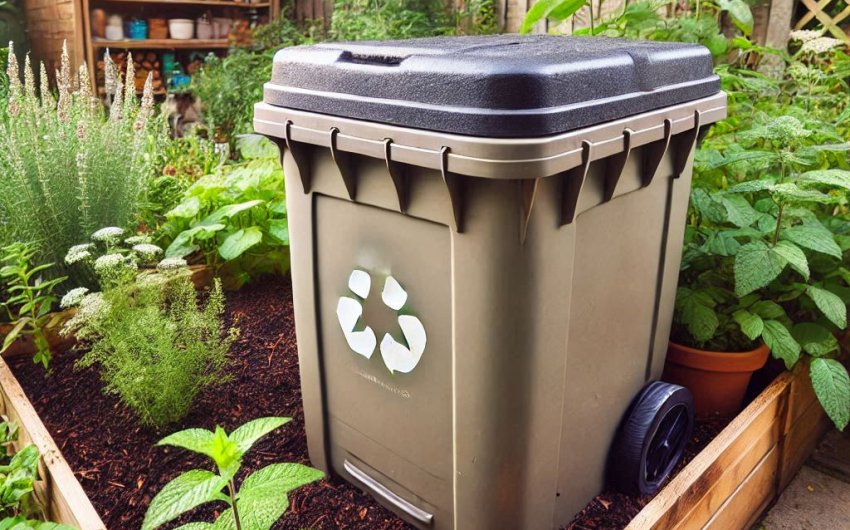
Composting is a fantastic way to reduce household waste, enrich your garden soil, and contribute to a healthier environment. Turning kitchen scraps and yard waste into nutrient-rich compost is a rewarding process. However, one common concern that often discourages people from composting, or causes issues for existing composters, is the unwelcome presence of rodents. Rats and mice are constantly on the lookout for food and shelter, and a poorly managed compost bin can unfortunately become an irresistible buffet and a cozy home.
The good news is that keeping rodents out of your compost bin doesn't require harsh chemicals or complicated traps. By understanding what attracts them and making a few strategic adjustments to your composting practices and bin design, you can naturally deter these pests. It's all about making your compost bin less appealing to them.
This guide will provide you with comprehensive, natural strategies to prevent and manage rodent infestations in your compost. We'll cover everything from what you put in your bin to the type of bin you use, and how to maintain it to keep it an efficient, pest-free composting machine. Get ready to compost with confidence!
Why are rodents attracted to compost bins?
Rodents, primarily rats and mice, are highly attracted to compost bins for two main reasons: food and shelter. Understanding these attractions is the first step in naturally deterring them.
1. Food source
Compost bins often contain a readily available and diverse menu of items that rodents find delicious.
- Kitchen scraps: This is the biggest draw. Food waste like fruit and vegetable peels, bread, grains, cooked leftovers, and even pet food scraps (if added) are all high-energy food sources for rodents. They are essentially a concentrated source of calories and nutrients that are easy for them to access.
- Easy access: Unlike tightly sealed food containers in your pantry, compost bins are often open or have easy entry points, making them a low-effort food grab for a hungry rodent.
- Constant supply: For a rodent, a household that regularly adds kitchen scraps to a compost bin offers a consistent, reliable food supply, encouraging them to set up shop nearby.
2. Shelter and nesting opportunities
Beyond food, compost bins offer an ideal environment for rodents to live and breed.
- Warmth: The decomposition process in a healthy compost pile generates heat. This warmth is incredibly attractive to rodents, especially in cooler weather, providing a cozy refuge from the cold.
- Protection: The structure of a compost bin (especially open bins or tumblers) provides a sense of security from predators. It offers nooks and crannies to hide in and allows them to burrow into the soft, loose compost material.
- Nesting material: The various organic materials in the compost pile, such as shredded paper, dry leaves, and fibrous plant matter, make excellent nesting material for rodents to build their homes.
- Water source: While compost bins might not have standing water, the moisture within the decomposing materials can also provide a supplemental water source for thirsty rodents.
Where do rodents typically get in?
- Gaps and holes: Any opening larger than about (0.25) inch ((0.6) cm) is big enough for a mouse to squeeze through, and rats can get through openings as small as (0.5) inch ((1.25) cm). This includes gaps in poorly constructed bins, unsealed lids, or holes gnawed in plastic bins.
- Burrowing: Rodents are excellent diggers. They can easily burrow under the sides of an open-bottom bin or into the ground near the bin to create tunnels that lead directly into the compost pile.
- Climbing: Rats are agile climbers and can scale fences, walls, and even some types of bins to gain access from the top.
By addressing both the food appeal and the shelter opportunities, you can make your compost bin much less inviting to these unwelcome visitors.
What kind of compost bin is best for deterring rodents?
The design of your compost bin plays a huge role in its ability to deter rodents. Some bin types offer inherent advantages in keeping pests out, while others require more vigilance and modification.
1. Tumbling composters
- Description: These are sealed, rotating drums, usually made of plastic or metal, that sit off the ground. You add materials through an access door, then spin the drum to mix the compost. A popular model is the Compost Tumbler Dual Chamber.
- Pros:
- Excellent rodent deterrence: Because they are fully enclosed and elevated off the ground, tumblers are highly effective at keeping rodents out. There are no easy entry points, and no access from below to burrow.
- Containment: Keeps odors in (which helps reduce attraction) and heat in (which speeds up composting).
- Easy turning: Mixing the compost is as simple as rotating the drum.
- Cons:
- Cost: Generally more expensive than other bin types.
- Capacity: Can have limited capacity compared to open bins, which might be an issue for large households or heavy garden waste.
- May dry out: Can sometimes dry out too quickly if not monitored.
- Best for: Households primarily composting kitchen scraps, those with existing rodent problems, or gardeners who prioritize neatness and pest control.
2. Enclosed plastic bins
- Description: These are stationary, upright plastic bins with a lid and usually a base, often with an access door at the bottom for harvesting finished compost.
- Pros:
- Good rodent deterrence: Generally effective if the lid is secure and there are no large gaps or cracks. Many models are designed with tight-fitting lids and minimal openings.
- Affordable: More budget-friendly than tumblers.
- Relatively neat: Keeps the compost contained.
- Cons:
- Base vulnerability: Rodents can sometimes chew through thinner plastics or burrow underneath the base if it's not secured to the ground.
- Ventilation: Can sometimes lack sufficient ventilation, leading to anaerobic (smelly) conditions if not mixed well.
- Turning: Can be harder to turn/mix the compost compared to open bins or tumblers.
- Best for: Most home composters looking for a good balance of affordability and rodent protection. Look for models with a sturdy base and a tight-fitting, latching lid.
3. Wire mesh or wood pallet bins (open designs)
- Description: These are often DIY bins made from four sides of wire mesh, wooden pallets, or other repurposed materials, sometimes with an open top and bottom. A common example is the three-sided pallet compost bin.
- Pros:
- Very affordable/free: Especially if using salvaged materials.
- Excellent aeration: Open designs allow for lots of airflow, which speeds up decomposition.
- Large capacity: Can handle large volumes of yard waste.
- Cons:
- Poor rodent deterrence (initially): Without modifications, these are highly susceptible to rodent entry from sides, top, and especially the bottom (burrowing).
- Messier: Can be less tidy than enclosed bins.
- Best for: Gardeners with large amounts of yard waste. Requires significant rodent-proofing modifications to be effective against pests.
Recommendations for rodent-proofing open bins:
If you choose an open bin like a pallet or wire mesh design, you MUST take these steps:
- Hardware cloth lining: Line the entire inside of the bin, including the bottom, with galvanized hardware cloth (at least 1/2 inch or 1/4 inch mesh, like Gardeneer Hardware Cloth). Extend the hardware cloth a few inches up the sides from the bottom to create a "skirt" that deters burrowing.
- Secure lid: Always use a secure lid made of wood or hardware cloth that fits tightly and can be weighed down or latched.
- Bury the base: Bury the bottom edge of the bin or its hardware cloth lining at least 6-12 inches into the ground to prevent burrowing.
- Raise off the ground: For wooden bins, you might consider raising the bin onto concrete blocks or legs, then securing a hardware cloth bottom to prevent burrowing from below.
Ultimately, a tumbler is the most inherently rodent-proof option, but with proper modifications, enclosed plastic bins and even open designs can be made quite effective.
What should you NOT put in your compost bin if you want to deter rodents?
The types of materials you add to your compost bin are the biggest factor in attracting or deterring rodents. By avoiding certain items, you make your compost pile much less appealing as a food source.
1. Meat, bones, and fish
- Why avoid: These are highly attractive to rodents (and other scavengers like raccoons, opossums, and even bears in some areas). They release strong odors as they decompose, signaling a rich food source. They also break down very slowly in a typical home compost pile, remaining appealing for a long time.
- Examples: Chicken bones, fish scraps, leftover steak, bacon grease, seafood shells.
2. Dairy products
- Why avoid: Like meat, dairy products have a strong odor as they decompose and are highly attractive to rodents. They also tend to become a slimy, smelly mess in the compost pile.
- Examples: Cheese, yogurt, milk, butter, sour cream.
3. Oils and fats
- Why avoid: Cooking oils, butter, lard, and fatty foods are very appealing to rodents. They provide a high-calorie energy source and can also coat other materials in the bin, making them more attractive.
- Examples: Salad dressings, cooking oil residue, grease from cooking.
4. Cooked foods and leftovers (especially those with meat, dairy, or fats)
- Why avoid: While some cooked vegetable scraps can be composted, the general recommendation for rodent deterrence is to avoid most cooked leftovers, especially if they contain any of the above-mentioned items. Cooked foods often have stronger odors than raw produce and are more readily identifiable as "food" by rodents.
- Examples: Leftover pasta with sauce, cooked rice, mashed potatoes (if they contain butter/milk), cooked meat/fish dishes.
5. Pet waste (dog and cat feces)
- Why avoid: While some animal waste (from herbivores like rabbits or chickens) is acceptable, dog and cat feces can contain harmful pathogens (bacteria, viruses, parasites) that may not be killed in a home compost pile, making the compost unsafe for use in vegetable gardens. It also has a strong odor that can attract pests.
- Example: Dog or cat poop.
6. Diseased plants
- Why avoid: Not directly a rodent attractant, but important for overall compost health. Fungi, bacteria, or viruses on diseased plants may not be fully eliminated in a home compost bin, potentially spreading disease when you use the compost in your garden.
- Example: Leaves with powdery mildew, tomato plants with blight.
What should you focus on adding?
To keep your compost rodent-free, focus on these "safe" materials:
- Raw fruit and vegetable scraps: Peels, cores, wilted greens, fruit rinds (small pieces are best).
- Coffee grounds and tea bags: Excellent nitrogen source.
- Eggshells: Crushed for faster breakdown, add calcium.
- Yard waste: Leaves, grass clippings (in thin layers), small twigs, non-diseased plant trimmings.
- Shredded paper and cardboard: "Brown" materials that absorb moisture and add carbon.
By being mindful of what goes into your bin, you significantly reduce the chances of turning your valuable compost into a rodent's dining hall.
How do you manage your compost pile to make it less appealing to rodents?
Beyond what you put in and the type of bin you use, proper compost pile management is a critical, natural strategy for deterring rodents. A well-maintained and active compost pile is less attractive to pests.
1. Bury food scraps deeply
- Strategy: Whenever you add kitchen scraps (your "greens"), always bury them deep within the compost pile. Don't just leave them on top.
- Why it works: This hides the appealing odors from curious rodents. If they can't smell it easily from the outside, they're less likely to investigate. It also prevents flies, which can also attract rodents.
- How to do it: Dig a small hole or create a depression in the middle of your pile, add the food scraps, and then cover them completely with a thick layer of "brown" materials (like dry leaves, shredded paper, or wood chips) or active, decomposing compost.
2. Maintain a good "greens" to "browns" ratio
- The balance: Compost needs a balance of nitrogen-rich "greens" (kitchen scraps, grass clippings) and carbon-rich "browns" (dry leaves, shredded paper, wood chips). A general rule of thumb is about 2-3 parts browns to 1 part greens by volume.
- Why it works:
- Reduces odor: Too many "greens" can lead to a wet, slimy, and smelly pile, which is a major rodent attractant. A good balance helps keep the pile aerobic (with oxygen), reducing foul odors.
- Speeds decomposition: A balanced pile breaks down faster, meaning food scraps become unappetizing organic matter more quickly.
- How to do it: Whenever you add a fresh batch of "greens," make sure to follow it up with a good layer of "browns." Keep a stash of dry leaves or shredded paper handy specifically for this purpose.
3. Keep the compost pile moist, but not soggy
- Ideal moisture: Your compost pile should be consistently damp, like a wrung-out sponge.
- Why it works:
- Optimal decomposition: The beneficial microorganisms that break down compost need moisture to thrive. If the pile is too dry, decomposition slows significantly, leaving food scraps intact and appealing for longer.
- Less appealing for burrowing: A properly moist (not soggy) pile is also less appealing for rodents to burrow and nest in compared to a dry, fluffy pile.
- How to do it: If the pile feels too dry, add a bit of water. If it feels too wet or smells anaerobic, add more "browns" and turn it.
4. Turn your compost regularly
- Aeration: Turning your compost pile involves mixing and aerating the materials.
- Why it works:
- Disrupts nesting: Regular turning physically disrupts any tunnels or nests that rodents might try to establish in your pile, making it an unstable and undesirable home.
- Speeds decomposition: Turning introduces oxygen, which fuels the decomposition process, causing materials to break down faster and get hot.
- Heat generation: A hot compost pile (reaching temperatures between (130^\circ\text{F}) and (160^\circ\text{F}) or (55^\circ\text{C}) and (70^\circ\text{C})) is too hot for rodents to comfortably nest in.
- How to do it: Aim to turn your pile at least once a week or every few days, especially if you're actively adding kitchen scraps. Use a pitchfork or a compost aerator like the Yard Butler Compost Aerator.
5. Harvest finished compost promptly
- Remove ready material: Once a batch of compost is finished (dark, crumbly, earthy-smelling), remove it from the bin.
- Why it works: This creates space for new materials and reduces the total volume of food scraps in the active composting section, making the bin less attractive as a permanent food source or dwelling.
By actively managing your compost pile using these methods, you'll not only deter rodents but also create healthier, faster-producing compost.
How can you use natural deterrents around your compost bin?
Beyond managing the contents and structure of your compost bin, you can employ several natural deterrents in the surrounding area to make it less inviting for rodents. These methods work by appealing to a rodent's senses or creating an environment they dislike.
1. Plant strong-smelling herbs
- Strategy: Plant herbs with strong scents around the perimeter of your compost bin.
- Why it works: Rodents have a very keen sense of smell, which they use to find food. Strong, pungent scents that they dislike can confuse and deter them.
- Examples:
- Mint (Mentha): Various types of mint (peppermint, spearmint) are well-known rodent deterrents. Plant them in pots around the bin, as mint can spread aggressively in the ground.
- Catnip (Nepeta cataria): While attractive to cats, catnip is a natural deterrent for rodents.
- Rosemary (Salvia rosmarinus): Its strong, woody scent is generally disliked by rodents.
- Alliums (Onions, Garlic, Chives): The sulfur compounds in these plants are unpleasant to rodents.
- How to use: Plant these herbs in dense clusters around the base of your compost bin or along common rodent pathways leading to the bin.
2. Use essential oils or pungent substances
- Strategy: Apply essential oils or other strongly scented natural materials around the exterior of your compost bin.
- Why it works: Similar to herbs, concentrated scents can overwhelm a rodent's sense of smell, making them avoid the area.
- Examples:
- Peppermint essential oil: Soak cotton balls in undiluted peppermint essential oil and place them in small containers or mesh bags around the base of your bin. Replace every few days as the scent fades. A large bottle of NOW Essential Oils Peppermint Oil will last a while.
- Eucalyptus essential oil: Another strong, unappealing scent for rodents.
- Cayenne pepper or chili flakes: Sprinkling these around the base of the bin can irritate a rodent's paws and nose, deterring them. Reapply after rain.
- Used coffee grounds: Sprinkle a layer of used coffee grounds around the base of the bin. The strong smell and rough texture can be off-putting.
- How to use: Focus on entry points, along the bottom edges, and where you've seen rodent activity. Reapply regularly, especially after rain, as the scents will dissipate.
3. Clear surrounding clutter
- Strategy: Maintain a tidy area around your compost bin.
- Why it works: Rodents love to hide in clutter, tall weeds, woodpiles, and overgrown bushes. Clearing these areas removes potential hiding spots and pathways for them to safely approach your bin.
- Examples: Remove old lumber, trim back dense vegetation, clear away leaf piles, keep firewood stacked neatly and off the ground.
- How to use: Regularly weed around the bin and keep the immediate vicinity clear of anything that could offer shelter.
4. Encourage natural predators (carefully)
- Strategy: Create an inviting environment for animals that naturally prey on rodents.
- Why it works: A balanced ecosystem includes predators that help keep rodent populations in check.
- Examples:
- Owls and hawks: Install an owl box or hawk perch if appropriate for your area.
- Snakes: Non-venomous snakes are excellent rodent controllers. If you are comfortable, allow them to inhabit your yard (do not bring them in from elsewhere).
- Barn cats (if you have them): Outdoor cats can be effective hunters.
- Considerations: This is a long-term strategy and requires comfort with wildlife in your garden. Ensure you are providing a safe environment for these predators (e.g., avoiding rodenticides which could harm them).
By combining these natural deterrents with good compost management and bin design, you can create a multi-layered defense that effectively keeps rodents out of your compost bin.
What should you do if you already have a rodent infestation in your compost bin?
If you've discovered that rodents have already moved into your compost bin, don't panic! It's a common problem, but you can usually resolve it using natural, humane methods. The key is to act quickly and systematically to make the bin unattractive and inaccessible to them.
1. Stop adding food scraps immediately
- First step: The very first thing to do is stop adding any new kitchen scraps to the bin. This cuts off their primary food source.
- Why it works: If the food supply dries up, the rodents will be forced to look elsewhere. This is the most effective immediate action.
- What to do with scraps: During this time, consider temporarily freezing your food scraps, burying them deep in the garden, or using a different composting method (like a small-scale indoor worm bin) until the problem is resolved.
2. Turn the compost pile thoroughly and frequently
- Disrupt and disturb: Grab your pitchfork or compost aerator and thoroughly turn the entire compost pile. Mix it from top to bottom and side to side.
- Why it works: This physically disrupts any tunnels, nests, or burrows the rodents have created, making the bin an unstable and undesirable home. The constant disturbance will stress them and encourage them to leave. Regular turning also generates heat, which is uncomfortable for rodents.
- Frequency: Turn the pile daily for several days, or until you no longer see signs of rodent activity.
3. Add more "brown" materials
- Balance the pile: If your pile is too wet or too rich in "greens," add a significant amount of dry, carbon-rich "brown" materials.
- Why it works:
- Absorb moisture: Dries out a wet pile, making it less attractive and habitable for rodents.
- Reduce odor: Helps to balance the pile, reducing any strong odors from decomposing food that attract pests.
- Change texture: Makes the pile less comfortable for burrowing.
- Examples: Shredded cardboard, dry leaves, wood chips, straw.
4. Remove attractive food sources (if accessible)
- Dig deep: If you can see or access any large chunks of food scraps that haven't broken down, carefully remove them.
- Why it works: Eliminating direct, easy food items reduces their incentive to stay.
5. Secure the bin (for long-term prevention)
- Seal entry points: If your bin has gaps, holes, or a loose lid, address these immediately. Use hardware cloth to cover openings, weigh down lids, or add latches.
- Prevent burrowing: If it's an open-bottom bin, you MUST line the bottom and sides with galvanized hardware cloth, burying it at least 6-12 inches into the ground to prevent re-entry from below.
- Consider upgrading: If your current bin design is simply too easy for rodents to access, it might be time to invest in a more rodent-proof type, like a tumbling composter or a sturdy enclosed plastic bin.
6. Set natural deterrents around the bin
- Pungent smells: Reinforce the area around the bin with strong-smelling deterrents like peppermint oil-soaked cotton balls, cayenne pepper, or planted mint (as described in the previous section).
- Clear clutter: Remove any piles of debris, wood, or dense vegetation from the immediate vicinity of the bin that could offer shelter or easy access.
7. Monitor for continued activity
- Look for signs: Keep an eye out for fresh droppings, new tunnels, or gnaw marks.
- Be persistent: It might take a few days or weeks of consistent effort for the rodents to completely abandon your compost bin. If the problem persists, you may need to escalate your efforts, possibly by completely emptying, cleaning, and re-establishing the compost pile.
By implementing these steps, you can effectively drive out an existing rodent infestation and then focus on long-term prevention to ensure your compost bin remains a productive, pest-free asset to your garden.