
What Is Cold Composting and How Does It Work?
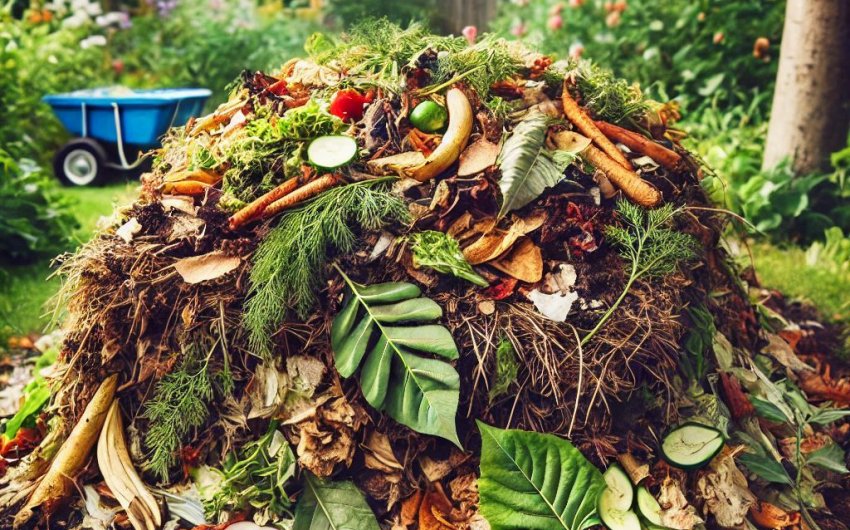
Creating nutrient-rich soil for your garden doesn't always require intense effort or complicated methods. Many envision composting as a hot, steamy process, involving frequent turning and precise measurements. While hot composting certainly has its merits for rapid decomposition, there's an equally effective, albeit slower, alternative that's perfect for those seeking a more hands-off approach: cold composting. This gentle method allows nature to take its course, gradually transforming organic waste into valuable soil amendment with minimal intervention from you.
Imagine simply collecting your kitchen scraps and yard waste, tossing them into a designated bin, and letting time and the elements do the heavy lifting. That's the essence of cold composting. It's an excellent entry point for beginners, a forgiving system for busy individuals, and a sustainable way to manage household organic waste without the fuss. This less labor-intensive technique still yields fantastic results, providing your plants with the vital nutrients they crave. Let's delve into the world of cold composting, understanding its principles, benefits, and how you can successfully implement it in your own backyard.
What is Cold Composting and How is it Different?
Cold composting, also known as passive composting or no-turn composting, is a method of breaking down organic materials into nutrient-rich compost without generating high internal temperatures. Unlike hot composting, which relies on a specific balance of carbon, nitrogen, moisture, and aeration to encourage thermophilic (heat-loving) bacteria, cold composting allows decomposition to happen at a slower pace, relying on a broader range of microorganisms.
What are the Core Principles of Cold Composting?
The core principles of cold composting are simplicity and patience. Instead of actively managing the pile for heat, you simply collect and pile your organic waste materials over time. The main idea is to let nature slowly do its work. This means less effort from you. You don't need to turn the pile often, if at all, and you don't need to worry about specific temperature ranges.
Materials break down at ambient (surrounding) temperatures, which can vary depending on the weather. Microorganisms like bacteria, fungi, and worms work at their own pace to convert the waste into humus – the dark, nutrient-rich final product. This hands-off approach makes cold composting a very forgiving method for beginners or those with limited time.
How Does Cold Composting Differ from Hot Composting?
The main difference between cold composting and hot composting lies in temperature and management effort. Hot composting aims for internal temperatures between (130^\circ\text{F}) and (160^\circ\text{F}) ((54^\circ\text{C}) to (71^\circ\text{C})). These high temperatures are created by a specific balance of "greens" (nitrogen), "browns" (carbon), moisture, and oxygen, allowing thermophilic bacteria to rapidly decompose materials. This process often takes weeks to a few months.
Cold composting, on the other hand, operates at much lower temperatures, typically at or just above ambient air temperature. It doesn't require precise layering, frequent turning, or careful monitoring. Because of the lower temperatures and less active management, the decomposition process is significantly slower. While hot compost can be ready in a few weeks, cold compost can take anywhere from six months to two years to fully mature. This trade-off of time for effort is the defining characteristic.
What are the Key Benefits of Cold Composting for Beginners?
Cold composting offers several key benefits that make it ideal for beginners and busy individuals:
- Low Effort: This is its biggest advantage. There's no need for constant turning, monitoring temperatures, or precise layering. You simply add materials as they become available. This makes it a great choice for those who are new to composting or have limited time.
- Flexibility: You can add materials intermittently, whenever you have them. There's no need to wait until you have a large batch of materials to start a pile. This is perfect for collecting daily kitchen scraps.
- Simplicity: The process is straightforward. No complex ratios or equipment are needed. A simple pile or bin is often all that's required.
- Cost-Effective: You don't need specialized compost thermometers or high-tech tumblers. Many cold composting setups can be made from recycled materials, like a simple compost bin kit or even just a designated spot in your yard.
- Pest Deterrence (relative): While no compost method is completely critter-proof, cold composting, especially when food scraps are buried deeper or added to a contained bin, can be less attractive to pests than an open, active hot pile.
These benefits highlight why cold composting is often the recommended starting point for anyone looking to divert organic waste from landfills and enrich their garden soil.
What Materials Can Go Into a Cold Compost Pile?
One of the beauties of cold composting is its flexibility regarding accepted materials. While it's generally best to avoid certain items, the slower decomposition means a wider variety of organic matter can eventually break down. Understanding the difference between "greens" and "browns" will help, but strict ratios are less critical here.
What are "Greens" (Nitrogen-Rich Materials) for Cold Composting?
"Greens" are materials rich in nitrogen. They are generally moist and break down quickly. In cold composting, while you don't need a strict carbon-to-nitrogen ratio like in hot composting, having a good mix helps decomposition. Nitrogen provides the protein for the microorganisms doing the work.
Examples of common "greens" suitable for cold composting include:
- Fruit and vegetable scraps: Peels, cores, leftover bits from cooking. Avoid excessively oily or fatty foods.
- Coffee grounds and tea bags: These are excellent nitrogen sources. A kitchen compost bin for counter helps collect these daily.
- Grass clippings: Freshly cut grass is very high in nitrogen. Add in thin layers to avoid a matted, smelly mess.
- Garden trimmings: Non-woody plant trimmings, spent flowers, and weeds (especially those that haven't gone to seed).
- Manure: From herbivores like chickens, rabbits, or horses (ensure it's from animals not treated with persistent herbicides).
Remember, a little goes a long way with greens as they tend to be dense and can create anaerobic conditions if piled too thickly without enough browns.
What are "Browns" (Carbon-Rich Materials) for Cold Composting?
"Browns" are materials rich in carbon. They are typically dry, woody, or fibrous and break down more slowly than greens. Carbon provides the energy source for microorganisms and helps create the bulk and structure of the compost pile, ensuring good airflow.
Examples of common "browns" suitable for cold composting include:
- Dry leaves: An abundant and excellent source of carbon in the fall. A leaf shredder can help speed up their breakdown.
- Shredded cardboard and paper: Non-glossy, non-colored cardboard (like cereal boxes, paper towel rolls) and plain newspaper are great. Tear them into small pieces.
- Wood chips and sawdust: These break down very slowly in cold composting but add structure. Use in moderation.
- Straw and hay: Excellent for bulk and aeration.
- Pine needles: Can be used, but break down slowly and can slightly acidify the compost over time.
Having a larger supply of browns is always a good idea, as they help balance the moisture from greens and prevent odors.
What Materials Should You Avoid in Cold Composting?
While cold composting is forgiving, there are still some materials you should avoid to prevent problems:
- Meat, bones, and dairy products: These attract pests (rodents, raccoons), can produce foul odors, and can harbor harmful pathogens that cold composting temperatures won't kill.
- Oils and greasy foods: Attract pests and can create anaerobic (no-oxygen) conditions that slow decomposition and cause smells.
- Diseased plants: Cold composting temperatures are not high enough to kill plant pathogens, so you risk spreading diseases back to your garden.
- Weeds with seeds: Unless you are sure your pile will get hot (which is not the goal of cold composting), weed seeds will likely survive and sprout in your garden when you use the compost.
- Pet waste (dog/cat): Contains pathogens that are harmful to humans and are not reliably killed by cold composting temperatures. Use only herbivore manure.
- Chemically treated wood or plants: Avoid anything that has been treated with pesticides, herbicides, or other chemicals, as these can contaminate your compost and soil.
- Plastic, metal, glass: These inorganic materials will not break down.
- Persistent weeds: Weeds like bindweed or Bermuda grass can sometimes survive and even thrive in a cold compost pile, spreading to your garden later.
Sticking to a common-sense list of acceptable materials ensures a safe and productive compost pile.
How to Set Up a Cold Compost Pile or Bin?
Setting up a cold compost pile or bin is straightforward, reflecting the minimal effort required for this method. You have several options, from a simple heap to a more structured container, each offering different levels of tidiness and pest deterrence.
What is the Simplest Method: The Open Pile?
The simplest method for cold composting is creating an open pile or heap. This requires no special equipment or containers. You simply choose a suitable spot in your yard and start layering your organic waste materials. It's the most natural approach, allowing earthworms and other decomposers to freely access the pile from the surrounding soil.
Choose a spot that is well-drained, easily accessible, and somewhat shaded to prevent it from drying out too quickly. Begin by laying down a base of coarse brown materials like twigs or straw for good airflow. Then, continuously add your "greens" and "browns" as they become available. There's no need for perfect layers; just mix them somewhat as you add them. This method is excellent for large volumes of yard waste. However, an open pile can look messy and may be more attractive to pests if not managed well.
How Can a Simple Bin Improve Cold Composting?
Using a simple compost bin for cold composting offers several advantages over an open pile. A bin provides containment, keeping your composting area neater and more organized. This tidiness can be especially appealing in smaller yards or where aesthetics are a concern. Bins also help to retain moisture and heat somewhat (though not to hot composting levels), which can encourage slightly faster decomposition.
Bins also offer a degree of pest deterrence, especially if they are fully enclosed. They can be made from various materials like repurposed wooden pallets, wire mesh, or purchased plastic compost bins. Look for bins that have good ventilation (holes or gaps) to allow for adequate airflow, which is still important even in cold composting to prevent anaerobic conditions and odors. A simple bin is a great way to elevate your cold composting game.
What are Good Locations for Your Cold Compost?
Choosing a good location for your cold compost pile or bin is important for both the success of your compost and the convenience of your household. Here are key considerations:
- Accessibility: Place your compost bin or pile close enough to your kitchen for easy addition of food scraps and near your garden for easy use of the finished compost. However, don't put it so close that odors (if any) or aesthetics become an issue.
- Drainage: The spot should be well-drained to prevent the compost from becoming waterlogged, which leads to smelly, anaerobic conditions. Avoid low-lying areas that collect standing water.
- Shade/Sun Balance: A location that gets partial shade is often ideal. Full sun can dry out the pile too quickly, requiring more frequent watering. Full shade can keep it too cool and slow down decomposition.
- Airflow: Ensure there's enough open space around the pile or bin for air to circulate freely.
- Distance from Structures: Keep the compost away from house foundations, wooden fences, or other structures, as constant moisture can cause damage over time.
- Pest Considerations: While cold composting is less prone to extreme odors than poorly managed hot piles, consider its proximity to outdoor eating areas or neighbor's homes.
Finding the right spot helps the composting process flow smoothly and avoids potential problems.
How to Maintain a Cold Compost Pile?
The beauty of cold composting is its minimal maintenance. However, a few simple practices can help your pile decompose more efficiently and produce better quality compost over time. These small efforts will ensure your patience is rewarded with fantastic results.
How Important is Layering in Cold Composting?
While layering isn't as critical in cold composting as it is for achieving rapid heat in hot composting, it's still a beneficial practice. The idea is to create a diverse mix of "greens" and "browns" throughout the pile. Instead of aiming for precise ratios, simply try to add a roughly equal volume of both types of materials over time.
For example, after adding a batch of kitchen scraps (greens), cover them with a layer of dry leaves or shredded cardboard (browns). This helps to prevent odors, deter pests, and ensure a better balance of carbon and nitrogen for the decomposers. When you add new materials, push them down a bit to ensure they are in contact with existing compost, which contains the necessary microorganisms. An indoor compost pail can help you collect kitchen scraps throughout the day.
Do You Need to Turn a Cold Compost Pile?
One of the defining characteristics of cold composting is that you don't strictly need to turn the pile. This is why it's also called "no-turn composting." The slower decomposition allows for passive aeration through the gaps in the materials and from the activity of worms and other soil creatures.
However, giving your cold compost pile an occasional turn or mixing can certainly speed up the process and produce a more uniform finished product. If you have the energy, turning it a few times a year with a pitchfork can help introduce more oxygen, distribute moisture, and mix materials more thoroughly. If you choose not to turn, simply adding new materials on top and letting them slowly break down will still yield compost, just over a longer period. A garden pitchfork is a versatile tool for this task.
How to Maintain Moisture Levels in Cold Compost?
Maintaining the right moisture level is important for cold composting, even if it's less critical than in hot composting. Your compost pile should feel like a damp sponge that has been wrung out – moist but not soggy. Too dry, and decomposition will slow to a crawl. Too wet, and the pile can become anaerobic, leading to foul odors and slimy materials.
When you add new, dry "brown" materials (like dry leaves or shredded paper), it's a good idea to lightly water them. If you're adding mostly wet "greens," you might need to add more dry "browns" to balance the moisture. During dry spells, give your pile a good watering with a hose. During very wet periods, consider covering the pile with a tarp to prevent it from becoming waterlogged. A garden hose with adjustable nozzle makes watering easy.
Should You Add a Compost Activator for Cold Composting?
For cold composting, compost activators are generally not necessary. The beauty of this method is its reliance on the natural, slower decomposition process, which will happen eventually without any additives. The microorganisms needed for decomposition are already present in the organic materials you add (like soil, leaves, and food scraps).
However, if you want to give your pile a small boost to potentially speed up decomposition, you can add a layer of finished compost from a previous batch, some garden soil, or a handful of chicken manure. These introduce more beneficial microorganisms to the pile. But truly, patience is the best "activator" for cold composting. Focus more on a good mix of greens and browns and proper moisture.
What Are the Common Problems and Solutions in Cold Composting?
Even with the simplicity of cold composting, you might encounter a few common issues. Understanding these problems and their easy solutions will help you keep your pile healthy and working effectively.
Why Does My Cold Compost Smell Bad?
A bad smell from your cold compost pile is almost always a sign of anaerobic conditions, meaning there's not enough oxygen getting to the microorganisms. This often happens when the pile is too wet or has too many "greens" (nitrogen-rich materials) without enough "browns" (carbon-rich materials). When oxygen is scarce, different types of bacteria take over, producing foul-smelling gases like ammonia or sulfur compounds.
Solution:
- Add more "browns": Mix in plenty of dry leaves, shredded cardboard, newspaper, or straw. These materials absorb excess moisture and create air pockets.
- Aerate the pile: If possible, use a pitchfork or a compost aerator tool to gently turn or poke holes into the pile. This introduces oxygen. A compost aerator can be very helpful.
- Reduce moisture: If the pile is visibly wet, stop watering and consider covering it temporarily during rainy periods to prevent further saturation.
- Improve drainage: Ensure your bin or pile location allows for good drainage underneath.
Addressing these issues will quickly get your compost pile back on track and smelling earthy.
Why is My Cold Compost Not Breaking Down?
If your cold compost pile is not breaking down (or breaking down very slowly), it's usually due to a lack of either moisture or nitrogen, or simply insufficient time. Remember, cold composting is a slow process by nature, so patience is key.
Solutions:
- Check moisture: The pile should be consistently moist, like a wrung-out sponge. If it's dry, give it a good watering.
- Add more "greens": If you have too many "browns" (woody materials, dry leaves), the nitrogen needed by the decomposers might be in short supply. Add fresh grass clippings, kitchen scraps, or coffee grounds.
- Increase surface area: Larger pieces of material break down more slowly. If you're adding whole fruit peels or large branches, try chopping or shredding them into smaller pieces. A garden shredder can speed things up.
- Turn if possible: While not essential, an occasional turn can mix materials, reintroduce oxygen, and sometimes kickstart a stalled pile.
- Be patient: If all other conditions are good, it might just need more time. Cold composting can take up to two years for finished compost.
Consistent moisture and a balanced mix of materials are the most important factors for steady decomposition in a cold pile.
How Can I Deal with Pests in My Cold Compost?
Dealing with pests in your cold compost pile is a common concern. While cold composting generally produces fewer odors than poorly managed hot piles, some pests can still be attracted, especially by food scraps. Common pests include rodents (mice, rats), raccoons, flies, and ants.
Solutions:
- Avoid problematic materials: The most effective way to prevent pests is to never add meat, bones, dairy products, or oily/greasy foods to your compost. These are highly attractive to rodents and other animals.
- Bury food scraps: When adding kitchen scraps, try to bury them in the center of the pile, underneath a layer of "brown" materials like leaves or shredded cardboard. This helps contain odors and makes them less accessible.
- Use an enclosed bin: A fully enclosed compost bin made of plastic or sturdy wire mesh (with small holes that rodents can't squeeze through) offers better protection than an open pile. A rodent-proof compost bin is a good investment if pests are a major concern.
- Keep the area tidy: Don't let food scraps accumulate around the outside of your bin.
- Manage moisture: Excessively wet or smelly piles are more attractive to flies and other insects. Ensure good airflow and proper moisture.
By following these guidelines, you can significantly reduce the chances of unwanted visitors to your compost pile.
When Is Cold Compost Ready to Use?
One of the most satisfying parts of composting is harvesting your "black gold." Knowing when your cold compost is ready to use in your garden is crucial. Unlike hot composting with its quick turnaround, cold composting takes patience, but the final product is just as beneficial.
What are the Visual and Olfactory Signs of Finished Compost?
Recognizing finished compost involves a combination of visual and olfactory (smell) signs. You'll know your cold compost is ready when:
- Color: It should be a uniform, dark brown or black color, resembling rich soil.
- Texture: The compost should be crumbly and loose, not chunky or clumpy. You should no longer be able to identify the original materials you put in, except for possibly some larger, slow-to-decompose items like wood chips or thick stems. These can be removed and put back into the next compost batch.
- Smell: It should have a pleasant, earthy smell, like forest soil after rain. There should be no foul or sour odors, no ammonia, and no rotten smells.
- Temperature: The pile should be at ambient temperature, not warm at all. This indicates that the intense decomposition process has slowed down or completed.
- Worms: You might still see earthworms and other beneficial insects, but the high activity of microorganisms that caused decomposition will have slowed significantly.
If your compost doesn't meet all these criteria, it needs more time to cure.
How Long Does Cold Composting Take to Finish?
The duration for cold composting to finish can vary significantly depending on several factors, but it generally takes much longer than hot composting. You can expect your cold compost to be ready in anywhere from six months to two years.
Factors influencing the time frame include:
- Size of materials: Smaller pieces break down faster.
- Mix of materials: A good balance of "greens" and "browns" leads to faster decomposition.
- Moisture levels: Consistent, optimal moisture speeds up the process.
- Climate: Warmer climates allow for year-round decomposition, while cold winters will slow or halt the process.
- Aeration (optional turning): Even occasional turning can speed up decomposition.
While it requires patience, the minimal effort involved makes the wait worthwhile for many gardeners.
How to Use Finished Cold Compost in Your Garden?
Once your finished cold compost is ready, it's a valuable asset for your garden. It's often referred to as "black gold" because of its immense benefits.
You can use finished compost in many ways:
- Soil Amendment: Mix it into your garden beds before planting. It improves soil structure, drainage, and aeration in heavy clay soils, and increases water retention in sandy soils.
- Top Dressing: Spread a thin layer (1/2 to 1 inch) of compost over existing garden beds, around trees and shrubs, or on your lawn. This slowly releases nutrients and feeds the soil. A garden spreader can help distribute it evenly on lawns.
- Potting Mix: Combine it with sterile potting mix, perlite, or vermiculite to create your own nutrient-rich soil for container plants and seed starting.
- New Plantings: Add a few shovelfuls of compost to the bottom of planting holes when transplanting seedlings or planting new trees and shrubs.
- Compost Tea: Steep finished compost in water for a day or two to create a "compost tea," which can be used as a liquid fertilizer for your plants.
Finished compost adds organic matter, improves soil health, and provides essential nutrients to your plants, leading to healthier, more vigorous growth.