
Hydration Help: Tips to Alleviate Water Stress in Plants
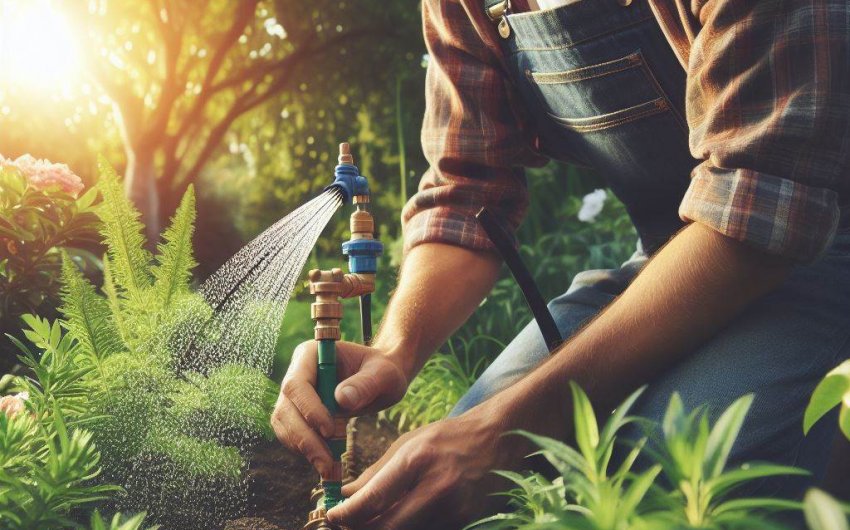
Providing hydration help and effectively alleviating water stress in plants are fundamental to maintaining a healthy, thriving garden, especially during periods of drought or intense heat. By understanding the signs of stress, implementing proactive watering strategies, and fostering resilient soil, you can rescue struggling plants and ensure their long-term vigor. This guide offers essential tips to alleviate water stress in plants, empowering you to cultivate a garden that weathers dry conditions with resilience.
Why Is Water So Vital for Plant Health?
Water is the very essence of plant life, playing an indispensable role in nearly every physiological process that sustains growth, development, and overall health. Without adequate hydration, plants quickly succumb to water stress, highlighting the crucial need for effective hydration help. Understanding its multifaceted functions is key to alleviating water stress in plants.
What Are the Key Functions of Water in Plants?
Water is more than just a drink for plants; it's a fundamental building block and a vital medium for numerous life-sustaining processes. It's the ultimate hydration help.
- Photosynthesis (Food Production):
- Function: Water is a critical raw material, along with carbon dioxide and sunlight, for photosynthesis, the process by which plants create their own food (sugars/glucose).
- Impact: Without water, photosynthesis grinds to a halt, and the plant cannot produce the energy it needs to grow or survive.
- Nutrient Transport:
- Function: Water acts as the universal solvent and transport medium. It dissolves nutrients in the soil, allowing the roots to absorb them. Once absorbed, water carries these dissolved nutrients throughout the plant to all cells, where they are used for growth and development.
- Impact: Water deficiency means nutrient deficiency, even if nutrients are abundant in the soil.
- Maintaining Turgor Pressure (Structural Support):
- Function: Water fills the plant cells, creating internal pressure (turgor pressure) that makes cells firm and rigid. This pressure pushes against the cell walls, providing structural support to leaves and stems, keeping them upright and firm.
- Impact: When water is scarce, turgor pressure drops, cells lose firmness, and the plant wilts, appearing limp and droopy.
- Transpiration (Cooling and Nutrient Movement):
- Function: Water evaporates from small pores (stomata) on the leaves in a process called transpiration. This creates a "pull" (transpirational pull) that draws water and nutrients up from the roots, similar to sipping through a straw. It also has a cooling effect on the plant.
- Impact: Transpiration regulates plant temperature and facilitates the continuous flow of water and nutrients. Water stress disrupts this, leading to overheating and nutrient starvation.
- Cell Elongation and Growth:
- Function: Water uptake is essential for cells to expand and elongate, which is fundamental to plant growth and development.
- Impact: Water deficiency directly leads to stunted growth.
- Chemical Reactions:
- Function: Water is involved in countless biochemical reactions within the plant, serving as a medium for reactants and products.
- Impact: Supports efficient metabolism and overall physiological function.
By understanding these multifaceted roles, gardeners gain invaluable insight into why water is so vital. This knowledge is crucial for providing effective hydration help and expertly alleviating water stress in plants, ensuring they remain vibrant and productive.
What Are the Visible Signs of Water Stress in Plants?
Recognizing the visible signs of water stress in plants is the crucial first step in providing timely hydration help and preventing irreversible damage. Plants are remarkably communicative, and learning to read their signals is a fundamental skill for any gardener. These symptoms often appear progressively, highlighting the urgent need to alleviate water stress in plants.
What Are the Key Indicators of Underwatering (Drought Stress)?
These are the most common and easily identifiable signs that your plant is severely thirsty and needs immediate hydration help.
- Wilting:
- Appearance: Leaves and stems become limp, droopy, and may hang downwards, losing their rigidity. The entire plant often looks "sad" or "tired."
- Explanation: This is due to a loss of turgor pressure (internal water pressure that keeps cells firm). When cells lose water, they become flaccid.
- Early Sign: Often the first and most obvious indicator.
- Dry, Crispy Leaves (Tips or Entire Leaf):
- Appearance: Leaf tips or edges turn brown and become brittle. In severe cases, entire leaves may dry out, curl, and become crispy, often starting from the bottom of the plant.
- Explanation: Cells at the extremities or in older leaves are the first to lose water and die due to prolonged dehydration.
- Yellowing Leaves (Starting from Bottom):
- Appearance: Older, lower leaves turn yellow before eventually browning and dropping.
- Explanation: The plant is redirecting precious water and nutrients from older, less efficient leaves to younger, more vital growth in a desperate attempt to survive.
- Slowed or Stunted Growth:
- Appearance: Plant growth visibly slows down or stops. New leaves are smaller than usual.
- Explanation: Lack of water limits cell expansion and photosynthesis, hindering all growth processes.
- Soil Pulling Away from Pot Edges (for container plants):
- Appearance: In potted plants, the soil visibly shrinks, creating a gap between the soil and the inside edge of the pot.
- Explanation: The soil medium has completely dried out and contracted.
- Bud or Flower Drop:
- Appearance: Flower buds or newly formed flowers may abort and drop off prematurely.
- Explanation: The plant is too stressed to support reproduction and prioritizes survival over flowering/fruiting.
- Fruit Drop or Poor Fruit Set:
- Appearance: Developing fruits may drop prematurely, or plants may fail to set fruit entirely.
- Explanation: The plant lacks the resources to support fruit development.
What Are Signs of Overwatering (Which Also Causes Water Stress)?
While seemingly contradictory, overwatering also causes water stress because roots suffocate without oxygen, leading to similar symptoms. This highlights the complexity of hydration help.
- Yellowing Leaves (Often Overall or Specific Patterns): Similar to underwatering, but often starts more generally or on younger leaves as roots rot.
- Wilting Despite Moist Soil: The most confusing symptom. Roots are rotting and can't absorb any water, even if it's abundant.
- Mushy Stems or Base: The stem or root crown feels soft and mushy, often accompanied by a foul odor from the soil.
- Fungus Gnats: Small, mosquito-like flies buzzing around the soil are a strong indicator of overly wet soil.
By carefully observing these visible cues, gardeners can effectively diagnose water stress, distinguish between underwatering and overwatering, and provide the appropriate hydration help to alleviate water stress in plants, ensuring their continued health and vibrancy.
What Are Immediate Steps to Rescue Under-Watered Plants?
When you spot the clear signs of an under-watered plant, swift and decisive action can often bring it back from the brink, providing crucial hydration help. The goal is to rehydrate the roots thoroughly and gently, without causing further shock. These immediate steps are essential for alleviating water stress in plants.
What Is the "Soak and Drain" Method for Potted Plants?
This method is highly effective for thoroughly rehydrating parched soil in containers, ensuring all roots get the moisture they need. It's the ultimate trick for providing hydration help.
- Assess Soil Dryness: Confirm the plant is indeed underwatered by feeling the soil. If it's bone dry several inches down, proceed.
- Prepare a Basin: Find a larger basin, tub, or sink that can hold a few inches of water.
- Place Pot in Basin: Gently place the entire potted plant into the basin.
- Fill Basin with Water: Fill the basin with room-temperature water to about 1/4 to 1/2 the height of the plant pot.
- Soak (Bottom-Up Watering): Allow the pot to soak for 30 minutes to an hour, or until the top of the soil appears visibly damp. This "bottom-up" watering allows the soil to slowly absorb water through the drainage holes, rehydrating evenly without washing away soil or shocking roots. You'll see air bubbles rising as the soil absorbs water.
- Drain Thoroughly: Once rehydrated, lift the pot from the basin and allow it to drain completely for several minutes. Ensure no standing water remains in the saucer.
- Monitor:
- Patience: Don't expect an instant recovery. Many plants will start to perk up within a few hours, but full recovery can take 24-48 hours.
- Observe: Watch for renewed turgor (firmness) in leaves and stems.
- Future Watering: Once revived, revert to your regular watering strategy (checking soil moisture before watering) to prevent future underwatering.
What Is the "Slow Drip" Method for Garden Beds?
For garden beds that are parched, a slow, deep watering method is more effective than a quick sprinkle, promoting deep root absorption. This is critical for alleviating water stress in plants outdoors.
- Prepare for Slow Delivery:
- For a garden hose, set the nozzle to a very low, slow trickle.
- For a watering can, use one with a narrow spout.
- Target the Root Zone:
- Position the hose or watering can directly at the base of the plant, aiming for the soil, not the leaves.
- Water Slowly and Deeply:
- Allow the water to slowly soak into the soil for an extended period (e.g., 30 minutes to an hour or more, depending on soil type and plant size). The goal is to saturate the root zone without creating runoff.
- Move the hose to different plants or areas as needed.
- Initial Runoff: If the soil is extremely dry and compacted, it may initially repel water. Allow a small amount to soak in, wait 10-15 minutes, then resume watering.
- Monitor Depth:
- After watering, check how deep the moisture has penetrated using a trowel or by digging a small test hole. Aim for 6-12 inches (15-30 cm) of moisture for most vegetables.
What Are General Revival Tips?
- Avoid Fertilizing: Do not fertilize a stressed plant; it needs water first, not food. Wait until it shows signs of recovery.
- Provide Shade: If the plant is severely wilted and in intense sun, consider moving it to a shaded spot (if potted) or providing temporary shade (e.g., an umbrella) to reduce further water loss through transpiration.
- Remove Damaged Parts: Once the plant has recovered, prune off any crispy, fully browned, or dead leaves with sharp plant snips to redirect energy to healthy growth.
By taking these immediate and targeted actions, you provide crucial hydration help, giving your under-watered plants the best chance to recover and continue thriving.
How Do You Distinguish Between Underwatering and Overwatering Symptoms?
Distinguishing between underwatering and overwatering symptoms is one of the trickiest yet most critical skills in providing effective hydration help, as both conditions can lead to similar-looking signs of distress in plants. Misdiagnosis can lead to applying the wrong solution and causing further harm. Learning these subtle differences is key to accurately alleviating water stress in plants.
What Are the Confusing Similarities?
Both conditions can manifest with overlapping symptoms, making diagnosis challenging for beginners in indoor plant care. These similarities often lead to confusion when assessing water stress in plants.
- Yellowing Leaves: Both underwatered and overwatered plants can display yellowing leaves.
- Wilting/Drooping: Both can cause leaves to become limp and droopy.
What Are the Key Differences and Diagnostic Clues?
To accurately alleviate water stress in plants, focus on these critical distinctions in appearance, progression, and soil condition. These are essential tricks for effective hydration help.
| Symptom | Underwatering (Drought Stress) | Overwatering (Root Suffocation/Rot) |
|---|---|---|
| Soil Condition (Most Important!) | Bone dry, hard, pulling away from pot edges. Pot feels very light. | Soggy, wet, often doesn't dry out. Pot feels heavy. May smell foul/mildewy. |
| Leaves: General Color | Yellowing often starts on older (lower) leaves first, then progresses. Overall dull, faded green. | Yellowing can be more general, or affect new leaves, or turn very pale. Often dark green at first. |
| Leaves: Texture | Crispy, brittle, crunchy. Leaves may curl inward. | Soft, mushy, limp. Leaves may turn brown and soft/squishy. |
| Leaves: Edges/Tips | Brown and crispy leaf tips/edges, dry to the touch. | Brown or black, soft or mushy patches, not crispy. |
| Wilting Response | Leaves droop, but often perk up within a few hours of thorough watering. | Leaves droop, but soil is wet. Plant does NOT perk up after more water. This is because roots are suffocating/rotting. |
| Growth | Slowed or stunted growth. New leaves are small. | Stunted growth. New leaves may be discolored or distorted. |
| Stem/Base | Often shriveled or weak, but not mushy. | Stem base can be soft, mushy, or discolored (black/brown) near the soil line. |
| Root Health | Roots are dry, brittle, possibly shriveled. | Roots are brown, mushy, slimy, and smell foul. Healthy roots are white/cream and firm. |
| Pests | Can attract spider mites (thrive in dry conditions). | Can attract fungus gnats (thrive in constantly wet soil). |
What Are the Diagnostic Steps?
- Check the Soil (Always First!): This is the ultimate clue. Stick your finger deep into the soil (2-3 inches for most plants).
- Bone Dry? -> Likely underwatering.
- Soggy Wet? -> Likely overwatering.
- Observe Symptom Progression:
- Older Leaves First? -> More likely underwatering or nitrogen deficiency.
- Overall/New Leaves First, or Mushy Parts? -> More likely overwatering/root rot.
- Feel the Leaves: Crispy/brittle vs. soft/mushy.
- Check Drainage: Does your pot have drainage holes? Is it clogged?
- Use a Moisture Meter: A soil moisture meter provides objective data to help distinguish.
By diligently practicing these diagnostic steps, you can confidently distinguish between underwatering and overwatering, enabling you to provide the precise hydration help needed to alleviate water stress in plants and ensure their optimal health.
How Can You Prevent Water Stress for Long-Term Plant Health?
Preventing water stress before it even begins is the most effective strategy for long-term plant health and vigor, minimizing the need for reactive hydration help. By implementing proactive watering strategies and fostering resilient soil, you can cultivate a garden that thrives consistently, even through challenging conditions. This long-term approach to alleviating water stress in plants is the hallmark of skilled gardening.
What Are the Best Proactive Watering Strategies?
These strategies focus on intelligent water delivery and maintaining ideal soil conditions, ensuring your plants receive consistent, appropriate moisture. They are key tips to alleviate water stress in plants.
- Water Deeply and Infrequently:
- Why it works: Encourages plants to develop a deep, extensive root system, making them more resilient to dry spells. Shallow roots are less efficient.
- Practice: When you water, ensure it penetrates at least 6-12 inches (15-30 cm) into the soil. Allow the top few inches of soil to dry out between waterings.
- Water in the Morning:
- Why it works: Watering early in the day allows the soil to absorb moisture before the sun gets too hot, and any accidental moisture on foliage has time to evaporate.
- Practice: Always water in the morning. Avoid watering in the evening, which leaves foliage wet overnight, creating ideal conditions for fungal diseases.
- Water at the Base of the Plant:
- Why it works: Delivers water directly to the root zone, minimizing waste and keeping foliage dry.
- Practice: Use a soaker hose, drip irrigation, or carefully aim your watering can/hose nozzle at the soil level around the plant. A garden soaker hose is highly effective.
- Monitor Soil Moisture Religiously:
- Why it works: Prevents guesswork. Plants' needs change with weather, growth stage, and soil type.
- Practice: Use the "finger test" (2-3 inches deep) or a soil moisture meter for gardens to check soil moisture before watering.
- Group Plants with Similar Water Needs:
- Why it works: Simplifies your watering routine, preventing overwatering of drought-tolerant plants or underwatering of thirsty ones.
- Practice: Create zones in your garden or group pots with similar watering requirements.
- Consider Rainwater Harvesting:
- Why it works: Provides a free, natural source of water, often preferred by plants as it lacks chlorine.
- Practice: Install a rain barrel to collect rainwater.
What Are the Best Soil Management Practices?
Healthy, resilient soil is your best defense against water stress, making it an essential part of effective hydration help. These practices create a living, breathing medium that perfectly manages moisture.
- Incorporate Abundant Organic Matter:
- Why it works: This is the most crucial step. Compost, aged manure, and leaf mold dramatically improve soil structure.
- In sandy soils, organic matter acts like a sponge, increasing water retention.
- In clay soils, it breaks up compaction, improving drainage and aeration.
- Practice: Work 2-4 inches of compost into beds annually.
- Why it works: This is the most crucial step. Compost, aged manure, and leaf mold dramatically improve soil structure.
- Mulch Heavily:
- Why it works: A 2-4 inch layer of organic mulch (straw, shredded leaves, wood chips) around plants acts as a protective blanket.
- Practice: Mulch significantly reduces water evaporation from the soil, keeping it moist for longer, suppressing weeds (which compete for water), and moderating soil temperature. A garden mulch is a drought-fighting hero.
- Avoid Soil Compaction:
- Why it works: Compacted soil prevents water from penetrating and suffocates roots.
- Practice: Avoid walking in garden beds. Use permanent pathways. Implement no-dig or minimum-till gardening.
- Proper Drainage:
- Why it works: Ensures excess water flows away, preventing waterlogging and root rot.
- Practice: Amend heavy clay soils with organic matter and grit. Ensure all pots have drainage holes.
By diligently implementing these proactive watering and soil management strategies, you effectively prevent water stress, provide continuous hydration help, and foster robust, resilient plants. This comprehensive approach ensures your garden not only survives but flourishes, alleviating water stress in plants and leading to a consistent, bountiful harvest year after year.