
Maximizing Sunlight: Optimizing Exposure for Plant Health
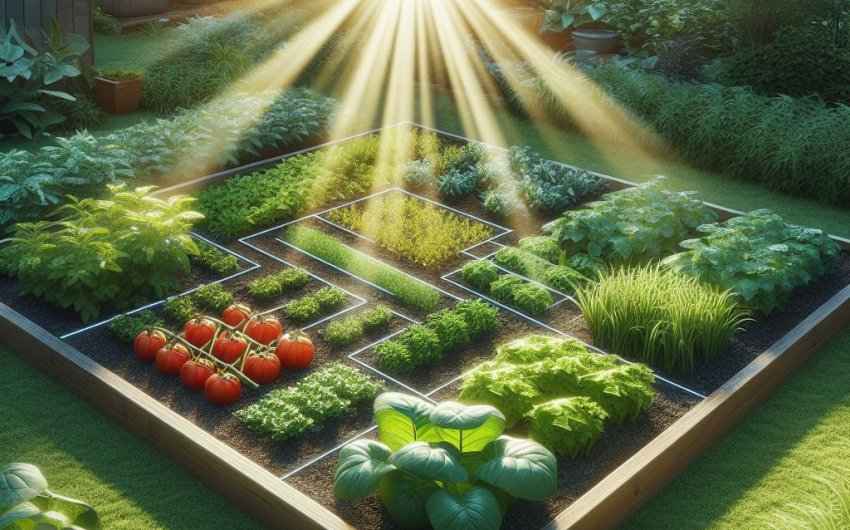
Maximizing sunlight and optimizing exposure for plant health are fundamental to cultivating a thriving garden, whether indoors or out, as light is the ultimate energy source for all plant life. By understanding how plants utilize light and strategically managing their access to it, you can dramatically improve growth, flowering, and overall vigor. This guide will equip you with essential tips and tricks to perfectly illuminate your plants, unlocking their full potential through optimal light exposure.
Why Is Sunlight So Critical for Plant Health?
Sunlight is, quite simply, the engine that drives all plant life, acting as the fundamental energy source for every growth process. Its critical role in plant health cannot be overstated; without adequate light, plants cannot perform the essential functions necessary for survival and vibrant growth. Understanding why sunlight is so crucial is the first step in maximizing sunlight and optimizing exposure for plant health.
What Are the Core Functions of Sunlight in Plants?
Light is far more than just a source of warmth; it's the very lifeblood that fuels photosynthesis and orchestrates plant development. It's truly essential for optimizing exposure for plant health.
- Photosynthesis (Food Production):
- Function: Sunlight is the energy source for photosynthesis, the magical process where plants convert carbon dioxide (CO₂) and water (H₂O) into glucose (sugars, their food) and oxygen (O₂). This occurs primarily in the chlorophyll-rich cells of their leaves.
- Impact: Without sufficient light, photosynthesis slows down or stops. The plant cannot make enough food, leading to starvation, stunted growth, and eventual death.
- Growth and Development (Photomorphogenesis):
- Function: Beyond just food, light signals numerous growth processes. Different wavelengths and durations of light (photoperiod) trigger various developmental stages, including:
- Stem Elongation: Adequate light prevents "legginess" (etiolation).
- Leaf Expansion: Promotes large, healthy leaves for more efficient photosynthesis.
- Branching: Encourages lateral branching for a bushier plant.
- Flowering and Fruiting: Specific light durations can trigger flower bud formation and fruit development.
- Impact: Correct light exposure leads to a robust, well-proportioned plant with abundant flowers and fruits.
- Function: Beyond just food, light signals numerous growth processes. Different wavelengths and durations of light (photoperiod) trigger various developmental stages, including:
- Chlorophyll Production:
- Function: Light is essential for the production and maintenance of chlorophyll, the green pigment that absorbs light energy.
- Impact: Insufficient light causes plants to produce less chlorophyll, leading to yellowing (chlorosis) or pale green leaves.
- Stomata Regulation:
- Function: Light helps regulate the opening and closing of stomata (tiny pores on leaves) through which CO₂ enters for photosynthesis and water vapor exits during transpiration.
- Impact: Influences nutrient uptake and the plant's ability to cool itself.
- Directional Growth (Phototropism):
- Function: Plants naturally grow towards a light source (phototropism) to maximize light capture.
- Impact: Demonstrates the plant's constant need for light and influences its shape.
By understanding these fundamental functions, gardeners gain invaluable insight into why sunlight is so critical. This knowledge is crucial for maximizing sunlight and expertly optimizing exposure for plant health, ensuring your green companions thrive and produce to their fullest potential.
How Do You Assess Your Garden's Sunlight Levels?
Accurately assessing your garden's sunlight levels is the crucial first step in maximizing sunlight and optimizing exposure for plant health, ensuring you match the right plants to the right spots. Relying on guesswork can lead to struggling plants. A systematic approach will provide the precise data you need to cultivate a thriving garden.
What Tools and Methods Help Measure Sunlight?
Various tools and techniques, from simple observation to technological aids, help you understand the light dynamics of your space. These are key tricks for optimizing exposure for plant health.
- Observe Throughout the Day and Season (Most Important!):
- Method: Spend a full day (or several days) observing your garden or indoor spaces. Note exactly where the sun hits and for how long. Take pictures at different times.
- Key Insight: Remember that sunlight patterns change significantly with the seasons. A spot that gets full sun in summer might be shaded in winter (due to the sun's lower angle) or vice versa.
- Duration: Map out areas that receive:
- Full Sun: 6-8+ hours of direct sunlight daily.
- Partial Sun/Partial Shade: 4-6 hours of direct sun, or sun during morning/late afternoon with shade during the hottest part of the day.
- Full Shade: Less than 4 hours of direct sun (often dappled light or bright indirect light).
- Deep Shade: Receives almost no light.
- Use a Sun Calculator App:
- Method: Many smartphone apps can estimate sun exposure for your location using your phone's compass and GPS.
- Benefits: Quick and convenient.
- Utilize a Plant Light Meter:
- Method: A dedicated plant light meter (either digital or analog) provides objective readings of light intensity (foot-candles or lux).
- Benefits: Highly accurate. Allows you to compare light levels in different spots and track changes. Essential for indoor growing.
- How-To: Take readings at different times of the day and average them.
- The "Hand Test" (for Indoor Brightness):
- Method: On a sunny day, place your hand about 6-12 inches (15-30 cm) above the plant's intended location.
- Bright, Direct: A sharp, distinct shadow.
- Bright, Indirect: A blurry, indistinct shadow.
- Medium Light: A very faint, barely perceptible shadow.
- Low Light: No discernible shadow.
- Consult a Shade Map:
- Method: For outdoor gardens, some landscape design tools or online resources can generate shade maps of your property based on topography and existing structures/trees.
- Benefits: Provides a long-term overview.
What Factors Influence Your Garden's Light?
Beyond just the sun's position, other elements in your environment play a significant role in determining how much light reaches your plants. These are important for maximizing sunlight.
- Buildings and Structures: Houses, fences, sheds, and adjacent buildings cast considerable shadows that shift throughout the day and year.
- Trees and Shrubs: Large deciduous trees provide shifting dappled shade in summer (good for understory plants) but allow more sun through in winter. Evergreens provide constant shade.
- Window Orientation (Indoors):
- South-facing: Most intense light, often direct sun.
- East-facing: Gentle morning sun (less intense heat).
- West-facing: Intense afternoon sun (can be hot).
- North-facing: Least intense light, usually indirect.
- Curtains, Blinds, Frosted Glass (Indoors): These reduce light intensity.
By diligently assessing these factors and employing these methods, you gain precise garden wisdom, allowing you to effectively maximize sunlight and perfectly optimize exposure for plant health, setting the stage for a thriving garden.
How Do You Match Plants to Specific Sunlight Requirements?
Matching plants to their specific sunlight requirements is a cornerstone of successful gardening, preventing common problems and ensuring your green companions thrive. It's about providing the exact amount of energy a plant needs to photosynthesize effectively, directly leading to better growth, more blooms, and overall vigor. This critical alignment is essential for maximizing sunlight and optimizing exposure for plant health.
What Are Common Sunlight Classifications for Plants?
Understanding these classifications is fundamental to making informed planting decisions, whether you're selecting seeds for your garden bed or choosing a new houseplant. These are key tips for optimizing exposure for plant health.
- Full Sun:
- Requirement: At least 6-8+ hours of direct, unfiltered sunlight per day.
- Characteristics of Plants: Typically have thick, sometimes waxy or light-colored leaves to cope with intensity. Often produce abundant flowers and fruit.
- Examples (Outdoor): Tomatoes, peppers, corn, squash, sunflowers, most herbs, roses, many perennials.
- Examples (Indoor): Cacti, most succulents, citrus trees, Bird of Paradise.
- Impact of Insufficient Sun: Leggy growth, poor flowering/fruiting, weak stems, pale leaves.
- Partial Sun / Partial Shade:
- Requirement: 4-6 hours of direct sunlight per day, or morning sun with afternoon shade, or dappled light all day. Afternoon shade is often preferred in hot climates to protect from scorching.
- Characteristics of Plants: Tolerate some direct light but prefer protection from intense afternoon sun.
- Examples (Outdoor): Many leafy greens (lettuce, spinach), carrots, beets, broccoli, some herbs (parsley, cilantro), some ferns, hydrangeas.
- Examples (Indoor): Peace Lily, Prayer Plant, many Philodendrons, Calatheas (if humidity is high).
- Impact of Insufficient Sun: Reduced vigor, fewer flowers.
- Impact of Too Much Sun: Leaf scorch, wilting, faded color.
- Full Shade:
- Requirement: Less than 4 hours of direct sunlight per day. Often receives bright, indirect light or dappled shade. It does NOT mean no light at all.
- Characteristics of Plants: Often have large, dark green leaves to maximize light absorption. Grow slowly.
- Examples (Outdoor): Hostas, ferns, impatiens, some astilbes.
- Examples (Indoor): ZZ Plant, Snake Plant, Cast Iron Plant, Pothos, Chinese Evergreen.
- Impact of Insufficient Light: (Even for shade plants) Slowed or no growth, pale leaves, etiolation (stretching).
- Impact of Too Much Sun: Leaf scorch, rapid fading.
What Are Practical Steps for Matching Plants to Light?
This diligent matching process is key to preventing plant stress and ensuring a thriving garden, embodying true garden wisdom for optimizing exposure for plant health.
- Assess Your Site Accurately: Use the methods outlined in the previous section (observation, light meter) to know exactly how much light each area of your garden or home receives.
- Read Plant Tags/Descriptions Carefully: Every plant tag or seed packet will specify its preferred light conditions. Pay close attention.
- Prioritize Light: When choosing a plant, its light requirement should be your number one consideration. Don't try to force a sun-lover into a dark corner, or a shade-lover into full sun; it will likely fail.
- Observe Your Plant's Response: Plants will tell you if they're happy with their light.
- Stretching, pale, sparse growth: Needs more light.
- Scorched, bleached, crispy leaves: Getting too much direct light.
- Vibrant color, compact growth, good flowering/fruiting: Happy with its light!
- Consider Supplemental Lighting (Indoors): For very dim indoor spots where you want to grow plants with higher light needs, consider a grow light for indoor plants to provide the necessary illumination.
- Move Container Plants: One of the great benefits of container gardening is mobility. Move potted plants to optimize their light exposure throughout the day or season.
By meticulously matching plants to their specific sunlight requirements, you effectively maximize sunlight absorption and optimize exposure for plant health, creating a thriving, productive, and beautiful garden that truly flourishes.
How Can You Optimize Outdoor Sunlight Exposure in Your Garden?
Optimizing outdoor sunlight exposure is a dynamic process that goes beyond simply knowing your garden's sunny spots; it involves strategic planning and sometimes physical modifications to maximize the light reaching your plants. This proactive approach ensures your entire garden benefits from the most crucial energy source, a key part of maximizing sunlight and overall plant health. It's essential garden wisdom for thriving outdoor plants.
What Are Strategic Design and Planning Tips?
Thoughtful layout and long-term planning make the most of your available sun, ensuring optimal light for your vegetables and flowers. These are essential tricks for optimizing exposure for plant health.
- Map Your Sun Patterns: As discussed, create a sun map of your garden for spring, summer, and fall. This will reveal prime locations for full-sun crops and areas suitable for partial shade.
- Orient Beds Correctly:
- Row Gardens: Orient rows in a north-south direction to ensure that taller plants shade the rows to their east and west for roughly equal parts of the day. This maximizes total sunlight exposure.
- Raised Beds: Can be placed strategically, often oriented east-west, with taller plants on the north side.
- "North to South" Planting Rule:
- Plant taller crops (e.g., corn, sunflowers, trellised tomatoes) on the north side of your garden beds.
- Progress to shorter crops towards the south. This prevents tall plants from shading out shorter, sun-loving plants.
- Vertical Gardening:
- Maximize Space: Use trellises, stakes, and cages for vining plants (tomatoes, cucumbers, pole beans). This gets foliage off the ground and up into the sun, especially important in small spaces. A garden trellis system utilizes vertical sun.
- Placement: Position vertical structures so they don't cast excessive shade on other sun-loving crops. Place them on the north side of beds.
- Utilize Reflective Surfaces:
- Light Boost: White-painted fences, light-colored walls, or even a strategically placed mirror (carefully, to avoid scorching) can reflect light back onto plants, increasing overall illumination, particularly in areas receiving less direct sun.
- Benefits: Can be especially helpful for lower leaves of plants or in slightly shaded corners.
- Pruning of Trees/Shrubs (with Caution):
- Increase Light: If nearby trees or shrubs are casting too much shade on your garden, consider selectively pruning their lower branches or thinning their canopies.
- Caution: Always prune trees safely and correctly, ideally in late winter for deciduous trees. If it's a large tree, consult an arborist. Do not remove more than 25% of a tree's canopy in a year.
- Container Gardening for Mobility:
- Flexibility: Plant sun-loving vegetables in containers. This allows you to move them throughout the day or season to follow the sun's path, ensuring they always get optimal exposure.
- Benefits: Ideal for patios, balconies, or small yards where sunlight shifts.
- Avoid Overcrowding:
- Air Circulation & Light: Plant crops with adequate spacing. Overcrowded plants shade each other out, reducing light penetration and increasing the risk of disease due to poor air circulation.
By applying these strategic design and planning tips, you effectively maximize sunlight exposure in your outdoor garden, ensuring your plants receive the energy they need to thrive and produce abundantly, leading to a truly flourishing and productive space. This is quintessential for optimizing exposure for plant health.
How Can You Optimize Indoor Sunlight Exposure for Houseplants?
Optimizing indoor sunlight exposure is a nuanced yet critical aspect of plant parenthood, ensuring your houseplants receive the precise amount of light they need to thrive, grow vigorously, and look their best. Since natural light indoors is often limited and variable, strategic placement and supplemental tools are key to maximizing sunlight and illuminating your space with lush greenery. This meticulous attention is essential for optimizing exposure for plant health indoors.
What Are Strategic Placement Tips for Indoor Light?
Thoughtful placement based on window orientation and the plant's needs is the first line of defense against insufficient light, ensuring you maximize sunlight. These are key tricks for optimizing exposure for plant health.
- Know Your Windows:
- South-Facing: Most intense light, often direct sun for many hours. Best for sun-lovers (cacti, succulents, citrus) or plants that need bright, indirect light (a few feet back).
- West-Facing: Intense afternoon sun, often hot. Can be good for sun-lovers but may need protection (sheer curtain) for plants needing bright indirect light to prevent scorching.
- East-Facing: Gentle morning sun. Excellent for most houseplants that prefer bright, indirect light (Monstera, Pothos, Peace Lily).
- North-Facing: Least intense light, usually consistent indirect light. Best for low-light tolerant plants (Snake Plant, ZZ Plant, Cast Iron Plant).
- Utilize Reflective Surfaces:
- Light Boost: Place plants near light-colored walls, mirrors, or reflective surfaces. These can bounce ambient light back onto plants, subtly increasing overall illumination, especially in dimmer spots.
- Caution: Ensure mirrors don't focus direct sun onto a plant, as this can scorch.
- Elevate Plants:
- Maximize Light Access: Use plant stands or hang plants (in macrame plant hangers) to bring them closer to windows or away from shadows cast by furniture.
- Benefits: Ensures they receive maximum available light.
- Rotate Plants:
- Even Growth: Plants naturally grow towards light (phototropism). Periodically rotate your plants (e.g., a quarter turn every week or two) to ensure all sides receive even light exposure.
- Benefits: Prevents lopsided growth and keeps the plant's form balanced and aesthetically pleasing.
- Clean Windows and Leaves:
- Maximize Available Light: Dust and grime on windows can reduce light penetration. Dirty plant leaves also block light absorption.
- Practice: Keep windows clean. Gently wipe plant leaves clean with a damp cloth every few weeks to ensure maximum photosynthesis.
What Are Essential Supplemental Lighting Tricks?
For truly dim spots or to boost plant health/growth beyond natural limits, artificial grow lights are invaluable tools. This ensures you can illuminate your space anywhere.
- LED Grow Lights (Most Recommended):
- Why it's best: Energy-efficient, long-lasting, low heat, and offer full-spectrum light ideal for plants.
- Usage: Available as clip-on lights for individual plants, or larger panels for plant groupings. A full-spectrum LED grow light for houseplants is highly effective.
- Fluorescent Lights (e.g., T5 or T8 bulbs):
- Why it's good: Energy-efficient (less than LED), inexpensive, good for moderate light needs.
- Usage: Excellent for plant shelves or seedling starting.
- Light Duration:
- Practice: Provide 10-14 hours of light per day for most indoor plants, followed by a period of darkness (at least 8-10 hours). Use a grow light timer for consistency.
- Light Intensity and Distance:
- Practice: Position grow lights close to the plant canopy (e.g., 6-12 inches for most LEDs/fluorescents), but monitor for any signs of heat stress or scorching. Adjust height as plants grow.
- Use a Light Meter:
- Practice: A plant light meter can provide objective measurements, helping you fine-tune light placement and ensure your plants are getting optimal intensity.
By diligently applying these strategies, you effectively maximize sunlight and optimize exposure for plant health indoors, transforming challenging spots into thriving green havens and ensuring your houseplants flourish beautifully.
How Do You Recognize and Fix Light-Related Plant Problems?
Recognizing and quickly fixing light-related plant problems is a crucial aspect of maximizing sunlight and optimizing exposure for plant health. Plants are highly communicative, and their symptoms will tell you if they're receiving too much, too little, or the wrong kind of light. Learning to interpret these signals is essential for providing timely intervention and keeping your garden flourishing.
What Are the Signs of Insufficient Light?
This is one of the most common issues for indoor plants, and understanding these symptoms helps you illuminate your space correctly. These are key tricks for optimizing exposure for plant health.
- Leggy, Stretched Growth (Etiolation):
- Appearance: Stems become long, thin, and spindly with widely spaced leaves. The plant appears to be "reaching" or stretching excessively towards a light source.
- Explanation: The plant is desperately trying to find more light, elongating its cells in search of illumination.
- Fix: Move the plant to a brighter location. Prune back leggy growth to encourage bushier growth once the plant is in better light.
- Pale Green or Yellowing Leaves (Chlorosis):
- Appearance: Leaves, especially older ones, lose their vibrant green color and become pale green or yellow.
- Explanation: The plant isn't producing enough chlorophyll (the green pigment that captures light) due to insufficient light.
- Fix: Increase light exposure. (Note: Yellowing can also indicate overwatering, so check soil moisture first.)
- Small Leaves:
- Appearance: New leaves are noticeably smaller than older, healthier leaves.
- Explanation: The plant doesn't have enough energy from photosynthesis to produce full-sized leaves.
- Fix: Provide more light.
- Lack of Flowers or Fading Variegation:
- Appearance: Flowering plants fail to produce buds or blooms. Variegated (multi-colored) leaves lose their patterns and become uniformly green.
- Explanation: Light is often a trigger for flowering, and sufficient light is needed to maintain variegation.
- Fix: Increase light, potentially with a grow light for flowering plants for blooms.
- Leaves Dropping (Especially Lower Leaves):
- Appearance: Plant sheds its older, lower leaves.
- Explanation: The plant is conserving energy by shedding less efficient leaves that aren't getting enough light.
- Fix: Increase light.
What Are the Signs of Too Much Light (Sunburn/Light Stress)?
While less common for indoor plants (unless directly in a hot, south-facing window), too much direct sun can be damaging, especially for shade-loving species. This is crucial for optimizing exposure for plant health.
- Scorched or Bleached Spots on Leaves:
- Appearance: Brown, crispy, or white patches appearing on leaves, often in direct sunlight.
- Explanation: The plant's cells have literally been burned by intense light or heat.
- Fix: Move the plant further from the window, or provide a sheer curtain to diffuse the light. Prune off damaged leaves.
- Fading or Washed-Out Color:
- Appearance: Leaves appear dull, faded, or yellowish, not vibrant green.
- Explanation: Too much light can cause chlorophyll to break down.
- Fix: Move to a spot with bright, indirect light.
- Curling Leaves:
- Appearance: Leaves curl inwards or cup, often accompanied by crisping.
- Explanation: The plant is trying to protect itself from excessive light and reduce water loss.
- Fix: Reduce light intensity.
- Stunted Growth with Brown Edges:
- Appearance: Plant growth may appear stunted, with leaves that are small and have crispy brown edges.
- Explanation: The plant is under severe stress, trying to survive rather than grow.
- Fix: Move to a more appropriate light level.
By meticulously observing your plants for these symptoms, you can quickly diagnose light-related problems and implement targeted solutions. This proactive approach to maximizing sunlight ensures your plants remain healthy, vibrant, and actively contributing to your flourishing garden, embodying true garden wisdom for optimizing exposure for plant health.