
The Water Balance: Avoiding the Pitfalls of Overwatering
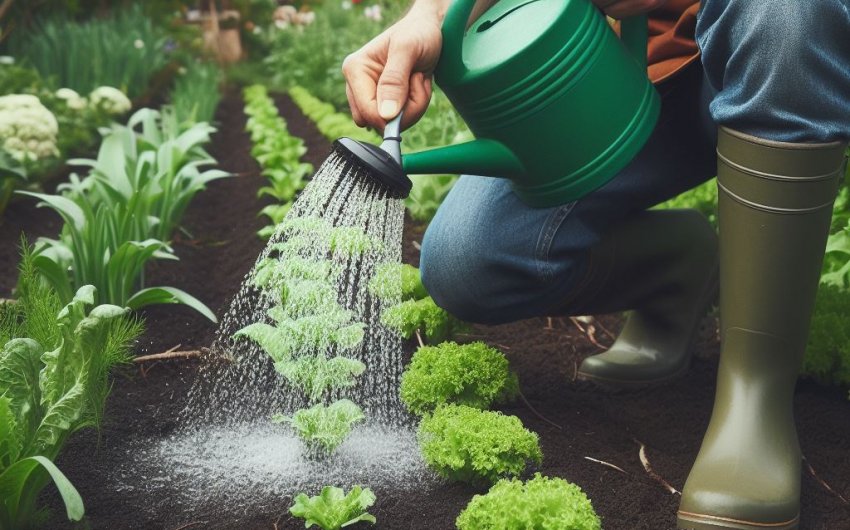
Mastering the water balance is arguably the most critical skill in plant care, as avoiding the pitfalls of overwatering is paramount to keeping your plants healthy and thriving. Overwatering is the single most common cause of houseplant death and a frequent culprit in outdoor garden woes, leading to root suffocation and disease. By understanding how water impacts roots and implementing smart watering practices, you can successfully navigate this challenge and cultivate a flourishing garden.
Why Is Overwatering So Harmful to Plants?
Overwatering is paradoxically one of the most detrimental things you can do to a plant, even though water is essential for life. It suffocates roots, promotes disease, and ultimately leads to plant decline, making it a critical pitfall to avoid in maintaining proper water balance. Understanding why overwatering is so harmful is the first step in avoiding the pitfalls of overwatering and ensuring plant health.
What Happens to Roots When Overwatered?
The primary damage from overwatering occurs beneath the soil surface, where roots struggle and often die without adequate oxygen. This deeply impacts the plant's ability to survive.
- Oxygen Deprivation (Suffocation):
- Mechanism: Plant roots, like all living tissues, need oxygen to "breathe" (respire). When you overwater, the excess water fills all the vital air pockets in the soil, pushing out the oxygen.
- Impact: Roots effectively suffocate. Without oxygen, root cells cannot perform their metabolic functions, cannot absorb water or nutrients, and eventually die. This is often called anaerobic respiration, which produces toxic byproducts.
- Root Rot:
- Mechanism: Prolonged anaerobic conditions created by overwatering create a perfect breeding ground for anaerobic bacteria and various fungal pathogens (e.g., Phytophthora, Pythium). These pathogens attack and decompose the suffocating roots.
- Impact: Healthy, white, firm roots turn soft, brown/black, and mushy. A foul, musty odor often accompanies root rot. Once the roots are severely damaged, the plant can no longer absorb water or nutrients, even if they are abundant in the soil.
- Nutrient Deficiency (Lockout):
- Mechanism: Even if nutrients are present in the soil, dead or dying roots cannot absorb them. Additionally, in waterlogged conditions, nutrient availability can be altered, leading to a state of nutrient lockout.
- Impact: The plant starves even amidst plenty, showing symptoms of nutrient deficiency (e.g., yellowing leaves), compounding the problem.
- Impaired Water Uptake (Paradoxical Wilting):
- Mechanism: This is the most confusing symptom. When roots are rotting and suffocating, they lose their ability to take up water, regardless of how much water is in the soil.
- Impact: The plant begins to wilt and droop, even though the soil is soaking wet. This often leads beginners to water more, inadvertently accelerating the plant's demise.
- Weakened Plant Health and Pest Susceptibility:
- Mechanism: A plant with damaged roots and impaired functions is severely stressed.
- Impact: Stressed plants have weakened immune systems, making them highly susceptible to secondary problems like fungal diseases on foliage or pest infestations (e.g., fungus gnats, which thrive in wet soil).
By understanding these direct impacts on the root system, gardeners grasp the severity of overwatering. This knowledge is paramount for mastering the water balance and avoiding the pitfalls of overwatering, ensuring the long-term health and vitality of your plants.
What Are the Key Signs of Overwatering in Plants?
Recognizing the key signs of overwatering is crucial for intervening quickly and saving your plant from root rot and eventual death. While some symptoms can mimic underwatering, distinct clues point to an excess of moisture, helping you master the water balance. Learning these signals is essential for avoiding the pitfalls of overwatering.
What Are the Most Common Visual Cues?
These visible indicators provide immediate alerts that your plant is struggling with too much moisture. They are primary signals of improper water balance.
- Yellowing Leaves:
- Appearance: Leaves turn yellow, often starting with older, lower leaves, but can quickly affect the entire plant.
- Explanation: This is a general stress response, but for overwatering, it indicates that roots are suffocating and unable to take up nutrients efficiently, or the plant is shedding leaves to reduce its need for water.
- Wilting or Drooping Leaves (Despite Wet Soil):
- Appearance: The plant looks limp, droopy, and "thirsty," but when you check the soil, it's soaking wet.
- Explanation: This is the most confusing and paradoxical sign. Root cells are dying due to lack of oxygen, so they cannot absorb water, even when it's abundant. The plant is essentially dying of thirst in a flood.
- Fungus Gnats:
- Appearance: Small, black, mosquito-like flies buzzing around the soil surface or flying up when the plant is disturbed.
- Explanation: Fungus gnats lay their eggs in consistently wet, decaying organic matter. Their presence is a very strong indicator of overly moist soil.
- Mushy Stems or Base:
- Appearance: The base of the stem near the soil line, or sections of the stem, become soft, mushy, and discolored (often dark brown or black).
- Explanation: This is a clear sign of stem rot or crown rot, often accompanying root rot.
- Stunted Growth:
- Appearance: New growth is minimal, small, or distorted. Overall plant growth seems to have stopped.
- Explanation: The plant is stressed and lacks the energy and functional roots to grow effectively.
- Foul Odor from Soil:
- Appearance: The soil emits a musty, stale, or rotten smell.
- Explanation: This indicates anaerobic conditions (lack of oxygen) and actively rotting roots or decaying organic matter in the soil.
- Green Algae on Soil Surface:
- Appearance: A green, sometimes slimy, film on the top of the soil.
- Explanation: Algae thrives in constantly wet conditions and indicates the soil surface is rarely drying out.
- Edema (Rare but Distinct):
- Appearance: Small, blister-like swellings or bumps on the undersides of leaves, which may turn brown or corky.
- Explanation: Occurs when roots take up water faster than the plant can transpire it, causing cells to burst.
What Is the Most Important Diagnostic Clue?
- Always Check the Soil: Before anything else, feel the soil several inches down. If it's soggy and the plant is wilting, it's almost certainly overwatering. If it's bone dry and wilting, it's underwatering. A soil moisture meter can provide an accurate, objective reading.
By diligently observing these key signs, gardeners can confidently identify overwatering, allowing them to take corrective action promptly and effectively master the water balance, avoiding the pitfalls of overwatering and saving their precious plants.
What Are Immediate Steps to Rescue an Overwatered Plant?
Rescuing an overwatered plant requires swift and decisive action to address the root (no pun intended) of the problem: suffocating, potentially rotting roots. The goal is to provide immediate relief from excess moisture and oxygen deprivation. These immediate steps are critical for mastering the water balance and avoiding the pitfalls of overwatering.
What Is the Emergency Repotting Method?
For plants with significant overwatering symptoms (especially wilting with wet soil, or a mushy stem), an emergency repotting might be their best chance. This is a crucial trick for avoiding the pitfalls of overwatering.
- Gently Remove from Pot:
- Carefully tip the plant out of its pot, supporting the base of the stem.
- Do this over a newspaper or tarp to catch loose soil.
- Inspect Roots:
- Gently remove as much of the soggy soil from around the roots as possible. You can use your fingers, or even gently rinse some off under lukewarm water (be very gentle with fragile, wet roots).
- Inspect the roots: Healthy roots are usually firm, white, or light tan.
- Remove Rotten Roots: Using sharp, sterilized plant snips, carefully cut away any roots that are brown, black, mushy, slimy, or emit a foul odor. Cut back to healthy, firm tissue. If almost all roots are rotten, the prognosis is poor, but still try.
- Trim Foliage (Optional but Recommended):
- If you've removed a significant amount of roots, you should also trim back some of the foliage (e.g., 25-50% of the leaves).
- Why: This reduces the amount of work the remaining, damaged roots have to do in supplying water, giving them a better chance to recover.
- Repot into Fresh, Dry Soil:
- Choose a clean pot of the same size or slightly smaller than the original (if root mass was significantly reduced). Ensure it has excellent drainage holes.
- Fill with fresh, dry, well-draining potting mix (a well-draining potting mix for houseplants). You can mix in extra perlite or bark for even better drainage.
- Repot the plant, ensuring it's at the same soil level as before.
- Do NOT Water Immediately:
- This is crucial! Do not water after repotting into dry soil.
- Why: The roots need time to heal and dry out slightly, and the dry soil will naturally draw out excess moisture from the root ball.
- Provide Indirect Light and Moderate Humidity:
- Place the rescued plant in a spot with bright, indirect light. Avoid intense, direct sun, which will cause it to transpire (lose water) too quickly, stressing the already damaged roots.
- Moderate humidity can help reduce water loss from leaves.
What Are Steps for Less Severe Overwatering?
If symptoms are mild and root rot isn't severe, you can take less drastic measures for mastering the water balance.
- Stop Watering Immediately: Don't give it another drop until the soil starts to dry out.
- Improve Drainage:
- If the pot sits in a decorative cachepot, remove it and ensure the pot's drainage holes are clear.
- Elevate the pot slightly to improve airflow under it.
- Increase Air Circulation: Place the plant in a well-ventilated area. A small fan on a low setting can help dry out the soil faster and provide oxygen to roots.
- Reduce Light/Temperature (Slightly): Moving to slightly less intense light and cooler temperatures can temporarily reduce the plant's metabolic demands, giving roots a chance to recover.
- Monitor Soil: Continuously check the soil. Wait until it's appropriately dry before watering again.
What Are Post-Rescue Care Tips?
- Patience: Recovery from overwatering can take weeks or even months. Be patient.
- Minimal Care: Avoid fertilizing. Let the plant focus its energy on root recovery.
- Gradual Return to Routine: Once new, healthy growth appears, gradually resume a proper watering schedule.
By taking these decisive actions, you provide crucial help to your overwatered plants, giving them the best chance to recover and continue thriving. This commitment to mastering the water balance is key to avoiding the pitfalls of overwatering.
How Do You Choose the Right Potting Mix and Pots to Prevent Overwatering?
Choosing the right potting mix and pots is a foundational strategy for preventing overwatering, directly impacting root health and the plant's ability to thrive. These choices are critical for mastering the water balance, as they control how quickly water drains and how much oxygen reaches the roots. Making informed selections is an essential trick for avoiding the pitfalls of overwatering.
What Makes an Ideal Potting Mix for Preventing Overwatering?
The composition of your potting mix is paramount, as it determines drainage, aeration, and moisture retention. The right mix is your first line of defense in avoiding the pitfalls of overwatering.
- Excellent Drainage (Most Crucial): The mix must allow water to flow freely and quickly out of the pot. Waterlogged soil is the primary cause of root suffocation.
- Good Aeration: Soil should contain ample "air pockets" to ensure oxygen reaches the roots, even when moist. This prevents anaerobic conditions.
- Resists Compaction: A good mix will maintain its structure and not compact easily over time, which would restrict drainage and aeration.
- Lightweight: Typically, mixes that drain well are also lightweight, making pots easier to move.
- Composition: A general, high-quality, commercially prepared potting mix can be a good starting point, but often needs amendments. Avoid heavy garden soil completely.
- Peat Moss or Coco Coir (Base): While good for moisture retention, these can sometimes be too dense on their own.
- Perlite or Pumice (Key Amendment): These are lightweight, porous volcanic materials that provide excellent drainage and aeration. Mix in 10-30% perlite or pumice into your standard potting mix for most houseplants. For succulents/cacti, you might go even higher. A bag of perlite for plants is an essential amendment.
- Orchid Bark/Coarse Perlite: For plants that love extremely airy conditions (e.g., Monsteras, Philodendrons, Orchids), incorporating chunky bark or larger perlite can create an even faster-draining, "chunky aroid mix."
What Are the Best Pots for Preventing Overwatering?
The pot's material and, most importantly, its drainage features, play a critical role in managing water balance. This choice is vital for avoiding the pitfalls of overwatering.
- Drainage Holes (Non-Negotiable!):
- Absolute Essential: Every single pot MUST have adequate drainage holes at the bottom. Without them, excess water will accumulate, suffocating roots.
- Saucers: Always use a saucer to catch runoff, but empty it within 15-30 minutes after watering. Never let a pot sit in standing water.
- Material: Different materials impact how quickly soil dries out.
- Terracotta / Unglazed Ceramic:
- Pros: Porous material allows water to evaporate through the sides of the pot, promoting faster drying of the soil. Excellent for plants prone to overwatering or those that prefer drier conditions (succulents, cacti, rosemary).
- Cons: Dries out quickly, requiring more frequent watering.
- Tip: A classic terracotta pot is a great choice for beginners.
- Plastic / Glazed Ceramic / Porcelain:
- Pros: Non-porous, retains moisture longer, reducing watering frequency. Lightweight (plastic) or often decorative (glazed ceramic).
- Cons: Higher risk of overwatering due to slower drying. Requires more diligent monitoring of soil moisture.
- Tip: If using these, ensure extra-good drainage holes and a very well-draining potting mix.
- Grow Bags (Fabric Pots):
- Pros: Excellent aeration and drainage through the fabric sides, which also helps "air prune" roots. Reduces overwatering risk.
- Cons: Dries out quickly.
- Terracotta / Unglazed Ceramic:
- Size:
- Don't Oversize: When repotting, only go up by 1-2 inches (2.5-5 cm) in diameter from the previous pot. A pot that is too large holds too much soil and thus too much moisture, greatly increasing the risk of overwatering.
- Benefits: Correct pot size allows the plant's roots to utilize the moisture efficiently before the soil stays wet for too long.
By making informed choices about your potting mix and containers, you establish a resilient system that inherently promotes optimal water balance, effectively avoiding the pitfalls of overwatering and fostering healthy, thriving plants. This is foundational for any successful plant parent.
How Can Watering Techniques and Tools Prevent Overwatering?
Employing smart watering techniques and utilizing the right tools are crucial tricks for preventing overwatering, directly impacting your success in mastering the water balance. It's not just about what you water with, but how you apply water and how you monitor your plant's needs, actively avoiding the pitfalls of overwatering. These practices simplify your routine and protect your plants.
What Are Effective Watering Techniques?
These methods focus on precision and ensuring the soil dries out appropriately between waterings, reducing the risk of root suffocation. They are key to avoiding the pitfalls of overwatering.
- "Bottom-Up" Watering (for Potted Plants):
- Why it works: Allows the soil to absorb water slowly and evenly through the drainage holes, preventing compaction, washing away of soil, and ensuring the entire root ball is moistened without oversaturating the top layers. It also encourages roots to grow downwards.
- How to do it: Place the potted plant (with drainage holes) in a larger basin, tub, or sink filled with 1-2 inches of room-temperature water. Allow it to soak for 15-30 minutes, or until the top of the soil feels damp. Then remove and drain thoroughly.
- Benefit: Reduces the risk of water sitting on the soil surface and compacting it.
- Top Watering (Controlled):
- Why it works: Delivers water directly to the soil surface.
- How to do it: Use a watering can with a long, thin spout to direct water precisely to the soil around the plant, avoiding the foliage. Water slowly and deeply until it drains from the bottom.
- Benefit: Prevents accidental wetting of leaves (reducing fungal disease risk) and gives you control.
- "Water When Dry" Method (Finger Test / Meter):
- Why it works: The fundamental rule for preventing overwatering. It acknowledges that plant needs vary.
- How to do it: Always check soil moisture before watering. Use your finger 1-2 inches deep (more for succulents) or a soil moisture meter. Only water when the soil indicates it's time.
- Benefit: Directly prevents constant soggy conditions.
What Tools Help Prevent Overwatering?
The right tools can significantly simplify your watering routine and provide objective data, eliminating guesswork in mastering the water balance. These are essential tricks for avoiding the pitfalls of overwatering.
- Soil Moisture Meter (Your Best Friend!):
- Why it's essential: Takes the guesswork out of watering by providing an objective reading of soil moisture deep within the pot or garden bed.
- How to use: Insert the probe into the soil, halfway between the stem and the pot edge, about 2/3 of the way down. Read the gauge. A 3-in-1 soil moisture meter also measures light and pH.
- Benefit: Empowers you to water only when truly needed, greatly reducing overwatering risk.
- Pots with Drainage Holes (Non-Negotiable!):
- Why it's essential: As discussed, drainage holes allow excess water to escape, preventing root suffocation and rot.
- How to use: Ensure holes are clear. Use a saucer to catch runoff, but empty it promptly.
- Self-Watering Pots (with Caution):
- Why it's helpful: These pots have a reservoir and a wicking system to provide consistent moisture. Can be good for plants that like consistently moist soil.
- Caution: Not suitable for all plants (e.g., succulents, cacti, or plants that prefer to dry out completely). Monitor closely; some designs can still lead to oversaturation if not used correctly. A self-watering pot for houseplants can be a good option for thirsty plants.
- Watering Can with a Long Spout:
- Why it's helpful: Allows precise delivery of water to the soil, minimizing wetting of foliage and ensuring water goes where it's needed.
- Perlite or Pumice (Soil Amendments):
- Why it's helpful: While not a tool, these are critical for improving soil drainage.
- How to use: Mix 10-30% into your potting mix. A bag of perlite for improved drainage is a must-have for preventing heavy soil.
By combining these smart watering techniques with the right tools, you can confidently prevent overwatering, consistently maintain an optimal water balance, and successfully avoid the pitfalls of overwatering, ensuring your plants remain vibrant and healthy.
How Do Environmental Factors Affect Overwatering Risk?
Environmental factors play a significant, often overlooked, role in a plant's water needs and thus directly affect the risk of overwatering. Understanding how light, temperature, and humidity interact with your plant's water consumption is crucial for mastering the water balance and avoiding the pitfalls of overwatering. These external influences require you to adapt your watering routine accordingly.
What Environmental Factors Increase Overwatering Risk?
These specific conditions slow down water evaporation and plant transpiration, leaving soil wet for longer and increasing the likelihood of root suffocation. Being aware of them is key to avoiding the pitfalls of overwatering.
- Low Light:
- Why it's a risk: Plants in low light perform less photosynthesis, which means they transpire (release water vapor) at a much slower rate. Consequently, they absorb less water from the soil, and the soil dries out much more slowly.
- Impact: A plant that might need water weekly in bright light could only need it every 3-4 weeks in low light. Watering on a bright-light schedule in a dim spot is a recipe for disaster.
- Care Tip: Always reduce watering frequency for plants in low light.
- Cooler Temperatures:
- Why it's a risk: Lower temperatures slow down a plant's metabolism and reduce the rate of evaporation from the soil surface. This means water in the pot stays wet for longer.
- Impact: Plants in cooler rooms (e.g., in winter) will need significantly less frequent watering than those in warm, active growing conditions.
- Care Tip: Adjust watering frequency seasonally; water much less in winter.
- High Humidity:
- Why it's a risk: When the air around a plant is already saturated with moisture (high humidity), the rate of transpiration from the leaves slows down because there's less of a moisture difference between the leaf and the air. This means the plant absorbs less water from the soil.
- Impact: Plants in very humid environments (like bathrooms or grouped plants with pebble trays) will need less frequent watering.
- Care Tip: Monitor soil moisture closely in humid environments.
- Poor Air Circulation:
- Why it's a risk: Stagnant air around the plant and soil surface reduces the rate of evaporation from the soil and slows transpiration from the leaves.
- Impact: Soil stays wet for longer, increasing the risk of root rot.
- Care Tip: Ensure good air circulation around and beneath pots. Don't overcrowd plants. Use a small fan on a low setting in stagnant areas.
- Large Pot Size (for Small Plant):
- Why it's a risk: A pot that is too large for a plant's root system holds an excessive amount of soil, which in turn holds too much water. The small roots cannot absorb all this water quickly enough.
- Impact: The soil stays wet for too long, greatly increasing the risk of root rot.
- Care Tip: Only repot into a pot that is 1-2 inches larger in diameter.
What Environmental Factors Decrease Overwatering Risk (Increase Drying)?
Understanding these conditions also helps you anticipate faster drying times, preventing underwatering.
- Bright Light: Increases photosynthesis and transpiration, meaning faster water uptake and soil drying.
- Warm Temperatures: Increases plant metabolism and evaporation, leading to faster soil drying.
- Low Humidity: Increases transpiration, causing plants to use more water and soil to dry faster.
- Good Air Circulation/Wind: Increases evaporation from soil and transpiration from leaves.
By carefully considering these environmental factors, you can dynamically adjust your watering schedule, effectively master the water balance, and successfully avoid the pitfalls of overwatering, ensuring your plants remain healthy and vibrant in all conditions.