
How Can I Improve Soil Aeration for Better Root Growth in My Garden?
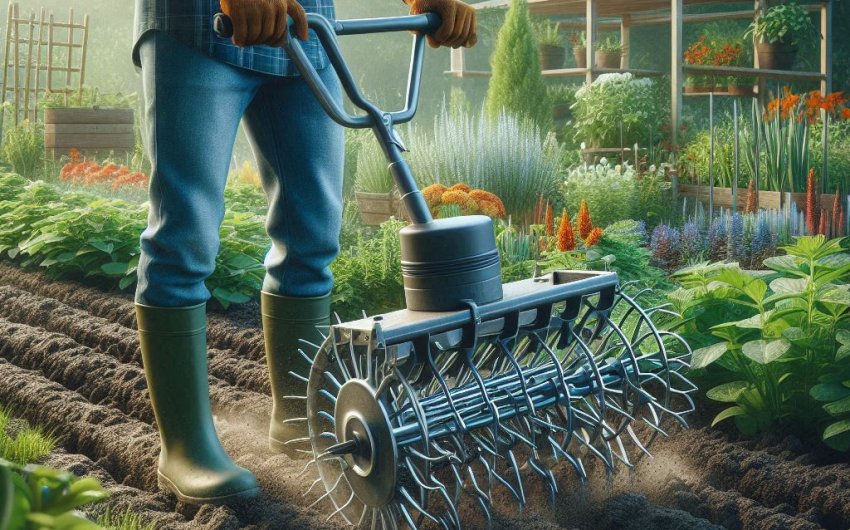
For any gardener striving for thriving plants, bountiful harvests, or a lush green lawn, the secret to success often lies beneath the surface: in the quality of the soil. While we often focus on nutrients and water, one critical, yet frequently overlooked, aspect of healthy soil is its ability to "breathe." Soil aeration—the presence of air pockets within the soil structure—is absolutely essential for robust root growth and, consequently, vigorous plant health. If your plants are struggling despite adequate feeding and watering, or if your soil feels hard and compacted, you might be wondering how can I improve soil aeration for better root growth in my garden? You're in the right place. We'll explore why aeration matters, how to identify poor aeration, and practical, effective strategies to bring life back to your soil.
Why is Soil Aeration So Important for Plants?
Understanding the critical role of soil aeration is the first step toward improving it. It's not just about roots having space; it's about life-sustaining oxygen and efficient nutrient cycling.
What is Soil Aeration?
Soil aeration refers to the exchange of gases between the soil and the atmosphere. In simple terms, it's about the presence of oxygen within the soil and the ability for carbon dioxide (a byproduct of root respiration) to escape. Healthy soil is not a solid block; it's a porous network of solid particles (sand, silt, clay, organic matter) interspersed with pore spaces filled with air and water.
- Pore Space: In an ideal soil, roughly 50% of its volume is made up of these pore spaces. About half of these pores should be filled with air and half with water (when the soil is at field capacity – meaning after drainage).
- Oxygen Exchange: This air in the pores is vital. It allows oxygen from the atmosphere to diffuse down into the root zone and carbon dioxide produced by roots and microbes to move up and out.
Why Do Roots Need Oxygen?
This is the core reason why soil aeration is non-negotiable for most plants.
- Respiration: Plant roots are living organisms. Like all living things, they "breathe" through a process called cellular respiration. This process consumes oxygen and releases carbon dioxide and energy, which the roots use for:
- Nutrient Uptake: Active transport of nutrients from the soil into the root cells requires energy, which comes from respiration. Without oxygen, roots cannot efficiently absorb water or essential nutrients.
- Root Growth: New root cells are produced and expand through processes that require energy from respiration.
- Water Absorption: While water passively moves into roots, the active regulation of water within the plant still relies on healthy root function, which requires oxygen.
- Anaerobic Conditions: When soil is waterlogged or severely compacted, air is forced out of the pore spaces, creating anaerobic (oxygen-deprived) conditions. This is highly detrimental to most plant roots.
- Root Rot: Without oxygen, beneficial aerobic microbes die off, and anaerobic bacteria (which produce toxic compounds) thrive. Roots cannot respire, become stressed, and begin to rot, leading to disease and plant death.
- Nutrient Lock-up: Some essential nutrients become unavailable to plants in anaerobic conditions.
How Does Aeration Impact Soil Health Beyond Roots?
Good soil aeration benefits the entire soil ecosystem.
- Microbial Activity: The vast majority of beneficial soil microorganisms (bacteria, fungi, earthworms) that break down organic matter, cycle nutrients, and fight disease are aerobic, meaning they need oxygen to survive and function optimally. Poor aeration stifles their activity.
- Improved Drainage: Aerated soil has a more open structure, allowing water to percolate through more effectively, preventing waterlogging. This is especially crucial in heavy clay soils.
- Better Water Infiltration: When soil is well-aerated, water penetrates easily rather than running off the surface, ensuring that irrigation or rainfall reaches the roots.
- Reduced Compaction: Well-aerated soil is less prone to compaction, creating a healthy environment for roots to grow and expand without encountering dense barriers.
- Nutrient Cycling: The decomposition of organic matter and the conversion of nutrients into plant-available forms (e.g., nitrogen cycle) are highly dependent on aerobic microbial activity.
In summary, soil aeration is the unsung hero of a thriving garden. It provides life-giving oxygen to roots and beneficial microbes, ensures proper water dynamics, and creates a loose, welcoming environment for robust plant growth.
How Do I Identify Poor Soil Aeration (Compaction)?
Before you can improve soil aeration, you need to confirm that compaction is indeed the problem. Several signs indicate your soil isn't breathing properly.
Visual Clues
- Standing Water After Rain/Watering: This is one of the most obvious signs. If puddles remain on the soil surface for hours after rain or irrigation, your soil has poor drainage, often due to compaction. In healthy, aerated soil, water should infiltrate quickly.
- Stunted or Unhealthy Plant Growth: Even with adequate watering and fertilization, plants appear weak, yellow, stunted, or just generally lack vigor. This is because their roots aren't getting enough oxygen or properly absorbing nutrients.
- Thinning or Patchy Lawn: Grass is particularly sensitive to compaction. If your lawn looks thin, patchy, or develops bare spots, especially in high-traffic areas, compaction is a likely culprit.
- Moss or Weeds Flourishing: Moss, certain weeds (like broadleaf plantain or knotweed), and some types of algae thrive in compacted, poorly drained, and low-oxygen soils where grass struggles. Their presence can be an indicator.
- Runoff, Not Infiltration: When you water, if the water quickly runs off the surface instead of soaking in, it indicates a dense, compacted topsoil layer.
- Visible Soil Crust: A hard, crusty layer on the surface of the soil, especially after drying out.
The Feel and Sound Test
Get your hands dirty and really feel your soil.
- Hard, Dense Soil: Try pushing a shovel or trowel into the ground. If it's extremely difficult to penetrate, feels rock-hard, or requires significant effort to dig, your soil is compacted.
- "Thud" Sound When Watering: When watering, listen to the sound of the water hitting the soil. In compacted soil, you might hear a "thud" or a "slosh" as water sits on the surface. In well-aerated soil, you'll hear a quick "swoosh" as water infiltrates rapidly.
- No Earthworms: Dig a small hole (6-8 inches deep). If you find very few or no earthworms, it's a strong indicator of poor soil health and likely compaction. Earthworms are nature's aerators.
The Soil Structure Test (The Jar Test)
This test helps determine your soil's composition and how it settles.
- Method: Take a clear, straight-sided jar (like a quart-sized Mason jar). Fill it halfway with soil from your garden. Fill the rest of the way with water, leaving a few inches of air at the top. Add a teaspoon of dish soap (helps separate particles). Shake vigorously for 2-3 minutes until all soil clumps are broken up. Let it settle for 24 hours.
- Interpretation:
- Layers: You'll see distinct layers: sand (bottom), silt (middle), clay (top).
- Clarity: If the water above the layers remains cloudy, it indicates a high clay content or very fine particles that settle slowly.
- Organic Matter: You'll likely see floating debris on the surface – that's organic matter.
- Relevance to Aeration: While not a direct aeration test, a very high clay content (which creates small pore spaces) or very low organic matter combined with observed compaction points to aeration issues. If the clay layer is very thick and dense, it contributes to poor aeration.
The Compaction Probe Test (Advanced)
- Method: Use a specialized soil compaction meter/probe (often used by professionals) or a sturdy metal rod. Push it into the ground. Note the depth at which resistance dramatically increases.
- Interpretation: High resistance at shallow depths (e.g., 2-4 inches) indicates severe compaction.
- Relevance to Aeration: Directly measures how easily roots can penetrate the soil, indicating aeration levels.
By using a combination of these visual and practical tests, you can accurately diagnose poor soil aeration and pinpoint areas in your garden that need attention, setting the stage for effective rejuvenation strategies.
How Can I Improve Soil Aeration for Better Root Growth? (Short-Term Solutions)
While long-term strategies are key, sometimes you need immediate or semi-immediate improvements to relieve compaction and kickstart aeration. These methods often provide quicker relief.
Core Aeration (for Lawns)
- What it is: The process of mechanically removing small plugs or "cores" of soil and thatch from the lawn.
- How it Works: Creates small holes that allow air, water, and nutrients to penetrate the root zone more effectively. It also reduces compaction, improves drainage, and creates space for roots to grow.
- Tools:
- Manual Core Aerator: A simple, foot-operated tool that pulls two or more cores. Good for small lawns or spot treatment. A manual core aerator can be effective.
- Spike Aerator: Pushes solid spikes into the ground. Less effective than core aerators as it can cause further compaction around the holes. Not recommended as a primary aeration method.
- Rolling Aerator Shoes: Strap-on spikes. Also not very effective; they cause more compaction than true aeration.
- Motorized Core Aerator: Best for larger lawns. You can rent these from equipment rental stores or hire a lawn care professional.
- When to Aerate:
- Cool-Season Grasses (fescue, rye, bluegrass): Early fall or early spring.
- Warm-Season Grasses (Bermuda, zoysia, St. Augustine): Late spring to early summer.
- Key: Aerate when the grass is actively growing so it can quickly recover and fill in the holes. Ensure the soil is moist (not saturated) before aerating.
- Post-Aeration: Leave the soil plugs on the lawn to break down and return nutrients. After aeration, it's an ideal time to overseed and fertilize, as the nutrients and seeds can easily reach the soil.
Manual Aeration for Garden Beds
For vegetable beds and ornamental gardens, mechanical aeration is often done with hand tools.
- Digging Fork / Broadfork:
- What it is: A sturdy digging fork (or a broadfork for larger areas) can be inserted into the soil and gently rocked back and forth to loosen it, creating air pockets without completely inverting the soil layers.
- How it Works: Reduces compaction in the upper layers, improves drainage, and allows roots to penetrate deeper.
- Tool: A Garden Weasel Core Aerator can work in smaller garden beds.
- Hand Cultivator: For smaller areas or between plants, a hand cultivator can be used to lightly scratch the surface of the soil, breaking up a crust and improving surface aeration.
- Aerating Tools for Potted Plants: For individual potted plants, you can gently poke holes into the potting mix with a chopstick or a thin dowel to improve aeration, especially if the mix has become compacted.
Gypsum Application (for Clay Soils)
- What it is: Calcium sulfate, a natural mineral.
- How it Works: In some heavy clay soils, especially those with high sodium content, gypsum can help "flocculate" (clump together) clay particles. This creates larger aggregates and improves soil structure, which in turn leads to better drainage and aeration.
- Caution: Gypsum only works effectively on certain types of clay soils (sodic clays). It will not improve sandy soils or non-sodic clay. A soil test will tell you if your soil has high sodium levels.
- Application: Spread granular gypsum evenly over the soil surface and water in. Follow package directions for application rates.
- Benefits: A relatively quick chemical approach to improving clay soil structure if sodium is the issue.
These short-term solutions can provide immediate relief from compaction, helping your plants get the oxygen they need to start recovering and growing more vigorously while you implement more permanent, long-term strategies.
How Can I Improve Soil Aeration for Better Root Growth? (Long-Term Solutions)
While quick fixes provide temporary relief, sustained soil aeration and overall soil health are built on consistent, long-term practices. These methods focus on building a healthy soil structure that naturally resists compaction.
The Power of Organic Matter
This is, by far, the most effective and sustainable long-term solution for improving soil aeration in almost any soil type.
- How it Works:
- Creates Aggregates: As organic matter (like compost, well-rotted manure, leaf mold) decomposes, it releases sticky substances that bind individual soil particles (sand, silt, clay) into larger, stable clumps called aggregates. These aggregates create a crumbly soil structure with numerous stable pore spaces.
- Feeds Microbes: Organic matter is food for beneficial soil microorganisms and earthworms, which are nature's aerators. Their tunneling and burrowing create channels for air and water, and their waste (castings) further improves soil structure.
- Improves Water Infiltration and Drainage: By creating a more open structure, water can infiltrate quickly and drain efficiently, preventing waterlogging.
- Buffering Capacity: Helps soil resist compaction by providing a spongy, resilient material.
- Application:
- Topdressing: Apply a 1-3 inch layer of good quality compost to your garden beds and lawn annually (or twice a year for lawns). Rake it gently into the top layer of soil. A Compost Bin is an excellent way to produce your own.
- Digging In: For new garden beds, incorporate a generous amount of compost (4-6 inches) into the top 6-12 inches of soil.
- Leaf Mold: Rake fallen leaves and let them decompose into leaf mold, a fantastic soil amendment.
Minimizing Soil Compaction (Crucial Prevention)
It's easier to prevent compaction than to fix it.
- Avoid Walking on Wet Soil: When soil is wet, it's most vulnerable to compaction. Avoid walking or driving heavy machinery (even lawnmowers) on saturated garden beds or lawns.
- Establish Permanent Pathways: In garden beds, create designated pathways (e.g., with straw, wood chips, or pavers) and stick to them. Avoid stepping directly on planting beds.
- Raised Garden Beds: Raised beds physically separate your planting area from compacted ground and allow you to fill them with a loose, custom soil mix, preventing compaction from foot traffic. A raised garden bed kit is a great investment.
- Avoid Heavy Machinery: Limit the use of heavy rototillers or garden machinery, which can destroy soil structure and create a hardpan layer below the tilled depth.
- Mulching: A generous layer of organic mulch over garden beds protects the soil from the compacting force of rainfall and foot traffic. It also moderates soil temperature and retains moisture.
Cover Cropping
- What it is: Planting specific crops (e.g., clovers, vetch, oats, rye, buckwheat) primarily for the benefit of the soil, rather than for harvest.
- How it Works:
- Root Action: The roots of cover crops grow deep, breaking up compacted layers and creating channels for air and water. When the cover crop is tilled into the soil, the decomposing roots leave behind organic matter and open up pathways.
- Adds Organic Matter: When the cover crop is tilled in or chopped and left on the surface (chop-and-drop), it adds a significant amount of organic matter.
- Prevents Erosion: Protects bare soil from the compacting force of rain and wind.
- Application: Plant cover crops in empty garden beds during the off-season (e.g., fall for winter cover, spring for summer fallow). Turn them into the soil before they go to seed.
- Tool: Look for cover crop seed mixes.
Double Digging / Broadforking (Initial Deep Loosening)
- What it is: A one-time or infrequent method of deeply cultivating the soil to break up severe compaction.
- Double Digging: Involves digging a trench, moving the soil, loosening the subsoil, and then replacing the topsoil, essentially creating a deeper, looser root zone. It's labor-intensive.
- Broadforking: Using a broadfork is less disruptive. You push the tines into the soil and rock it back to loosen the earth without inverting layers.
- When to Use: For extremely compacted new beds or to deeply amend problematic areas. After initial deep loosening, focus on no-till practices and organic matter to maintain aeration.
By combining these long-term strategies, you actively build and maintain a healthy, aerated soil structure, creating the perfect foundation for robust root growth and a thriving garden. Remember, healthy soil leads to healthy plants, and the best way to get healthy soil is to feed the soil microbes and protect its structure.