
Indoor Bonsai Tree Care Tips for Beginners
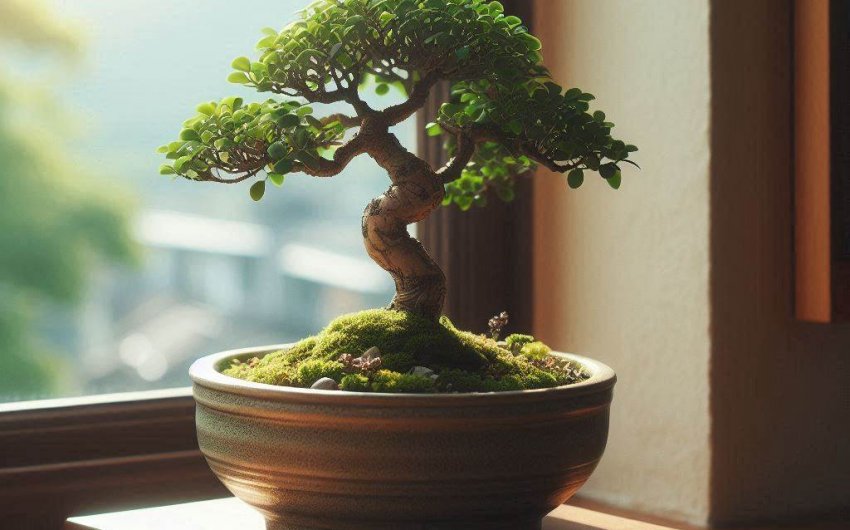
Indoor bonsai tree care for beginners focuses on providing consistent light, appropriate watering, and maintaining suitable humidity levels, as these are tropical or sub-tropical plants not adapted to temperate outdoor climates. Understanding your specific tree's needs is key to its long-term health and development.
What Kind of Bonsai Tree is Best for Beginners Indoors?
Choosing the right bonsai tree for beginners is crucial for a successful experience. Not all bonsai species thrive indoors, so selecting one suited to typical household conditions is the first step.
Tropical and Sub-Tropical Species: The Indoor Stars
True indoor bonsai are typically tropical or sub-tropical trees that naturally thrive in warm, stable temperatures and higher humidity, making them adaptable to indoor environments. They do not require a winter dormancy period like outdoor (temperate) bonsai.
- Ficus Bonsai (Ficus retusa or Ficus microcarpa 'Ginseng'):
- Pros: Extremely tolerant of varied indoor conditions, including lower humidity. Forgiving of inconsistent watering. Develops interesting aerial roots and thick trunks. Very popular for beginners.
- Cons: Can be slow to back-bud (grow new branches).
- Appearance: Glossy green leaves, often with a "ginseng" root base.
- Chinese Elm (Ulmus parvifolia):
- Pros: Very hardy and adaptable. Tolerates a range of light and humidity. Produces small, delicate leaves that reduce well. Develops fine branching.
- Cons: Can defoliate (drop leaves) if stressed, though usually recovers. Some varieties may prefer a cooler rest period in winter.
- Appearance: Small, serrated oval leaves, elegant branching.
- Jade Bonsai (Portulacaria afra):
- Pros: Succulent, so it's very forgiving of infrequent watering. Extremely tough and easy to grow. Stores water in its leaves and stems.
- Cons: Not a true tree, but a succulent shrub. Sensitive to overwatering.
- Appearance: Thick, fleshy leaves; plump stems.
- Dwarf Schefflera (Schefflera arboricola):
- Pros: Very resilient and tolerant of neglect. Adapts well to indoor light conditions. Easy to prune and shape.
- Cons: Larger leaves than traditional bonsai, harder to achieve fine detail.
- Appearance: Umbrella-like clusters of small, shiny leaves.
What to Avoid as a Beginner
- Temperate Outdoor Species (e.g., Juniper, Pine, Maple, Elm): These trees must have a cold dormancy period to survive. They will slowly decline and die indoors because they cannot get the necessary winter rest. Many junipers sold as "indoor bonsai" are mislabeled and will not thrive long-term indoors.
- Overly Complex Projects: Start with a healthy, established bonsai rather than a raw cutting or nursery stock if you're new to the art.
Table: Beginner-Friendly Indoor Bonsai Species
| Species | Light Needs | Watering Tolerance | Humidity Needs | Beginner Friendliness |
|---|---|---|---|---|
| Ficus Bonsai | Bright, indirect to direct | Forgiving of drying out | Adaptable | Excellent |
| Chinese Elm | Bright, indirect | Moderate, consistent | Moderate | Very Good |
| Jade Bonsai | Bright, direct | Tolerates drying out well | Low to Moderate | Excellent |
| Dwarf Schefflera | Bright, indirect | Tolerates some neglect | Moderate | Very Good |
What Are the Light Requirements for Indoor Bonsai?
Light is arguably the most critical factor for indoor bonsai tree care. Without adequate light, your bonsai will struggle, weaken, and eventually decline.
Maximizing Natural Light
- Bright, Direct Sun: Most indoor bonsai species thrive in bright, direct sunlight. A south-facing window is usually ideal, providing the most intense and prolonged light exposure. East- or west-facing windows can also work well, especially if they receive several hours of direct sun.
- Avoid North-Facing Windows: North-facing windows typically offer insufficient light for most bonsai, leading to leggy growth and weakened health.
- Rotate Your Tree: Rotate your bonsai every few days to ensure all sides receive even light exposure. This promotes balanced growth and prevents the tree from leaning towards the light source.
- Winter Considerations: In winter, when daylight hours are shorter and the sun's intensity is lower, move your bonsai to the brightest possible location.
Supplementing with Grow Lights
Even a south-facing window might not provide enough light, especially in northern latitudes or during cloudy periods. Grow lights are often essential for robust indoor bonsai growth.
- LED Grow Lights: LED grow lights are energy-efficient, produce little heat, and offer a full spectrum of light beneficial for plant growth. Look for full-spectrum LEDs designed for plants.
- Placement: Position the grow light 6-12 inches (15-30 cm) above your bonsai's foliage, adjusting as the tree grows.
- Duration: Provide 12-16 hours of supplemental light per day. A grow light timer can automate this process, ensuring consistency. A Full Spectrum LED Grow Light is a solid investment.
- Monitor for Stress: Watch for signs of insufficient light (leggy growth, small pale leaves) or too much light (scorched leaves). Adjust light intensity or duration as needed.
How Do You Properly Water an Indoor Bonsai Tree?
Proper watering is fundamental to indoor bonsai tree care and is often the trickiest part for beginners. Too much water leads to root rot, while too little causes dehydration.
The "When" to Water: Feel the Soil
- Feel the Soil: The golden rule is to water when the top 1 inch (2.5 cm) of soil feels dry to the touch. Don't water on a fixed schedule, as environmental conditions (temperature, humidity, light) change.
- Lift the Pot: Over time, you'll learn to judge by the weight of the pot. A dry pot feels significantly lighter.
- Test with a Skewer: For deeper accuracy, insert a wooden skewer or chopstick into the drainage hole and leave it for a few minutes. If it comes out moist, wait. If dry, water.
The "How" to Water: Thorough Soaking
- Water Thoroughly: When you do water, do so completely. Water from the top until water drains freely from the bottom drainage holes. This ensures the entire root ball is saturated.
- Multiple Applications: For very dry soil, you might need to water a second or third time after the first application has drained, to ensure full saturation.
- Bottom Watering (Optional): For extremely dry bonsai or if you suspect water isn't penetrating, place the entire pot in a tray or sink filled with water up to the rim of the pot. Let it soak for 10-20 minutes, or until the topsoil looks moist. Then, let it drain completely.
- Avoid Standing Water: Never let your bonsai sit in standing water in a drip tray for extended periods, as this will lead to root rot. Empty drip trays promptly.
Water Quality Matters
- Tap Water: Most tap water is fine for bonsai trees. However, if your tap water is heavily chlorinated, let it sit out for 24 hours to allow the chlorine to dissipate.
- Filtered Water (Optional): If your water is extremely hard or high in salts, using filtered water or rainwater can be beneficial, but it's not usually necessary for beginners.
Table: Watering Indicators
| Indicator | Meaning | Action |
|---|---|---|
| Top 1 inch of soil is dry | Time to water | Water |
| Pot feels light | Needs water | Water |
| Leaves are slightly droopy | Dehydrated (act quickly!) | Water thoroughly |
| Soil is constantly wet | Overwatered, potential root rot | Let dry, improve drainage |
| Water drains slowly | Compaction, needs repotting, or soil is too dense | Improve soil, consider repotting |
How Do You Manage Humidity for Indoor Bonsai?
Indoor environments, especially with central heating or air conditioning, can be very dry. Indoor bonsai often benefit from higher humidity levels to prevent leaf browning and stress.
Humidity Trays: A Simple Solution
- Pebble Tray Method: Place your bonsai pot on a tray filled with pebbles and water. Ensure the water level is below the bottom of the pot so the roots are not sitting in water. As the water evaporates, it increases humidity directly around the tree.
- Regular Refilling: Keep the pebble tray consistently filled with water. A Bonsai Humidity Tray with Pebbles is a convenient option.
Misting: A Temporary Boost
- Regular Misting: Lightly mist your bonsai's foliage with a fine spray of water once or twice a day, especially during dry periods.
- Temporary Effect: Misting provides only a temporary increase in humidity, as the water evaporates quickly. It's more beneficial for cleaning leaves than for sustained humidity.
- Avoid Misting Susceptible Plants: Some plants (like Jade) do not appreciate misting as it can encourage fungal issues. Know your species.
Grouping Plants: Creating a Microclimate
- Cluster Together: Grouping several plants together can naturally increase the humidity around them, as plants release moisture through transpiration.
- Consider a Humidifier: In very dry climates or during winter, a room humidifier can provide a consistent and effective way to raise the ambient humidity in the area around your bonsai. A Small Room Humidifier can be beneficial.
What Are the Fertilizing Needs of an Indoor Bonsai?
Fertilizing an indoor bonsai provides essential nutrients for growth, but it's important to do so correctly to avoid damaging the delicate root system.
When to Fertilize: During Growing Seasons
- Active Growth: Fertilize only during the active growing seasons, typically spring through fall.
- Dormancy: Do not fertilize when the tree is dormant or showing no new growth, as this can burn the roots. Tropical indoor bonsai don't have a true dormancy, but their growth slows in winter due to less light. Reduce or stop fertilizing during these slower periods.
- After Repotting: Wait at least 4-6 weeks after repotting before fertilizing to allow the roots to heal.
What Kind of Fertilizer: Balanced and Diluted
- Liquid Fertilizer: A balanced liquid fertilizer formulated for houseplants or bonsai is generally recommended.
- Dilution: Always dilute the fertilizer to half or even quarter strength of the manufacturer's recommendation, especially for beginners. It's better to under-fertilize than over-fertilize.
- N-P-K Ratio: Look for a balanced N-P-K ratio (e.g., 5-5-5 or 10-10-10) for general growth. Some growers might use a slightly higher nitrogen (N) in spring for foliage growth and a higher phosphorus (P) and potassium (K) in late summer/fall for root strength, but a balanced fertilizer is fine for beginners.
- Organic vs. Synthetic: Both can be used. Organic fertilizers (like fish emulsion or seaweed extract) release nutrients slowly and improve soil health. Synthetic fertilizers are fast-acting and provide precise nutrient delivery. A Bonsai Liquid Fertilizer is a good starting point.
- Solid Pellets (Optional): Slow-release solid fertilizer pellets can also be used, placed on the soil surface. They release nutrients gradually with each watering.
How to Apply Fertilizer
- Water First: Always water your bonsai thoroughly before applying fertilizer. Applying fertilizer to dry soil can burn the roots.
- Follow Directions: Carefully read and follow the dilution and application instructions on your chosen fertilizer product.
When and How Do You Repot an Indoor Bonsai Tree?
Repotting an indoor bonsai is essential for its long-term health, as it refreshes the soil, trims the roots, and encourages new growth.
Why Repot?
- Nutrient Depletion: Over time, the limited soil in a bonsai pot gets depleted of nutrients.
- Soil Compaction: Soil can become compacted, reducing drainage and aeration.
- Root Bound: Roots can become too dense and fill the pot, circling and choking themselves, hindering nutrient and water uptake.
- Root Health: Regular root pruning stimulates new, fine feeder roots, which are crucial for the tree's vigor.
When to Repot: Signs and Timing
- Roots Circling: You see roots growing out of the drainage holes.
- Slow Drainage: Water takes a long time to drain, indicating compacted soil or a dense root ball.
- Reduced Vigor: The tree shows stunted growth, smaller leaves, or overall decline despite proper care.
- Typical Schedule: Most young, fast-growing indoor bonsai need repotting every 1-2 years. Older, slower-growing trees might only need it every 3-5 years.
- Timing: The best time to repot tropical indoor bonsai is in late spring or early summer, when temperatures are consistently warm and the tree is in active growth. This allows the tree to quickly recover from the stress of repotting.
Step-by-Step Repotting Process
- Prepare New Soil: Have your fresh bonsai soil mix ready. A typical bonsai soil mix is very gritty and well-draining, often a blend of akadama, pumice, and lava rock, sometimes with a small amount of organic material.
- Remove from Pot: Gently remove the tree from its current pot. You may need to use a chopstick or thin tool to loosen the soil around the edges.
- Root Pruning: Carefully examine the root ball. Using bonsai root hooks or small rakes, gently comb out the outer and bottom roots. Trim away about 1/3 of the total root mass, focusing on removing thick, circling roots and leaving finer feeder roots.
- Clean Pot: Clean the old pot thoroughly, or prepare a new one. Ensure drainage holes are clear and cover them with mesh to prevent soil loss.
- Wire for Stability (Optional): Thread wire through the drainage holes. This wire will be used to secure the tree in the pot.
- Add Initial Soil Layer: Place a thin layer of new soil at the bottom of the pot.
- Position Tree: Place the tree in the pot, adjusting its position for the desired aesthetic. Secure it with the wires if using them.
- Fill with Soil: Carefully fill the pot with new bonsai soil mix, working it around the roots with a chopstick to eliminate air pockets. Ensure the surface of the root ball is just below the rim of the pot.
- Water Thoroughly: Water the tree immediately and thoroughly until water drains clear from the bottom. This settles the soil.
- Post-Repotting Care: Place the repotted bonsai in a slightly shaded spot for a few weeks to recover. Avoid fertilizing for 4-6 weeks. A Bonsai Repotting Tool Kit can make the process easier.
Table: Repotting Timeline for Young/Fast-Growing Indoor Bonsai
| Year 1 | Year 2 | Year 3 | Year 4 |
|---|---|---|---|
| Initial planting | Repotting due | Repotting due | Repotting due |
Note: Older or slower-growing trees may be repotted less frequently.
What are Basic Pruning and Shaping Techniques for Indoor Bonsai?
Pruning and shaping are fundamental to the art of bonsai, controlling the tree's growth, size, and form. For beginners, focus on basic techniques to maintain health and aesthetic.
Pruning for Health and Shape
- Pinching/Tip Pruning: This is the most common pruning technique. When new shoots have grown 4-6 leaves, pinch back or snip off the tip, leaving only 1-2 leaves. This encourages new growth further back on the branch and promotes ramification (fine branching).
- Maintenance Pruning: Remove any dead, diseased, or crossing branches. Also, prune branches that grow straight up or straight down, or those that disrupt the desired shape.
- Defoliation (Advanced): For some species, removing all leaves (defoliation) in early summer can encourage a new flush of smaller leaves and finer ramification. This is an advanced technique and should only be done on healthy trees.
- Tools: Use sharp, clean bonsai shears for precise cuts. A Bonsai Pruning Shear Set is invaluable.
Wiring for Form (Optional for Beginners)
Wiring is a technique to bend and hold branches in a desired position. While integral to bonsai, beginners can often focus on pruning first.
- Material: Use anodized aluminum or copper bonsai wire. Do not use standard craft wire, which can rust or damage the bark.
- Application: Wrap the wire spirally around the branch at a 45-degree angle. Gently bend the branch into position.
- Removal: Remove the wire before it bites into the bark (usually after a few months to a year). If left on too long, it can leave permanent marks.
Regular Inspection: Vigilance Against Pests and Diseases
- Daily Check: Briefly inspect your bonsai daily for signs of pests (tiny insects, sticky residue, webbing) or diseases (unusual spots, discoloration, rot).
- Common Pests: Aphids, spider mites, and mealybugs are common indoor bonsai pests.
- Treatment: For pests, a strong spray of water can dislodge them. For more persistent issues, use insecticidal soap or neem oil (always test on a small area first). For diseases, ensure good air circulation and proper watering. A Bonsai Insecticidal Soap can help.
How Do You Choose the Right Pot and Soil for an Indoor Bonsai?
Selecting the correct bonsai pot and soil mixture is foundational to the health and aesthetic development of your indoor bonsai tree.
Choosing the Right Pot
- Drainage Holes: This is non-negotiable. A bonsai pot must have at least one, and preferably multiple, drainage holes to allow excess water to escape. Without proper drainage, roots will rot.
- Material:
- Ceramic/Clay: These are the most common and traditional choices. Unglazed pots offer better aeration. Glazed pots are beautiful but can reduce evaporation from the pot walls.
- Plastic Training Pots: Often used for younger trees during their initial development phases. They are lighter and more economical.
- Size: The general rule of thumb is that the pot's length should be about 2/3 the height of the tree, and its depth should be similar to the trunk's diameter. However, for beginners, prioritize adequate root space.
- Style: Choose a pot style and color that complements your tree and its chosen aesthetic. A Traditional Bonsai Pot with Drainage is a classic choice.
Selecting the Right Soil Mix
Bonsai soil is not like regular potting soil. It's a specialized, gritty mixture designed for excellent drainage, aeration, and moisture retention in a shallow container.
- Key Properties:
- Excellent Drainage: Prevents waterlogging and root rot.
- Good Aeration: Allows oxygen to reach the roots, essential for root health.
- Moisture Retention: Holds enough water for the tree to absorb between waterings.
- Common Components:
- Akadama: A hard-baked clay from Japan that absorbs and releases water efficiently. It breaks down over time, indicating when repotting is needed.
- Pumice: A lightweight volcanic rock that provides aeration and holds moisture.
- Lava Rock: Provides aeration and structure.
- Organic Matter (Optional, Small Amount): Some mixes include a small percentage of composted bark or coir for added moisture retention and nutrients, especially for tropical indoor species.
- Pre-Mixed Bonsai Soil: For beginners, buying a pre-mixed bonsai soil specifically formulated for indoor or tropical trees is the easiest option. A Bonsai Jack Universal Bonsai Soil is a popular choice.
- Avoid Regular Potting Soil: Standard potting soil is too heavy, holds too much moisture, and will quickly lead to root rot in a bonsai pot.
Table: Bonsai Soil Components and Their Function
| Component | Primary Function | Notes |
|---|---|---|
| Akadama | Water retention, aeration, stability | Breaks down over time |
| Pumice | Aeration, water retention, drainage | Lightweight |
| Lava Rock | Aeration, structure, drainage | Adds weight for stability |
| Organic Matter (e.g., Bark, Coir) | Moisture retention, some nutrients | Use sparingly for drainage focus |
Mastering these indoor bonsai tree care tips for beginners provides a strong foundation for a rewarding journey in the art of bonsai. Patience, observation, and consistent care are your greatest tools for nurturing a healthy and beautiful living artwork.