
How to Grow Turmeric at Home for Fresh Spices?
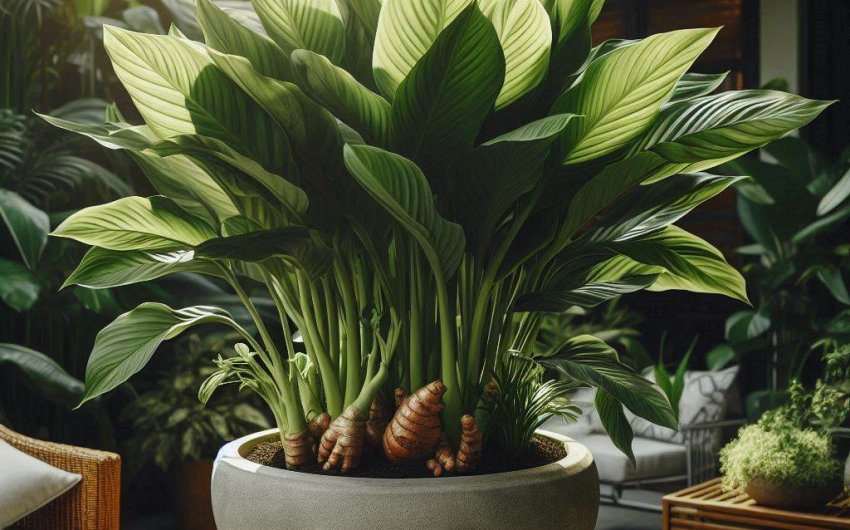
To grow turmeric at home for fresh spices, you'll need to start with healthy, organic turmeric rhizomes (root pieces) that have visible "eyes" or buds. Provide a warm, humid environment with consistent moisture and well-draining, rich soil, as turmeric thrives in tropical conditions.
Why Grow Turmeric at Home?
Growing turmeric at home is a rewarding endeavor that offers numerous benefits beyond simply having a fresh ingredient for your kitchen. This vibrant, healthful rhizome (underground stem) is a staple in many cuisines and traditional medicine systems, and cultivating it yourself provides a unique connection to your food and health.
Here's why you should consider growing turmeric at home:
- Access to Fresh, High-Quality Turmeric: Store-bought turmeric rhizomes can sometimes be old, shriveled, or treated with growth inhibitors. By growing your own, you ensure a fresh, potent supply of this valuable spice, packed with its signature compound, curcumin, known for its anti-inflammatory and antioxidant properties.
- Superior Flavor and Potency: Freshly harvested turmeric has a more vibrant, earthy, and peppery flavor profile compared to its dried, powdered counterpart. The aroma is also more pronounced. This can elevate your culinary creations to a new level.
- Health Benefits: Turmeric is widely celebrated for its potential health benefits. Having a fresh supply means you can easily incorporate it into juices, smoothies, teas, and meals, leveraging its natural compounds.
- A Beautiful Edible Plant: Beyond its culinary and medicinal uses, the turmeric plant itself is surprisingly beautiful. It grows into a lush, tropical-looking plant with large, elegant green leaves, reaching heights of 3-4 feet. Some varieties even produce attractive, cone-shaped flowers. It makes an excellent ornamental edible for patios or sunny indoor spots.
- Easy to Grow: Despite its exotic origins, turmeric is surprisingly easy to grow at home, especially in containers. It requires consistent warmth and moisture but is relatively low-maintenance once established. It's a great plant for beginner gardeners looking to try something a bit different.
- Sustainable and Self-Sufficient: Growing your own turmeric reduces your reliance on commercially produced spices, contributing to a more sustainable and self-sufficient lifestyle. You control exactly what goes into your plant – no pesticides or harsh chemicals.
- Harvesting and Storing: The process of harvesting turmeric is a fun and tangible reward for your gardening efforts. You can then use it fresh, dry it, or even make your own powdered turmeric from your harvest.
- Year-Round Supply (with proper care): If you live in a suitable climate or are willing to bring your plants indoors for winter, you can potentially maintain a continuous supply of fresh turmeric.
- Unique Culinary Applications: Fresh turmeric can be grated into stir-fries, curries, soups, and even baked goods. You can also make fresh turmeric tea or infused oils.
In essence, growing turmeric at home is a journey that connects you with the power of fresh, vibrant ingredients, offering both practical culinary advantages and the simple joy of nurturing an exotic plant in your own space.
What Do I Need to Start Growing Turmeric at Home?
To embark on the journey of growing turmeric at home, gathering the right starting materials and preparing your setup is crucial. Unlike growing from seed, you'll be planting rhizomes (root sections), which makes the process relatively straightforward once you have the essentials.
Here's what you'll need to start growing turmeric:
1. Turmeric Rhizomes (The "Seed" Turmeric)
- Source: This is the most important component. You cannot grow turmeric from the powdered spice. You need fresh, whole turmeric rhizomes.
- Organic Grocery Store: Look for plump, firm turmeric roots at organic grocery stores, Asian markets, or health food stores. Choose pieces that look healthy, unwrinkled, and, ideally, have visible "eyes" or small nubs, similar to how a potato sprouts. Avoid any pieces that are soft, mushy, or moldy.
- Seed/Nursery Supplier: The absolute best option is to purchase "seed turmeric" specifically for planting from a reputable online nursery or seed company. These are often guaranteed to be disease-free and untreated with sprout inhibitors. A reliable option can be found by searching for organic turmeric rhizomes for planting.
- Preparation: Before planting, break the large rhizomes into smaller pieces, each 1-2 inches (2.5-5 cm) long, ensuring each piece has at least one "eye" or bud. Let the cut pieces "cure" or dry in a warm, airy spot for 1-2 days. This allows the cut surface to callus over, preventing rot once planted.
2. Containers
- Size: Turmeric plants can grow quite large (3-4 feet tall) and produce a good amount of rhizomes, so they need ample space.
- For a single plant, use a pot that is at least 12-18 inches (30-45 cm) in diameter and at least 12 inches (30 cm) deep. The wider, the better, as the rhizomes spread horizontally.
- If planting multiple pieces, use larger containers, raised beds, or plant directly in the ground in suitable climates.
- Material: Plastic, terracotta, or fabric grow bags all work well. Fabric grow bags like VIVOSUN Fabric Grow Bags are excellent for aeration and preventing root circling.
- Drainage Holes: Crucial! Ensure your chosen container has ample drainage holes to prevent waterlogging, which can lead to rhizome rot.
3. Potting Mix
- Rich and Well-Draining: Turmeric thrives in rich, loose, and well-draining soil that also retains moisture.
- Ideal Blend: A good potting mix might include:
- High-quality potting mix: (e.g., FoxFarm Ocean Forest Potting Soil) as a base.
- Compost or well-rotted manure: Incorporate a generous amount (1/3 to 1/2 of the total mix) for fertility and organic matter.
- Perlite or coarse sand: (10-20% of the mix) to improve drainage and aeration.
- Coco coir or peat moss: (Optional, if your potting mix doesn't already contain it) for moisture retention.
- Avoid: Heavy garden soil or pure clay, as these will likely lead to poor drainage and rot.
4. Warmth and Humidity Setup
- Heating Mat (Optional but Recommended): A seedling heating mat can significantly speed up sprouting, especially if your indoor temperatures are below 70°F (21°C).
- Humidity Dome/Plastic Bag (Optional for sprouting): A clear plastic bag or humidity dome can be placed over the pot after planting to create a mini-greenhouse effect and maintain high humidity, aiding initial sprouting. Remove once sprouts appear.
- Mister/Spray Bottle: For maintaining ambient humidity later on.
5. Growing Location
- Sunlight: Turmeric prefers full sun to partial shade (at least 6-8 hours of direct sun daily is ideal, but partial shade in scorching afternoon sun is beneficial). Choose a spot on a sunny patio, balcony, or a very bright window indoors.
- Warmth: A consistently warm location, ideally above 68°F (20°C), is crucial. They are tropical plants.
By ensuring you have these essential materials and a suitable environment, you'll be well on your way to successfully growing turmeric at home and enjoying your very own fresh spices.
How Do I Prepare and Plant Turmeric Rhizomes?
Preparing and planting turmeric rhizomes correctly is the foundational step to successfully growing turmeric at home. This process is straightforward but requires attention to detail to ensure good sprouting and a healthy start for your future spice harvest.
Here's a step-by-step guide:
Step 1: Source and Select Your Rhizomes
- Obtain Healthy Rhizomes: Purchase organic turmeric rhizomes from a reputable seed supplier or a well-stocked organic grocery store.
- Look For: Plump, firm pieces with smooth skin, free from blemishes, mold, or softness.
- "Eyes" are Key: Look for small bumps or protuberances on the skin, known as "eyes" or "buds." These are where the new shoots will emerge. The more eyes, the better your chance of sprouting.
- Avoid Treated Turmeric: Conventional supermarket turmeric may have been treated with sprout inhibitors, making it harder to grow. Organic sources are best.
Step 2: Prepare the Rhizomes for Planting
- Break into Pieces: Gently break or cut the large turmeric rhizomes into smaller sections. Each section should be at least 1-2 inches (2.5-5 cm) long and contain at least one healthy "eye" or bud.
- Curing (Callusing): This is a crucial step to prevent rot.
- Place the cut rhizome pieces in a warm (70-80°F or 21-27°C), airy location out of direct sunlight for 1-2 days.
- This allows the cut surfaces to dry and form a protective callus, much like when preparing potato seed pieces. This barrier helps prevent fungal and bacterial infections once planted.
- Some gardeners skip this step, but it significantly increases success, especially in cooler or damper conditions.
Step 3: Prepare the Potting Mix and Container
- Mix Your Soil: In a large bucket, thoroughly mix your well-draining, rich potting mix. A blend of high-quality potting soil, plenty of compost (up to 50%), and some perlite or coarse sand for extra drainage is ideal. Ensure it's loose and crumbly.
- Moisten Soil: Lightly moisten the potting mix. It should be damp but not soggy – like a wrung-out sponge.
- Fill Container: Fill your chosen pot (at least 12-18 inches wide and 12 inches deep, with good drainage holes) with the prepared potting mix, leaving about 2-3 inches of space from the top rim.
Step 4: Plant the Turmeric Rhizomes
- Orientation: Place each cured rhizome piece directly on top of the soil, with any visible "eyes" or buds facing upwards. If you can't tell which way is up, don't worry too much; the plant will find its way.
- Spacing: If planting multiple pieces in a large container, space them 4-6 inches (10-15 cm) apart to allow room for new rhizome development.
- Cover Lightly: Cover the rhizomes with about 1-2 inches (2.5-5 cm) of the moistened potting mix. Do not bury them too deeply.
- Gentle Patting: Gently pat the soil down around the rhizomes to ensure good contact.
Step 5: Initial Watering
- Water In: Lightly water the newly planted rhizomes. The goal is to settle the soil around them and provide initial moisture for sprouting. Avoid overwatering at this stage, as too much moisture before sprouting can lead to rot.
Step 6: Provide Warmth and Humidity for Sprouting
- Warm Location: Place the potted turmeric in a consistently warm location. Turmeric needs temperatures above 68°F (20°C) to sprout, ideally 70-80°F (21-27°C).
- Indoors: A sunny window sill, near a heater (but not directly on it), or a warm spot in your home is suitable.
- Heating Mat: Using a seedling heating mat under the pot is highly recommended to speed up germination.
- Humidity Dome (Optional): To create a mini-greenhouse effect and maintain high humidity, you can loosely cover the top of the pot with clear plastic wrap or a clear plastic bag. Remove this once you see sprouts emerge.
- Patience: Turmeric can be slow to sprout. It can take anywhere from 3-4 weeks to several months for shoots to appear, especially if conditions aren't consistently warm. Don't give up!
By meticulously following these steps for preparing and planting your turmeric rhizomes, you lay the essential groundwork for successfully growing turmeric at home and eventually enjoying your own fresh spices.
How Do I Care for Turmeric Plants While They Grow?
Once your turmeric rhizomes have sprouted and developed into leafy green plants, providing consistent and appropriate care is vital for a robust plant and a bountiful harvest of fresh spices. Turmeric thrives in conditions that mimic its tropical origins, so focus on warmth, moisture, and plenty of light.
Here's how to care for your turmeric plants throughout their growing season:
1. Light Requirements
- Bright Light: Turmeric prefers bright light. Aim for at least 6-8 hours of direct sunlight per day.
- Partial Shade in Hot Climates: In areas with scorching afternoon sun or extreme heat, a location that gets morning sun and some afternoon shade is ideal to prevent leaf scorch.
- Indoors: If growing turmeric indoors, place it in your sunniest window (south or west-facing) or under strong grow lights. Rotate the pot regularly to ensure even growth.
2. Watering
- Consistent Moisture: Turmeric plants are thirsty and require consistently moist soil, especially during their active growing season (spring through fall). They do not like to dry out completely.
- Avoid Soggy Soil: While they love moisture, they absolutely hate soggy, waterlogged soil, which leads to rhizome rot. Ensure your pot has excellent drainage holes, and your potting mix is well-draining.
- How to Water: Water deeply until water drains from the bottom of the pot. Allow the top inch or two of soil to dry out slightly before watering again. Stick your finger into the soil to check moisture levels.
- Reduce in Dormancy: As the plant begins to yellow and die back in late fall/winter, significantly reduce watering. The plant is going dormant, and excess water will cause rot.
3. Humidity
- High Humidity is Ideal: Turmeric thrives in high humidity.
- Methods:
- Misting: Mist the leaves daily, especially in dry indoor environments.
- Pebble Tray: Place the pot on a pebble tray filled with water (ensure pot is above water).
- Grouping Plants: Cluster turmeric plants with other humidity-loving plants.
4. Temperature
- Warmth is Key: Turmeric is a tropical plant and needs consistently warm temperatures. Aim for daytime temperatures between 70-85°F (21-30°C).
- Avoid Cold: Do not expose turmeric plants to temperatures below 50°F (10°C). They will stop growing and may go dormant or suffer cold damage. If growing outdoors in a temperate climate, bring them inside before the first frost.
5. Fertilizing
- Regular Feeding: As heavy feeders, turmeric plants benefit from regular fertilization during their active growing season (spring and summer).
- Type: Use a balanced organic liquid fertilizer (e.g., organic fish emulsion or organic liquid plant food) diluted to half strength.
- Frequency: Apply every 2-4 weeks. Always water the plant before fertilizing to prevent root burn.
- Compost Tea: Regular applications of compost tea can also provide a gentle, continuous nutrient supply.
6. Pruning (Minimal)
- Remove Dead Leaves: You may occasionally remove any yellowing or dead lower leaves to improve aesthetics and air circulation.
- No Aggressive Pruning: No other significant pruning is generally required.
7. Pest and Disease Management
- Generally Pest-Free: Turmeric plants are relatively pest and disease resistant when grown in optimal conditions.
- Common Issues:
- Spider Mites: Can appear in very dry indoor environments. Increase humidity and mist regularly.
- Root Rot: The main concern, caused by overwatering or poor drainage. Ensure proper watering and drainage.
- Inspection: Regularly inspect your plants for any signs of issues and address them promptly with organic solutions like insecticidal soap or neem oil if necessary.
By diligently following these care guidelines, your turmeric plants will flourish, developing healthy foliage and, more importantly, expanding their valuable rhizomes underground, preparing for your harvest of fresh spices.
When and How Do I Harvest Turmeric for Fresh Spices?
Harvesting turmeric for fresh spices is the rewarding culmination of your efforts in growing turmeric at home. Knowing when to harvest and how to do it properly ensures you get the most flavorful and potent rhizomes from your plants. Turmeric has a long growing season, so patience is key!
When to Harvest Turmeric
- Long Growing Season: Turmeric plants typically need a long, warm growing season, usually 8-10 months (and sometimes up to a year) from planting to harvest.
- Signs of Maturity/Dormancy: The most reliable indicator that your turmeric is ready for harvest is when the plant begins to naturally die back and go dormant.
- Yellowing Leaves: The large green leaves will start to turn yellow, beginning from the tips and edges, and eventually whole stalks will yellow and begin to dry out.
- Browning and Wilting: The foliage will progressively brown, wilt, and eventually collapse. This usually occurs in late fall or early winter as temperatures drop, or after a long period of consistent warmth if grown indoors.
- Timing: For most temperate climates, if you planted in spring (April/May), your harvest will likely be in late autumn or early winter (November/December). If growing turmeric indoors year-round in a warm spot, you might see natural dormancy cycles, or you may need to induce dormancy by gradually reducing water to encourage rhizome development.
How to Harvest Turmeric
- Stop Watering: Once the foliage starts to yellow and die back significantly, stop watering the plant completely. Allow the soil to dry out for a week or two. This helps the rhizomes cure slightly and prevents rot during harvest.
- Prepare for Digging:
- Potted Plants: For container-grown turmeric, simply tip the pot over gently onto a tarp or newspaper.
- In-Ground Plants: For turmeric grown directly in the garden bed, use a garden fork or spade to carefully loosen the soil around the base of the plant.
- Extract the Rhizomes:
- Gently pull the dried stalks from the soil. The rhizomes will usually come up with them in a large clump.
- Carefully sift through the soil to locate all the rhizomes. They will be nestled together, often resembling a gnarled, golden "hand" of ginger.
- Clean the Rhizomes:
- Gently brush off most of the loose soil from the rhizomes.
- Do not wash them immediately if you plan to cure them for longer storage (see below). If using immediately, you can wash them.
- Separate the Rhizomes:
- Break off the main rhizome from the smaller "fingers" or secondary rhizomes that have formed. These smaller, brighter yellow rhizomes are the prime fresh spice for culinary use.
What to Do After Harvest (Curing & Storage)
- Select Next Year's Seed:
- Set aside a few of the healthiest, plumpest rhizome pieces (each with several "eyes") from your harvest to replant next spring. This ensures a continuous supply.
- Curing (for Longer Storage):
- Purpose: Curing helps to harden the skin of the rhizomes, reducing moisture loss and preventing rot, which allows for longer storage.
- Method: Place the unwashed turmeric rhizomes in a warm (around 80-85°F or 27-30°C), well-ventilated area, out of direct sunlight, for 1-2 weeks. This allows the skin to dry and toughen.
- Storage:
- Fresh Use: Store unpeeled, uncured turmeric in a paper bag in the crisper drawer of your refrigerator for up to 2-3 weeks.
- Long-Term Storage (Cured): After curing, store turmeric in a cool, dark, dry, and well-ventilated place (like a root cellar, basement, or garage if temperatures are stable) for several months.
- Freezing: Peel and chop or grate fresh turmeric, then freeze it in an airtight container or freezer bag. It will last for several months to a year.
- Drying and Powdering:
- Wash and peel the turmeric rhizomes.
- Slice them thinly or grate them.
- Dry thoroughly in a dehydrator, a low oven, or in direct sun (if consistently hot and dry) until completely brittle.
- Grind the dried pieces into a fine powder using a spice grinder or a high-powered blender. Store in an airtight container in a cool, dark place. This is how you get your own homemade turmeric spice powder.
Harvesting turmeric is a simple yet deeply satisfying process, connecting you directly to the vibrant, healthful spices you've cultivated with your own hands.