
Indoor Plant Styling Tips for Every Room
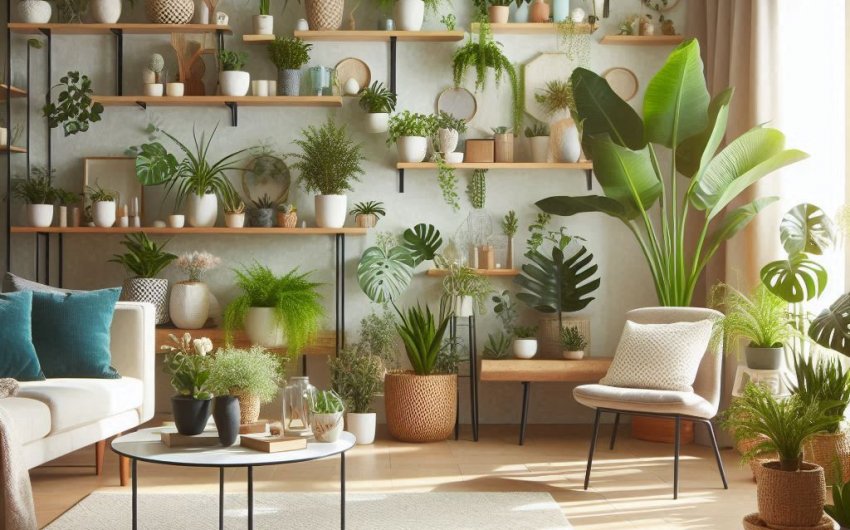
Bringing the beauty of nature indoors with houseplants is more than just a trend; it's a way to enhance your living space, boost your mood, and even clean the air. But placing a plant in a corner isn't always enough to make it truly "pop." The art of indoor plant styling involves thoughtfully arranging your green friends to complement your decor, create visual interest, and transform your home into a vibrant, living sanctuary.
This guide is packed with indoor plant styling tips for every room in your house, from the bustling living room to the cozy bedroom and the functional bathroom. We'll explore how to choose the right plants for the right spots, how to select stylish pots, and creative ways to display your botanical beauties to maximize their aesthetic impact. Get ready to turn your indoor jungle dreams into a stylish reality!
Why is Indoor Plant Styling Important?
It's not just about having plants; it's about how you arrange them to create an overall look and feel.
Does Plant Styling Enhance Interior Decor?
Absolutely! Plants are like living sculptures. When styled thoughtfully, they can:
- Add Color and Texture: Break up monotonous spaces with lush greens, vibrant blooms, and varied leaf shapes.
- Create Focal Points: A large, striking plant can become the centerpiece of a room.
- Soften Harsh Lines: Plants naturally soften the edges of furniture and architecture, making a room feel more inviting.
- Bridge the Indoors and Outdoors: Create a seamless transition, especially with natural materials.
Can Plants Improve Room Atmosphere and Mood?
Yes! The presence of plants is known to have a positive impact on well-being.
- Calming Effect: Greenery can create a serene, calming atmosphere, reducing stress.
- Boost Productivity: Studies suggest plants in workspaces can improve focus and productivity.
- Clean Air: Many houseplants help filter toxins from the air, contributing to a healthier indoor environment. (Though you'd need many plants to significantly impact air quality, the psychological benefit is real!)
Does Styling Maximize Plant Health?
Good styling often goes hand-in-hand with good plant care. Placing a plant in the right spot for its light needs, ensuring good airflow, and using appropriate containers are all part of good styling, and they also contribute directly to your plant's health and longevity.
Is it a Creative and Budget-Friendly Way to Decorate?
Compared to buying new furniture or expensive art, adding and styling plants can be a very budget-friendly way to refresh your home decor. You can often find affordable plants and then use creative display methods to make them shine.
Fundamental Principles of Indoor Plant Styling
No matter the room, these core styling principles will elevate your plant game.
1. Consider Plant Needs First
- Light is Key: This is the most crucial factor. Match your plant to the light conditions of the room.
- Bright, Direct Light: South-facing windows are ideal for sun-lovers like succulents, cacti, or Fiddle Leaf Figs.
- Bright, Indirect Light: Most common houseplants (e.g., Pothos, Monstera, Snake Plants, Peace Lilies) thrive here. Near east or west-facing windows, or a few feet from a south window.
- Low Light: Some plants (e.g., ZZ Plants, Cast Iron Plant) can tolerate low light, but no plant truly "thrives" in darkness.
- Humidity: Some plants (e.g., Ferns, Calatheas) love humidity. Place them in bathrooms or group them to create a microclimate.
- Space: Consider the plant's mature size. A huge Monstera needs more room than a tiny succulent.
2. Choose the Right Pot
The pot is half the style! Don't underestimate its impact.
- Material:
- Ceramic/Terra Cotta: Classic, porous (good for plants that like to dry out). Terra cotta pots are inexpensive and versatile.
- Glazed Ceramic: Less porous, vibrant colors, easy to clean.
- Concrete: Modern, industrial look, heavy.
- Woven Baskets: Add texture and warmth. Use a plastic liner inside to protect the basket and floor. You can find indoor plant baskets.
- Style: Match your interior decor. Minimalist pots for modern rooms, ornate pots for traditional, natural textures for bohemian.
- Drainage: Always choose pots with drainage holes. If your decorative pot doesn't have one, keep the plant in a nursery pot inside and remove it for watering.
- Size: Don't put a tiny plant in a giant pot, or a huge plant in a pot that's too small. The pot should be proportionate to the plant's current size.
3. Play with Height and Layers
- Varying Levels: Use plant stands, shelves, hanging planters, and floor-standing pots to create different heights. This adds visual interest and dynamic flow.
- Groupings: Cluster plants together in odd numbers (3 or 5) for a natural, lush look. Mix plants with different leaf sizes, colors, and textures within the grouping.
4. Consider Visual Balance and Scale
- Large Plants: Use one or two large plants to anchor a room or fill an empty corner.
- Medium Plants: Group medium-sized plants on tables, sideboards, or in open shelving.
- Small Plants: Dot small plants (like succulents) on bookshelves, windowsills, or coffee tables.
- Empty Space: Don't overcrowd. Allow some negative space for your plants to breathe and for their beauty to stand out.
Indoor Plant Styling Tips for Every Room
Let's get specific about how to style plants in different areas of your home.
1. Living Room Plant Styling
The living room is often the heart of the home, perfect for showcasing your plant collection.
- Corner Statement: Place a large Fiddle Leaf Fig, Monstera Deliciosa, or Bird of Paradise in an empty corner to fill vertical space and create a dramatic focal point.
- Shelving Display: Arrange small to medium-sized plants on bookshelves or built-in shelving. Mix them with books, art, and decor items. Think Pothos vines trailing down, or upright Snake Plants.
- Coffee Table/Side Table: Use a small grouping of plants on a decorative tray on your coffee table. Succulents, small ZZ Plants, or a vibrant Prayer Plant work well.
- Hanging Plants: Utilize hanging planters in corners or near windows to add greenery at eye level and draw attention upward. Spider plants or String of Pearls are perfect.
2. Bedroom Plant Styling
Create a serene and calming atmosphere in your bedroom with plants.
- Nightstand Nook: A small Peace Lily (known for air-purifying qualities) or a mini Snake Plant (releases oxygen at night) can be perfect on a nightstand.
- Dressers/Desks: Group a few smaller plants like a Pothos or Philodendron on a dresser.
- Corner Oasis: A medium-sized plant like a ZZ Plant or a smaller Monstera can bring a touch of nature without being overwhelming.
- Avoid Overcrowding: Keep it relatively simple to maintain a calm, clutter-free environment conducive to sleep.
3. Kitchen Plant Styling
Bring fresh flavors and a lively feel to your kitchen.
- Herb Garden: Grow fresh herbs (basil, mint, rosemary, chives) on a sunny windowsill.
- Countertop Decor: A small Pothos or Spider Plant can add a touch of green to a kitchen counter.
- Hanging Displays: If you have space, hang planters above a sink or near a window.
- Beware of Grease: Avoid placing plants too close to the stovetop where they can get coated in grease.
4. Bathroom Plant Styling
Bathrooms often offer high humidity, making them ideal for certain plants.
- Humidity Lovers: Ferns (like Boston Fern or Maidenhair Fern), Orchids, Calatheas, and Prayer Plants thrive in steamy bathroom environments.
- Windowsill Wonders: If you have a windowsill, smaller plants are perfect.
- Shower Area: Some humidity-loving plants can even be placed near (but not under) the shower for an extra dose of moisture. Ensure good airflow to prevent mildew.
5. Dining Room Plant Styling
Elevate your dining experience with elegant plant displays.
- Centerpiece: A low, wide planter with succulents or a few Air Plants can make a beautiful, non-obtrusive centerpiece.
- Sideboard/Buffet: A medium-sized plant or a grouping of plants can enhance a sideboard.
- Large Corner Plant: If your dining room is spacious, a large plant can soften a corner or define the space.
6. Home Office Plant Styling
Create a more productive and pleasant workspace.
- Desk Companions: A small Snake Plant, ZZ Plant, or Pothos can sit on your desk without being distracting.
- Shelving: Incorporate plants into existing office shelving for a pop of green.
- Air Purifiers: Many plants are known to improve air quality, which can be beneficial in a closed office space.
Advanced Indoor Plant Styling Techniques
Once you've mastered the basics, try these techniques to make your plants truly stand out.
1. Create a Plant Wall or Gallery
- Vertical Displays: Install floating shelves specifically for plants, or use wall-mounted planters to create a living green wall.
- Variety: Mix different plant types, pot styles, and display heights for a dynamic arrangement.
2. Group Plants Thoughtfully
- "Thrillers, Fillers, Spillers": Apply this container gardening principle to indoor groupings. Use a tall, upright plant (thriller), fuller plants around its base (filler), and trailing plants to cascade over the edges (spiller).
- Texture and Color Contrast: Group plants with contrasting leaf shapes (e.g., broad Monstera next to feathery Asparagus Fern) or colors (e.g., dark green ZZ Plant next to a vibrant Red Aglaonema).
3. Add Decorative Elements
- Pebbles/Moss/Mulch: Cover exposed soil in pots with decorative river pebbles, Spanish moss, or natural wood chips to add a polished finish and retain moisture.
- Lighting: Use LED grow lights strategically to highlight plants, especially in darker corners, and to support their growth.
- Plant-Themed Art: Incorporate botanical prints, illustrations, or sculptures into your decor to complement your living plants.
4. Consider Plant Stands and Pedestals
- Elevate: Plant stands lift plants off the floor, giving them more prominence and often better light. They come in various heights and styles.
- Create Vignettes: Use a stand to create a mini-display with a single beautiful plant or a small grouping.
5. Embrace Terrariums and Cloches
- Mini Ecosystems: Terrariums are perfect for small, humidity-loving plants like ferns or mosses. They are self-contained and visually appealing.
- Cloches: Place a clear glass cloche over a small plant or succulent arrangement to create a beautiful, moisture-rich display.
By combining practical plant care with these indoor plant styling tips for every room, you can transform your home into a lush, inviting, and truly living space. Happy styling!