
Hydrangea Garden Designs for All Seasons
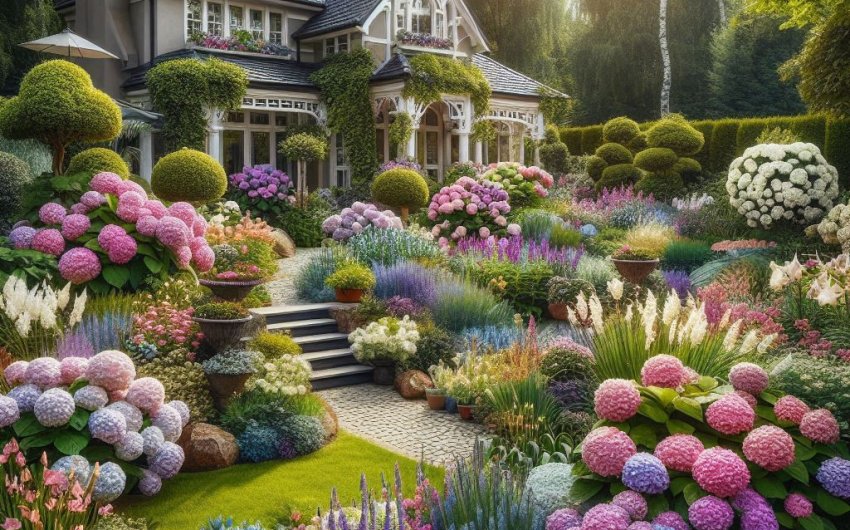
Few plants capture the heart of a gardener quite like the hydrangea. With their lush foliage, impressive blooms, and remarkable versatility, hydrangeas are truly a garden showstopper. But a hydrangea garden doesn't have to be just a summer spectacle. With thoughtful design and selection, you can create a vibrant, interesting hydrangea garden that offers beauty for all seasons!
This guide will inspire you with diverse hydrangea garden designs tailored for year-round appeal. We'll delve into selecting the right varieties, combining them with complementary plants, and incorporating clever design elements to ensure your garden remains captivating long after the summer blooms fade. Get ready to transform your outdoor space into a dynamic and stunning retreat that delights in every season!
Why Design a Hydrangea Garden for All Seasons?
Focusing on year-round interest goes beyond just having something pretty to look at. It enhances the value and enjoyment of your outdoor space.
Can a Hydrangea Garden Offer Year-Round Beauty?
Absolutely! While hydrangea blooms are most famous in summer, many varieties offer interesting features in other seasons.
- Fall Color: Some hydrangeas provide beautiful fall foliage, turning shades of red, purple, or bronze.
- Winter Interest: Dried flower heads can remain on the plant, offering sculptural interest against a snowy backdrop. The unique bark of certain varieties (like Oakleaf Hydrangeas) also adds texture.
- Spring Promise: New growth emerges in spring, signaling the coming warmth and a fresh burst of green.
By choosing specific hydrangea varieties and combining them with other plants, you can ensure your garden remains a dynamic and visually appealing space throughout the entire year.
Does it Improve Garden Aesthetics?
A garden that looks good in all seasons is truly a masterpiece. It provides continuous enjoyment, even when other plants are dormant. It creates depth, texture, and color variations that keep the landscape alive and engaging, regardless of the weather. This attention to detail elevates the overall aesthetic of your property.
Can It Increase Property Value?
Yes, a well-designed landscape that offers year-round beauty is a significant selling point. It indicates a thoughtful, well-maintained property and enhances curb appeal in every season, not just during peak bloom times. This can contribute to a higher resale value for your home.
Does it Promote Deeper Gardening Enjoyment?
For the gardener, having something to appreciate in every season deepens the joy of gardening. It allows for continuous observation, planning, and connection with the natural cycles. You'll find yourself drawn to your garden even on a frosty winter day, noticing the subtle beauty that remains.
Understanding Hydrangea Varieties for All Seasons
Not all hydrangeas are created equal when it comes to year-round appeal. Knowing the different types is crucial for smart design.
1. Bigleaf Hydrangeas (Hydrangea macrophylla)
These are the most common type, famous for their large, round Mophead or flat Lacecap blooms.
- Seasonal Interest:
- Summer: Massive, vibrant blooms (pink, blue, purple depending on soil pH and variety).
- Fall: Foliage can turn attractive shades of burgundy or bronze on some varieties. Dried flower heads often persist, providing winter interest.
- Key Varieties for Fall/Winter Interest: 'Endless Summer' series (reblooming), 'Nikko Blue' (strong blue), 'BloomStruck' (strong stems, good fall color).
- Considerations: Color-changing depends on soil pH. Some can be sensitive to late frosts in spring.
2. Panicle Hydrangeas (Hydrangea paniculata)
These are incredibly hardy and versatile, known for their cone-shaped flowers.
- Seasonal Interest:
- Summer: Abundant white or lime green blooms that often age to shades of pink or red.
- Fall: Aged blooms deepen in color to rich pinks, reds, and burgundies, often persisting well into winter. Foliage can also have some fall color.
- Winter: Dried, papery flower heads remain on strong stems, providing excellent winter structure and texture.
- Key Varieties for All Seasons: 'Limelight' (lime to white to pink), 'Little Lime' (dwarf 'Limelight'), 'Pinky Winky' (white to pink, strong stems), 'Quick Fire' (earliest blooming, turns deep pink), 'Vanilla Strawberry' (white to pink to strawberry red).
- Considerations: Very cold-hardy, reliable bloomers. Bloom on new wood, so pruning in late winter won't sacrifice flowers.
3. Oakleaf Hydrangeas (Hydrangea quercifolia)
Distinctive for their oak-shaped leaves and pyramidal flower clusters.
- Seasonal Interest:
- Summer: Elegant white blooms that often age to pink.
- Fall: Spectacular fall foliage, turning brilliant shades of burgundy, red, orange, and purple. This is their major draw for fall.
- Winter: Exfoliating bark (peeling, cinnamon-colored bark) provides amazing texture and interest against snow. Dried flower heads persist.
- Key Varieties for All Seasons: 'Snowflake' (double white blooms), 'Ruby Slippers' (compact, rich red fall foliage), 'Alice' (large, vigorous).
- Considerations: Also very cold-hardy. Bloom on old wood, so prune right after flowering.
4. Smooth Hydrangeas (Hydrangea arborescens)
Best known for the 'Annabelle' variety, with large, spherical white blooms.
- Seasonal Interest:
- Summer: Abundant white blooms.
- Fall/Winter: Dried flower heads persist, offering some texture, but generally less dramatic fall foliage or winter bark than Oakleafs or Panicles.
- Key Varieties: 'Annabelle' (classic white), 'Incrediball' (stronger stems than 'Annabelle'), 'Invincibelle Spirit II' (pink version).
- Considerations: Bloom on new wood, very cold-hardy. Excellent for naturalizing or mass planting.
Hydrangea Garden Designs for Year-Round Appeal
Let's combine these varieties with other plants and design elements to create truly dynamic gardens.
1. The Hydrangea Border (Layered Beauty)
Create a stunning border along a fence, house, or walkway.
- Design: Layer different hydrangea varieties according to their mature height and seasonal interest.
- Back Layer: Tall Panicle varieties like 'Limelight' or large Oakleafs for structure and winter interest.
- Middle Layer: Mid-sized Bigleaf rebloomers like 'Endless Summer' or compact Panicles like 'Little Lime' for summer color.
- Front Layer: Dwarf hydrangeas (e.g., 'Bobo' Panicle), low-growing evergreens, or colorful annuals to fill in.
- Complementary Plants:
- Evergreens: Dwarf conifers, boxwoods, or hostas (for spring/summer foliage, then texture in winter) provide structure and year-round green.
- Perennials with Fall Interest: Sedum 'Autumn Joy', asters, or chrysanthemums add late-season color.
- Spring Bulbs: Plant tulips, daffodils, and crocuses in front of hydrangeas for early spring color before the hydrangeas fully leaf out.
- Tip: Ensure adequate spacing for each hydrangea's mature size.
2. The Hydrangea Focal Point (Statement Piece)
Use a large hydrangea to draw the eye in a specific spot.
- Design: Select a majestic variety like a large Panicle ('Quick Fire', 'Vanilla Strawberry') or a grand Oakleaf. Plant it as a specimen in a lawn, at the corner of a house, or at the end of a pathway.
- Underplanting: Surround the base with low-growing, complementary plants.
- Groundcovers: Creeping Jenny, hostas, or ajuga provide continuous ground cover.
- Flowering Annuals: Use vibrant annuals for continuous summer color at the base while the hydrangea blooms.
- Accents: Add a piece of garden art, a decorative bird bath, or solar spot lights to highlight the hydrangea.
3. The Woodland Hydrangea Garden (Shade Lover's Delight)
If you have a shaded area, hydrangeas (especially Bigleaf and Oakleaf) can thrive.
- Design: Mimic a natural woodland setting. Plant hydrangeas among shade-loving perennials and ferns.
- Complementary Plants:
- Ferns: Ferns of various textures (e.g., Japanese painted fern, Ostrich fern) provide lush green foliage.
- Hostas: Wide range of leaf shapes and colors, offering excellent texture.
- Hellebores: Provide early spring blooms when little else is flowering.
- Bleeding Hearts: Delicate foliage and charming spring flowers.
- Groundcover: Use creeping shade groundcovers like vinca or ajuga.
- Natural Elements: Incorporate mossy rocks, wood logs, or naturalistic pathways.
4. The Hydrangea Hedge (Privacy and Beauty)
Create a living screen with a dense planting of hydrangeas.
- Design: Plant a row of a single hydrangea variety or a mix of types with similar growth habits, spaced closely to form a continuous hedge.
- Best Varieties:
- Panicle Hydrangeas: 'Limelight', 'Quick Fire', or 'Pinky Winky' are excellent due to their hardiness, strong stems, and reliable dense growth. They also offer multi-season color.
- Smooth Hydrangeas: 'Incrediball' can create a lovely hedge with their strong stems.
- Considerations: Consistent pruning may be needed to maintain desired shape and density. Panicle varieties are generally best for this as they bloom on new wood.
5. Hydrangeas in Containers (Flexible & Mobile)
Even if you have limited space, you can enjoy hydrangeas!
- Design: Plant compact hydrangea varieties in large, attractive outdoor planters.
- Best Varieties: Dwarf Bigleafs ('Pistachio', 'Tuff Stuff Ah-Ha'), compact Panicles ('Bobo', 'Little Quick Fire'), or even smaller Oakleafs.
- Benefits: Allows you to move the hydrangea to optimal sun conditions, protect it during extreme weather, and change the look of your patio or deck.
- Seasonal Styling: Surround the container with seasonal annuals or add small fairy lights for evening sparkle.
Essential Tips for Designing Your All-Season Hydrangea Garden
Beyond the specific designs, these general tips will help ensure your hydrangea garden thrives and looks fantastic year-round.
1. Know Your Site Conditions
- Sunlight: Most hydrangeas prefer morning sun and afternoon shade, especially in hot climates. Too much sun can scorch leaves and reduce blooms. Too much shade can lead to leggy plants and fewer flowers.
- Soil: They thrive in well-draining, fertile soil. Amend heavy clay or sandy soil with organic compost.
- Climate Zone: Choose hydrangea varieties hardy for your USDA plant hardiness zone.
2. Consider Mature Size and Spacing
- Read the Tags: Always check the plant tag for the hydrangea's mature height and spread.
- Give Them Room: Plant hydrangeas with enough space to grow to their full size without crowding. This ensures good airflow, reduces disease, and prevents them from overshadowing companion plants.
3. Plan for Continuous Bloom and Interest
- Staggered Blooms: Include early-blooming (e.g., 'Quick Fire' Panicle), mid-season (most Bigleafs), and late-season (some Panicles) hydrangeas for a longer bloom period.
- Fall Foliage: Prioritize Oakleaf Hydrangeas for their stunning fall color. Many Panicles also offer good leaf color.
- Winter Structure: Choose Panicle and Oakleaf Hydrangeas whose dried flower heads and unique bark provide excellent winter interest. Avoid cutting back these spent blooms until late winter/early spring if you want to enjoy them.
4. Companion Planting for All Seasons
- Evergreens: Include a mix of evergreen shrubs (e.g., boxwood, holly, dwarf conifers) and perennials (e.g., hellebores, ferns) that provide structure, texture, and color when deciduous hydrangeas lose their leaves.
- Spring Bloomers: Plant spring bulbs (daffodils, tulips, crocuses) and early perennials (bleeding hearts, Lenten roses) to bring color to the garden before your hydrangeas begin to shine.
- Fall Bloomers: Integrate asters, sedum 'Autumn Joy', or fall-blooming anemonies to continue the color show as hydrangea blooms age.
5. Thoughtful Pruning
- Know Your Hydrangea: Pruning time depends on whether your hydrangea blooms on "old wood" (Bigleaf, Oakleaf) or "new wood" (Panicle, Smooth). Pruning at the wrong time can remove next year's blooms.
- Deadheading (Optional): Remove spent blooms (deadheading) on some varieties to encourage more flowers, or leave them on for winter interest.
6. Mulch for Health and Aesthetics
- Benefits: A 2-3 inch layer of organic mulch (like shredded bark, pine needles, or compost) helps retain soil moisture, regulate soil temperature, suppress weeds, and adds a finished look to your garden beds.
By incorporating these hydrangea garden design ideas for all seasons, you'll create a dynamic, beautiful, and engaging outdoor space that brings joy and inspiration year-round. Happy gardening!