
How to Eliminate Gnats Inside Your Home?
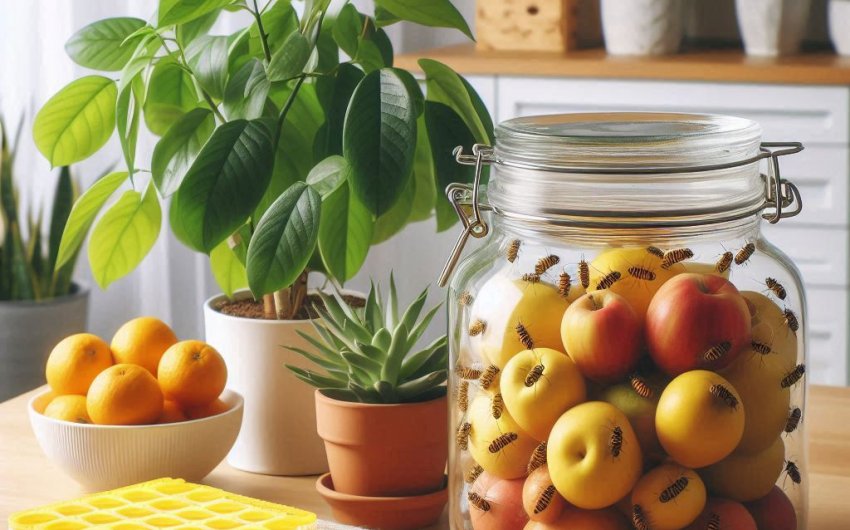
Those tiny, annoying little black flies buzzing around your kitchen or houseplants are almost certainly gnats – most commonly fruit flies or fungus gnats. They seem to appear out of nowhere, multiply rapidly, and can quickly become an infuriating nuisance in your home. While small, their constant presence can be incredibly irritating and even unhygienic, especially when they're swarming around your food.
The good news is, you don't have to live with them! Learning how to eliminate gnats inside your home is a multi-pronged approach that combines targeted traps with crucial preventative measures. This guide will provide you with effective DIY gnat trap ideas that work fast, alongside essential tips for breaking their breeding cycle and keeping your indoor spaces gnat-free. Get ready to reclaim your peace and your sanity from these tiny invaders!
What Kind of Gnats Do I Have and Why Are They Here?
Before you can effectively eliminate gnats, it helps to know what type you're dealing with, as their attraction and breeding habits differ slightly.
Are They Fruit Flies?
- Appearance: Often reddish-brown, with bright red eyes. They are drawn to fruit bowls and fermenting liquids.
- Attraction: Primarily attracted to ripe, overripe, or fermenting fruits and vegetables. They also love spilled sugary drinks, unrinsed recycling containers, and moist organic matter in drains.
- Breeding Ground: They lay eggs directly on fermenting food or in the scum inside drains.
- Where you see them: Usually hovering around fruit bowls, kitchen sinks, garbage cans, and recycling bins.
Are They Fungus Gnats?
- Appearance: Smaller than fruit flies, typically black or dark gray, with long antennae and spindly legs. They often look like tiny mosquitoes.
- Attraction: Primarily attracted to moist potting soil.
- Breeding Ground: They lay eggs in the top 1-2 inches of consistently wet potting soil. Their larvae feed on fungi, decaying organic matter, and sometimes plant roots.
- Where you see them: Buzzing around houseplants, particularly when disturbed, or crawling on the surface of the soil. They are less interested in your food.
Why Do Gnats Seem to Appear Out of Nowhere?
Gnats can enter your home through open doors or windows, often attracted by the scents of ripening fruit or moist soil. However, they can also hitch a ride on new houseplants, or their eggs can already be present in bags of potting soil. Once inside, if conditions are right (food source + moisture), they can reproduce incredibly quickly, leading to a visible infestation in just a few days.
Top DIY Gnat Trap Ideas That Work Fast (For Fruit Flies)
These traps are designed to lure fruit flies with scents they love and then effectively trap them. They use common household ingredients and are very cheap to make.
1. The Apple Cider Vinegar Funnel Trap (Most Popular & Effective)
This is the gold standard for DIY fruit fly traps.
- How it works: Apple cider vinegar smells like fermenting fruit, which fruit flies adore. The dish soap breaks the surface tension of the liquid, causing the flies to sink and drown. The funnel makes it hard for them to escape.
- Ingredients:
- 1/2 cup apple cider vinegar
- 1-2 drops liquid dish soap
- A glass jar
- A piece of paper or plastic wrap
- Optional: a pinch of sugar or a small piece of overripe fruit (like banana peel) for extra allure.
- How to make it:
- Pour the apple cider vinegar into the jar.
- Add the dish soap and stir very gently (too many suds deter flies).
- If using, add sugar or fruit.
- For a paper funnel: Roll a piece of paper into a cone, leaving a small opening at the bottom. Secure with tape. Place the narrow end into the jar, ensuring it doesn't touch the liquid.
- For a plastic wrap cover: Tightly cover the top of the jar with plastic wrap. Poke several tiny holes (about 1/8 inch wide) in the plastic wrap with a toothpick or pen.
- Placement: Set traps near fruit bowls, sinks, garbage cans, or recycling bins.
- Tip: Replace the solution every 2-3 days, or when it becomes full of gnats.
2. Stale Beer or Wine Trap (Alcoholic Attraction)
Fruit flies are notoriously attracted to alcohol, especially fermented beverages.
- How it works: The yeast and alcohol fumes attract the flies, and the added dish soap traps them.
- Ingredients: Small amount of stale beer, old red wine, or even leftover hard cider, 1-2 drops dish soap.
- How to make it:
- Pour a shallow amount of the alcoholic beverage into a small bowl or ramekin.
- Add the dish soap and swirl gently.
- Placement: Place near where fruit flies are observed.
- Tip: This is a fantastic way to use up leftover drinks that are no longer palatable for humans.
3. Rotten Fruit Bait (High Attraction)
If you have a particularly bad fruit fly problem, highly attractive bait can work wonders.
- How it works: The strong scent of very ripe or fermenting fruit is irresistible to fruit flies.
- Ingredients: A small piece of very rotten fruit (e.g., banana, apple, peach), a small bowl or jar, plastic wrap, 1-2 drops dish soap.
- How to make it:
- Place the rotten fruit in the bottom of a bowl or jar.
- Add a few drops of dish soap.
- Cover tightly with plastic wrap and poke several small holes.
- Placement: Place where flies are most active.
- Tip: This is a very quick visual indicator of your fruit fly population. You'll likely see results fast. Make sure to remove and discard the trap (with caught flies) and refresh the bait daily.
Top DIY Gnat Trap Ideas That Work Fast (For Fungus Gnats)
These traps focus on attracting and eliminating fungus gnats, which are drawn to moist soil.
1. Yellow Sticky Traps (Visual Magnet)
Fungus gnats are irresistibly attracted to the color yellow. These traps are a key component of effective control.
- How it works: The bright yellow color lures the adult gnats, and they get stuck on the adhesive surface. This reduces the number of adults that can lay new eggs.
- Ingredients: Bright yellow cardstock or sturdy paper, petroleum jelly or Tanglefoot insect barrier, small sticks or skewers.
- How to make it:
- Cut yellow paper into small strips or shapes (e.g., squares, butterflies).
- Spread a thin, even layer of petroleum jelly or Tanglefoot on both sides of the yellow paper.
- Tape or clip the sticky paper to the end of a stick or skewer.
- Insert the stick into the soil of infested houseplants, just above the soil surface. You can also hang them.
- Placement: In every infested houseplant.
- Tip: You can buy pre-made yellow sticky traps for houseplants if you prefer not to DIY the sticky part. Replace when covered with gnats.
2. Potato Slices (Larvae Trap and Indicator)
This method specifically targets the larval stage of fungus gnats, which live in the soil and feed on fungi.
- How it works: Raw potato offers a more attractive food source than decaying organic matter in the soil, drawing larvae out of the potting mix and onto the potato.
- Ingredients: Thin slices of raw potato (about 1/4 inch thick).
- How to make it:
- Place 1-2 thin slices of raw potato directly on the surface of the soil in infested plant pots.
- How to use it: Leave the potato slices on the soil for a few hours (e.g., 4-6 hours) or overnight. When you lift them, you should see tiny gnat larvae clinging to the underside. Immediately discard the slices (and the larvae) in a sealed bag or outdoor trash. Repeat daily until no more larvae are found.
- Tip: This is excellent for monitoring your gnat population and directly removing larvae.
3. Sand or Diatomaceous Earth Topping (Drying and Desiccation)
This isn't a traditional "trap," but it's a crucial method for breaking the fungus gnat breeding cycle quickly.
- How it works: Adult fungus gnats lay their eggs in the top layer of moist soil. A thick layer of sand or diatomaceous earth on top dries out quickly, making it an unsuitable environment for gnat eggs and larvae. Diatomaceous earth (DE) also works by physically damaging the exoskeletons of insects that crawl through it.
- Ingredients: 1-2 inches of coarse sand or play sand, OR food-grade diatomaceous earth (DE).
- How to use it: After watering your plant, add a 1-2 inch layer of sand to the top of the potting mix. For DE, apply a thin, even layer to the soil surface.
- Tip: Ensure that when you water, the top layer of sand/DE dries out quickly. For DE, reapply if it gets thoroughly wet. Wear a mask when applying DE to avoid inhaling the fine dust.
General Gnat Control Best Practices (The Long-Term Solution)
While DIY gnat traps work fast on adults, truly eliminating gnats inside your home means addressing the source and disrupting their breeding cycle.
1. Master Your Watering Habits (Crucial for Fungus Gnats)
- Avoid Overwatering: This is the single biggest cause of fungus gnats. Always allow the top 1-2 inches of soil to dry out completely before watering your houseplants again. Stick your finger in the soil to check.
- Bottom Watering: Water your plants from the bottom whenever possible. Place the pot in a saucer of water and let the plant soak up what it needs. This keeps the top layer of soil drier.
- Improve Drainage: Ensure all your plant pots have drainage holes and that excess water can drain away freely. Never let pots sit in standing water. Consider adding perlite or coarse sand to your potting mix for better drainage.
2. Eliminate Food Sources and Breeding Grounds (Crucial for Fruit Flies)
- Cleanliness is Key: Keep kitchen surfaces spotless. Immediately wipe up spills, crumbs, and sticky residues.
- Proper Produce Storage: Store ripe fruits and vegetables in the refrigerator or in sealed containers. Avoid leaving overripe fruit on counters.
- Empty Trash Regularly: Take out your garbage, especially food waste, frequently. Ensure all indoor trash cans have tight-fitting lids.
- Rinse Recycling: Rinse out all soda cans, wine bottles, and other beverage containers before putting them in the recycling bin.
- Clean Drains: Fruit flies and drain flies often breed in the organic scum that builds up in sink drains. Pour a mixture of baking soda and vinegar down drains (let it sit for 30 minutes, then flush with hot water). You can also use enzyme drain cleaners designed for breaking down organic matter.
3. Inspect New Plants and Potting Mix
- Quarantine New Plants: Before introducing new houseplants to your home, isolate them for a few weeks to monitor for any signs of gnats.
- Sterilize Potting Mix: If you suspect your potting mix is infested, you can bake it in the oven (spread thinly on a baking sheet at 180-200°F for 30 minutes) or microwave it (in small batches for 90 seconds) to kill gnat eggs and larvae before using it. Let it cool completely.
4. Remove Other Organic Matter
- Pet Waste Indoors: Clean up any indoor pet accidents or pet food spills immediately.
- Leaky Pipes: Fix any leaky plumbing that might be creating damp, moldy areas that attract gnats.
- Compost Bins: If you have an indoor compost bin, ensure it's tightly sealed and properly managed.
By combining these targeted DIY gnat trap ideas that work fast with diligent preventative measures, you can effectively eliminate gnats inside your home and enjoy a cleaner, more comfortable living environment. Stay persistent, and you'll win the battle!