
Shower Power: Indoor Plants Perfect for Bathrooms
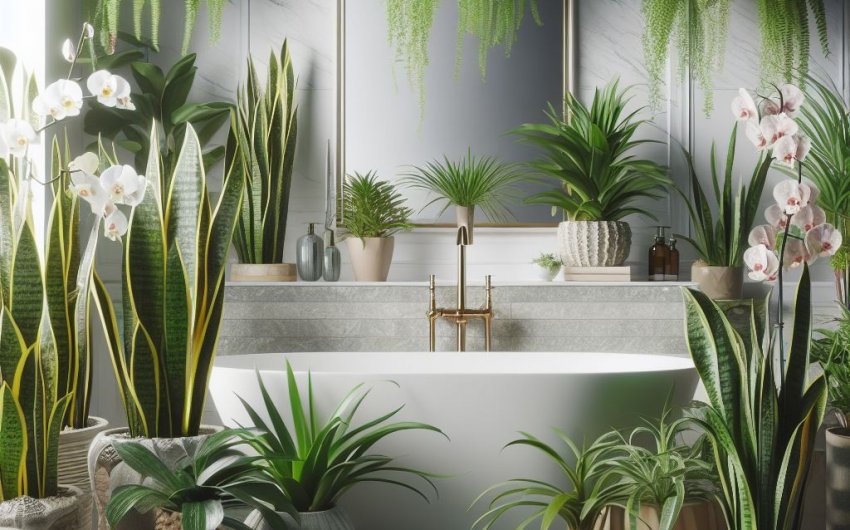
Indoor plants are absolutely perfect for bathrooms, transforming these often sterile spaces into lush, spa-like sanctuaries, thanks to the unique environmental conditions bathrooms typically offer. The naturally high humidity from showers and baths creates an ideal microclimate for many tropical and moisture-loving plants to thrive. Strategic placement of these green companions can enhance aesthetics, purify the air, and cultivate a truly relaxing atmosphere, making them an excellent choice for any bathroom.
Why Are Bathrooms Ideal for Certain Indoor Plants?
Bathrooms, often overlooked as prime spots for greenery, actually provide a unique and exceptionally favorable microclimate for a specific category of indoor plants. Far from being a challenging environment, the conditions typically found in bathrooms mirror the native habitats of many tropical species, making them an ideal location for certain indoor plants to not just survive, but truly flourish. This makes them perfect for bathrooms.
What Unique Conditions Do Bathrooms Offer?
The everyday use of a bathroom creates a distinct set of environmental factors that are highly beneficial for specific types of plants, setting them apart from other rooms in the house. These are the "shower power" advantages.
- High Humidity: This is the single most significant factor. Regular showers and baths release substantial amounts of water vapor into the air, creating consistently high humidity levels. Many tropical plants (like ferns, orchids, and aroids) originate from rainforests where humidity is perpetually high, and they thrive in these conditions, experiencing better leaf health and vigorous growth.
- Warmth and Consistent Temperature: Bathrooms are typically kept warm, especially during colder months, and often experience fewer drastic temperature fluctuations compared to other rooms. This consistent warmth is ideal for many heat-loving tropical plants that resent cold drafts.
- Indirect Light (Often): While some bathrooms have bright windows, many have smaller windows or frosted glass, providing bright, indirect light rather than intense direct sun. This diffused light is perfect for understory plants that would scorch in full sun. Even bathrooms with no natural light can sometimes be adapted with artificial grow lights.
- Minimal Dust: Due to regular cleaning and the moist environment, bathrooms tend to have less circulating dust than other rooms, which can keep plant leaves cleaner and promote more efficient photosynthesis.
- Enhanced Air Circulation (with Ventilation): While humidity is high, adequate ventilation (via an exhaust fan or opening a window) after a shower ensures that air doesn't become stagnant, which is beneficial for preventing fungal issues while still allowing plants to absorb humidity.
How Do Plants Benefit Bathroom Aesthetics and Ambiance?
Beyond the ideal growing conditions, plants transform the aesthetic and emotional experience of a bathroom, making it a more inviting and tranquil space. They are truly perfect for bathrooms, turning them into personal oases.
- Spa-like Ambiance: Lush greenery instantly creates a serene, spa-like atmosphere, turning a functional space into a relaxing retreat. The natural elements calm the mind and body, enhancing feelings of well-being.
- Air Purification: Many humidity-loving plants are also excellent air purifiers, helping to remove common bathroom pollutants like formaldehyde (from cleaning products, toilet paper) and ammonia. This results in fresher, cleaner-smelling air.
- Visual Softness and Organic Texture: Plants introduce organic shapes and textures that soften the often hard, sterile surfaces (tiles, porcelain, glass) of a bathroom, making it feel more natural and welcoming.
- Pop of Color and Life: Even a small plant can add a much-needed pop of vibrant green (or even a bloom) to a monochromatic or neutral bathroom, injecting life and vitality.
- Improved Mood: The presence of plants has been scientifically linked to reduced stress and anxiety, making the bathroom a more relaxing space for self-care routines.
- Utilizing Empty Spaces: Plants can beautifully fill awkward corners, empty shelves, or windowsills, making the most of available space.
For these compelling reasons, a bathroom is not just a suitable place for plants; for the right species, it's a truly advantageous environment where they can thrive, bringing beauty, health benefits, and a sense of calm to your daily routine.
Which Indoor Plants Thrive in Bathroom Humidity and Low Light?
To successfully introduce greenery into your bathroom, selecting plants that specifically thrive in the typical conditions of high humidity and often low to medium light is paramount. These resilient varieties are naturally adapted to such environments, making them perfect for bathrooms where they can flourish and enhance the tranquil atmosphere without demanding excessive care.
What Are Excellent Choices for Humid, Low-Light Bathrooms?
These plants are champions of the bathroom, bringing lushness and vitality even to the most challenging light conditions.
- Snake Plant (Sansevieria trifasciata):
- Why it thrives: An incredibly hardy and versatile plant that tolerates low light exceptionally well and appreciates the ambient humidity (though it doesn't strictly need it). Its upright, architectural leaves add a clean, modern look. It's also a top air purifier and releases oxygen at night.
- Care Tip: Needs very infrequent watering; allow soil to dry completely. Overwatering is its main enemy. A tall, narrow pot suits its upright form.
- ZZ Plant (Zamioculcas zamiifolia):
- Why it thrives: Another nearly indestructible plant that excels in low light and is incredibly drought-tolerant, making it perfect for those who forget to water. Its thick, waxy, deep green leaves bring a lush, sophisticated touch.
- Care Tip: Water very sparingly; allow soil to dry completely. Avoid direct sun.
- Pothos (Epipremnum aureum):
- Why it thrives: This versatile trailing vine tolerates a wide range of light conditions, including low to medium light, and absolutely loves humidity. Its heart-shaped, often variegated leaves can cascade beautifully from shelves or hanging baskets, softening edges.
- Care Tip: Water when the top inch of soil is dry. A hanging planter for pothos works well.
- Peace Lily (Spathiphyllum species):
- Why it thrives: Its lush green foliage and elegant white "flowers" (spathes) make it a classic bathroom plant. It thrives in medium to low indirect light and absolutely adores high humidity, often blooming more prolifically with it. It's also an excellent air purifier.
- Care Tip: Keep soil consistently moist but not soggy. It will dramatically droop when thirsty, a clear signal.
- Boston Fern (Nephrolepis exaltata):
- Why it thrives: The quintessential humidity-loving plant, its feathery, abundant fronds absolutely adore the steamy conditions of a bathroom, becoming vibrant and lush. It prefers bright, indirect light but can tolerate medium light.
- Care Tip: Needs consistently moist soil and high humidity. Misting can supplement. A Boston fern in a self-watering pot might be beneficial.
- Spider Plant (Chlorophytum comosum):
- Why it thrives: Adaptable to various light levels, including medium to low indirect, and appreciates humidity. Its arching, variegated foliage and charming "spiderettes" add a light, airy feel, perfect for a shelf or hanging basket.
- Care Tip: Water when the top inch of soil is dry. Very forgiving.
- Cast Iron Plant (Aspidistra elatior):
- Why it thrives: Named for its extreme hardiness, it tolerates very low light and inconsistent watering, making it perfect for bathrooms with minimal natural light. Its long, dark green leaves add a sophisticated, almost indestructible presence.
- Care Tip: Practically thrives on neglect. Water sparingly.
- Chinese Evergreen (Aglaonema species):
- Why it thrives: Known for its colorful, variegated foliage (often pink, red, silver, or cream patterns) and its exceptional tolerance for low light and high humidity. It's a beautiful, easy-care choice for brightening up dimmer bathrooms.
- Care Tip: Water when the top few inches of soil are dry. Avoid cold drafts.
By selecting these adaptable and moisture-loving indoor plants, you can effortlessly bring vibrant life and natural beauty to even the darkest corners of your bathroom, making them truly perfect for bathrooms seeking a touch of green luxury.
How Can Indoor Plants Enhance Bathroom Air Quality and Ambiance?
Indoor plants do much more than just look pretty in a bathroom; they actively work to enhance both air quality and the overall ambiance, transforming a functional space into a healthier and more inviting retreat. Their unique capabilities make them perfect for bathrooms, contributing to a sense of well-being that goes beyond aesthetics.
What Air-Purifying Benefits Do Plants Offer in Bathrooms?
Bathrooms, despite often being well-ventilated during and after use, can still harbor specific indoor air pollutants from various common products. Plants help mitigate these.
- Formaldehyde Removal: Many common bathroom items, such as toilet paper, tissues, cleaning products, air fresheners, and even some fabrics in towels or shower curtains, can off-gas formaldehyde. Plants like the Peace Lily, Boston Fern, Pothos, and Snake Plant are highly effective at absorbing formaldehyde, contributing to cleaner air.
- Ammonia Neutralization: Ammonia can be present in some strong bathroom cleaners. Plants such as the Peace Lily and Chrysanthemum (if you have enough light for it) are known to help neutralize ammonia from the air.
- Oxygen Production: Through photosynthesis, plants absorb carbon dioxide and release oxygen during the day, subtly contributing to fresher air quality. The Snake Plant is unique in that it releases oxygen at night, making it an excellent choice for a bathroom connected to a bedroom.
- Odor Reduction: While they won't mask strong odors, plants can help to absorb some airborne particles and contribute to a generally fresher-smelling environment, subtly improving the perception of cleanliness.
- Reduced Airborne Microbes: Some studies suggest that plants can even help reduce the number of airborne microbes and mold spores, especially in rooms with natural air movement, by increasing relative humidity and acting as natural filters.
How Do Plants Create a Soothing Bathroom Ambiance?
The aesthetic and environmental contributions of plants combine to create a deeply relaxing and appealing atmosphere in the bathroom, turning it into a personal spa. They are truly perfect for bathrooms looking for a serene upgrade.
- Spa-Like Retreat: The presence of lush greenery, especially in a humid environment, instantly evokes the feeling of a tropical spa or a serene wellness retreat. This visual connection to nature is incredibly calming and enhances the self-care experience.
- Softening Hard Surfaces: Bathrooms are typically dominated by hard, cold surfaces like tiles, porcelain, glass, and chrome. Plants introduce organic shapes, varied textures, and vibrant natural color, which visually soften these sterile elements, making the space feel warmer, more inviting, and less clinical.
- Biophilic Connection: Our innate human desire to connect with nature (biophilia) is powerfully satisfied by plants. This connection can reduce stress, lower blood pressure, and promote a sense of well-being, turning a routine shower into a more mindful and restorative experience.
- Visual Interest and Focal Points: Plants add dynamic visual interest to a bathroom. A large fern can fill an empty corner, a trailing plant can elegantly cascade from a shelf, or a small succulent on the vanity can provide a charming focal point, drawing the eye and adding character.
- Color and Vibrancy: A pop of green foliage or the occasional bloom can infuse a neutral bathroom with life and color, creating a cheerful and revitalizing atmosphere that combats any drabness.
- Sound Absorption: Large, leafy plants can help absorb sound waves, slightly dampening echoes in a tiled bathroom and contributing to a quieter, more peaceful ambiance.
By strategically incorporating these beneficial plants, you're not just decorating your bathroom; you're actively creating a healthier, more tranquil, and visually appealing space where you can truly unwind and rejuvenate, proving that plants are indeed perfect for bathrooms.
How Do You Care for Indoor Plants in a Bathroom Environment?
Caring for indoor plants in a bathroom environment leverages the room's unique conditions but also requires mindful attention to prevent common pitfalls. While humidity is a boon for many, understanding light limitations, drainage needs, and how to manage the wet environment will ensure your plants thrive and contribute to your stress-free sanctuary. They are perfect for bathrooms when given the right consideration.
What Are the Essential Care Practices for Bathroom Plants?
Adapting your plant care routine to the specific bathroom environment ensures your green companions flourish and stay healthy. Each element of care plays a crucial role.
- Watering (Mindful of Humidity):
- Less Frequent: While bathrooms are humid, this means plants often require less frequent watering than those in drier rooms. Always check the soil before watering. Use your finger to feel the top 1-2 inches of soil; if it's dry, then water. If it's still damp, wait. A soil moisture meter can be particularly useful here.
- Drainage is Key: Ensure all pots have excellent drainage holes and saucers. Standing water in humid conditions is a recipe for root rot.
- Avoid Wet Leaves (Long Term): While shower mist is good, consistently wet leaves without drying can encourage fungal spots. Good air circulation (with an exhaust fan) is important.
- Light (Maximize Available Light):
- Assess Your Bathroom: Most bathrooms offer low to medium indirect light. Choose plants that specifically tolerate or prefer these conditions.
- Placement: Position plants as close to windows as possible without direct, scorching sun.
- Rotate: Rotate plants periodically to ensure even light exposure, preventing lopsided growth.
- Supplemental Light: If your bathroom has very low light, consider a small LED grow light for plants to supplement natural light, especially during darker winter months.
- Humidity (Utilize and Supplement):
- Natural Boost: The humidity from showers is usually enough for most moisture-loving plants.
- Grouping: Grouping plants together can create a beneficial microclimate of higher humidity.
- Misting (Optional): For plants that truly adore very high humidity (like certain ferns), occasional misting between showers can be beneficial, especially if the bathroom is only used periodically.
- Fertilization (Reduced Needs):
- Bathroom plants, thriving on humidity, often have slightly reduced growth rates due to lower light, so they generally require less frequent fertilization than plants in brighter rooms.
- Fertilize once a month or every other month during the active growing season (spring and summer) with a diluted, balanced liquid fertilizer. Do not fertilize in fall or winter.
- Air Circulation:
- While high humidity is good, stagnant, humid air is not. Ensure your bathroom has proper ventilation (an exhaust fan) to prevent excessive moisture buildup that could lead to mold or fungal diseases on plants.
- Pruning and Cleaning:
- Regularly remove any yellowing, brown, or dead leaves to keep the plant healthy and aesthetically pleasing. This is particularly important for plants in humid environments where decaying material can foster mold.
- Gently wipe dust off leaves, as clean leaves photosynthesize more efficiently.
- Pest Watch:
- The consistent humidity can sometimes attract specific pests (like fungus gnats in overly wet soil, or some mites). Inspect plants regularly and treat any infestations promptly with organic solutions like neem oil or insecticidal soap. A neem oil spray for plants is a good organic option.
By understanding and adapting your care practices to the unique conditions of your bathroom, you can ensure your indoor plants not only survive but truly thrive, becoming vibrant, stress-reducing elements that are perfect for bathrooms.
How Can You Style Plants to Create a Spa-Like Bathroom?
Styling plants to create a spa-like bathroom environment involves thoughtful placement, strategic grouping, and harmonious container choices that enhance tranquility and aesthetics. It’s about more than just green accents; it’s about crafting a cohesive botanical oasis that transforms your routine into a relaxing ritual, making them perfect for bathrooms seeking this elevated feel.
What Styling Elements Enhance a Spa Ambiance?
To achieve that coveted spa-like feel, focus on elements that promote calm, cleanliness, and a strong connection to nature. Every detail should contribute to a serene escape.
- Clustering and Layering: Instead of scattering single plants, create clusters of plants in key areas like a vanity corner, beside a tub, or on a shower ledge (if there's enough light). Vary heights and foliage textures within these groupings to mimic natural abundance and create depth.
- Utilize Vertical Space: Hang trailing plants from the ceiling (if secure) or place them on high shelves to cascade downwards. Use wall-mounted planters or small hanging terrariums to add green without taking up counter space. This adds visual interest and a lush, enveloping feel. A macrame plant hanger for bathrooms adds a bohemian touch.
- Vary Leaf Shapes and Sizes: Combine plants with bold, large leaves (e.g., Monstera, larger Peace Lily) with those that have delicate, feathery fronds (e.g., ferns) or slender, architectural forms (e.g., Snake Plant). This creates a rich visual tapestry that feels natural and inviting.
- Choose Serene Planters:
- Opt for planters in natural materials like ceramic, terracotta, concrete, or woven baskets.
- Stick to a calming color palette—whites, creams, grays, soft greens, or earthy tones—to maintain a cohesive and peaceful look. Avoid overly bright or busy patterns.
- Use minimalist white ceramic planters for a clean, modern spa feel.
- Integrate with Natural Elements: Combine plants with other natural textures in your bathroom decor—bamboo bath mats, wooden shelves, stone accents, or fluffy cotton towels. This enhances the organic, earthy feel.
- Mirror Placement: Position plants near mirrors to create an illusion of greater abundance and depth, reflecting the greenery and making the space feel larger and more open.
- Balance and Symmetry (Optional): For a more formal spa look, consider placing symmetrical plants (e.g., two identical Peace Lilies) on either side of a vanity or tub. For a more relaxed feel, embrace asymmetrical but balanced groupings.
- Functional Aesthetics: Choose plants that thrive in specific spots. For example, a small, humidity-loving fern on the shower ledge, or a low-light tolerant Snake Plant in a dimmer corner.
What Accessories Enhance the "Spa" Effect?
Beyond the plants themselves, a few thoughtful accessories can elevate the overall spa-like ambiance, making your bathroom a truly perfect space for relaxation.
- Trays and Stands: Use elegant trays on your vanity to group small plants, soaps, and candles. Small plant stands can elevate pots and protect surfaces.
- Diffusers or Candles: Incorporate essential oil diffusers with calming scents like lavender or eucalyptus, or choose natural soy candles for a warm, inviting glow.
- Towels and Robes: Soft, plush towels and a comfortable robe in serene colors enhance the luxurious feel.
- Natural Sponges and Loofahs: These add another layer of natural texture and utility.
- Pebble Trays: For humidity-loving plants, placing their pots on a tray of pebbles filled with water not only boosts humidity but adds a zen-like, natural aesthetic.
By thoughtfully styling your indoor plants and integrating complementary elements, you can transform your bathroom into a genuinely perfect and refreshing spa-like sanctuary, where every detail contributes to a serene escape, proving that plants are indeed perfect for bathrooms.