
Insect Invaders: Safeguarding Your Garden from Pests
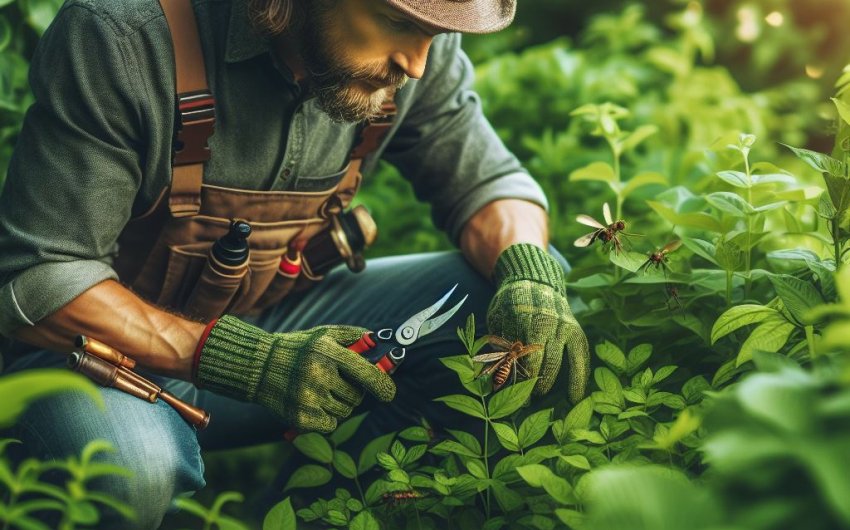
Protecting your vibrant garden from unwanted insect guests is a crucial aspect of successful horticulture. Understanding the various approaches to pest management can make a significant difference in the health and yield of your plants. This guide explores effective strategies to keep your green spaces thriving and free from destructive organisms.
How Can You Identify Common Garden Pests?
Recognizing the signs of an insect infestation early is key to effective control. Many pests leave distinct clues.
Aphids: These tiny, pear-shaped insects, often green, black, or brown, cluster on new growth and the undersides of leaves.
- Signs of infestation:
- Stunted growth
- Curled or distorted leaves
- Sticky residue (honeydew) on leaves, often leading to sooty mold
- Presence of ants, which "farm" aphids for their honeydew
- Favorite plants: Roses, peppers, tomatoes, beans, cabbage, and many ornamentals.
- Signs of infestation:
Spider Mites: Microscopic arachnids, not insects, but common garden pests. They are usually red, brown, or pale and thrive in hot, dry conditions.
- Signs of infestation:
- Tiny stippling (small dots) on leaves
- Fine webbing on the undersides of leaves or between stems
- Yellowing or bronzing of foliage
- Leaves may eventually drop
- Favorite plants: Beans, squash, cucumbers, tomatoes, corn, and various fruit trees.
- Signs of infestation:
Slugs and Snails: Mollusks that feast on leaves, leaving irregular holes. They are most active at night or in damp conditions.
- Signs of infestation:
- Large, ragged holes in leaves, especially near the ground
- Silvery slime trails on leaves, soil, or hard surfaces
- Damaged seedlings
- Favorite plants: Lettuce, hostas, basil, strawberries, cabbage, and young plants of almost any kind.
- Signs of infestation:
Cabbage Worms: The larvae of the cabbage white butterfly, these velvety green caterpillars blend in well with foliage.
Advertisement- Signs of infestation:
- Large, irregular holes in the leaves of brassicas
- Presence of green frass (excrement) on leaves
- Visible green caterpillars
- Favorite plants: Cabbage, broccoli, cauliflower, kale, and collard greens.
- Signs of infestation:
Tomato Hornworms: Large, green caterpillars with a "horn" at their rear end. They are the larvae of sphinx moths and can rapidly defoliate plants.
- Signs of infestation:
- Sudden defoliation of tomato, pepper, or potato plants
- Large, black droppings on leaves or soil
- Visible caterpillars, often hard to spot due to their camouflage
- Favorite plants: Tomatoes, peppers, eggplants, and potatoes.
- Signs of infestation:
Squash Bugs: Flat, brownish-gray bugs that feed on the sap of cucurbits.
- Signs of infestation:
- Yellow spots on leaves that turn brown and crispy
- Wilting of plant parts, even entire vines
- Presence of adult bugs and copper-colored eggs on the undersides of leaves
- Favorite plants: Squash, pumpkins, cucumbers, and melons.
- Signs of infestation:
Cutworms: Moth larvae that live in the soil and sever young plant stems at ground level.
- Signs of infestation:
- Seedlings cut off at the base, often lying on the soil surface
- Damage occurring overnight
- May find curled-up caterpillars near the base of damaged plants during the day
- Favorite plants: Young seedlings of almost any vegetable or flower.
- Signs of infestation:
What Are Effective Organic Pest Control Strategies?
Organic methods focus on working with nature to manage pests, minimizing harm to beneficial insects and the environment.
Promote Biodiversity: A diverse garden ecosystem is more resilient to pests.
- Plant a variety of flowers and vegetables.
- Include plants that attract beneficial insects, such as ladybugs, lacewings, and predatory wasps, which prey on common pests. Good choices include dill seeds, cilantro seeds, fennel seeds, and cosmos seeds.
- Avoid using broad-spectrum pesticides that kill both good and bad insects.
Companion Planting: Certain plants can deter pests or attract beneficial insects when planted together.
- Marigolds (especially French marigolds) are known to repel nematodes and some other pests. Plant them near susceptible vegetables.
- Nasturtiums can act as a trap crop for aphids, drawing them away from more valuable plants.
- Garlic and onions are said to deter aphids and other sap-sucking insects.
- Mint can repel ants and aphids, but be careful as it can be invasive. Plant it in pots.
Physical Barriers: Prevent pests from reaching your plants in the first place.
- Row covers: Lightweight fabrics like garden fabric row cover can protect seedlings and young plants from flying insects like cabbage moths and squash bugs.
- Collars: For cutworm protection, place a cardboard or plastic collar around the stem of young plants, extending an inch or two into the soil and an inch above.
- Netting: Use bird netting to protect berries and fruit from birds and larger insects.
Hand-Picking: For larger pests, direct removal is often the most effective and chemical-free method.
- Regularly inspect your plants for caterpillars, slugs, snails, and squash bugs.
- Drop pests into a bucket of soapy water to drown them.
- This method is labor-intensive but very effective for localized infestations.
Water Sprays: A strong stream of water can dislodge many soft-bodied pests.
- Use a garden hose to spray aphids, spider mites, and whiteflies off plants.
- Repeat every few days until the pests are gone.
- Best done in the morning so leaves can dry, reducing the risk of fungal diseases.
Beneficial Nematodes: Microscopic roundworms that attack soil-dwelling pests like grubs, cutworms, and flea beetle larvae.
- Available commercially as beneficial nematodes.
- Apply them to the soil according to package directions. They are harmless to plants, humans, and pets.
Crop Rotation: Changing the location of your crops each season can break pest life cycles.
- If you grew tomatoes in one spot this year, plant something unrelated, like beans or lettuce, there next year.
- This prevents pests specific to certain plant families from building up in the soil.
When Should You Consider Natural Insecticides?
While prevention is ideal, sometimes a natural insecticide is necessary to control an overwhelming infestation. These options are less harmful than synthetic chemicals but should still be used judiciously.
Neem Oil: Derived from the neem tree, this oil acts as an anti-feedant, growth regulator, and repellent for many pests.
- How it works: Disrupts insect hormones, preventing them from feeding, growing, and reproducing. It doesn't kill on contact but disrupts their life cycle.
- Target pests: Aphids, spider mites, whiteflies, thrips, mealybugs, and some fungal diseases.
- Application: Mix neem oil concentrate with water and a small amount of mild soap (as an emulsifier). Spray thoroughly, covering both sides of the leaves.
- Best practice: Apply in the late evening or early morning to avoid burning leaves and to protect beneficial insects, which are less active at these times.
Insecticidal Soap: Specially formulated soaps that disrupt the cell membranes of soft-bodied insects.
- How it works: Suffocates insects and dissolves their outer protective layer, causing dehydration.
- Target pests: Aphids, whiteflies, spider mites, thrips, mealybugs, and scale insects.
- Application: Use a commercially available insecticidal soap spray. Ensure thorough coverage of the pest.
- Best practice: Do not use dish soap, as it can be too harsh for plants. Test on a small area of the plant first to check for sensitivity. Reapply as needed, as it has no residual effect.
Diatomaceous Earth (DE): A natural powder made from the fossilized remains of diatoms.
- How it works: On a microscopic level, DE consists of sharp, abrasive particles that cut the waxy outer layer of insects, leading to dehydration and death. It's a physical killer, not a chemical one.
- Target pests: Slugs, snails, ants, earwigs, cutworms, squash bugs, and flea beetles.
- Application: Sprinkle food-grade diatomaceous earth around the base of plants or directly on insects. Reapply after rain.
- Best practice: Wear a mask to avoid inhaling the fine powder. It is harmless to mammals and birds.
Horticultural Oil: Highly refined petroleum or plant-based oils used to smother insects and mites.
- How it works: Coats and suffocates insects and their eggs by blocking their breathing pores.
- Target pests: Aphids, mites, scale insects, whiteflies, mealybugs, and overwintering eggs of various pests.
- Application: Mix horticultural oil with water and spray thoroughly, ensuring complete coverage.
- Best practice: Do not apply when temperatures are below freezing or above 90°F (32°C), or when plants are stressed. Avoid applying to plants sensitive to oil, such as maples or junipers.
Bacillus Thuringiensis (Bt): A naturally occurring bacterium that is toxic to specific insect larvae.
- How it works: When ingested by susceptible caterpillars, Bt produces toxins that paralyze their digestive system, causing them to stop feeding and die.
- Target pests: Highly effective against various caterpillars, including cabbage worms, tomato hornworms, and gypsy moths. It does not harm other insects, animals, or humans.
- Application: Available as a Bt concentrate or dust. Mix with water and spray on the foliage where caterpillars are feeding.
- Best practice: Apply when caterpillars are actively feeding. Reapply after rain or every 5-7 days for persistent infestations.
How Can Garden Hygiene Prevent Pest Problems?
Good garden practices are the first line of defense against pest infestations. A clean and healthy garden is less appealing to invaders.
Remove Weeds Regularly: Weeds compete with your plants for resources and can also harbor pests.
- Many common weeds serve as host plants for aphids, spider mites, and other insects, allowing them to multiply before moving to your desired crops.
- Regular weeding reduces hiding spots and food sources for pests. Use a weeding tool for efficiency.
Clean Up Plant Debris: Decaying plant matter can be a breeding ground for pests and diseases.
- Remove fallen leaves, diseased plant parts, and spent crops promptly.
- Compost healthy plant material, but dispose of diseased or heavily infested material to prevent spread.
Sanitize Tools: Pests and diseases can easily spread from one plant to another via uncleaned tools.
- Clean pruning shears, shovels, and other tools with a 10% bleach solution or rubbing alcohol after each use, especially when working with diseased plants.
- This simple step prevents the unwitting transfer of pest eggs or fungal spores.
Maintain Proper Spacing: Overcrowded plants are more susceptible to pest and disease issues.
- Good air circulation between plants helps prevent fungal diseases and makes it harder for some pests to establish large colonies.
- Follow spacing recommendations on seed packets or plant tags.
Water Properly: Both overwatering and underwatering can stress plants, making them more vulnerable to pests.
- Underwatering: Stressed plants, especially those suffering from drought, are more attractive to certain pests like spider mites.
- Overwatering: Can lead to root rot and fungal diseases, weakening plants and making them susceptible to other issues.
- Water deeply and less frequently, allowing the soil to dry slightly between waterings. Use a garden hose nozzle with adjustable settings.
Nutrient Management: Healthy plants are more resistant to pests.
- Provide balanced nutrition. Too much nitrogen can lead to lush, soft growth that is particularly attractive to sap-sucking insects like aphids.
- Use balanced organic fertilizer as needed, based on soil test results.
Regular Monitoring: Consistent vigilance is critical for early detection.
- Inspect your plants daily or every few days, paying close attention to new growth, the undersides of leaves, and any signs of damage.
- Early detection means you can address problems when they are small and easier to manage organically, before they become major pest problems.
What Role Do Beneficial Insects Play in Pest Control?
Harnessing the power of beneficial insects is a cornerstone of integrated pest management (IPM), a holistic approach to keeping your garden healthy. These natural predators and parasites are your garden's unpaid guardians.
Ladybugs (Lady Beetles): Perhaps the most well-known beneficial insect.
- What they eat: Both adult ladybugs and their alligator-like larvae are voracious predators of aphids. They also consume spider mites, whiteflies, and other soft-bodied insects.
- Attraction: Plant dill, fennel, cilantro, and cosmos. You can also purchase live ladybugs for release in your garden.
Lacewings (Green and Brown): Delicate insects with beautiful, lacy wings.
- What they eat: The larvae of lacewings are aggressive predators of aphids, mealybugs, spider mites, thrips, and other small insects. They are sometimes called "aphid lions."
- Attraction: Plant daisies, dill, coriander, and other flat-topped flowers. You can also buy lacewing eggs.
Hoverflies (Syrphid Flies): Often mistaken for small bees due to their striped bodies, but they have only two wings.
- What they eat: Adult hoverflies feed on nectar and pollen, but their slug-like larvae are excellent predators of aphids, consuming hundreds in their lifetime.
- Attraction: Plant a variety of flowering plants, especially those with small, open flowers like marigolds, sweet alyssum, and dill.
Parasitic Wasps: Tiny wasps that lay their eggs inside or on other insects.
- What they eat: Specific species of parasitic wasps target different pests, including aphids, whiteflies, scale insects, and various caterpillars (e.g., Braconid wasps parasitize tomato hornworms, turning them into "mummies").
- Attraction: Plant a diverse array of flowers, particularly those with small nectar sources, like dill, parsley, and yarrow. Avoid broad-spectrum pesticides, which are highly detrimental to these wasps.
Ground Beetles: Nocturnal predators that live in the soil.
- What they eat: They prey on slugs, snails, cutworms, caterpillars, and other soil-dwelling insect larvae.
- Attraction: Provide habitat such as mulch, stones, or logs where they can hide during the day. Avoid tillage where possible, as it disrupts their habitat.
Preying Mantises: Large, well-known predators that can eat a wide variety of insects.
- What they eat: While they consume many garden pests, they are opportunistic and will also eat other beneficial insects, including each other. Their impact on a large-scale pest problem is often limited.
- Attraction: They generally come to well-vegetated gardens on their own. You can also purchase mantis egg cases.
Spiders: While not insects, most spiders are beneficial predators.
- What they eat: They trap or hunt a wide range of insects, reducing overall pest populations.
- Attraction: Provide plenty of vegetation and undisturbed areas. Try to tolerate spiders in your garden.
By creating an inviting habitat for these garden allies, you significantly reduce the need for intervention and establish a self-regulating ecosystem for pest control.
What Are Common Mistakes to Avoid in Pest Management?
Even with the best intentions, gardeners can make errors that hinder effective pest control or inadvertently harm their garden. Awareness of these pitfalls can save you time, effort, and plant health.
Over-Reacting to Minor Pest Activity: Not every bug is a bad bug, and a few pests don't always warrant drastic action.
- Mistake: Immediately reaching for a strong pesticide at the first sight of an aphid or a leaf chew mark.
- Better approach: Observe. Is the damage increasing rapidly? Is the plant thriving despite some pest presence? Often, natural predators will keep minor infestations in check. Tolerance for some damage is part of organic gardening.
Misidentifying Pests: Using the wrong control method for the wrong pest is ineffective and potentially harmful.
- Mistake: Treating a fungal disease with an insecticide, or applying a spray meant for chewing insects to a sap-sucking pest.
- Better approach: Take the time to accurately identify the pest. Use a garden pest identification guide or consult with local extension services. Once identified, research the most appropriate and targeted control method.
Ignoring Cultural Practices: Relying solely on sprays or specific treatments without addressing underlying garden health issues.
- Mistake: Repeatedly spraying for aphids without considering proper plant spacing, nutrient balance, or attracting beneficial insects.
- Better approach: Prioritize good garden hygiene, soil health, and plant vigor. Healthy plants are inherently more resistant to pests. Address the root cause, not just the symptom.
Applying Pesticides at the Wrong Time: Timing is crucial for effectiveness and minimizing harm to non-target organisms.
- Mistake: Spraying during the heat of the day, which can cause leaf burn, or when beneficial insects are most active (e.g., during bee foraging hours).
- Better approach: Apply natural insecticides in the early morning or late evening when temperatures are cooler and beneficial insects like bees are less active. Check forecasts for rain; many sprays need time to dry.
Using Incorrect Concentrations or Application Methods: More isn't always better, and proper application ensures effectiveness.
- Mistake: Doubling the concentration of an organic spray thinking it will be more effective, or just spraying the top of the leaves when pests are on the undersides.
- Better approach: Always follow label directions for mixing and application. Ensure thorough coverage, especially the undersides of leaves, where many pests hide. Use a garden sprayer for even coverage.
Neglecting Beneficial Insect Habitat: Destroying or not encouraging the presence of natural enemies.
- Mistake: Using broad-spectrum organic pesticides that kill beneficial insects alongside pests, or having a monoculture garden without diverse flowering plants.
- Better approach: Plant a diverse range of flowering plants to provide nectar and pollen for beneficial insects. Choose targeted pest control methods that spare your garden allies.
Giving Up Too Quickly: Pest control often requires persistence and consistent effort.
- Mistake: Applying a treatment once and expecting all pests to disappear instantly, then abandoning the method if initial results aren't perfect.
- Better approach: Many organic methods require repeated applications or ongoing effort (like hand-picking). Be patient and consistent with your chosen strategies. Integrated pest management is an ongoing process, not a one-time fix.
Introducing Pests Through New Plants or Soil: Unwittingly bringing pests into your garden.
- Mistake: Planting new nursery plants without inspection, or using unsterilized compost or soil.
- Better approach: Always inspect new plants for pests or disease signs before introducing them to your garden. Consider isolating new plants for a few days ("quarantine") to ensure they are clean. Use reputable sources for soil and compost, or sterilize your own if concerned.
By avoiding these common mistakes, you can enhance the effectiveness of your pest management efforts and cultivate a healthier, more resilient garden. The journey of safeguarding your garden from unwanted insect guests is a continuous learning process.