
Spotting Trouble: Managing Leaf Spot Issues in Your Garden
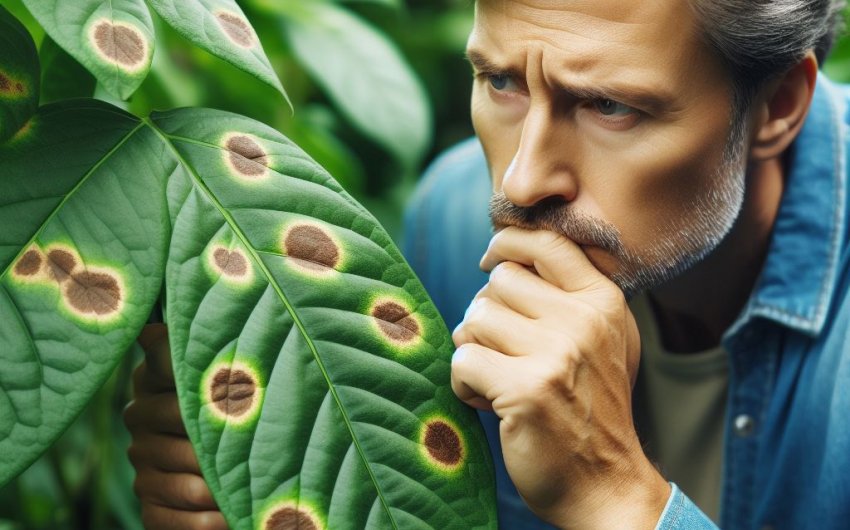
Observing unsightly blemishes on your beloved plants can be disheartening, as managing leaf spot issues in your garden is a common challenge for gardeners. These seemingly minor imperfections, often appearing as discolored marks, can signal various underlying problems, from fungal infections to environmental stresses. Understanding the root cause and implementing timely interventions are crucial steps to restoring your plants' health and vitality.
What Causes Leaf Spots on Garden Plants?
Leaf spots are a general symptom that can be caused by a variety of factors, most commonly fungal or bacterial pathogens, but also environmental conditions. Identifying the cause is the first step to managing leaf spot issues in your garden.
Fungal Infections (Most Common Cause):
- How they spread: Fungal spores are microscopic and spread easily by wind, splashing water, infected tools, or even on clothing. They need moisture to germinate and infect plant tissue.
- Common culprits:
- Alternaria Leaf Spot: Often causes circular spots with concentric rings, looking like a target. Common on tomatoes, cabbage, and carrots.
- Cercospora Leaf Spot: Small, dark, often angular spots that may have a reddish or purplish border. Can affect a wide range of plants, including beets, corn, and ornamentals.
- Septoria Leaf Spot: Tiny, round spots with dark borders and pale centers, often with tiny black dots (fruiting bodies) within the spots. Prevalent on tomatoes, celery, and chrysanthemums.
- Anthracnose: Causes irregular, sunken spots, often on leaves, stems, and fruits. Can lead to cankers and dieback. Affects shade trees, beans, and cucurbits.
- Powdery Mildew (often mistaken for a spot, but a coating): Appears as white, powdery patches on leaves and stems, eventually leading to yellowing and distorted growth. While not a "spot" in the traditional sense, it's a common leaf disease.
Bacterial Infections:
- How they spread: Bacteria enter plants through natural openings (stomata) or wounds. They also thrive in wet conditions and spread via splashing water, rain, or contaminated tools.
- Common culprits:
- Pseudomonas Leaf Spot: Often angular or irregular spots that look water-soaked, sometimes with a yellow halo. Common on lilac, impatiens, and peppers.
- Xanthomonas Leaf Spot: Small, dark, often greasy-looking spots that can merge into larger blighted areas. Known for affecting brassicas, citrus, and impatiens.
- Distinguishing Feature: Bacterial spots often have a "water-soaked" appearance or look translucent when held up to light, especially in early stages.
Environmental Stressors:
- Nutrient Deficiencies:
- Nitrogen Deficiency: General yellowing of older leaves.
- Potassium Deficiency: Yellowing or browning along leaf edges, especially older leaves.
- Magnesium Deficiency: Yellowing between leaf veins, leaving veins green (interveinal chlorosis).
- Calcium Deficiency: Distorted new growth, blossom end rot in tomatoes.
- Water Issues:
- Overwatering/Poor Drainage: Can lead to root rot, causing yellowing, wilting, and brown spots on leaves due to lack of oxygen to roots.
- Underwatering/Drought Stress: Leaves may turn crispy brown from the edges inward.
- Sunburn (Scorch): Brown or bleached spots and crispy edges on leaves exposed to intense direct sunlight, especially if the plant isn't accustomed to it or if water droplets magnify the sun's rays.
- Temperature Extremes: Frost damage causes blackened, water-soaked spots. Heat stress can cause scorching.
- Chemical Burn: Spots or discoloration from herbicides, pesticides, or even fertilizer spray applied improperly.
- Nutrient Deficiencies:
Insect Damage:
Advertisement- While not true "leaf spots," some insect feeding can cause spot-like damage.
- Leaf Miners: Create squiggly trails or "mines" within the leaf tissue.
- Sap-Sucking Insects (e.g., Spider Mites, Thrips): Can cause stippling (tiny pale dots) or silvery speckling as they remove sap from cells.
- Chewing Insects: Can leave holes or ragged edges, which might be mistaken for spots.
Understanding the typical appearance and affected plants for each type of leaf spot helps narrow down the cause and choose the correct treatment approach for managing leaf spot issues in your garden.
How Can I Prevent Leaf Spot Diseases in My Garden?
Prevention is the most effective strategy for managing leaf spot issues in your garden. Good gardening practices can significantly reduce the chances of these diseases taking hold.
Choose Resistant Varieties:
- Look for Labels: When buying seeds or plants, check labels for terms like "disease resistant," "fungus resistant," or specifically resistant to common leaf spots like Septoria or Alternaria.
- Native Plants: Often, native plants are naturally more resistant to local diseases and pests because they are adapted to the environment.
- Benefit: This is the easiest and most sustainable way to avoid future problems.
Proper Plant Spacing and Air Circulation:
- Follow Guidelines: Adhere to the recommended spacing on seed packets or plant tags. Overcrowding reduces airflow.
- Promote Drying: Good air circulation helps quickly dry leaves after rain or watering, which is crucial as most fungal and bacterial pathogens need prolonged leaf wetness to infect.
- Pruning: Routinely prune lower leaves and inner branches of dense plants to improve airflow, especially those that touch the ground.
Watering Practices:
- Water at the Base: Water plants at the soil level using a soaker hose or drip irrigation. Avoid overhead watering with sprinklers that wet the foliage.
- Morning Watering: If you must use overhead watering, do it in the morning so leaves have ample time to dry before nightfall.
- Avoid Wet Foliage at Night: Cool, damp night conditions are ideal for disease development.
Sanitation and Hygiene:
- Remove Diseased Material: Promptly remove and destroy (do not compost) any leaves, stems, or fruits showing signs of leaf spot. This prevents the spread of spores.
- Clean Up Debris: In autumn, diligently clean up all fallen leaves and plant debris. Many pathogens overwinter in plant residue.
- Disinfect Tools: Sterilize pruning shears, trowels, and other gardening tools with a 10% bleach solution or rubbing alcohol after working with infected plants to prevent cross-contamination. Use tool sharpeners and disinfectants.
Healthy Soil and Nutrition:
- Well-Draining Soil: Ensure your soil drains well to prevent waterlogging, which stresses roots and makes plants more susceptible to disease.
- Balanced Nutrients: Provide plants with balanced nutrition. Over-fertilizing with nitrogen can promote lush, soft growth that is more prone to disease. A soil test kit can help determine specific needs.
- Compost: Incorporating organic compost improves soil structure and provides a slow release of nutrients.
Crop Rotation:
- Change Planting Locations: Avoid planting the same type of crop (e.g., tomatoes) in the exact same spot year after year. Pathogens can build up in the soil.
- Rotate Families: Rotate plant families (e.g., don't follow tomatoes with peppers, as they are in the same family and share common diseases). A typical rotation is 3-4 years.
Mulching:
- Barrier: Apply a layer of organic mulch (e.g., straw, shredded leaves, wood chips) around plants.
- Prevents Splash: Mulch helps prevent soil-borne fungal spores from splashing up onto lower leaves during rain or watering.
- Moisture Retention: Also helps maintain consistent soil moisture, reducing plant stress.
By implementing these preventative measures, you create a robust defense against managing leaf spot issues in your garden and foster a healthier overall growing environment.
What Are the Best Organic and Chemical Treatments for Leaf Spots?
When prevention isn't enough, various treatments can help control leaf spot diseases. The choice between organic and chemical options depends on the severity of the infection, your personal preferences, and the type of plant.
Organic Treatment Options:
Remove and Destroy Affected Foliage:
- Method: As soon as you spot infected leaves, carefully prune them off. Use clean, sharp pruning shears.
- Crucial Step: Do NOT compost diseased plant material, as the spores can survive and spread. Bag it and discard it or burn it (if allowed locally).
- Benefit: Reduces the amount of inoculum (disease-causing agents) in the garden, preventing further spread.
Neem Oil:
- How it works: A natural insecticide and fungicide. It can disrupt the life cycle of some fungal pathogens and also acts as an anti-feedant for certain pests that can weaken plants.
- Application: Mix cold-pressed neem oil with water and a small amount of mild soap (as an emulsifier). Spray thoroughly on all plant surfaces, including undersides of leaves.
- Frequency: Apply every 7-14 days as a preventative or early treatment. Apply in the evening to avoid harming beneficial insects.
Baking Soda Spray (Potassium Bicarbonate):
- How it works: Alters the pH on the leaf surface, making it less hospitable for some fungi, especially powdery mildew.
- Recipe: Mix 1 tablespoon of baking soda (or potassium bicarbonate, which is more effective and less prone to leaf burn) with 1 gallon of water and a few drops of horticultural oil or mild liquid soap.
- Application: Spray thoroughly on affected plants.
- Caution: Test on a small area first to check for leaf burn, especially in hot sun. Not effective against all fungal diseases.
Copper-Based Fungicides (Organic but with caveats):
- How it works: Copper ions are toxic to fungal and bacterial spores, preventing them from germinating and infecting plant tissue.
- Application: Follow package directions carefully for dilution and application.
- Caution: While organic, copper can accumulate in the soil with repeated use and become toxic to plants and soil organisms. Use sparingly and as a preventative. Look for organic copper fungicide.
Beneficial Microbes (Biofungicides):
- How it works: Products containing beneficial bacteria (like Bacillus subtilis) or fungi (like Trichoderma harzianum) can colonize plant surfaces, outcompeting or directly attacking pathogenic fungi and bacteria.
- Application: Often applied as a soil drench or foliar spray.
- Benefit: Eco-friendly and can enhance plant health. Look for Bacillus subtilis fungicide.
Chemical Treatment Options:
(Always read and follow product labels carefully, including safety precautions and application rates.)
Synthetic Fungicides:
- How it works: Contain active ingredients that kill or inhibit the growth of fungi. Different fungicides target different types of fungi.
- Types:
- Systemic Fungicides: Absorbed by the plant and move throughout its tissues, providing protection from within. Offer longer-lasting protection.
- Contact Fungicides: Form a protective barrier on the plant surface and must be applied thoroughly to all parts that need protection. Wash off with rain.
- Active Ingredients: Look for ingredients like Chlorothalonil, Myclobutanil, or Propiconazole.
- Application: Apply according to label instructions. Often applied preventatively or at the first sign of disease.
- Caution: Can have environmental impacts and potential health risks if not handled properly. Rotate fungicides with different active ingredients to prevent resistance development.
Broad-Spectrum Fungicides:
- Purpose: Effective against a wide range of fungal diseases.
- Examples: Products containing active ingredients like Chlorothalonil (e.g., Daconil) are commonly used for a variety of leaf spots.
- Timing: Often applied preventatively or at the first sign of disease.
Bactericides (Less Common for Home Gardeners):
- How it works: Chemical products specifically formulated to control bacterial plant diseases.
- Active Ingredients: Often contain copper or streptomycin.
- Application: Applied as a spray.
- Caution: Bacterial diseases are generally harder to control with chemicals once established. Prevention is key.
Key Considerations for Treatment:
- Identification is Key: Accurate identification of the specific leaf spot issue (fungal vs. bacterial vs. environmental) is crucial for choosing the most effective treatment.
- Timing: Fungicides are generally most effective when applied preventatively or at the very first sign of disease, before the infection becomes widespread.
- Coverage: Ensure thorough coverage of all plant surfaces, including the undersides of leaves, for contact fungicides.
- Safety Gear: Always wear appropriate personal protective equipment (PPE) like gloves, eye protection, and masks when mixing and applying chemical treatments.
- Integrated Approach: Often, a combination of cultural practices (prevention) and targeted treatments yields the best results for managing leaf spot issues in your garden.
When Should I Call an Expert for Leaf Spot Issues?
While many leaf spot issues can be managed with home garden practices, there are times when it's best to seek professional advice. Knowing when to call an expert can save your plants and prevent wider problems.
When Symptoms Are Widespread and Rapidly Spreading:
- Scenario: If a large number of your plants are suddenly showing severe leaf spots, or if the spots are spreading very quickly despite your efforts.
- Why an Expert: This might indicate a highly aggressive pathogen, unusual environmental conditions, or a systemic issue that requires a more precise diagnosis and specialized treatment.
When You Can't Identify the Problem:
- Scenario: You've tried to identify the leaf spot using resources, but the symptoms don't match common descriptions, or you're unsure if it's fungal, bacterial, or environmental.
- Why an Expert: Accurate identification is crucial for effective treatment. A plant pathologist or horticulturist has the expertise and diagnostic tools (like lab analysis) to pinpoint the exact cause.
- Resources: Your local university extension office is an excellent resource for plant disease diagnosis. Many offer services where you can submit plant samples.
When Standard Treatments Fail:
- Scenario: You've diligently applied appropriate organic or chemical treatments for what you believe is the problem, but the leaf spots persist, worsen, or recur.
- Why an Expert: This suggests either a misdiagnosis, resistance to the chosen treatment, or an underlying issue (e.g., severe soil problem, compromised root system) that you haven't identified.
When Valued or Established Plants Are Affected:
- Scenario: A particularly important or expensive plant, a beloved old tree, or a significant part of your landscape is suffering from leaf spots.
- Why an Expert: The potential loss of such a plant warrants a professional assessment to maximize the chances of recovery. They may recommend advanced treatments or pruning strategies.
When You Suspect a New or Unusual Disease:
- Scenario: The leaf spots appear highly unusual, or you're seeing symptoms on plants that are typically resistant.
- Why an Expert: This could be an emerging disease, a new strain, or something uncommon that requires specialized knowledge to address and prevent its spread to other gardens. Early detection of new threats can be vital for the wider plant community.
For Commercial Growers or Large-Scale Problems:
- Scenario: If you manage a large garden, a nursery, or a farm, and leaf spots are affecting your yield or significant portions of your crops.
- Why an Expert: Economic implications and the scale of the problem necessitate professional intervention to minimize losses and implement efficient control measures.
If You're Concerned About Chemical Use:
- Scenario: You prefer not to use chemical treatments, but organic methods aren't working, and you need guidance on truly sustainable and effective options.
- Why an Expert: Horticultural consultants or organic gardening specialists can provide tailored advice on integrated pest management (IPM) strategies that prioritize eco-friendly solutions.
Don't hesitate to reach out to local resources. Your local extension office often has master gardeners or plant pathology experts who can offer guidance, sample analysis, or direct you to professional services for managing leaf spot issues in your garden.