
How Do I Know When My Avocados Are Ripe and Ready to Harvest?
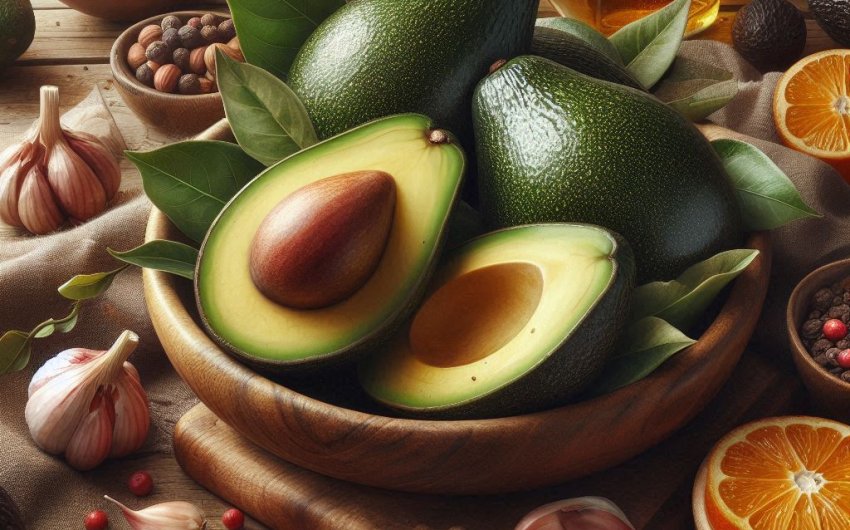
Knowing when your avocados are ripe and ready to harvest is crucial for enjoying their creamy texture and rich flavor, as they do not ripen on the tree. The best indicator is a slight give when gently squeezed, often accompanied by a color change for certain varieties, but careful observation and patience are key.
Why Don't Avocados Ripen on the Tree?
Understanding why avocados don't ripen on the tree is the fundamental secret to knowing when your avocados are ripe and ready to harvest. This unique characteristic sets them apart from many other fruits and dictates the entire harvesting process.
A "Climacteric" Fruit
Avocados are classified as a climacteric fruit. This means they:
- Continue to ripen after being picked: Unlike non-climacteric fruits (like citrus or grapes) that stop ripening once removed from the plant, climacteric fruits produce ethylene gas (a natural plant hormone) after harvest, which triggers the ripening process.
- Must be picked to ripen: As long as an avocado remains attached to the tree, it will not soften or develop its rich, buttery flavor. It will simply stay hard, even if it has reached full maturity.
The Tree's Role: Maturation, Not Ripening
The tree's job is to allow the avocado fruit to mature. Maturation refers to the physiological development of the fruit on the tree, accumulating oils and solids.
- Oil Content: As avocados mature on the tree, their oil content steadily increases. This oil content is what gives avocados their characteristic creamy texture and rich flavor.
- Sugars: Unlike many other fruits that develop sweetness as they ripen, avocados primarily develop their rich, nutty flavor from increased oil content, not necessarily increased sugar.
- Harvest Window: Once an avocado reaches a certain level of maturity (a minimum oil content), it can be harvested. However, it will remain hard on the tree.
The Detachment Trigger:
The physical act of detaching the avocado from its stem is what initiates the release of ethylene gas within the fruit. This ethylene then kick-starts the ripening enzymes that soften the flesh and develop the flavor.
- Long Hang Time: This characteristic is a huge advantage for commercial growers and home gardeners alike. It means mature avocados can effectively be "stored" on the tree for extended periods (sometimes months) after they are ready to be picked. This allows growers to harvest as needed, ensuring a continuous supply of fresh fruit.
- No Spoilage on the Tree: Because they don't ripen on the tree, avocados won't get soft and rotten while still attached, unlike many other fruits that will eventually drop or spoil.
Knowing this unique aspect of avocado biology is crucial. It means you can't just wait for the fruit to feel soft on the tree. You must pick it first, and then the ripening process begins. This understanding is the cornerstone of knowing when your avocados are ripe and ready to harvest.
When are Avocados Mature Enough to Harvest from the Tree?
Before you can even think about ripening, you need to know when your avocados are ripe and ready to harvest in terms of being mature enough to pick from the tree. This is a subtle yet critical distinction, as a fruit that's picked too early will never fully ripen or develop its proper flavor and texture.
1. General Timeframe for Your Variety:
- Seasonal Window: Each avocado variety has a specific window of time when its fruit typically matures. This can range from 6-8 months for some varieties to 12-18 months for others after flowering.
- Research Your Variety: The very first step is to know what type of avocado tree you have (e.g., 'Hass', 'Fuerte', 'Bacon', 'Reed') and research its typical harvest season in your climate. For instance, 'Hass' avocados are generally ready for harvest from spring to fall, while 'Fuerte' might be ready from late fall to spring.
- Climate Matters: The timing can vary slightly depending on your specific local climate conditions (temperature, sunlight, rainfall) in a given year.
2. Size and Appearance:
- Full Size for the Variety: Avocados should reach their typical mature size for their variety. Don't compare them to store-bought avocados, as size can vary. Research what a full-grown fruit of your specific variety looks like.
- Color Change (for some varieties):
- 'Hass' (Most Common): The skin typically changes from bright green to a dull, dark green or purplish-black when mature. This is a very helpful indicator for 'Hass'.
- Other Varieties (e.g., 'Fuerte', 'Bacon', 'Reed'): Many varieties, particularly green-skinned ones, do not change color significantly when mature. They remain green. For these, size is a more important visual cue.
- Skin Texture (for some varieties): For 'Hass', the skin often becomes slightly bumpy or pebbled as it matures.
3. The "Test Pick" Method (The Most Reliable):
Since avocados don't soften on the tree, you have to pick them to check for maturity. This involves a trial-and-error approach.
- Select a Few: Choose 2-3 of the largest, most mature-looking avocados from the tree. Pick them carefully by snapping off the stem close to the fruit.
- Bring Indoors to Ripen: Place these test avocados on your kitchen counter, away from direct sunlight, at room temperature (65-75°F or 18-24°C).
- Monitor for Softening: Wait for them to soften, which usually takes 7-14 days.
- Taste Test: Once soft, cut one open.
- Good Result: If it has a creamy texture, rich flavor, and the flesh pulls away easily from the seed, your tree's avocados are mature and ready to be harvested.
- Bad Result: If it shrivels, tastes rubbery, or has no flavor, it was picked too early. You need to leave the remaining fruit on the tree for a few more weeks, then repeat the test pick.
4. The Long "Hang Time" Advantage:
- Once avocados reach maturity, they can often remain on the tree for several weeks or even months without spoiling. This is a huge benefit, allowing you to harvest them as needed over an extended period.
- This also means if your first test pick isn't mature, you have plenty of time for the remaining fruit to continue developing on the tree.
By combining knowledge of your variety's typical season and appearance with the crucial "test pick" method, you can accurately determine when your avocados are ripe and ready to harvest from the tree, ensuring a delicious and satisfying yield.
How Do You Harvest Avocados from the Tree?
Once you've determined when your avocados are ripe and ready to harvest (meaning they are mature enough to be picked), the actual harvesting technique is important. Proper removal from the tree helps prevent stem-end rot and ensures the fruit ripens successfully.
1. What You'll Need:
- Gloves (Optional): To protect your hands from potential sap or rough branches.
- Pruning Shears or Hand Pruners: The preferred tool for a clean cut. Fiskars Bypass Pruning Shears are a good general-purpose option.
- Orchard Picker/Fruit Picker (for tall trees): If your tree is tall, a fruit picker with a basket or a pole pruner will be necessary. Fruit Picker Pole
- Basket or Container: To collect the harvested avocados.
2. The "Clip" Method (Recommended):
This method is crucial for preventing a common issue called stem-end rot, which occurs when a portion of the stem remains attached to the fruit and rots, affecting the avocado flesh.
- Locate the Stem: Find the small stem that connects the avocado to the branch.
- Cut the Stem, Not Just the Fruit: Use your sharp shears to cut the stem about 1/4 to 1/2 inch above where it joins the fruit. You want to leave a small piece of the stem (the "button") attached to the avocado.
- Why Leave the Button? This small piece of stem acts as a natural seal, preventing fungi and bacteria from entering the fruit through the exposed stem end. If the stem is pulled off flush with the fruit, it creates a wound that is highly susceptible to rot during the ripening process.
- Handle Gently: Avocados bruise easily, even when hard. Carefully place each harvested fruit into your basket to avoid dropping or bumping them.
3. The "Snap" Method (Use with Caution for Some Varieties):
Some commercial growers or experienced home growers might use a "snap" method for certain varieties where the stem naturally detaches cleanly without leaving an exposed wound.
- How to Do It: Grasp the fruit and gently push up on the stem attachment point until it snaps off cleanly at the base, leaving the "button" intact.
- Warning: This method requires practice and is best used if you are very familiar with your particular avocado variety and its natural snap point. If the stem pulls away unevenly or leaves an open wound, switch to the clip method. If done incorrectly, it greatly increases the risk of stem-end rot.
4. Harvesting from Tall Trees:
- Fruit Pickers: Use a long-handled fruit picker with a cutting mechanism at the top. This allows you to clip the stem while the fruit falls into the attached basket or bag.
- Safety First: When using ladders or climbing, always prioritize safety. Ensure ladders are stable on level ground.
5. When to Harvest the Main Crop:
- After your "test picks" confirm that the avocados are mature and ripen well off the tree, you can begin harvesting your main crop.
- Harvest as Needed: Remember the benefit of long "hang time." You don't have to harvest all your mature avocados at once. You can pick them as you need them for ripening, extending your fresh avocado supply for weeks or even months.
By using clean, sharp tools and focusing on leaving that small stem "button" attached, you ensure your harvested avocados ripen perfectly and stay fresh longer, successfully completing the journey of when your avocados are ripe and ready to harvest.
How Do You Ripen Avocados After Harvesting?
Once you've determined when your avocados are ripe and ready to harvest from the tree, the next crucial step is ripening them off the tree. As climacteric fruits, avocados need a specific environment to soften and develop their characteristic creamy texture and rich flavor.
1. The Basic Ripening Process:
- Room Temperature: The simplest way to ripen avocados is to place them on your kitchen counter at room temperature, ideally between 65-75°F (18-24°C).
- Air Circulation: Ensure there's good airflow around the avocados.
- Patience: Depending on their maturity when picked and the ambient temperature, avocados can take anywhere from 3 to 14 days to ripen. Cooler temperatures will slow ripening; warmer temperatures will speed it up.
2. Speeding Up Ripening (Using Ethylene Gas):
Avocados ripen in response to ethylene gas. You can use this natural process to your advantage.
- Paper Bag Method:
- Place the avocado(s) in a brown paper bag.
- Add a ripe apple, banana, or kiwi fruit to the bag. These fruits naturally produce high levels of ethylene gas.
- Fold the top of the bag to loosely seal it, trapping the ethylene gas inside.
- Place the bag on your kitchen counter.
- Check daily. The trapped ethylene will significantly speed up the ripening process, often reducing ripening time by several days.
- Ethylene Ripening Bags: You can also purchase specialized Avocado Ripening Bags that are designed to optimize the ethylene environment.
3. Slowing Down Ripening:
Sometimes you have too many ripe avocados and want to extend their life.
- Refrigeration (Ripe Avocados Only): Once an avocado is perfectly ripe and soft to the touch, you can place it in the refrigerator. This will slow down the ripening process significantly and extend its shelf life by a few days (typically 3-5 days). Do not refrigerate unripe avocados, as this can inhibit the ripening process and lead to poor texture and flavor.
4. The Doneness Test (When is it "Ripe"?):
This is the ultimate test to confirm when your avocados are ripe and ready to harvest (meaning, ready to eat after picking and ripening).
- Gentle Squeeze: Gently cup the avocado in the palm of your hand and apply very light pressure.
- Ripe: A ripe avocado will yield to gentle pressure, feeling soft but not mushy.
- Too Hard: If it's rock hard, it needs more time.
- Too Soft/Mushy: If it feels very soft, mushy, or squishy, it's overripe and may have brown spots inside.
- Stem Removal Test (for Hass): For 'Hass' avocados, try gently flicking off the small stem or "button" at the top.
- Green Underneath: If it comes off easily and reveals green flesh underneath, the avocado is likely perfectly ripe.
- Brown/Black Underneath: If it's brown or black underneath, the avocado is likely overripe.
- Doesn't Come Off: If it resists removal, it's not ready yet.
5. Storing Ripe Avocados:
- Whole, Ripe: Store ripe, whole avocados in the refrigerator for a few days.
- Cut Avocado:
- Limit Air Exposure: The flesh of cut avocados oxidizes and turns brown quickly when exposed to air.
- Methods:
- Rub lemon or lime juice over the exposed flesh.
- Place the cut side down on a plate.
- Store with an onion slice or in an airtight container with a piece of cut onion (the sulfur compounds can help).
- Place the cut avocado in an airtight container with a small amount of water covering the cut surface.
- Use avocado huggers or Avocado Savers.
- Refrigerate: Always refrigerate cut avocados. Use within 1-2 days.
By mastering these ripening and storage techniques, you can ensure that every avocado you pick from your tree reaches its peak flavor and texture, truly knowing when your avocados are ripe and ready to harvest for optimal enjoyment.
What Factors Affect Avocado Ripening Time?
Several factors influence the time it takes for an avocado to ripen after it has been harvested from the tree. Understanding these can help you better predict when your avocados are ripe and ready to harvest (for consumption) and manage your supply.
1. Temperature:
- Optimal Range: Avocados ripen best at typical room temperatures, generally between 65°F to 75°F (18°C to 24°C).
- Cooler Temperatures Slow Ripening: Temperatures below 65°F (18°C) will significantly slow down the ripening process. If temperatures are too cold (below 40°F / 4°C for extended periods for unripe fruit), the ripening process can be completely inhibited, leading to a fruit that never softens properly or develops poor flavor (often described as rubbery or hard).
- Warmer Temperatures Speed Ripening: Temperatures above 75°F (24°C) will accelerate ripening. While this might seem desirable, very high temperatures (above 80°F / 27°C) can actually cause avocados to ripen too quickly and unevenly, potentially leading to spoilage or off-flavors.
- Freezing: Avocados should never be exposed to freezing temperatures, whether on the tree or after harvest, as this will destroy the fruit.
2. Ethylene Gas Exposure:
- Natural Ripening Hormone: Ethylene gas is a natural plant hormone that triggers the ripening process in climacteric fruits like avocados.
- Presence of Other Ripe Fruits: Placing an avocado in close proximity to other high-ethylene-producing fruits (like ripe bananas, apples, or kiwis) will significantly speed up its ripening time. This is the principle behind the paper bag method.
- Sealed Environment: Trapping ethylene gas (e.g., in a paper bag or ripening bag) concentrates the gas around the fruit, making the ripening process faster and more efficient.
3. Fruit Maturity at Harvest:
- Under-Mature Fruit: If an avocado is picked before it has reached its minimum physiological maturity on the tree, it will likely never ripen properly. It may soften slightly but will have a rubbery texture, poor flavor, and might shrivel rather than ripen.
- Optimum Maturity: Avocados picked at their ideal maturity level will ripen consistently and develop the best flavor and texture.
- Over-Mature Fruit (on tree): Avocados can stay on the tree for an extended period after maturity. While they won't ripen on the tree, if left for too long past their optimal harvest window, they can sometimes develop slightly different ripening characteristics or a higher tendency towards internal browning once picked.
4. Avocado Variety:
- Inherent Differences: Different avocado varieties have inherent differences in their ripening characteristics. Some may naturally ripen faster or slower than others, even under the same conditions.
- 'Hass' vs. Others: 'Hass' avocados are generally consistent and well-understood in their ripening behavior. Other varieties might have slightly different cues or speed.
5. Storage Conditions (Post-Ripening):
- Once an avocado is ripe, its deterioration speeds up significantly.
- Refrigeration: Storing a ripe avocado in the refrigerator slows down the decay process, extending its usability by a few days. Never refrigerate unripe avocados if you want them to ripen properly.
- Cut Avocados: Exposure to oxygen causes browning (oxidation) in cut avocados. Various methods (lemon juice, airtight containers, specific avocado savers) aim to minimize this.
By understanding these interacting factors, you gain a more comprehensive knowledge of the ripening process, allowing you to better manage your harvest and ensure you always know when your avocados are ripe and ready to harvest for the perfect guacamole or slice of avocado toast.
How to Tell When Different Avocado Varieties Are Ripe?
While the "gentle squeeze" test is universal for ripeness, the visual cues for when your avocados are ripe and ready to harvest from the tree (meaning, mature enough to pick) vary significantly by variety. This distinction is crucial for home growers.
Here's a guide to common avocado varieties and their unique signs of maturity and ripeness:
1. 'Hass' Avocado (Most Common, Global Standard)
- Maturity on Tree (Ready to Pick):
- Color Change: The most reliable visual cue for 'Hass' is the skin color changing from bright green to a dull, dark green, purplish-black, or almost black. This change often occurs gradually on the tree.
- Skin Texture: The skin typically becomes slightly bumpy or pebbled, rather than smooth.
- Size: Reach full size for the variety (medium oval).
- Ripeness After Picking (Ready to Eat):
- Feel: Yields to gentle, even pressure in the palm of your hand, feeling soft but not mushy.
- Stem Button Test: The small stem "button" at the top should detach easily, revealing green flesh underneath. If it's brown, it's overripe. If it doesn't come off easily, it's not ripe enough.
- Flavor Profile: Rich, nutty, creamy texture.
2. 'Fuerte' Avocado (Pear-Shaped, Green Skin)
- Maturity on Tree (Ready to Pick):
- Color Change: Does NOT change color significantly. Stays green even when mature.
- Skin Texture: Remains relatively smooth.
- Size: Reaches full, pear-like shape and size.
- Test Pick: This is critical for 'Fuerte'. Pick a few, ripen them indoors for 7-14 days. If they ripen well with good flavor and texture, the rest on the tree are ready.
- Ripeness After Picking (Ready to Eat):
- Feel: Yields to gentle pressure, soft but not mushy.
- Flavor Profile: Rich, buttery, often with a slightly more pronounced, nutty flavor than 'Hass'.
3. 'Bacon' Avocado (Oval, Green Skin)
- Maturity on Tree (Ready to Pick):
- Color Change: Does NOT change color significantly. Stays green.
- Skin Texture: Smooth.
- Size: Reaches full oval size.
- Test Pick: Essential, similar to 'Fuerte'.
- Ripeness After Picking (Ready to Eat):
- Feel: Yields to gentle pressure.
- Flavor Profile: Mild, creamy, less rich than 'Hass' or 'Fuerte'. Good for those who prefer a less intense avocado flavor.
4. 'Reed' Avocado (Large, Round, Green Skin)
- Maturity on Tree (Ready to Pick):
- Color Change: Does NOT change color significantly. Stays green.
- Skin Texture: Slightly rougher, but remains green.
- Size: Known for being very large and round.
- Test Pick: Crucial due to lack of color change.
- Ripeness After Picking (Ready to Eat):
- Feel: Yields to gentle pressure.
- Flavor Profile: Rich, buttery, creamy. Often considered to have an excellent flavor, similar to 'Hass' but in a larger package.
5. Pinkerton Avocado (Elongated Pear-Shape, Green Skin)
- Maturity on Tree (Ready to Pick):
- Color Change: Does NOT change color significantly. Stays green.
- Skin Texture: Moderately pebbled.
- Size: Distinctive long, pear-shaped fruit.
- Test Pick: Important for maturity.
- Ripeness After Picking (Ready to Eat):
- Feel: Yields to gentle pressure.
- Flavor Profile: Creamy, nutty, with a slightly oily texture.
Summary Table for Key Varieties:
| Variety Name | Skin Color when Mature on Tree | Skin Texture when Mature | Key Maturity Indicator to Pick | Ripeness Test (After Picking) |
|---|---|---|---|---|
| 'Hass' | Dark Green to Black/Purplish | Pebbled | Color Change + Size | Gentle Squeeze + Stem Test |
| 'Fuerte' | Green (No Change) | Smooth | Test Pick + Size | Gentle Squeeze |
| 'Bacon' | Green (No Change) | Smooth | Test Pick + Size | Gentle Squeeze |
| 'Reed' | Green (No Change) | Slightly Pebbled | Test Pick + Size | Gentle Squeeze |
| Pinkerton | Green (No Change) | Moderately Pebbled | Test Pick + Size | Gentle Squeeze |
Knowing the specific characteristics of your avocado tree's variety is essential for accurately determining when your avocados are ripe and ready to harvest and for enjoying the best possible fruit. When in doubt, the "test pick" method is always your most reliable friend.
How Do You Know if Your Avocado Was Picked Too Early or Too Late?
Understanding when your avocados are ripe and ready to harvest involves more than just picking them. You also need to know the signs of fruits that were picked too early (immature) or left on the tree too long (over-mature), as both can lead to disappointing results.
Signs of an Avocado Picked Too Early (Immature):
If you cut open an avocado that has softened after being picked, and you find these characteristics, it was likely harvested before it reached sufficient maturity on the tree:
- Rubbery or Leathery Texture: Instead of being creamy and buttery, the flesh feels tough, rubbery, or leathery. It lacks that melt-in-your-mouth quality.
- Lack of Flavor: The most common sign. The fruit will be bland, watery, or have very little of the characteristic nutty, rich avocado flavor. It simply hasn't developed its full oil content.
- Does Not Soften Properly/Evenly: It might soften in some spots but remain hard in others, or shrivel and wrinkle excessively without becoming uniformly soft.
- Very Pale Green Flesh: The flesh might appear unusually pale green, lacking the richer, slightly yellowish-green hue of a mature fruit.
- Difficult to Peel: The skin might be unusually difficult to remove from the flesh.
- What to do: If your test picks consistently show these signs, you need to leave the remaining avocados on the tree for several more weeks (or even a month), then repeat the test pick. Patience is key!
Signs of an Avocado Left on the Tree Too Long (Over-Mature on Tree):
While avocados don't "ripen" on the tree, leaving them on for an excessively long time past their optimal maturity window can sometimes lead to different issues once they are picked and ripened.
- Difficult to Soften Evenly: They might still ripen, but sometimes they can be stubborn to soften evenly, or parts might remain firmer than others.
- Internal Browning/Discoloration: When cut open, the flesh might show dark streaks, brown spots, or overall discoloration, even if the avocado isn't overtly mushy. This is internal breakdown.
- Fibrous Texture: The creamy flesh might be interspersed with stringy fibers, making it less pleasant to eat.
- Off-Flavors: While rare, extremely over-mature fruit can sometimes develop slightly rancid or unusual flavors.
- Faster Spoilage After Ripening: Once ripe, they might spoil (turn brown/black internally, get mushy) much more quickly than avocados picked at optimal maturity.
- What to do: This is harder to correct. The best strategy is to conduct your "test picks" within your variety's known harvest window and begin harvesting your main crop once the tests confirm maturity. Take advantage of the long "hang time" but try not to exceed it by too much if you notice these signs. For a very long hang time, harvest a batch of fruit, ripen it, and eat it before it spoils.
By recognizing these signs, you can refine your harvesting intuition, ensuring you consistently pick your avocados at the perfect stage of maturity for delicious results every time, ultimately mastering when your avocados are ripe and ready to harvest.