
How Do I Know When My Mulberries Are Ripe and Ready to Harvest?
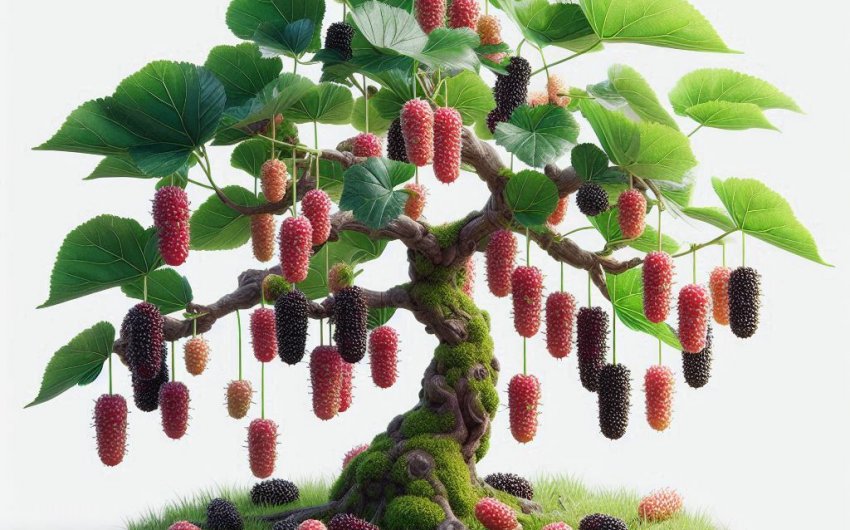
Mulberries are a delightful fruit that are not only packed with flavor but are also versatile in the kitchen. These berries come from mulberry trees of the genus Morus, and they vary in color from white, red, to deep purple. Mulberries are cherished for their sweet taste, whether eaten fresh, dried, or used in jams and desserts. However, knowing the perfect time to harvest these berries is crucial to enjoying their best flavor and ensuring they are ripe and ready.
In this guide, we will walk you through everything you need to know about identifying ripe mulberries and how to harvest them efficiently.
1. Understanding the Different Varieties of Mulberries
Before delving into the details of when and how to harvest mulberries, it’s important to understand the different types of mulberry trees. The type of mulberry tree you are growing will affect when the berries ripen and what they look like when ready to pick.
White Mulberry (Morus alba)
The white mulberry is native to China and is often used for feeding silkworms. The berries of this tree can range from white to light pink or even dark purple. White mulberries are known for their sweetness and mild flavor.
When they are ripe, white mulberries typically take on a pale yellowish or white color, though darker varieties may turn a purplish-black. The berries of this tree are slightly smaller than red or black mulberries but are equally delicious. If you have this variety, be on the lookout for berries that are soft and plump, as they signal the perfect time for harvesting.
If you're interested in growing your own white mulberry tree, this type is ideal for warmer climates.
Red Mulberry (Morus rubra)
The red mulberry is native to North America and produces fruit that ranges from red to dark purple as it ripens. These mulberries are more tart than their white counterparts but develop a rich, sweet flavor when fully ripe.
Red mulberries begin as green, progress to red, and finally ripen into a deep, almost black-purple color. The flavor and texture are best when the berry is soft and slightly squishy, yet not overripe to the point of fermentation.
Consider planting a red mulberry tree if you're located in a temperate region with good humidity.
Black Mulberry (Morus nigra)
The black mulberry is considered the most flavorful of the species, producing juicy, dark purple to black fruits. This variety, native to western Asia, ripens later in the season compared to white and red mulberries. The berries are large, and their deep color is a good indicator of ripeness.
When picking black mulberries, look for deep purple-black berries that are soft and ready to fall into your hand. If the berry requires a tug to remove, it is likely not fully ripe. The flavor is intense and sweet with a hint of tartness.
You can grow your own black mulberry tree to enjoy this richly flavored fruit right at home.
2. Visual Cues for Ripeness
Knowing when your mulberries are ripe involves a combination of visual cues and touch. Mulberries ripen over time, and often, not all of the berries on a single tree will ripen at once.
Color Change
The most obvious sign of ripeness is the change in color. Depending on the type of mulberry tree you have, the ripening process involves transitioning from green to red, purple, or even black.
- White mulberries will turn from green to pale yellow or light pink, though some cultivars may darken to purple or black.
- Red mulberries ripen from green to red, and eventually to a dark, almost black hue.
- Black mulberries start off green and ripen into a deep, inky black.
If your mulberries are still light green or bright red (for red and black varieties), they are not yet ready. Wait until the berries deepen in color.
Softness of the Fruit
In addition to color, the softness of the fruit is a major indicator of ripeness. Mulberries become softer as they ripen, so a ripe mulberry will be plump and yield slightly to pressure. A firm berry is likely unripe and will have a tart or bitter taste.
You can gently squeeze the berries between your fingers. If they are soft and squishy, they are ready to be harvested. Overripe mulberries, on the other hand, may be overly mushy and could fall apart easily, so be mindful not to wait too long.
3. Taste and Aroma
A perfectly ripe mulberry has a sweet, juicy flavor with a slight tartness that makes it irresistible. Unripe mulberries, by contrast, can taste bitter or lack flavor altogether. A ripe berry will be fragrant and enticing. If you notice that the berries are starting to give off a pleasant fruity aroma, they are probably ready for harvesting.
You can pick a few berries from your mulberry tree and taste them to judge their ripeness. If the fruit is too sour or doesn't taste quite right, leave the remaining berries on the tree for a few more days.
Pro Tip: Taste Testing
Sampling your mulberries before harvesting a large batch is a good way to determine whether they are ready to be picked. Gently pull a berry from the tree, and if it comes off easily and tastes sweet, the rest of the berries on that branch are likely ripe as well. You can use a berry picker to assist in the harvesting process.
4. Timing the Harvest
Mulberries do not ripen all at once, which makes harvesting them a unique task. You will need to visit your tree several times during the harvest season to pick the berries as they ripen. Mulberries ripen in waves over a period of weeks, so be prepared to harvest every few days to get the best fruit.
Seasonal Considerations
- White mulberries tend to ripen first, typically between late spring and early summer.
- Red mulberries ripen around the same time but can continue producing fruit through mid-summer.
- Black mulberries generally ripen later in the season, often toward late summer or early fall.
If you want to spread out your mulberry harvest season, you can plant different varieties of mulberry trees that ripen at different times. This will give you an extended window for enjoying fresh berries.
Morning Harvests
Harvesting your mulberries in the morning is ideal. This is when the berries are plump and cool, having soaked in moisture from the overnight dew. A harvest basket is a useful tool to gather your berries and carry them without bruising.
5. Harvesting Methods
There are two primary methods for harvesting mulberries: hand-picking and shaking. Both techniques are effective, but the one you choose may depend on the size of your tree, the height of the branches, and the ripeness of the berries.
Hand-Picking
The most traditional method of harvesting mulberries is by hand. Simply grasp a ripe berry between your thumb and forefinger and give it a gentle pull. If it comes off easily, it's ready to be eaten or collected.
This method is ideal if you have a smaller tree or want to be selective about picking only the ripest berries. A fruit-picking tool can also help you reach higher branches without damaging the fruit or the tree.
Shaking the Tree
Another efficient way to harvest a large number of mulberries at once is to spread a harvest tarp or sheet beneath the tree and gently shake the branches. Ripe berries will fall off easily, and unripe ones will remain attached to the tree.
Be careful not to shake the tree too vigorously, as this can cause damage to the branches or knock down unripe fruit. Once the berries have fallen, gather them up from the tarp and place them in your basket or container.
Using a Ladder
If your mulberry tree is large, some of the berries may be out of reach. In this case, using a foldable ladder will allow you to reach higher branches safely. Always ensure the ladder is stable before climbing and avoid overreaching to prevent accidents.
6. Storing and Using Your Harvest
Once you’ve harvested your mulberries, it’s important to store them properly to keep them fresh. Mulberries are delicate, so they need to be handled with care to avoid bruising or crushing.
Storing Fresh Mulberries
If you plan to eat your mulberries within a few days, store them in the refrigerator in a ventilated container. Mulberries do not have a long shelf life, typically lasting about 2 to 3 days before they start to spoil.
For longer storage, mulberries can be frozen. Spread the berries out on a baking sheet and place them in the freezer. Once frozen, transfer them to a freezer-safe bag for up to 6 months of storage.
Using Mulberries in Recipes
Mulberries are versatile and can be used in a variety of recipes, from pies and tarts to smoothies and jams. Their sweet-tart flavor pairs well with other fruits like strawberries or blueberries. You can also dry your mulberries using a food dehydrator to enjoy them as a snack or add them to trail mixes.
For more ideas on how to enjoy mulberries, explore our guide on mulberry magic: sweet and juicy summer treat, and discover a range of recipes and tips to make the most of your harvest!