
What Should I Do If My Lavender Plants Are Suffering from Root Bound Conditions?
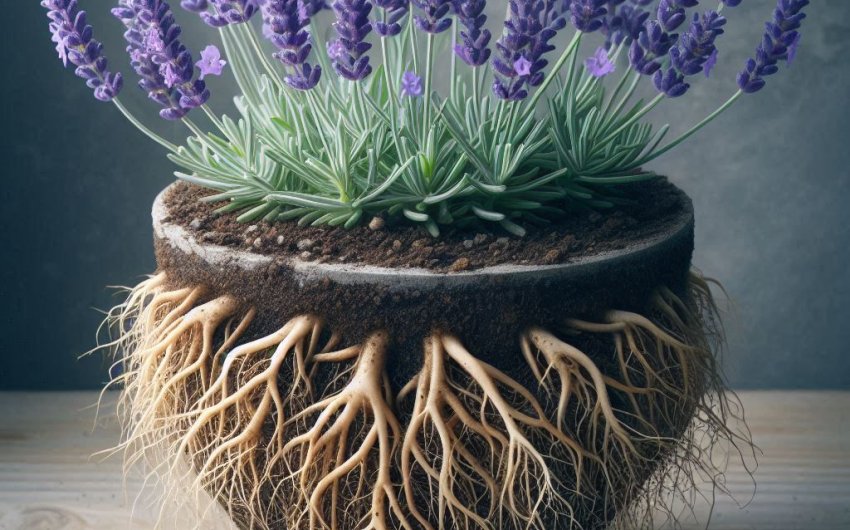
The silvery foliage and intoxicating fragrance of lavender plants make them a cherished addition to any garden or patio. Known for their resilience and drought-tolerant nature, these Mediterranean beauties often thrive with minimal fuss. However, even the toughest plants can face challenges, and one common, yet often overlooked, problem for lavender is root-bound conditions, especially when grown in pots. When a lavender plant's root system becomes too large for its container, its health and vigor can quickly decline, leading to stunted growth, reduced flowering, and a general lack of vitality.
Recognizing the signs of a root-bound lavender plant and knowing how to effectively intervene is crucial for restoring its health and ensuring its long-term splendor. This guide will delve into what happens when lavender plants suffer from root-bound conditions, the tell-tale signs to look out for, and provide actionable steps to address the issue. From proper repotting techniques to understanding lavender's specific needs, we'll walk you through how to revive your struggling plant and bring it back to its fragrant, blooming best.
What Are Root-Bound Conditions and Why Do They Affect Lavender?
What Does "Root-Bound" Mean?
The term "root-bound" (or pot-bound) describes a condition where a plant's root system has completely filled its container, becoming a dense, tangled mass with little or no potting mix left. The roots have literally become "bound" by the confines of the pot.
- Physical Manifestation: When you remove a root-bound plant from its pot, you'll see a solid, tightly packed ball of roots, often circling around the inside of the pot in the shape of the container. The roots may even be growing out of the drainage holes.
- Lack of Space: There is no longer adequate space for new root growth, which is essential for the plant to continue expanding and absorbing nutrients.
- Depleted Resources: The limited potting mix that remains is quickly depleted of nutrients, and its structure breaks down, reducing its ability to hold moisture or provide aeration.
Essentially, a root-bound plant has outgrown its home and its lifeline.
How Does Being Root-Bound Harm Lavender Plants?
While some plants prefer to be slightly root-bound, lavender plants generally do not thrive under these conditions for prolonged periods. Being root-bound can severely harm lavender plants in several ways:
- Stunted Growth: The most obvious impact. With no room for roots to expand, the plant cannot absorb enough water or nutrients, leading to significantly stunted growth of both roots and foliage. The plant simply cannot grow larger or produce new shoots.
- Reduced Flowering: Producing flowers and essential oils is an energy-intensive process. A root-bound lavender plant, starved of resources, will produce significantly fewer, smaller, or less fragrant flowers.
- Nutrient Deficiencies: Even if you fertilize, the compacted root ball has very little potting mix to hold nutrients, and the tangled roots struggle to absorb what is available. This leads to nutrient deficiencies, often seen as yellowing leaves or a general lack of vigor.
- Watering Issues: This is a major problem.
- Rapid Drying: A dense root ball holds very little actual potting mix, causing the pot to dry out extremely quickly. You might find yourself watering daily, only for the plant to wilt again within hours.
- Poor Absorption: Conversely, a severely root-bound root ball can become so dense and hydrophobic (repelling water) that water runs straight through the pot without actually soaking the roots, leading to underwatering even if you apply water.
- Increased Stress: The constant struggle for water and nutrients puts the lavender plant under chronic stress, making it more susceptible to pests and diseases.
- Shortened Lifespan: Prolonged root-bound conditions can ultimately lead to the decline and premature death of the lavender plant.
Addressing root-bound conditions is vital for the longevity and splendor of your lavender.
Why Is Good Drainage Important for Root-Bound Lavender?
Good drainage is always important for lavender, but it becomes even more critically important for root-bound lavender that you are trying to revive.
- Lavender's Preference: Lavender plants are native to Mediterranean regions and are adapted to dry, well-draining soils. They absolutely despise wet feet, which can quickly lead to root rot.
- Compaction and Soggy Conditions: When a lavender plant becomes severely root-bound, the potting mix breaks down and compacts around the dense root mass. Even if you manage to get water into the pot, this compacted material can become soggy and stay wet for too long, depriving roots of oxygen and leading to root rot.
- Oxygen for Roots: Good drainage ensures that water passes through quickly, allowing air to return to the root zone. Roots need oxygen to respire and absorb water and nutrients efficiently.
- Recovery after Repotting: When you repot a root-bound lavender, you will often have disturbed the roots. Repotting into fresh, well-draining potting mix is crucial to prevent further root rot in the healing roots.
Ensuring good drainage in the pot (and using well-draining potting mix) is non-negotiable for lavender's health, especially when dealing with root-bound conditions.
How Do I Identify a Root-Bound Lavender Plant?
Are Roots Growing Out of Drainage Holes a Clear Sign?
Yes, roots growing out of drainage holes is one of the clearest and most definitive signs that your lavender plant is root-bound and desperately needs attention. When the root system has nowhere else to go within the pot, it will grow outwards in search of more space, moisture, and nutrients, naturally exiting through the drainage holes.
While some roots might occasionally peek out of a healthy pot, a solid mat of roots visibly protruding from the bottom of the pot is a strong indicator of severe root-bound conditions. It means the roots have filled the entire container, confirming the need for repotting.
What Do Stunted Growth and Reduced Flowering Indicate?
Stunted growth and reduced flowering are common visual cues that your lavender plant might be root-bound, particularly when combined with watering issues.
- Stunted Growth: If your lavender plant, which normally grows steadily, suddenly seems to have stopped growing, or its new shoots are noticeably smaller and weaker than older ones, it's often because its root system has no more room to expand. The plant simply doesn't have the space or resources to grow larger.
- Reduced Flowering: Lavender's primary appeal is its beautiful flowers. If your lavender plant is producing significantly fewer flower spikes, or the individual flowers are smaller, less vibrant, or less fragrant than usual, it's a strong sign of stress. The plant is conserving energy because its limited root system can't support vigorous flower production.
When you see these signs alongside other clues, it's highly probable your lavender is root-bound.
How Does Quick-Drying Soil Suggest Root-Bound Conditions?
If your lavender plant's potting mix seems to dry out much faster than it used to, even with regular watering, it strongly suggests root-bound conditions.
- Root-to-Soil Ratio: When a plant is root-bound, the pot is essentially filled with roots, not soil. There's very little actual potting mix left to hold moisture.
- Rapid Water Uptake/Passage: What little water does get in is either quickly absorbed by the dense root mass or, paradoxically, runs straight through the compacted root ball without being absorbed at all.
- Wilted Appearance: This rapid drying often leads to the lavender plant wilting frequently, looking thirsty even if you've just watered it. This can be confusing, as wilting can also be a sign of overwatering, but in this case, the soil is rapidly drying.
If you find yourself watering your lavender almost daily in conditions where it previously only needed water every few days, it's a major indicator of being root-bound.
What Does the Root Ball Itself Reveal?
The most definitive way to identify root-bound conditions is to inspect the root ball itself.
- Careful Removal: Gently slide the lavender plant out of its pot. For plastic pots, you can gently squeeze the sides. For terracotta, you might need to run a thin knife around the inside rim. Support the base of the plant while doing this.
- Inspect the Roots: Once out, observe the root ball:
- Root-bound: If the roots are tightly packed, coiling around the inside of the pot in the shape of the container, or forming a dense, solid mat, your lavender is root-bound.
- Healthy roots: Healthy roots are usually firm, white or light tan, and spread throughout the potting mix but don't excessively fill the pot or circle densely. You should still see plenty of potting mix.
- Rotten roots: If the roots are mushy, dark brown or black, and smell foul, you might have root rot (often associated with overwatering or poor drainage), which can sometimes occur in conjunction with root-bound conditions if the soil becomes soggy after breaking down.
This direct visual inspection provides conclusive evidence of a root-bound problem.
How Do I Revive a Root-Bound Lavender Plant?
When Is the Best Time to Repot Lavender?
The best time to repot lavender is crucial for its recovery and establishment, as it can be sensitive to root disturbance.
- Early Spring (Ideal): The absolute ideal time is in early spring, just as new growth is starting to emerge and after the danger of the last hard frost has passed. At this time, the lavender plant is actively growing and has the energy to quickly recover from the shock of repotting and establish new roots in its larger container.
- Early Fall (Acceptable): Repotting can also be done in early fall (at least 4-6 weeks before the first hard frost). This allows the roots to establish somewhat before the plant goes dormant for winter. However, spring is generally preferred.
- Avoid Summer Heat: Try to avoid repotting during the intense heat of summer, especially in very hot climates. The added stress of repotting combined with high temperatures can be detrimental.
- Avoid Winter Dormancy: Do not repot lavender during its winter dormancy period (late fall to late winter). The plant does not have the energy reserves to recover from root disturbance when it's not actively growing.
- Emergency Repotting: If the lavender plant is in severe decline due to root-bound conditions and is literally dying, then an emergency repotting might be necessary regardless of the season. However, proceed with extra care and provide optimal post-repotting conditions.
Timing your repotting minimizes stress and maximizes the chances of a full revival.
How Do I Choose the Right Pot Size and Potting Mix?
Choosing the right pot size and potting mix is fundamental for lavender's success after being root-bound.
- Pot Size:
- Go up by only 1-2 inches: When repotting a root-bound lavender, select a new pot that is only 1-2 inches larger in diameter than the old one. If your lavender was in a 6-inch pot, move it to an 8-inch pot.
- Why not too big?: A pot that is too large will hold too much potting mix that the current root system cannot effectively use. This leads to excess moisture, which is a recipe for root rot in lavender.
- Drainage holes: Reiterating: every pot must have ample drainage holes.
- Potting Mix:
- Specialized for drainage: Lavender requires a potting mix that is exceptionally well-draining and gritty, mimicking its native Mediterranean habitat.
- Avoid heavy mixes: Do NOT use standard all-purpose potting mix or garden soil, as these are too heavy and retain too much moisture for lavender.
- DIY Mix: A good custom mix for lavender can be made by combining:
- 1 part general potting mix (or peat/coco coir based mix)
- 1 part perlite or coarse sand (horticultural sand, not play sand)
- 1 part grit (like small gravel, pumice, or chicken grit).
- Commercially available: Look for potting mixes specifically labeled for cacti, succulents, or Mediterranean herbs. These will generally provide the necessary drainage. A good choice is Fast Draining Cactus and Succulent Soil.
The correct pot and potting mix are paramount for long-term lavender health.
What Is the Best Way to Repot a Root-Bound Lavender?
Repotting a root-bound lavender needs to be done carefully to minimize shock and promote recovery.
- Prepare the new pot: Place a small piece of mesh or a coffee filter over the drainage hole (to prevent soil loss). Add a shallow layer of your fresh, well-draining potting mix to the bottom of the new pot.
- Remove from old pot: Gently slide the lavender plant out of its current pot. If it's very stubborn, you might need to run a thin, clean knife around the inner edge or carefully cut the plastic pot.
- Inspect and loosen the root ball:
- Observe: You'll see a dense mass of roots.
- Loosen bottom: Use your fingers or a clean, dull knife to gently loosen the bottom third of the root ball. Untangle any roots that are tightly circling the bottom. You can make a few shallow vertical cuts into the root ball to encourage outward growth, but be careful not to be too aggressive, especially with lavender.
- Trim if necessary: If you see any soft, mushy, or dark roots (signs of rot), prune them away with clean, sharp shears. Trim off any excessively long, straggly roots to encourage new feeder roots.
- Place in new pot: Place the lavender plant in the new pot, centering it. Adjust the amount of potting mix underneath so the top of the root ball is about 1 inch below the rim of the new pot.
- Backfill: Fill the sides around the root ball with fresh potting mix. Gently tap the pot on your work surface to settle the soil and eliminate large air pockets. Do not pack the soil down tightly.
- Water lightly: After repotting, water lightly to settle the soil around the roots. Lavender should not sit in soggy soil after repotting. Allow the top layer to dry out quickly.
A gentle touch and proper technique help ensure a successful repotting.
How Do I Prune Lavender After Repotting?
Pruning lavender after repotting is crucial for balancing the plant's top growth with its temporarily disturbed root system and for encouraging a bushier, healthier recovery.
- Purpose:
- Reduce stress: By removing some foliage, you reduce the demand on the root system for water and nutrients, allowing the plant to focus energy on establishing new roots.
- Encourage bushiness: Lavender benefits from pruning to maintain its shape and prevent it from becoming woody and leggy.
- Stimulate new growth: Cutting back encourages a flush of new, healthy shoots.
- When: Perform this pruning immediately after repotting.
- How:
- General trim: Use sharp pruning shears to trim the entire plant back by about one-third to one-half its current size. Focus on maintaining a rounded, compact shape.
- Remove leggy/woody stems: Cut back any very long, leggy, or excessively woody stems. Avoid cutting into the oldest, completely woody part of the stem, as lavender often struggles to sprout from old wood.
- Deadhead (if applicable): Remove any spent flower stalks.
This pruning rejuvenates the lavender plant and supports its revival after the stress of repotting. A sharp pair of Garden Pruning Shears is essential.
What Long-Term Care Ensures Lavender Splendor?
What Is the Ideal Watering Schedule After Repotting?
The ideal watering schedule after repotting a root-bound lavender shifts dramatically. It requires careful monitoring to ensure the plant gets enough moisture to establish new roots, but absolutely avoids overwatering.
- First watering (after repotting): Water lightly to settle the new potting mix.
- Subsequent watering: For the first few weeks after repotting, the goal is to keep the soil consistently moist (but not soggy) to encourage new root growth. Check the soil every 1-2 days. Once the top inch or two starts to feel dry, water thoroughly until water drains from the bottom.
- Transition to established care: Once you see signs of new growth (new leaves emerging), gradually transition to the long-term care routine for lavender: allowing the soil to dry out almost completely between waterings. This could mean watering only once every week or two, depending on weather and pot size.
- The "Finger Test" (still critical): Continue to rely on the "finger test" before each watering to avoid overwatering.
Resist the urge to overwater, even if the plant looks stressed, as this will lead to root rot.
How Do I Fertilize a Recovering Lavender Plant?
Fertilizing a recovering lavender plant should be done cautiously, as newly disturbed roots are sensitive to excess salts.
- Delay Fertilization: Do not fertilize for at least 4-6 weeks after repotting. The fresh potting mix contains enough nutrients for this initial recovery period, and adding fertilizer too soon can cause root burn and further stress the plant.
- Observe Recovery: Wait until you see clear signs of the lavender plant actively recovering and putting out new, healthy green growth before considering fertilization.
- Lean Feeding: Even when you do start, remember that lavender prefers lean conditions.
- Organic compost: The best approach is often a thin top-dressing of compost around the base of the plant once it shows signs of vigor. This provides slow-release nutrients and improves soil health.
- Diluted Liquid Fertilizer: If you choose a liquid fertilizer, use a very balanced formula (e.g., 5-10-5 NPK or similar, slightly higher in phosphorus/potassium for flowers) at half or quarter strength. Apply sparingly, perhaps once a month during its active growing season.
- Avoid Excess Nitrogen: Too much nitrogen can lead to lush, leggy growth at the expense of flowers and resilience, which is not ideal for lavender.
A light touch with fertilizer is always best for lavender plants.
What Is the Importance of Good Air Circulation?
Good air circulation is vital for the long-term health and splendor of lavender plants, both in containers and in the garden.
- Prevents Fungal Diseases: Lavender is generally tough, but it can be susceptible to fungal issues (like botrytis or various blights) if conditions are too humid or stagnant. Good air circulation helps keep the foliage dry, significantly reducing the risk of these diseases.
- Deters Pests: Some pests (like spider mites) thrive in still, dry air. While lavender is resistant to most, good air circulation generally promotes overall plant health, making it more resilient.
- Promotes Strong Growth: Adequate airflow ensures that all parts of the lavender plant receive proper light and prevents the inner branches from becoming weak or woody due to lack of sun.
Maintains Compact Shape: Combined with proper pruning, good air circulation helps lavender maintain its naturally compact, mounding shape, preventing it from becoming leggy or floppy.
How to ensure good air circulation:
- Proper spacing: When planting multiple lavender plants, ensure they are spaced adequately according to their mature size.
- Pruning: Regularly prune your lavender to maintain an open, rounded shape, removing any dead or dense inner branches that could impede airflow.
- Container placement: If growing in containers, ensure they are not jammed too closely together, allowing air to flow freely around them.
Good air circulation is a simple yet crucial component of lavender care.
How Does Sunlight Affect Recovering Lavender?
Sunlight is absolutely critical for both recovering lavender and ensuring its continued splendor. Lavender plants are sun worshippers.
- Essential for Photosynthesis: Sunlight provides the energy for photosynthesis, the process by which lavender produces the sugars and energy it needs for growth, flowering, and recovery.
- Promotes Strong Growth: Ample sunlight leads to dense, compact growth and abundant, fragrant flowers.
- Deters Disease: Sunlight helps keep foliage dry, which is important for preventing fungal diseases.
- Recovery Needs: After repotting and root disturbance, place your recovering lavender plant in a location where it receives full sun (at least 6-8 hours of direct sunlight per day). While some plants benefit from a brief period of indirect light after repotting, lavender quickly needs its sun fix to put energy into root and shoot development.
- Avoid Shade: Lavender grown in too much shade will become leggy, sparse, have fewer flowers, and be more susceptible to disease.
Ensure your lavender plant is bathed in plenty of sunlight for the best possible chance of revival and a future of fragrant splendor.