
How to Start Composting for a Community Garden?
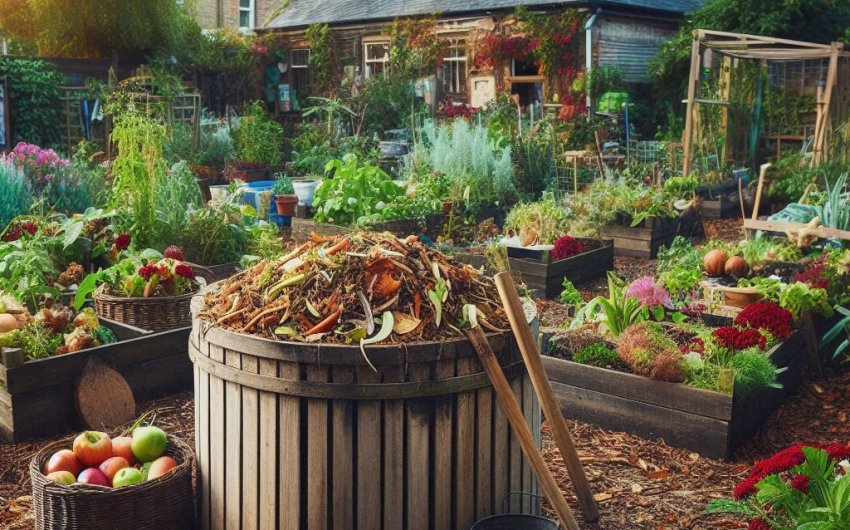
Establishing a thriving composting system for a community garden is a cornerstone of sustainable gardening, transforming organic waste into a valuable resource that nourishes the shared plots. This collective effort not only provides a continuous supply of rich, nutrient-dense compost but also fosters a deeper sense of environmental stewardship and community engagement among gardeners. Successfully initiating and maintaining such a system requires careful planning, clear communication, and a shared commitment to the principles of responsible waste management.
What is Community Composting and Why is it Important for a Community Garden?
Community composting in the context of a garden involves a shared system where multiple gardeners contribute their organic waste (kitchen scraps, garden debris) to be processed into compost for collective use. It leverages the combined resources and efforts of the garden members to produce a valuable soil amendment that benefits the entire garden.
The Power of Collective Composting
- Increased Volume: Community gardens generate a significant amount of plant waste (weeds, spent crops, trimmings) in addition to individual kitchen scraps. A centralized system can handle a much larger volume than individual backyard bins.
- Resource Sharing: Tools, labor, and knowledge are shared among members, making the process more efficient and less burdensome for any single individual.
- Consistent Supply of Compost: A well-managed community system can provide a steady supply of high-quality compost that all garden members can utilize to enrich their plots, improving soil health across the garden.
- Environmental Impact: Diverting a large collective volume of organic waste from landfills significantly reduces methane emissions and conserves landfill space.
- Education and Engagement: It serves as a living example of sustainable practices, educating members on waste reduction and soil health. It also fosters collaboration and strengthens community bonds.
Benefits of Compost for Community Garden Soil
Compost is often referred to as "black gold" due to its incredible benefits for soil. In a community garden, these benefits are magnified.
- Improved Soil Structure: Compost acts as a soil conditioner, binding sandy soils to hold more water and nutrients, and loosening heavy clay soils for better drainage and aeration. This makes plots easier to work.
- Nutrient Cycling: It provides a slow-release, balanced source of essential plant nutrients, reducing the reliance on synthetic fertilizers and promoting healthier plant growth.
- Increased Water Retention: Compost significantly increases the soil's ability to hold moisture, reducing watering needs for all plots.
- Enhanced Biodiversity: It feeds and supports the crucial soil food web (microorganisms, fungi, earthworms), which are vital for nutrient availability, disease suppression, and overall soil health.
- Reduced Erosion: Healthy soil rich in organic matter is more stable and less prone to erosion by wind and water.
- Disease Suppression: A biologically active compost can help suppress plant diseases by outcompeting harmful pathogens.
How Do You Plan a Community Composting System?
Thorough planning is the bedrock of a successful composting system for a community garden. This initial phase requires careful consideration of the garden's specific needs, available resources, and the active participation of its members to ensure sustainability and minimize potential issues.
1. Form a Composting Committee
- Lead the Initiative: Designate a small group of enthusiastic and knowledgeable garden members to lead the composting effort.
- Responsibilities: This committee will research options, plan the system, establish rules, educate members, and oversee maintenance.
- Key Skills: Look for members with an interest in composting, good organizational skills, and the ability to communicate effectively.
2. Assess Garden Needs and Resources
- Anticipate Volume: Estimate the amount of organic waste the garden members will collectively generate (kitchen scraps from homes, garden trimmings from plots). This will determine the required size and type of composting system.
- Available Space: Identify a suitable location within the garden for the compost bins. Consider:
- Size: Is there enough space for multiple bins or a large open pile?
- Accessibility: Is it easily accessible for members to drop off materials and for the committee to turn/manage?
- Proximity: Not too far for convenience, but not directly next to high-traffic or sitting areas (due to potential odors, though a well-managed pile should not smell).
- Shade: A partially shaded spot can prevent the pile from drying out too quickly.
- Drainage: Ensure the area drains well and doesn't collect standing water.
- Tool Access: What tools are available (pitchforks, shovels, wheelbarrows, screening equipment)? Will new tools need to be purchased (e.g., a compost thermometer, compost aerator tool)?
- Water Source: Is there a water source nearby for moistening the pile?
3. Choose the Right Composting System(s)
For a community garden, a single backyard-style bin is rarely sufficient. A multi-bin system or large-scale solutions are usually necessary.
- Multi-Bin System (Most Common & Recommended):
- Description: Typically 3 or more contiguous bins. This allows for batch composting: one bin for adding fresh materials, one for actively breaking down (heating/turning), and one for curing finished compost.
- Pros: Handles large volumes, allows for continuous process, easy to turn/manage, good aeration for hot composting. Can be built from wooden pallets, cinder blocks, or specialized kits.
- Cons: Requires dedicated space, less aesthetically discreet than tumblers, may attract pests if not managed well.
- Large Tumblers:
- Description: Heavy-duty, large-capacity tumblers, often dual-chamber.
- Pros: Good for medium-to-large volumes of food waste, pest-proof, clean, relatively easy to turn.
- Cons: Expensive for large capacities, may not handle very large woody garden debris, can become very heavy to turn. A large dual chamber compost tumbler might be considered.
- Open Piles (Carefully Monitored):
- Description: Large, uncontained piles. Best for garden-generated woody waste.
- Pros: Highest capacity, cheapest.
- Cons: Can be messy, most prone to pests and odors, requires significant space. Not ideal for kitchen scraps.
- Vermicomposting (Supplemental):
- Description: Using worms in enclosed bins.
- Pros: Excellent for kitchen scraps, produces premium worm castings, no turning needed, can be managed by individuals in their plots.
- Cons: Cannot handle large volumes or woody waste, temperature sensitive, requires dedicated worm care. Could be a supplementary system run by a dedicated "worm team." A large worm composting bin might work.
4. Establish Clear Rules and Guidelines
Clear rules are paramount for community success and preventing problems.
- What to Compost: List accepted "greens" (fruit/veg scraps, coffee grounds, plant trimmings) and "browns" (dry leaves, shredded cardboard/newspaper).
- What NOT to Compost: Absolutely no meat, dairy, oily foods, pet waste, diseased plants, invasive weeds (with seeds), or chemically treated materials. Emphasize that these attract pests, create odors, and can harm the compost.
- Preparation: How should materials be prepared (chopped, mixed)?
- Drop-off Procedure: Where and how should members add their contributions? (e.g., separate bins for greens/browns initially, specific times for adding).
- Volunteer Roles: Define roles for members in turning, watering, and monitoring.
- Compost Usage: How and when can members harvest finished compost?
5. Educate Garden Members
A well-informed community is a successful community.
- Workshops: Host hands-on composting workshops.
- Signage: Install clear, easy-to-understand signs at the compost site illustrating what can and cannot go in.
- Handouts: Provide simple guides or FAQs for members.
- Regular Reminders: Send out email or group chat reminders on best practices.
How Do You Set Up and Operate a Community Composting System?
With a solid plan in place, the next stage involves the practical setup and ongoing operation of your composting system for a community garden. This hands-on phase requires clear roles, consistent effort, and a methodical approach to managing the inputs and outputs.
1. Build or Install the Composting Bins
- Multi-Bin Construction:
- Materials: Use durable materials like untreated wooden pallets, pressure-treated lumber (note: some debate over chemicals, so use natural alternatives if possible), or galvanized wire mesh supported by sturdy posts.
- Dimensions: Aim for bins roughly 3x3x3 feet (1 cubic meter) in size. This volume is large enough to generate heat for hot composting.
- Access: Design for easy access to turn the piles and remove finished compost. Removable front panels are ideal.
- Tumbler Assembly: If using large tumblers, assemble them according to manufacturer instructions in the chosen location.
- Aesthetics: Consider painting wooden bins or adding a small fence around the compost area to make it visually appealing and integrate it into the garden landscape.
2. Initial Setup of the First Pile
Once the bins are ready, you'll start building your first active compost pile.
- Bottom Layer (Browns): Start with a 6-12 inch layer of coarse, carbon-rich material (e.g., small twigs, straw, wood chips) at the bottom. This provides drainage and airflow.
- Greens & Browns: Begin adding a mix of "greens" and "browns" according to your established ratio (roughly 2-3 parts brown to 1 part green by volume).
- Moisture: As you add layers, lightly moisten the materials. The goal is a consistency like a wrung-out sponge – damp but not soggy.
- Initial Volume: Aim to build the first bin up to at least 3x3x3 feet as quickly as possible. This volume is critical for heating up the pile.
3. Managing Contributions and Maintaining the Pile
This is where active community participation and committee oversight are crucial.
- Designated Drop-Offs:
- Provide clear containers for members to deposit kitchen scraps (e.g., a small kitchen compost bin at home, then transfer to a central garden collection bin).
- Have separate piles or bins for "greens" (fresh plant material) and "browns" (dry leaves, woody debris) generated within the garden.
- Layering (If Applicable): If using static bins or open piles, encourage members or the committee to add layers of browns over new kitchen scraps. This helps control odors and deter pests.
- Turning (Aeration):
- Frequency: For hot composting, turn the pile every 3-7 days, especially when it's actively heating up. Tumblers should be spun daily or every few days.
- Process: Use a pitchfork or a compost aerator tool to mix the outer, cooler materials into the hotter core of the pile.
- Goals: Turning introduces oxygen, distributes moisture and microbes, and helps maintain heat.
- Moisture Management:
- Check Regularly: Monitor the pile's moisture. It should feel damp.
- Add Water: If dry, add water as you turn.
- Add Browns: If too wet, add dry, shredded browns.
- Temperature Monitoring (Optional but Recommended for Hot Composting): Use a compost thermometer to track the internal temperature. A hot pile will reach 130-160°F (55-70°C). This heat kills weed seeds and pathogens.
4. Batch Management (for Multi-Bin Systems)
- Bin 1 (Active Addition): This is where fresh kitchen scraps and garden "greens" are continuously added, along with "browns."
- Bin 2 (Actively Decomposing): Once Bin 1 is full, its contents are thoroughly turned and moved to Bin 2. No new material is added to Bin 2; it's actively managed (turned, watered) to continue breaking down and heating.
- Bin 3 (Curing/Finished Compost): When Bin 2's contents have significantly broken down and cooled, they are moved to Bin 3 for a final "curing" phase. Here, the compost matures, stabilizing nutrients and developing a rich, earthy smell.
- Harvest: Finished compost is then harvested from Bin 3.
5. Troubleshooting and Problem Solving
| Problem | Common Cause(s) | Solution for Community Garden |
|---|---|---|
| Smells Bad (Rotten Eggs/Ammonia) | Too much nitrogen (greens), not enough air, too wet. | Immediate Action: Stop adding fresh greens. Add lots of dry, shredded browns (carbon). Turn the pile thoroughly to introduce oxygen. Ensure proper moisture. Long-Term: Re-emphasize "browns" contributions. Reiterate "What NOT to Compost" rules. |
| Attracts Pests (Rodents, Flies) | Adding prohibited materials (meat, dairy, oils), uncovered food scraps, poor maintenance. | Immediate Action: Remove prohibited materials. Bury new food scraps deeply into the center of the pile. If possible, cover the pile with a tarp or wire mesh to deter large animals. Long-Term: Reinforce "What NOT to Compost" rules. Implement a "bury your greens" policy. Ensure bins are pest-proof if possible. Increase turning frequency. |
| Pile is Not Heating Up/Slow | Too dry, not enough nitrogen (greens), too small, not enough turning. | Immediate Action: Add water while turning. Add more fresh, green materials (grass clippings, kitchen scraps). Ensure the pile is at least 3x3x3 ft. Turn more frequently. Long-Term: Educate members on the importance of balanced contributions. |
| Too Wet/Slimey | Too much moisture, too many fresh greens, not enough browns. | Immediate Action: Add significant amounts of dry, shredded browns (leaves, cardboard, straw) while turning thoroughly. Spread out any fresh, very wet greens. Long-Term: Emphasize layering of browns over greens. Educate on moisture balance. |
| Weeds Sprouting in Pile | Weed seeds present (from garden waste or uncomposted materials), pile not hot enough. | Immediate Action: Turn the pile, focusing on getting materials into the hot core (130-160°F kills most seeds). Remove sprouting weeds by hand. Long-Term: Emphasize not adding weeds that have gone to seed unless the pile is consistently hot. Consider a separate "hot pile" for potentially seedy materials. Ensure new contributions are buried. |
How Do You Harvest and Utilize Community Compost?
The culmination of your collective efforts in community composting is the harvest of nutrient-rich compost, ready to be returned to the garden plots. Establishing clear guidelines for compost utilization ensures fair distribution and maximizes the benefits for the entire community garden.
Knowing When Compost is Ready
Mature compost is often referred to as "black gold" because it has transformed into a stable, nutrient-rich, and earthy-smelling product.
- Appearance: Dark brown to black, crumbly texture, resembling rich soil.
- Smell: Earthy, fresh smell (like forest soil), no offensive odors.
- Texture: Uniform, with few recognizable original materials (some small woody bits are acceptable).
- Temperature: The pile should have cooled down to ambient air temperature. A hot pile means it's still actively decomposing.
Methods for Harvesting Community Compost
The method of harvesting depends on your chosen composting system.
- Multi-Bin Systems:
- Once the third bin (curing bin) is full and the compost has matured, the entire contents can be harvested.
- Remove the front panel of the bin or use a shovel to access the finished compost.
- Large Tumblers:
- For dual-chamber tumblers, one chamber can be fully harvested once its batch is complete.
- For single-chamber tumblers, you will need to empty the entire contents to get the finished product, or you can try to "fork out" finished material from the bottom/center, then return unfinished material for a new batch.
- Open Piles:
- Harvest from the bottom or core of the pile, where decomposition is most advanced.
- Alternatively, turn the entire pile over and harvest from the thoroughly broken-down material.
Screening Compost (Optional but Recommended for Refined Use)
- Purpose: Screening removes any larger, uncomposted pieces (twigs, eggshells) from the finished product, leaving a fine, uniform compost. This is especially useful for seed starting, potting mixes, or topdressing lawns.
- Method: Use a compost screen or a DIY screen made from hardware cloth stretched over a wooden frame. Shovel compost onto the screen and shake/push it through. Return the larger, unfinished bits to the active pile for further decomposition.
Utilizing Community Compost
Once harvested, the compost is a shared resource for the entire garden.
- Soil Amendment:
- Incorporating: Mix compost directly into garden beds before planting (2-4 inches deep). This improves soil structure, drainage, and fertility.
- Topdressing: Spread a 1/2 to 1-inch layer of compost over existing garden beds or around plants. It acts as a slow-release fertilizer and mulch.
- Raised Beds: Ideal for building or replenishing raised beds.
- Potting Mix Component: Mix finished, screened compost into your container potting mix (up to 20-30% by volume) for container gardening, enhancing nutrient content and structure.
- Seed Starting Mix: For seed starting, very finely screened compost can be used as a small component (10-25%) of a sterile seed starting mix.
- Compost Tea: Steep finished compost in water to create nutrient-rich "compost tea", which can be used as a liquid fertilizer or foliar spray.
Establishing Fair Distribution Guidelines
Clear rules for compost distribution prevent disputes and ensure equitable access.
- First Come, First Served: A simple approach, but might favor early birds.
- Allotments: Assign a specific amount or number of wheelbarrows/buckets per plot or per member per season.
- Sign-Up System: Have a sign-up sheet for members to reserve compost quantities.
- Priority for Contributors: Members who actively contribute to compost management (turning, watering) might receive priority or a slightly larger share.
- Communicate Clearly: Post guidelines at the compost site and communicate them regularly to all garden members.
By collectively planning, setting up, managing, and utilizing a composting system for a community garden, members can enjoy continuous access to invaluable compost, transforming garden waste into a vibrant, thriving shared space.