
What is Bokashi Composting, and How Does It Differ from Traditional Methods?
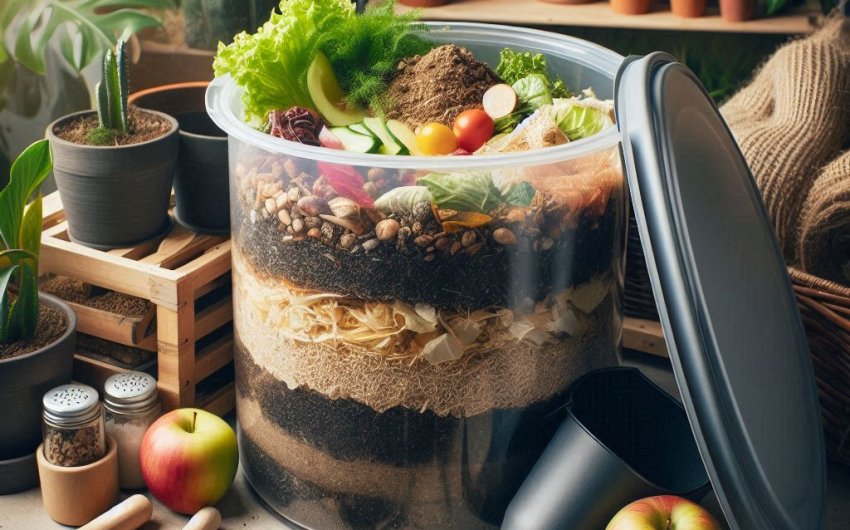
Diving into the world of alternative waste management techniques reveals fascinating new methods for enhancing garden soil, and one particularly innovative approach is Bokashi composting. This unique fermentation process, originating in Japan, offers a distinctive way to transform organic kitchen waste, differing significantly from traditional aerobic composting methods. Understanding how Bokashi works can revolutionize your approach to sustainable living, especially if space and odor are concerns.
What exactly is Bokashi composting?
Bokashi composting is a unique and increasingly popular method of processing organic waste, standing apart from conventional composting techniques. It's a two-stage process that primarily involves fermentation rather than decomposition, which makes it distinct. The term "Bokashi" (pronounced boh-KAH-shee) is Japanese for "fermented organic matter."
The Core Concept of Bokashi: Fermentation, Not Decomposition
Unlike traditional composting, which relies on aerobic (oxygen-requiring) decomposition by bacteria and fungi, Bokashi is an anaerobic (oxygen-free) process driven by a specific mix of beneficial microorganisms. These microbes are introduced via a "Bokashi bran" or "Bokashi mix" that is sprinkled over food scraps in an airtight container.
Think of it less like rotting and more like pickling your food waste. The food doesn't decompose or break down into humus in the Bokashi bucket; instead, it becomes "pickled" or fermented, preparing it for the next stage.
The Key Components:
- Bokashi Bucket (Airtight Container): This is a specialized container, often with a spigot at the bottom to drain off "Bokashi tea" (fermentation liquid). The airtight seal is crucial for maintaining the anaerobic environment. A typical Bokashi bin starter kit includes the bucket and some bran.
- Bokashi Bran (Microorganism Inoculant): This is the heart of the Bokashi system. It's usually a grain-based material (like wheat bran or sawdust) inoculated with a mixture of Effective Microorganisms (EM). These EM are a consortium of beneficial microbes, primarily lactic acid bacteria, yeasts, and photosynthetic bacteria. The most common EM formulation used for Bokashi contains:
- Lactic Acid Bacteria: Responsible for the fermentation process, producing lactic acid which lowers the pH and preserves the organic matter.
- Yeast: Contributes to fermentation and produces beneficial substances.
- Photosynthetic Bacteria: Utilize light and heat to produce various beneficial compounds. These microorganisms are dormant in the bran and activate when they come into contact with moist organic waste. You can buy Bokashi bran refills separately.
The Two Stages of Bokashi Composting:
- Fermentation Stage (in the Bokashi Bucket):
- You add food scraps to the airtight Bokashi bucket.
- After each layer of scraps, you sprinkle a small amount of Bokashi bran.
- The lid is kept tightly sealed to maintain anaerobic conditions.
- The EM activate and begin to ferment the organic matter. This process takes approximately 2-4 weeks.
- During this stage, a liquid byproduct, often called "Bokashi tea," drains to the bottom of the bucket and can be drained off via the spigot.
- Burying/Decomposition Stage (in Soil):
- Once the fermentation stage is complete (usually indicated by a slightly sweet, pickled, or yeasty smell and the contents looking mostly unchanged but coated in white mold), the fermented material is buried in a trench in your garden soil or mixed into a traditional compost pile.
- At this point, the fermented food waste rapidly breaks down in the soil, converting into nutrient-rich humus within a few weeks to a couple of months. The pre-fermentation speeds up this final decomposition.
Bokashi is not a finished compost product when it leaves the bucket; it's a pre-compost material that needs further integration into the soil. This unique, two-step, anaerobic process is what distinguishes Bokashi composting from all other methods.
How does Bokashi composting differ from traditional aerobic methods?
The fundamental difference between Bokashi composting and traditional aerobic methods lies in the type of microbial activity and the conditions required for the process. This distinction impacts what materials can be composted, how quickly it works, and its suitability for different environments, making it a unique approach to waste management.
Here's a detailed comparison:
| Feature | Bokashi Composting | Traditional Aerobic Composting |
|---|---|---|
| Primary Process | Fermentation (anaerobic) | Decomposition (aerobic) |
| Microorganisms | Effective Microorganisms (EM): Lactic acid bacteria, yeasts, photosynthetic bacteria. Anaerobic. | Wide variety of bacteria, fungi, actinomycetes. Aerobic. |
| Oxygen Requirement | Anaerobic (No oxygen): Requires an airtight bin. | Aerobic (Requires oxygen): Needs regular turning/aeration. |
| Odor | Minimal, specific: Sweet, pickled, yeasty, or slightly sour. No foul, rotting smell if done correctly. | Can be strong/foul if anaerobic (too wet, not turned enough). Pleasant earthy smell if well-managed. |
| Heat Generation | Little to No Heat: Fermentation is a cooler process. | Significant Heat (Hot Composting): Can reach 130-160°F (54-71°C) when active. |
| What it looks like (post-process) | Looks largely unchanged: Food scraps retain original shape, but are "pickled" and often covered in white mold. | Looks like soil: Original materials are broken down into dark, crumbly humus. |
| Processing Time (in bin) | 2-4 weeks in the Bokashi bin. | Weeks to months in the compost pile. |
| Materials Accepted | All food scraps: Including meat, dairy, cooked foods, bones, citrus, fats, oils (unique advantage). | No meat, dairy, cooked foods, fats, oils: Attracts pests, creates odors. |
| Pest Attraction (during bin stage) | Very Low: Airtight container and pickled smell deter most pests. | High: Attracts rodents, flies, and scavengers if not well-managed or exposed. |
| End Product | "Pre-compost" or fermented food waste: Needs to be buried in soil or added to an existing compost pile for final breakdown. | Finished compost (humus): Ready to use directly in garden or pots. |
| Impact on Soil | Fermented material rapidly integrates into soil, quickly boosting microbial life and nutrient availability. Can lower soil pH temporarily. | Improves soil structure, adds long-term nutrients, and benefits microbial life. |
| Space Required | Minimal: Small indoor/outdoor airtight bucket. | Moderate to Large: Outdoor pile, bin, or tumbler. |
Key Takeaways from the Differences:
- Process vs. Product: Bokashi is more of a "pre-treatment" or "pre-compost" method, while traditional composting yields a ready-to-use soil amendment.
- Anaerobic vs. Aerobic: This is the most crucial distinction. Bokashi relies on an oxygen-free environment, which is why it can handle materials that would rot and smell badly in an aerobic pile.
- Speed and Materials: Bokashi excels at quickly processing all types of kitchen scraps, including notorious items like meat and dairy, without the odor or pest issues of a traditional pile.
- Convenience: Bokashi can be done almost entirely indoors in a small space, making it highly convenient for urban dwellers or those without outdoor space for a compost pile.
In essence, Bokashi composting serves as an excellent complement to, or even a precursor for, traditional composting methods, especially for kitchen waste management. It fills a niche for processing difficult materials efficiently and cleanly, ultimately contributing to a more versatile approach to sustainable gardening.
What materials can and cannot go into a Bokashi bin?
One of the significant advantages of Bokashi composting over traditional methods is its ability to handle a broader range of organic materials. However, even with Bokashi's unique anaerobic fermentation process, there are still some items that are best left out to ensure optimal results and prevent issues. Understanding these distinctions is key to successful Bokashi composting.
Here's a breakdown of what can and cannot go into a Bokashi bin:
Materials That Can Go Into a Bokashi Bin (The "Yes" List):
Bokashi excels at processing virtually all types of kitchen food waste. This is where it truly shines compared to aerobic composting.
- All Cooked and Raw Food Scraps:
- Vegetable and fruit scraps (peels, cores, wilted produce)
- Cooked and raw meat (including poultry and fish)
- Bones (small chicken bones, fish bones – larger bones break down very slowly)
- Dairy products (cheese, yogurt, milk)
- Cooked grains (rice, pasta, bread)
- Leftovers (even those with sauces or oils)
- Eggs and eggshells
- Coffee grounds and tea bags
- Citrus peels and onions (which can slow down aerobic compost)
- Small Amounts of Pet Food: Dry or wet pet food.
- Other:
- Nuts and seeds
- Small amounts of soiled paper (napkins, paper towels) if mixed well.
Tips for adding materials:
- Chop Larger Items: Break down larger items (e.g., melon rinds, chicken bones) into smaller pieces (2-inch chunks or smaller) to speed up fermentation.
- Bury Fully: Always ensure each layer of food scraps is fully covered with Bokashi bran and compacted to remove air, then seal the lid tightly.
Materials That Generally Cannot Go Into a Bokashi Bin (The "No" List):
While Bokashi is versatile, some items are still problematic or detrimental to the process.
- Liquids:
- Large Amounts of Liquid: Soups, excessive oils, milk, or juices. While a little is fine, too much liquid can dilute the EM, create excessively smelly "Bokashi tea," and cause a slimy, anaerobic mess that doesn't ferment correctly.
- Large Bones: While small bones can go in, large beef or pork bones will take an extremely long time to ferment and break down in the final soil stage.
- Ash: Fireplace ash or BBQ ash. It can raise the pH too high and contains insoluble materials.
- Diseased Plants: While Bokashi's anaerobic environment is different from aerobic compost, there's still a risk that certain plant pathogens might survive and spread to your garden when the fermented material is buried. It's generally safer to avoid diseased plant material.
- Pesticide/Chemical-Treated Waste: Materials treated with strong pesticides or chemicals can harm the beneficial EM in the Bokashi bran.
- Plastics, Metals, Glass: Non-organic materials will not ferment or break down.
- Pet Feces (from carnivorous/omnivorous pets like dogs and cats): While some very advanced Bokashi systems can be adapted, for standard home composting, pet feces can contain harmful pathogens (bacteria, parasites) that might not be fully neutralized by the Bokashi fermentation process. It's best to avoid them for safety, especially if you plan to use the finished compost on edible gardens.
- Large Woody Materials: Large branches, thick sticks, or lignin-heavy materials. These are too large and tough for the EM to ferment effectively in the typical Bokashi timeframe.
By adhering to these guidelines, you'll ensure your Bokashi composting process runs smoothly, producing a healthy, fermented pre-compost without attracting pests or encountering unpleasant issues, truly demonstrating how it differs from traditional methods.
How do I use a Bokashi bin effectively?
Using a Bokashi bin effectively is a straightforward two-stage process that leverages anaerobic fermentation to transform kitchen waste. Following a few simple steps ensures minimal odors, rapid fermentation, and a successful precursor to nutrient-rich compost, making Bokashi composting an accessible and efficient method for anyone.
Here's how to use a Bokashi bin effectively:
Stage 1: Filling and Fermenting in the Bokashi Bin
- Prepare Your Bin: Ensure your Bokashi bin is clean and the lid fits tightly to create an airtight seal. If your bin has a spigot, make sure it's closed.
- Add a Base Layer of Bran: Sprinkle about 1-2 tablespoons of Bokashi bran at the very bottom of the empty bucket. This provides a microbial jumpstart for the first layers.
- Add Food Scraps:
- Add your daily kitchen scraps. Try to chop larger items into smaller pieces (2-inch chunks or smaller) to speed up fermentation.
- Spread them evenly in a layer.
- Sprinkle More Bran: After each new layer of food scraps (or daily/every other day, depending on how often you add scraps), sprinkle another 1-2 tablespoons of Bokashi bran over the top of the food waste. Ensure all fresh food waste is covered.
- Compact the Contents: Use the included compactor tool (or a sturdy potato masher) to press down firmly on the food scraps. This removes air pockets, which is crucial for maintaining the anaerobic environment.
- Seal Tightly: Immediately replace the lid and ensure it's tightly sealed. This is vital to keep oxygen out.
- Drain "Bokashi Tea": Every 1-3 days (depending on moisture content of your scraps and bin fullness), drain the liquid from the spigot at the bottom. This "Bokashi tea" is rich in nutrients and beneficial microbes.
- Uses:
- Diluted Plant Fertilizer: Dilute it heavily (1:100 to 1:1000 with water) and use it to water plants. It's very potent, so dilute well.
- Drain Cleaner: Undiluted, it can help clear drains (the beneficial microbes consume sludge).
- Compost Pile Activator: Add it (diluted or undiluted) to a traditional compost pile to kickstart decomposition.
- Don't Let it Sit: Don't let the tea sit in the bucket's reservoir for too long, as it can go bad and become very smelly.
- Uses:
- Continue Filling: Repeat steps 3-6 until the Bokashi bin is full.
- Fermentation Period: Once the bin is full, ensure the lid is tightly sealed and set it aside in a stable room temperature location (like a laundry room, garage, or under a sink) for 2-4 weeks to allow the fermentation process to complete. Do not open it during this time, except to drain tea.
Stage 2: Burying or Decomposing the Fermented Material
After the fermentation period, the material is ready for the next step, as it's not finished compost yet.
- Prepare for Transfer: The fermented material will look largely unchanged from when you put it in, possibly with a white, moldy coating (which is good!). It should have a slightly sweet, pickled, or yeasty smell. A foul, rotten smell indicates something went wrong (likely too much air or insufficient bran).
- Bury in Garden Soil:
- Dig a trench or hole in your garden bed (away from immediate plant roots if possible) that is at least 8-12 inches deep.
- Empty the fermented Bokashi material into the trench.
- Cover thoroughly with at least 6-8 inches of soil. This is where the rapid breakdown into usable compost happens.
- Time: It takes approximately 2-4 weeks for the fermented material to fully break down into humus in the soil. Avoid planting directly on top of newly buried Bokashi for a few weeks, as it's quite acidic.
- Add to a Traditional Compost Pile:
- If you have an existing compost pile, you can add the fermented Bokashi material to it.
- Dig a hole in the center of your active compost pile and bury the Bokashi deep within it.
- Benefits: The fermented material will quickly break down in the traditional pile, and the beneficial microbes can help activate and speed up the rest of your compost.
- Container Gardening/Raised Beds:
- For containers or raised beds, you can create pockets or trenches and bury the Bokashi, covering it completely with existing soil or potting mix. Allow a few weeks for decomposition before planting.
By following these steps, you'll successfully implement Bokashi composting, an efficient method that cleanly processes kitchen waste and significantly differs from traditional methods in its anaerobic approach.
What are the advantages and disadvantages of Bokashi composting?
Understanding the advantages and disadvantages of Bokashi composting is essential for determining if it's the right method for your specific needs. While it offers unique benefits, it also has limitations compared to traditional aerobic composting, highlighting how it truly differs from traditional methods.
Advantages of Bokashi Composting:
- Handles All Food Waste: This is Bokashi's biggest selling point. It can process meat, dairy, cooked foods, oils, and bones – items typically excluded from traditional compost piles due to odor and pest attraction. This significantly reduces household waste going to landfill.
- Odor-Free (Mostly): The anaerobic fermentation process, when done correctly, produces a sweet, pickled, or yeasty smell, not the foul, rotting odor associated with poorly managed traditional compost piles. This makes it ideal for indoor use.
- Pest Deterrent: The sealed, airtight bin and the fermentation process itself keep out common pests like flies, rodents, raccoons, and other scavengers that are attracted to traditional piles.
- Space-Efficient: Bokashi bins are compact and can be kept indoors (under a sink, in a laundry room) or on a balcony, making it perfect for urban dwellers, apartment living, or those with small yards.
- Faster Initial Processing: The fermentation stage in the bin takes only 2-4 weeks, significantly faster than the months required for initial breakdown in a traditional compost pile.
- Nutrient Retention: The fermentation process retains more nutrients within the organic matter compared to aerobic decomposition, where some nutrients can be lost through off-gassing.
- Produces "Bokashi Tea": The nutrient-rich liquid byproduct can be diluted and used as a potent liquid fertilizer for plants or as a drain cleaner.
- Soil Improvement: When buried, the fermented material rapidly breaks down and integrates into the soil, quickly boosting microbial activity and improving soil health. It can also act as a soil conditioner.
- Less Labor Intensive: No need for frequent turning of a large outdoor pile.
Disadvantages of Bokashi Composting:
- Not a Finished Compost: The material from the Bokashi bin is "pre-compost" or fermented food waste. It still needs a second stage of decomposition (burying in soil or adding to an aerobic pile) before it becomes usable, stable humus for plants. You cannot use it directly in pots or sprinkle it around plants immediately.
- Requires a Second Step/Outdoor Space: While the first stage is indoor-friendly, the second stage (burying) still requires access to soil or an outdoor compost pile. This can be a challenge for apartment dwellers without any access to garden beds.
- Cost of Bran: You need to continuously purchase or make Bokashi bran, which adds an ongoing cost to the process.
- Can Attract Ants/Flies in Second Stage: While the bin is pest-free, if the fermented material is not buried deeply enough or if you bury it in a location where the soil is already riddled with ants, they might still be attracted to the decomposing matter in the ground.
- Potential for Strong Odors (If Done Incorrectly): If the bin isn't sealed properly, too much liquid accumulates, or not enough bran is used, the fermentation can go wrong, resulting in a truly foul, rotten smell.
- Initial Acidity: The fermented material is acidic, so it's important to wait a few weeks for it to fully break down in the soil before planting directly into the amended area to avoid harming sensitive plant roots.
- No "Hot Composting" Benefits: Since it's a cold fermentation process, Bokashi composting does not generate high temperatures. This means it won't kill weed seeds or disease pathogens that might be present in the original food scraps, unlike a well-managed hot aerobic compost pile.
In conclusion, Bokashi composting offers a highly convenient, odor-free, and pest-resistant way to process almost all food waste, making it an excellent method for many, especially those with limited space. However, its need for a second decomposition stage and ongoing bran purchase means it differs from traditional methods and might not be a standalone solution for every gardener.