
How to Maintain a Lawn with High Foot Traffic?
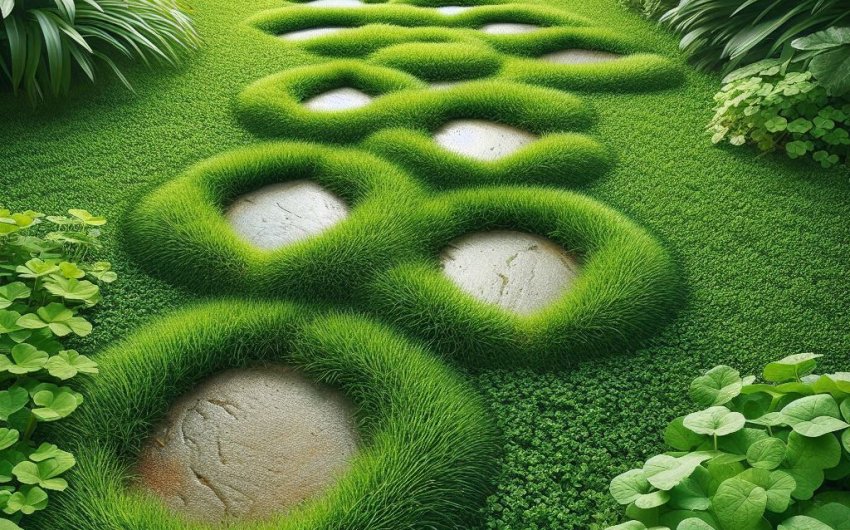
Learning how to maintain a lawn with high foot traffic is crucial for anyone whose yard serves as a bustling hub for family, pets, or entertainment. This guide provides actionable strategies and expert advice to keep your turf looking its best, even under constant use. Discover techniques for strengthening your grass, repairing worn areas, and implementing smart design choices that minimize damage and maximize enjoyment.
Why does high foot traffic damage lawns?
High foot traffic damages lawns primarily by causing soil compaction. When people or pets repeatedly walk over the same areas, the soil particles are pressed together, reducing the space between them. This seemingly simple action sets off a chain reaction of detrimental effects for your grass.
What is soil compaction?
Soil compaction is the densification of soil, meaning the soil particles are packed more tightly together. This reduces the pore space, which is the tiny gaps in the soil normally filled with air and water.
How does soil compaction harm grass?
- Restricts root growth: Grass roots need loose soil to grow deep and strong. Compacted soil acts like a barrier, preventing roots from penetrating and expanding properly. Shallow roots make the grass more susceptible to drought and stress.
- Reduces water and nutrient absorption: With less pore space, water struggles to infiltrate the soil, often leading to runoff. Even if water does get in, the reduced air pockets mean less oxygen is available for roots, and nutrient uptake becomes inefficient.
- Increases vulnerability to disease and pests: Stressed grass from compaction is weaker and more prone to diseases and insect infestations.
- Poor drainage: Compacted areas often have standing water after rain or irrigation because the water cannot permeate the soil quickly. This can lead to soggy spots and encourage weed growth.
What areas of a lawn are most affected by foot traffic?
Typically, areas that serve as pathways, play areas, or frequently used outdoor living spaces experience the most wear and tear.
- Pathways and shortcuts: Any direct line from one point to another (e.g., from the back door to the shed, or from the driveway to the front door).
- Play areas: Swings sets, trampolines, or open spaces where children and pets run and play.
- Around outdoor furniture: Areas immediately surrounding patios, grills, or seating arrangements.
- Gateways: The small strips of lawn directly inside or outside gates.
What are the best grass types for high traffic areas?
Choosing the right type of grass for high foot traffic is the first line of defense in maintaining a resilient lawn. Some grass species are naturally more durable and better equipped to recover from stress.
What are the characteristics of durable grass?
When selecting grass for a high-traffic lawn, look for varieties that possess:
- Dense growth habit: Grass that grows thickly forms a denser turf, providing more cushioning and protection against wear.
- Strong root system: Deep, robust roots anchor the grass firmly in the soil and help it absorb water and nutrients efficiently, making it more resilient.
- Good recuperative potential: The ability to recover quickly from damage, whether through self-repair (like rhizomatous or stoloniferous growth) or by rapid regrowth.
- Tolerance to compaction: While no grass loves compaction, some varieties are more forgiving than others.
What are the best cool-season grasses for heavy use?
Cool-season grasses thrive in northern climates where temperatures are moderate in spring and fall, with cold winters.
- Tall Fescue (Festuca arundinacea): This is often considered the king of cool-season grasses for durability.
- Pros: It has a deep root system, good heat and drought tolerance for a cool-season grass, and excellent wear resistance. It maintains good color even under stress.
- Cons: It can be clumpy if not seeded densely and may require more water than some other cool-season types.
- Recommended varieties: Look for "turf-type" tall fescues, which are bred for lawn use and have finer blades than older, coarser varieties. You can find turf-type tall fescue seed online.
- Kentucky Bluegrass (Poa pratensis): While not as wear-tolerant as Tall Fescue, its strong recuperative ability makes it a good companion.
- Pros: Spreads by rhizomes, allowing it to self-repair and fill in bare spots. It forms a dense, beautiful turf.
- Cons: Slower to establish and less tolerant of heat and drought than Tall Fescue.
- Recommended for mixes: Often included in cool-season lawn mixes with Tall Fescue or Perennial Ryegrass to combine wear resistance with repair capabilities.
- Perennial Ryegrass (Lolium perenne): Known for its rapid germination and establishment.
- Pros: Quick to establish, good for overseeding worn areas for quick cover. Decent wear tolerance.
- Cons: Less tolerant of extreme heat or cold than Fescue or Bluegrass, and less able to self-repair.
- Recommended use: Ideal for quick repairs, overseeding, or in mixes to provide quick green-up while other grasses establish.
What are the best warm-season grasses for heavy use?
Warm-season grasses thrive in southern climates, preferring hot summers and becoming dormant in cooler months.
- Bermudagrass (Cynodon dactylon): Extremely tough and resilient.
- Pros: Unmatched wear tolerance, excellent heat and drought tolerance, and spreads aggressively by both stolons and rhizomes, allowing it to recover quickly from damage. Forms a very dense turf.
- Cons: Can be invasive in garden beds, requires full sun, goes dormant (turns brown) in winter, and can be high maintenance (needs frequent mowing and dethatching).
- Recommended for: High-traffic areas in warm climates where aesthetics might take a backseat to durability. Look for Bermudagrass seed for lawns.
- Zoysiagrass (Zoysia japonica): Another tough, slow-growing option.
- Pros: Excellent wear tolerance, very dense growth, good drought tolerance once established. Slower growth means less frequent mowing.
- Cons: Slow to establish, goes dormant in winter, and can be expensive to install (often done with sod or plugs).
- Recommended for: Areas where density and durability are paramount, and you're willing to wait for establishment.
- St. Augustinegrass (Stenotaphrum secundatum): While popular in the South, its coarse blades can be susceptible to wear if not properly maintained.
- Pros: Good shade tolerance for a warm-season grass, forms a dense carpet.
- Cons: Less wear tolerant than Bermuda or Zoysia, primarily spread by stolons (sod or plugs), and can be prone to thatch.
- Recommended for: If you have shade and moderate traffic, but not extreme wear.
How can you improve soil health to resist traffic damage?
Improving soil health is foundational to building a resilient lawn that can withstand high foot traffic. Healthy soil provides the ideal environment for strong root growth, which in turn leads to stronger grass.
Why is aeration crucial for high-traffic lawns?
Aeration is the process of creating small holes in the lawn to alleviate soil compaction. It's arguably the most important practice for high-traffic areas.
- Increases air and water penetration: Aeration opens up channels in the compacted soil, allowing water, oxygen, and nutrients to reach the grass roots more easily.
- Reduces thatch: It can help break down excessive thatch, a layer of dead and living plant material that builds up between the soil surface and the green blades of grass, which can harbor pests and diseases.
- Promotes deeper root growth: With less compaction, roots can grow deeper, making the grass more drought-tolerant and resilient.
How often should you aerate a high-traffic lawn?
- Annually: For lawns with consistently high foot traffic, annual aeration is highly recommended.
- Twice a year: In very heavily trafficked areas or if your soil is particularly clayey and prone to compaction, aerating twice a year (spring and fall for cool-season, late spring/early summer and late summer for warm-season) might be beneficial.
What type of aerator should you use?
- Core aerators: These are the most effective. They pull out small plugs or "cores" of soil, creating lasting channels. You can rent a core aerator machine from equipment rental stores.
- Spike aerators: These simply push holes into the soil without removing material. While better than nothing, they offer less compaction relief than core aerators.
How does topdressing improve soil in traffic areas?
Topdressing involves applying a thin layer of organic material over the lawn surface.
- Adds organic matter: Materials like lawn compost or a sand/compost mix gradually work their way into the soil, improving its structure, drainage, and water retention capacity.
- Increases resilience: Over time, topdressing makes the soil less prone to compaction and provides a healthier environment for grass roots.
- Evens out surface: It can also help level minor irregularities in the lawn.
What materials are suitable for topdressing?
- Compost: Well-rotted compost is ideal for adding organic matter.
- Compost/sand mix: A blend of sand and compost can be beneficial for very heavy clay soils to improve drainage.
When and how to topdress?
- After aeration: Topdressing immediately after aeration is highly effective, as the organic material can fall directly into the newly created holes.
- Thin layer: Apply a thin layer (about 1/4 to 1/2 inch) and work it into the turf with a rake or broom.
Why is proper fertilization important for resilient grass?
A well-nourished lawn is a strong lawn. Proper fertilization provides the nutrients grass needs to grow vigorously, develop strong roots, and recover from stress.
- Encourages dense growth: Adequate nutrients promote thick, lush turf that can better resist wear.
- Aids recovery: Fertilized grass can repair damaged areas more quickly.
- Strengthens roots: Balanced nutrition, especially phosphorus, supports root development.
What kind of fertilizer and schedule for high traffic?
- Balanced fertilizer: Use a balanced lawn fertilizer based on your soil test results. Look for formulations designed for turf.
- Slow-release: Opt for slow-release nitrogen fertilizers to provide a steady supply of nutrients over time, avoiding rapid growth spurts that can weaken the grass.
- Follow seasonal recommendations: Fertilize cool-season grasses in fall and spring. Fertilize warm-season grasses in late spring and summer. Avoid over-fertilizing, which can cause chemical burn and make grass more susceptible to disease.
What watering and mowing strategies help a high-traffic lawn?
Adjusting your watering and mowing strategies is crucial for strengthening grass and preventing undue stress in areas prone to heavy use. These practices directly impact the grass's ability to withstand pressure and recover.
How should you water a high-traffic lawn?
Proper watering encourages deep root growth, which makes grass more resilient to compaction and wear.
- Deep and infrequent watering: Instead of light, daily sprinklings, water your lawn deeply but less often. Aim for 1 inch of water per week, applied in one or two sessions. This encourages grass roots to grow deeper into the soil in search of moisture, making them more tolerant to dry conditions and traffic.
- Water in the early morning: This allows the grass blades to dry before nightfall, reducing the risk of fungal diseases.
- Monitor soil moisture: Don't just water on a schedule. Stick a screwdriver or a soil probe into the ground. If it's hard to push past 2-3 inches, it's time to water. Or use a soil moisture meter.
- Address drainage issues: If you have areas with standing water, consider improving drainage or reducing water in those specific spots.
What is the ideal mowing height for high-traffic grass?
Mowing at the correct height can significantly improve your lawn's resilience.
- Mow high: Always mow your grass at the highest recommended height for your specific grass type.
- For most cool-season grasses (Tall Fescue, Kentucky Bluegrass): 3-4 inches.
- For most warm-season grasses (Bermuda, Zoysia): 1-2.5 inches (though some varieties can be mowed higher).
- Why mow high? Taller grass blades create more surface area for photosynthesis, allowing the plant to produce more energy. This energy goes into developing deeper, stronger roots and promotes denser growth, which provides a natural cushion against foot traffic.
- "One-third rule": Never remove more than one-third of the grass blade's height in a single mowing. Scalping your lawn (cutting it too short) severely stresses the grass, depletes its energy reserves, and makes it highly susceptible to wear, disease, and weed invasion.
Should you leave grass clippings on the lawn?
Yes, generally, leaving grass clippings on your lawn is beneficial, especially for a high-traffic area.
- Nutrient recycling: Clippings return valuable nutrients (especially nitrogen) to the soil as they decompose, acting as a natural fertilizer. This can reduce your need for synthetic fertilizers.
- Adds organic matter: As they break down, clippings contribute organic matter, improving soil structure and aeration over time.
- Acts as mulch: A light layer of clippings can help retain soil moisture.
- Use a mulching mower: A mulching lawn mower chops clippings into fine pieces that decompose quickly. If clippings are clumpy or excessive, rake them evenly or remove them to prevent smothering the grass.
How can you repair damaged areas in a high-traffic lawn?
Even with the best preventative measures, some damage to high-traffic lawn areas is inevitable. Knowing how to effectively repair these worn spots is crucial for maintaining a healthy and aesthetically pleasing yard.
What is overseeding and why is it important?
Overseeding is the process of broadcasting grass seed over an existing lawn to introduce new grass plants, improve density, and fill in thin or worn areas. For high-traffic lawns, it's a vital, ongoing maintenance practice.
- Increases density: A denser lawn provides more blades to absorb the impact of foot traffic, spreading the wear over more plants.
- Introduces resilient varieties: You can use wear-tolerant grass seed varieties to reinforce existing turf.
- Aids recovery: Helps fill in small bare spots before they become larger, more problematic areas.
When is the best time to overseed a high-traffic lawn?
- Cool-season grasses: Early fall is ideal. The soil is still warm, encouraging germination, but air temperatures are cooler, reducing stress on new seedlings. Spring is a secondary option, but emerging weeds can be an issue.
- Warm-season grasses: Late spring to early summer, when soil temperatures are consistently warm, is best.
How to overseed a damaged area:
- Prepare the area: Rake out dead grass and loosen the soil in the bare or thin spots. If compacted, a light aeration (even with a hand aerator tool) can help.
- Choose the right seed: Select a grass seed specifically for high-traffic areas or a mix that includes wear-tolerant varieties like Tall Fescue or Bermudagrass. You can find lawn repair seed mixes.
- Spread the seed: Broadcast the seed evenly over the prepared area.
- Cover lightly: Lightly rake the seed into the soil, ensuring good seed-to-soil contact. You can also lightly topdress with a thin layer of compost or peat moss to help retain moisture.
- Water diligently: Keep the seeded area consistently moist (but not soggy) until germination occurs and the new grass is established (several weeks). Frequent, light waterings are needed during this stage.
How to use sod for quick repairs?
Sod provides an instant solution for severely damaged or bare areas, offering immediate green coverage and wear resistance.
- Benefits: Instant lawn, quick establishment, provides immediate erosion control.
- When to use: For large, completely bare patches where seeding would take too long or be prone to washing away.
How to install sod for repairs:
- Prepare the area: Remove all existing dead grass and weeds. Loosen the soil to a depth of 4-6 inches. Improve drainage if necessary.
- Level the area: Ensure the ground is smooth and level, slightly below the surrounding turf level to account for the thickness of the sod.
- Lay the sod: Place the sod pieces tightly against each other, staggering the seams like bricks.
- Press down: Walk on the sod or use a lawn roller to ensure good contact with the soil underneath.
- Water heavily: Water immediately and deeply after installation, and keep the sod consistently moist for the next few weeks until it has rooted into the soil below. Avoid heavy traffic on new sod for at least 2-3 weeks.
What about filling in dog spots?
Dog urine can cause distinct brown patches surrounded by darker green rings.
- Flush immediately: If you catch your dog urinating, immediately douse the spot with a large volume of water to dilute the nitrogen and salts.
- Repairing brown spots: For existing spots, dead grass needs to be removed.
- Rake out the dead grass.
- Loosen the soil.
- Apply a thin layer of soil amendment for pet spots or compost to help neutralize salts.
- Reseed or lay a small patch of sod, following the steps above.
- Dog rock/supplements (controversial): Some products claim to neutralize urine, but their effectiveness is debated and may not be safe for all pets.
How can smart landscaping reduce foot traffic on your lawn?
Thoughtful landscape design can significantly reduce the impact of high foot traffic on your lawn by redirecting movement and creating designated pathways. This proactive approach saves your grass from constant wear and tear.
How do you create designated pathways?
Observing where people naturally walk and creating attractive, clear pathways in those desire lines is key.
- Identify desire lines: Notice the worn paths that naturally appear in your lawn. These are the areas where people prefer to walk.
- Install hardscape paths: Install durable paths using materials like:
- Stepping stones: An outdoor stepping stone set provides an easy-to-install, visually appealing solution.
- Pavers: Offer a more formal, durable pathway.
- Gravel: A more permeable and natural-looking option, but can spread.
- Mulch paths: Can be a quick and inexpensive solution for less formal areas, using garden mulch for pathways.
- Connect common destinations: Ensure paths connect frequently used points, such as the house to the shed, the patio to the garden, or play areas.
Can strategic planting protect your lawn?
Using shrubs, groundcovers, or garden beds strategically can subtly guide traffic away from vulnerable lawn areas.
- Soft barriers: Plant low-growing shrubs, perennial flowers, or dense groundcovers along the edges of your lawn or in areas you want to protect. These create a gentle visual and physical barrier without being overtly restrictive.
- Define spaces: Use planting beds to define activity zones (e.g., a play area, a seating nook), thereby limiting the open lawn space that might otherwise invite indiscriminate traffic.
- Consider permeable paving: For areas that need more than a path but less than a full patio, consider permeable pavers or grass pavers, which allow grass to grow through a structural grid, distributing weight and reducing compaction.
What are some design considerations for high-traffic yards?
- Layout: Plan your yard's layout with traffic flow in mind. Avoid placing key features in the middle of open lawn areas if they require frequent access.
- Transition zones: Create smooth transitions between hardscaped areas (patios, decks) and the lawn to prevent wear at the edges.
- Dedicated activity zones: Designate specific areas for play, seating, or grilling, using appropriate surfaces for each (e.g., mulch under a swing set, pavers for a patio).
- Balance of hardscape and softscape: While a beautiful lawn is desirable, recognize that some areas may simply be better suited for hardscaping given the level of use. A balance of materials can create a more functional and resilient outdoor space.
Are there alternatives to grass for high-traffic areas?
Sometimes, despite best efforts, certain areas of your yard simply experience too much foot traffic for grass to thrive. In these situations, exploring alternatives to grass can be a practical and aesthetic solution.
What are durable groundcovers for traffic?
While not suitable for intense, constant foot traffic like a main pathway, certain groundcovers can tolerate light to moderate pedestrian use and offer a green alternative where grass struggles.
- Clover:
- Pros: Requires less water and fertilizer than traditional lawn grasses, fixes nitrogen in the soil, attracts pollinators. Some varieties, like microclover seed, are bred for denser, lower growth.
- Cons: Not as durable as grass for heavy traffic, can be slippery when wet, and may attract more bees.
- Creeping Thyme:
- Pros: Fragrant when stepped on, drought-tolerant once established, low-growing, and blooms tiny flowers.
- Cons: Slower to establish, not for heavy traffic, can be expensive for large areas. Look for varieties like "Elfin" or "Creeping Red."
- Dwarf Mondo Grass (Ophiopogon japonicus 'Nana'):
- Pros: Evergreen, very tough, tolerant of light foot traffic, and handles some shade.
- Cons: Slow growing, expensive for large areas, primarily used for borders or in between stepping stones.
- Sedum (various low-growing varieties):
- Pros: Extremely drought-tolerant, varied textures and colors, some varieties can tolerate very light foot traffic.
- Cons: Not suitable for regular walking, more for visual appeal.
When should you consider hardscaping?
For consistently high-traffic corridors, play areas, or outdoor living spaces, hardscaping is often the most sustainable and low-maintenance solution.
- Patios and Decks: Create defined areas for entertaining, grilling, or relaxation using patio pavers or wood decking. These surfaces are designed to withstand constant use without showing wear.
- Gravel Paths: A relatively inexpensive and permeable option for pathways. Use a sturdy landscape fabric for gravel underneath to prevent weeds.
- Stepping Stones or Paver Paths: As mentioned previously, these are excellent for creating clear routes across the lawn without disturbing grass in critical areas.
What about artificial turf?
Artificial turf is a synthetic grass option that offers extreme durability and low maintenance, making it a strong contender for areas where natural grass simply cannot survive the traffic.
- Pros:
- Exceptional durability: Withstands constant heavy traffic, pet use, and play without showing wear.
- Low maintenance: No mowing, watering, fertilizing, or weeding required.
- Always green: Maintains a consistent green appearance year-round, regardless of weather or season.
- Good for pets: Pet-specific artificial turf options with drainage systems are available.
- Cons:
- High upfront cost: Installation can be expensive.
- Heat retention: Can get hot in direct sun.
- Environmental concerns: Made from plastic, not biodegradable.
- No biological benefits: Does not contribute to soil health or support biodiversity like natural grass.
If you decide on artificial turf, ensure you purchase a high-quality artificial turf for landscaping and have it professionally installed for best results.
Successfully maintaining a lawn with high foot traffic is an ongoing endeavor that blends consistent care with smart design. By prioritizing durable grass types, enhancing soil health through regular aeration and topdressing, adopting strategic watering and mowing habits, and effectively repairing damaged sections, you can cultivate a resilient and inviting green space, even in the busiest of yards.