
How to Make Compost from Kitchen Waste: A Complete Guide
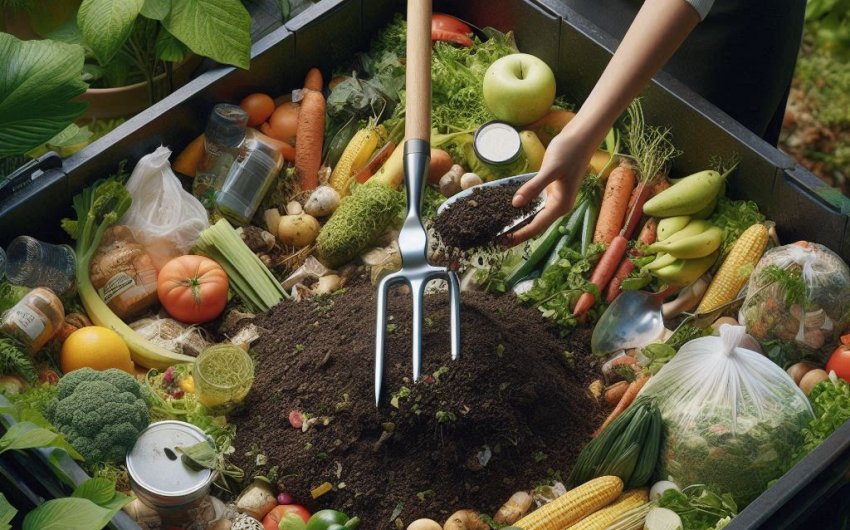
Composting kitchen waste is one of the simplest ways to reduce household waste and produce nutrient-rich soil for gardens, plants, and outdoor spaces. By transforming food scraps and other organic materials into compost, you’re not only reducing the amount of garbage that goes to the landfill but also creating a natural fertilizer that helps plants grow.
In this guide, we’ll walk you through everything you need to know about making compost from kitchen waste, including materials to use, types of composting methods, step-by-step instructions, and tips for managing odors and pests.
Why Compost Kitchen Waste?
Composting kitchen waste provides several benefits that can positively impact the environment, your garden, and even your wallet:
- Reduces Waste: By composting, you’re cutting down on the amount of trash that goes to the landfill, where it produces harmful gases.
- Creates Free Fertilizer: Compost enriches soil with nutrients, reducing the need for synthetic fertilizers.
- Improves Soil Health: Compost improves soil structure, helps it retain moisture, and supports beneficial microbial life.
- Saves Money: With homemade compost, you won’t need to buy as much commercial fertilizer or soil amendments.
What You Need to Get Started
Compost Bins and Containers
To start composting, you’ll need a container to hold your compost pile. Compost bins come in various styles and sizes. Here are some popular options:
- Compost Tumblers: These are enclosed bins that you can spin or turn. They’re great for smaller spaces and make it easy to mix compost. Check out compost tumblers, $80-$150.
- Open Bins: A simple, open bin or pile works well for outdoor composting if you have space. Choose one that can hold a large volume of waste and has good airflow.
- Worm Bins: For indoor composting, worm bins use worms to break down kitchen waste, producing worm castings, which are rich in nutrients. Look for worm bins, $30-$100 if you prefer this method.
Tools for Composting
- Compost Aerator or Garden Fork: Aerators or garden forks, $20-$40 help mix and turn compost, allowing air to flow through the pile.
- Compost Thermometer: Measures the temperature inside the compost pile to monitor decomposition. Consider compost thermometers, $10-$25 if you want precise control.
- Kitchen Compost Collector: A small container for collecting food scraps before they go to the compost bin. Check out countertop compost collectors, $15-$30 for easy storage.
What to Compost and What to Avoid
Composting starts with choosing the right materials. Not everything from the kitchen is compostable, so here’s a breakdown of what to use and what to avoid.
Compostable Kitchen Waste
- Fruit and Vegetable Scraps: Peels, cores, and scraps from fruits and veggies break down quickly and add valuable nutrients.
- Coffee Grounds and Tea Bags: Coffee grounds add nitrogen, while used tea bags (if they’re not plastic) provide organic matter.
- Eggshells: Crushed eggshells add calcium but should be broken down to speed up decomposition.
- Old Bread and Grains: These can be composted in small amounts, but avoid adding too much as they attract pests.
- Shredded Paper: Paper towels, napkins, and other non-glossy paper work well as long as they’re free from inks.
Avoid These Items
- Meat and Dairy: These attract pests and produce unpleasant odors.
- Grease and Oils: Oils create an imbalance in compost and are hard to break down.
- Diseased Plants: Avoid composting plants with diseases to prevent spreading pathogens.
- Bones and Large Wood Pieces: They take too long to break down and may disrupt the composting process.
Types of Composting Methods
There are several ways to compost kitchen waste. Choosing the right method depends on your space, the amount of waste you produce, and the time you’re willing to invest.
1. Traditional Composting
This method involves creating a compost pile or using an open bin. It requires turning every few weeks to aerate the pile and can be done in a backyard or garden space.
- Best For: Large yards or garden spaces.
- How It Works: Add a mix of green (nitrogen) and brown (carbon) materials, turn every 1–2 weeks, and monitor moisture and temperature.
2. Vermicomposting
Vermicomposting uses worms, usually red wigglers, to break down food scraps. The worms consume organic matter and produce worm castings, which are an excellent soil amendment.
- Best For: Indoor composting or small spaces.
- How It Works: Set up a worm bin, $30-$100, add bedding like shredded paper, and feed the worms kitchen scraps weekly.
3. Bokashi Composting
This is a Japanese composting method that ferments food waste in an airtight container using a special bokashi bran that contains beneficial microbes.
- Best For: Indoor composting or apartments.
- How It Works: Layer food waste and bokashi bran, $10-$20 in an airtight bokashi bin, $40-$60. After 2–4 weeks, bury the mixture outside or add it to a compost pile.
4. Compost Tumbler
Using a compost tumbler, $80-$150 allows for easy mixing and aeration. Just rotate the tumbler every few days to speed up decomposition.
- Best For: Urban and small-space composting.
- How It Works: Add equal parts green and brown materials, rotate regularly, and check for moisture. This method usually produces compost within a few months.
Step-by-Step Guide to Composting Kitchen Waste
Once you have your materials and chosen composting method, you’re ready to start composting! Follow these steps for effective, odor-free composting.
1. Collect Kitchen Waste
Set up a kitchen compost collector, $15-$30 to store scraps temporarily. This can be kept on the countertop or under the sink. Add items like vegetable scraps, fruit peels, coffee grounds, and eggshells as you generate them.
2. Add Brown Materials
For every handful of kitchen waste, add an equal amount of brown materials like shredded paper, cardboard, or dry leaves. Browns help balance the nitrogen in food scraps, creating a compost that breaks down quickly and doesn’t smell.
3. Layer and Mix
In your compost bin or pile, layer greens and browns as you add more waste. If using a traditional compost pile, aim to turn it with a garden fork, $20-$40 every 1–2 weeks to aerate. In a compost tumbler, rotate it every few days.
4. Monitor Moisture
Compost should be moist, like a wrung-out sponge. If it feels too dry, add a little water. If it’s too wet, mix in extra brown materials like shredded cardboard or dry leaves to absorb moisture.
5. Check Temperature
Composting naturally generates heat as microbes break down materials. In larger compost piles, use a compost thermometer, $10-$25 to check if the temperature is between 135°F and 160°F, which is ideal for fast decomposition. If temperatures are too low, add more green materials to boost microbial activity.
Managing Odors and Pests
Kitchen waste can attract pests and create unpleasant odors if not managed correctly. Here are some tips to keep your compost fresh and pest-free.
1. Cover Food Waste
Always cover fresh food scraps with brown materials to minimize odors. Carbon-rich materials act as a natural filter, trapping smells and preventing pests from detecting food.
2. Turn Regularly
Aerating the compost pile helps keep it aerobic, reducing odors. An aerator tool, $15-$30 or garden fork makes it easy to turn the pile and add oxygen, which speeds up decomposition and keeps smells at bay.
3. Avoid Adding Problematic Items
Avoid adding meat, dairy, and greasy foods, as these can attract pests and produce strong odors. Stick to fruits, vegetables, coffee grounds, and other plant-based waste for a cleaner compost.
4. Use a Bin with a Lid
If you’re composting in an open bin or pile, consider adding a bin lid, $10-$25 or creating a basic enclosure to keep animals out. Enclosed composters like tumbler bins are especially useful in urban areas or outdoor spaces where wildlife may be nearby.
How to Use Finished Compost
After 3–6 months, your compost will be ready to use. Finished compost is dark, crumbly, and has an earthy smell. Here are a few ways to use it:
- Enrich Garden Beds: Spread a layer of compost on top of your garden beds or mix it into the soil before planting.
- Add to Potted Plants: Mix compost into potting soil for indoor plants or container gardens to add nutrients.
- Use as Mulch: Layer compost around plants to retain moisture, regulate temperature, and suppress weeds.
- Top Dressing for Lawns: Sprinkle compost over your lawn as a natural fertilizer that promotes healthy grass growth.
Troubleshooting Common Composting Problems
Even with the best methods, you may run into some composting challenges. Here are solutions to a few common problems:
- Compost Smells Bad: If you notice strong odors, the compost might be too wet or lack enough brown materials. Add dry leaves or paper and mix well.
- Pile Isn’t Heating Up: If the compost pile is too cool, it may need more green materials or turning to boost microbial activity.
- Pests in Compost: Cover food scraps with browns, avoid adding meat and dairy, and ensure the compost is turned regularly.
Making compost from kitchen waste is an easy, rewarding way to reduce waste and benefit your garden. With the right tools, materials, and practices, you’ll have rich, dark compost ready to use in just a few months. By following these tips, you can create a successful composting system that is effective, odor-free, and pest-resistant, enriching your garden and supporting a sustainable lifestyle.