
Best Flowers for Pollinators: Boost Your Garden's Ecosystem
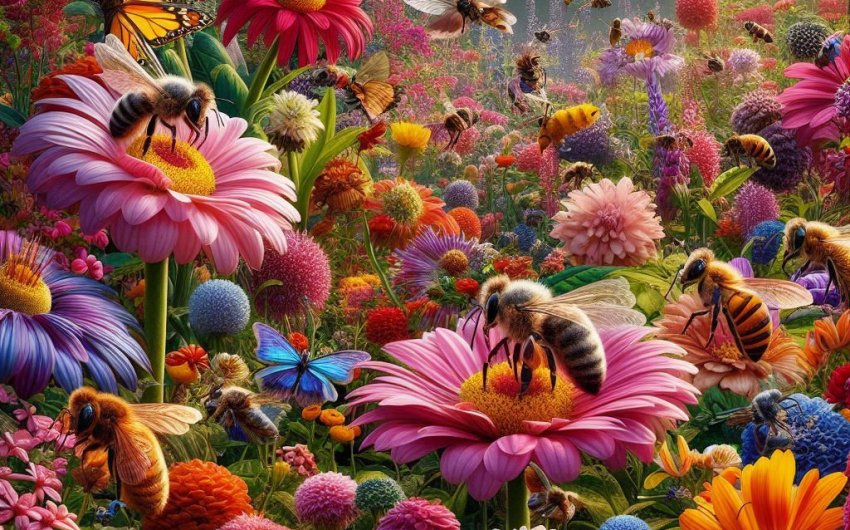
To boost your garden's ecosystem, focus on planting a diverse array of flowers for pollinators that provide continuous nectar and pollen from early spring to late fall. Prioritize native plants, single-petal varieties, and those with accessible pollen and nectar sources to support bees, butterflies, hummingbirds, and other beneficial insects.
Why Are Flowers for Pollinators So Important?
Flowers for pollinators are absolutely vital for a healthy garden and, more broadly, for the entire planet's ecosystem. Their importance extends far beyond aesthetics, directly impacting food production, biodiversity, and environmental stability. Understanding why these flowers are so crucial is the first step in learning how to boost your garden's ecosystem.
Essential for Food Production
Pollinators, primarily insects like bees, butterflies, moths, and beetles, along with birds and bats, are responsible for pollinating a significant portion of the world's food crops.
- Global Food Security: It's estimated that approximately one-third of the food we eat, including fruits, vegetables, nuts, and seeds, relies on animal pollination. Without pollinators, yields of crops like apples, blueberries, almonds, coffee, and chocolate would drastically decline.
- Garden Productivity: In your own garden, flowers for pollinators are indispensable if you're growing fruiting vegetables like tomatoes, peppers, squash, cucumbers, or any fruit trees. Increased pollination leads to more abundant and higher-quality harvests. For example, a well-pollinated squash plant will produce more and larger fruits.
Maintaining Biodiversity
Pollinators are keystone species in many ecosystems. Their presence is a strong indicator of environmental health.
- Plant Reproduction: Beyond food crops, a vast number of wild flowering plants, trees, and shrubs depend on pollinators for reproduction. This includes plants that form the base of many food webs, providing food and shelter for other wildlife.
- Ecosystem Resilience: A diverse range of plants and pollinators creates a more resilient ecosystem. If one plant species declines, others can step in to support the remaining pollinators, and vice versa. This biodiversity helps ecosystems adapt to environmental changes.
- Habitat Creation: By planting a variety of flowers for pollinators, you're not just providing food; you're also creating essential habitat for these creatures, offering nesting sites, shelter from predators, and places to overwinter.
Supporting Pollinator Populations (Conservation)
Unfortunately, pollinator populations around the world are facing significant declines due due to habitat loss, pesticide use, climate change, and disease.
- Habitat Loss: Urbanization and agricultural expansion have reduced natural areas where pollinators can find food and shelter. Your garden, no matter its size, can become a vital pollinator habitat.
- Pesticide Impact: The widespread use of synthetic pesticides (even those applied far from your garden) can directly kill pollinators or weaken their immune systems, making them more susceptible to disease.
- Climate Change: Changes in temperature and rainfall patterns can disrupt the synchronized bloom times of flowers and the emergence of pollinators, leading to food shortages.
By actively planting flowers for pollinators, you're contributing to conservation efforts on a local level, creating "stepping stones" of habitat that connect larger natural areas. Every pollinator garden helps provide safe havens and reliable food sources.
Enhancing Garden Beauty and Joy
Beyond the ecological and practical benefits, flowers for pollinators simply make your garden more beautiful and lively.
- Visual Appeal: A garden bustling with colorful flowers and the gentle hum of bees or the flutter of butterflies is a joy to behold.
- Sensory Experience: The sights, sounds, and even scents of a pollinator garden create a vibrant and engaging outdoor space, fostering a deeper connection to nature for you and your family.
In essence, planting flowers for pollinators is a powerful act of ecological stewardship. It's a simple, enjoyable way to make a tangible difference in supporting crucial life on Earth and ensuring your own garden thrives.
What Kinds of Pollinators Should I Aim to Attract?
When selecting flowers for pollinators, it's helpful to understand the different types of pollinators you might attract. Each group has unique preferences for flower shape, color, and scent. By planting a diverse array of blooms, you can cater to a wider variety of these essential garden visitors and truly boost your garden's ecosystem.
1. Bees (Honey Bees, Bumblebees, Solitary Bees)
Bees are arguably the most important group of pollinators. There are thousands of bee species, from familiar honey bees and bumblebees to countless native solitary bees (like mason bees and leafcutter bees).
- Flower Preferences:
- Colors: Prefer blue, purple, violet, white, and yellow. They cannot see red well.
- Shapes: Often prefer flowers with open, bowl-like shapes, disc florets (like daisies), or tubular flowers where they can access nectar. Many also favor flowers with landing platforms.
- Nectar Guides: Many bee-pollinated flowers have UV "nectar guides" invisible to humans but highly visible to bees, directing them to the pollen and nectar.
- Scent: Attracted to sweet, mild scents.
- Key Needs: Need both nectar (for energy) and pollen (for protein and other nutrients, especially for larvae).
- Excellent Flower Choices:
- Coneflower (Echinacea purpurea)
- Bee Balm (Monarda didyma)
- *Lupine (Lupinus spp.)*
- *Salvia (Salvia spp.)*
- *Clover (Trifolium spp.)*
- Sunflower (Helianthus annuus)
- *Asters (Symphyotrichum spp.)*
- *Goldenrod (Solidago spp.)*
- Borage (Borago officinalis)
- Lavender (Lavandula angustifolia)
- Thyme (Thymus vulgaris)
- *Crocus (Crocus spp.)* (early season)
2. Butterflies and Moths
Butterflies are day-flying and enjoy bright colors, while moths are mostly nocturnal and are attracted to pale, fragrant flowers.
- Flower Preferences (Butterflies):
- Colors: Prefer bright colors like red, orange, yellow, pink, and purple.
- Shapes: Often prefer clusters of small flowers, or flowers with long, narrow tubes where they can insert their proboscis (tongue) to reach nectar. Flat-topped clusters provide landing pads.
- Scent: Attracted to sweet, sometimes faint, scents.
- Flower Preferences (Moths):
- Colors: Prefer pale or white flowers that are visible at night.
- Shapes: Often prefer deep, tubular flowers.
- Scent: Attracted to strong, sweet scents that are released at night.
- Key Needs: Primarily nectar for energy. Butterflies also need host plants for their caterpillars (e.g., milkweed for Monarchs).
- Excellent Flower Choices (Butterflies):
- Butterfly Bush (Buddleja davidii) (note: some varieties can be invasive; choose sterile ones)
- Zinnia (Zinnia elegans)
- *Milkweed (Asclepias spp.)* (essential for Monarchs)
- Phlox (Phlox paniculata)
- Cosmos (Cosmos bipinnatus)
- Coneflower (Echinacea purpurea)
- Lantana (Lantana camara)
- Verbena (Verbena bonariensis)
- Excellent Flower Choices (Moths):
- Evening Primrose (Oenothera biennis)
- Nicotiana (Nicotiana alata) (Flowering Tobacco)
- Moonflower (Ipomoea alba)
- Honeysuckle (Lonicera periclymenum)
- Four O'Clock (Mirabilis jalapa)
3. Hummingbirds
Hummingbirds are specialized avian pollinators, often drawn to specific flower characteristics.
- Flower Preferences:
- Colors: Strongly prefer red, but also attracted to orange, pink, and purple.
- Shapes: Long, tubular flowers that can hold a good amount of nectar. These shapes also prevent bees from accessing the nectar, allowing hummingbirds exclusive access.
- Scent: Generally not attracted by scent, as their sense of smell is poor.
- Position: Often pendulous (hanging down) or outward-facing flowers.
- Key Needs: Nectar for high energy demands.
- Excellent Flower Choices:
- Bee Balm (Monarda didyma) (especially red varieties)
- Cardinal Flower (Lobelia cardinalis)
- Trumpet Vine (Campsis radicans)
- *Columbine (Aquilegia spp.)*
- *Salvia (Salvia spp.)* (especially 'Hot Lips' or S. splendens)
- *Penstemon (Penstemon spp.)*
- *Honeysuckle (Lonicera spp.)*
- *Fuchsia (Fuchsia spp.)*
4. Other Beneficial Insects (Hoverflies, Beetles, Wasps)
While not always thought of as pollinators, these insects also contribute to the pollination process and are crucial for garden health (e.g., predatory hoverfly larvae).
- Flower Preferences: Often prefer shallow, open flowers or composite flowers (like daisies) with easily accessible pollen and nectar.
- Excellent Flower Choices:
- Dill (Anethum graveolens)
- Cilantro (Coriandrum sativum) (when allowed to bolt)
- Fennel (Foeniculum vulgare)
- Sweet Alyssum (Lobularia maritima)
- Cosmos (Cosmos bipinnatus)
- *Marigolds (Tagetes spp.)* (single-petal varieties)
- Yarrow (Achillea millefolium)
By providing a diverse "menu" of flowers for pollinators, tailored to their preferences, you'll create a vibrant, active garden that supports a healthy ecosystem and reaps the rewards of abundant pollination.
What are the Best Annual Flowers for Pollinators?
Annual flowers for pollinators are fantastic for providing continuous blooms throughout a single growing season, offering a reliable and abundant source of nectar and pollen. They are easy to grow from seed, allowing for flexibility in garden design and color schemes each year. Including these in your planting scheme is an excellent way to boost your garden's ecosystem quickly and effectively.
Here are some of the best annual flowers for pollinators:
1. Zinnia (Zinnia elegans)
- Why they're great: Zinnias are powerhouse pollinator magnets. They come in a vast array of vibrant colors and sizes. Critically, choose single-petal varieties or those with easily accessible centers, as the double-petal, "pom-pom" types can make nectar and pollen hard for pollinators to reach. They are drought-tolerant once established and bloom prolifically from summer until frost.
- Attracts: Butterflies (especially Monarchs, Swallowtails), bees, hummingbirds.
- Tips: Plant from Zinnia Seeds for Pollinators in full sun after the last frost. Deadhead regularly to encourage more blooms.
2. Cosmos (Cosmos bipinnatus)
- Why they're great: Cosmos produce cheerful, daisy-like flowers on tall, airy stems. They are incredibly easy to grow from seed and tolerate poor soil, making them a low-maintenance favorite for beginners. Like zinnias, prioritize single-petal varieties for easy pollinator access.
- Attracts: Bees, butterflies, hoverflies, other beneficial insects.
- Tips: Sow Cosmos Seeds for Pollinators in full sun. They self-seed readily, ensuring future generations.
3. Marigold (Tagetes spp.)
- Why they're great: While often used for pest deterrence, many marigold varieties are excellent sources of pollen and nectar. Again, focus on single-petal or open-faced varieties (like French marigolds or heirloom types) rather than dense, hybridized pom-pom forms. They bloom continuously and add bright pops of yellow and orange.
- Attracts: Bees, hoverflies, other small beneficial insects.
- Tips: Plant from Marigold Seeds for Pollinators in full sun. Deadhead for continuous blooming.
4. Sweet Alyssum (Lobularia maritima)
- Why they're great: This low-growing, spreading annual forms a fragrant carpet of tiny white, pink, or purple flowers. Its small, clustered blooms are perfect for very small pollinators and provide a continuous nectar source throughout the season. It also acts as a living mulch, suppressing weeds.
- Attracts: Hoverflies (whose larvae eat aphids), tiny parasitic wasps, small bees.
- Tips: Easily grown from Sweet Alyssum Seeds by direct sowing. Prefers full sun to partial shade.
5. Sunflower (Helianthus annuus)
- Why they're great: Sunflowers are iconic symbols of summer, and their large heads are packed with pollen and nectar. The central disc florets provide a landing pad and a dense supply of food. Different varieties offer different sizes and colors.
- Attracts: Bees (especially bumblebees), butterflies, birds (for seeds later).
- Tips: Plant Sunflower Seeds for Pollinators in full sun. Consider planting a succession of seeds every few weeks for a continuous bloom.
6. Borage (Borago officinalis)
- Why they're great: Borage produces beautiful star-shaped blue flowers and has a slightly cucumber-like scent. It's incredibly attractive to bees, particularly honey bees and bumblebees, and its blooms are a rich source of nectar. It also self-seeds easily.
- Attracts: Bees (especially honey bees and bumblebees).
- Tips: Easily grown from Borage Seeds by direct sowing. Tolerates a range of conditions but prefers full sun.
7. Nasturtium (Tropaeolum majus)
- Why they're great: Nasturtiums offer vibrant, trumpet-shaped flowers and round, lily-pad-like leaves. Both the flowers and leaves are edible, adding a peppery kick to salads. The open flower shape is accessible to many pollinators. They also serve as a trap crop for aphids, drawing them away from other plants.
- Attracts: Bees, hummingbirds.
- Tips: Plant from Nasturtium Seeds in full sun to partial shade. They prefer poorer soil and don't like too much fertilizer.
By incorporating a mix of these wonderful annual flowers for pollinators, you can quickly establish a vibrant and active habitat in your garden, supporting essential insects and enjoying the beauty they bring.
What are the Best Perennial Flowers for Pollinators?
Perennial flowers for pollinators are the backbone of a sustainable pollinator garden. They return year after year, providing reliable food sources and structure for your garden's ecosystem. While they require an initial investment of time to establish, their long-term benefits in boosting your garden's biodiversity and attracting pollinators are invaluable.
Here are some of the best perennial flowers for pollinators:
1. Coneflower (Echinacea purpurea)
- Why they're great: Echinacea is a quintessential pollinator plant, known for its iconic daisy-like flowers with raised central cones. It's drought-tolerant once established and blooms profusely throughout the summer. The abundant disc florets in the center provide a rich supply of nectar and pollen.
- Attracts: Bees (especially bumblebees), butterflies (Monarchs, Swallowtails), hoverflies.
- Tips: Prefers full sun and well-ddraining soil. Hardy in USDA Zones 3-9. Can be started from Echinacea Seeds or purchased as plants.
2. Bee Balm (Monarda didyma and other Monarda species)
- Why they're great: As its name suggests, Bee Balm is a fantastic bee magnet. Its unique, shaggy, tubular flowers come in shades of red, pink, purple, and white. It's also a favorite of hummingbirds. Various species and cultivars exist, including those resistant to powdery mildew.
- Attracts: Bees (especially bumblebees and long-tongued bees), hummingbirds, butterflies.
- Tips: Prefers full sun to partial shade and moist, well-draining soil. Can spread aggressively, so consider containing it or giving it room. Hardy in USDA Zones 3-9. Look for Bee Balm Plants.
3. Lavender (Lavandula angustifolia)
- Why they're great: Lavender's fragrant purple flower spikes are not only beautiful and calming to humans but irresistible to bees. Its small, tubular florets are packed with nectar. English lavender varieties are often the most cold-hardy and best for pollinators.
- Attracts: Bees (especially honey bees and bumblebees), some butterflies.
- Tips: Requires full sun and excellent drainage. Tolerates lean soil. Hardy in USDA Zones 5-9. Prune after flowering to maintain shape. Find English Lavender Plants.
4. Salvia (Salvia spp. - Perennial varieties)
- Why they're great: There are many perennial Salvia species and cultivars, ranging from small to quite large, offering a long blooming season with spires of blue, purple, pink, or red flowers. They are drought-tolerant and very attractive to hummingbirds and bees.
- Attracts: Hummingbirds, bees, some butterflies.
- Tips: Most prefer full sun and well-draining soil. Hardiness varies by species, but many are Zones 4-9. Consider varieties like Salvia 'May Night' or Salvia greggii.
5. Aster (Symphyotrichum spp. - formerly Aster spp.)
- Why they're great: Asters are invaluable late-season bloomers, providing crucial nectar and pollen when many other flowers have faded. Their daisy-like flowers come in shades of purple, blue, pink, and white. They help sustain pollinators as they prepare for winter.
- Attracts: Bees (especially honey bees and bumblebees), butterflies (important for Monarch migration).
- Tips: Prefers full sun and well-draining soil. Pinch back in early summer for bushier plants and more blooms. Hardiness varies by species, generally Zones 3-8. Look for New England Aster Seeds.
6. Sedum (Hylotelephium spp. - formerly Sedum spp.)
- Why they're great: Often called "Stonecrop," upright sedums like 'Autumn Joy' offer broad, flat flower heads that turn from green to pink to russet in late summer and fall. Their clusters of tiny flowers are packed with nectar, providing an accessible feast for many insects. They are extremely drought-tolerant.
- Attracts: Bees, butterflies, hoverflies, wasps.
- Tips: Requires full sun and very well-draining soil. Hardy in USDA Zones 3-9. Can be cut back in spring if desired.
7. Yarrow (Achillea millefolium)
- Why they're great: Yarrow produces flat-topped clusters of tiny flowers (umbels) that are perfect landing pads and nectar sources for a wide variety of small beneficial insects. It comes in shades of white, yellow, pink, and red. It's drought-tolerant and tough.
- Attracts: Ladybugs, hoverflies, parasitic wasps, bees, butterflies.
- Tips: Prefers full sun and well-draining soil. Can spread, so give it space. Hardy in USDA Zones 3-9. Consider Yarrow Seeds.
8. Lupine (Lupinus spp.)
- Why they're great: Lupines produce tall, showy spires of pea-like flowers in a rainbow of colors. Their complex flower structure provides shelter and a good source of nectar for bumblebees and other larger bees that can effectively access their blooms.
- Attracts: Bumblebees, other large bees.
- Tips: Prefers full sun and well-draining, slightly acidic soil. Hardy in USDA Zones 4-8. Can be grown from Lupine Seeds.
By incorporating a diverse selection of these resilient and beautiful perennial flowers for pollinators, you'll establish a long-lasting, vibrant habitat that continuously supports your garden's essential helpers and contributes significantly to boosting your garden's ecosystem.
What are the Best Native Flowers for Pollinators?
Prioritizing native flowers for pollinators is one of the most impactful strategies to boost your garden's ecosystem. Native plants are those that naturally occur in your specific region. They are perfectly adapted to your local climate and soil conditions, meaning they often require less water, fertilizer, and general fuss once established. More importantly, native pollinators (like specific bee species and butterflies) have co-evolved with these plants over thousands of years, forming intricate and essential relationships. They are often the most effective and preferred food sources for local pollinator populations.
To find the best native flowers for your region, consult local resources:
- Local Native Plant Societies: Often have extensive lists and sales.
- University Extension Offices: Can provide region-specific plant recommendations.
- Audubon Societies or Wildlife Organizations: Focus on plants that support local fauna.
- Online Databases: The Xerces Society for Invertebrate Conservation and Native Plant Finder by National Wildlife Federation are excellent resources.
While specific recommendations vary by region, here are some generally widespread and popular native genera for pollinators across North America:
1. Milkweed (Asclepias spp.)
- Why they're great: Absolutely essential for Monarch butterflies, as it is the only host plant for their caterpillars. Beyond Monarchs, the flowers are packed with nectar, attracting a wide array of bees and other butterflies. Several species exist (Common, Butterfly Weed, Swamp Milkweed), choose one native to your area.
- Attracts: Monarch butterflies (larvae and adults), honey bees, bumblebees, native bees, other butterflies.
- Tips: Most prefer full sun and well-draining soil. Butterfly Weed (A. tuberosa) prefers drier conditions. Can be grown from Native Milkweed Seeds.
2. Coneflower (Echinacea spp.)
- Why they're great: While Echinacea purpurea (purple coneflower) is popular, other native species exist. Their sturdy, daisy-like flowers with prominent cones are attractive to a broad spectrum of bees and butterflies and provide abundant pollen and nectar throughout summer.
- Attracts: Bees (especially bumblebees), butterflies, hoverflies.
- Tips: Prefers full sun and well-draining soil. Drought-tolerant once established.
3. Aster (Symphyotrichum spp.)
- Why they're great: Native asters (like New England Aster and Smooth Blue Aster) are crucial late-season bloomers. They provide a vital food source for bees and migrating Monarch butterflies when other nectar sources are scarce, helping them store energy for winter or migration.
- Attracts: Bees (especially honey bees, bumblebees), butterflies (critical for Monarchs).
- Tips: Most prefer full sun to partial shade and moist, well-draining soil. Can spread but are generally well-behaved.
4. Goldenrod (Solidago spp.)
- Why they're great: Often mistakenly blamed for allergies (ragweed is the culprit), goldenrod is a powerhouse native pollinator plant. Its bright yellow plumes provide an enormous amount of nectar and pollen in late summer and fall. Many non-aggressive, garden-friendly varieties exist.
- Attracts: Bees (especially honey bees, bumblebees, many native bees), butterflies, wasps.
- Tips: Prefers full sun and adaptable to many soil types. Some varieties can spread, so choose clump-forming types for smaller gardens.
5. Bee Balm (Monarda spp.)
- Why they're great: Native Monarda species (like Wild Bergamot - M. fistulosa, or Scarlet Beebalm - M. didyma) are not only beautiful but incredibly attractive to bees and hummingbirds. Their unique, shaggy flowers provide easy access to nectar.
- Attracts: Bees, hummingbirds, butterflies.
- Tips: Prefers full sun to partial shade and moist, well-draining soil. Good air circulation helps prevent powdery mildew.
6. Blazing Star (Liatris spp.)
- Why they're great: Liatris species (often called "Gayfeather") produce tall, spiky plumes of purple, pink, or white flowers that bloom from the top down. They are incredible magnets for butterflies, especially Monarchs, and provide rich nectar.
- Attracts: Butterflies (especially Monarchs, Swallowtails), bees, hummingbirds.
- Tips: Prefers full sun and well-draining soil. Drought-tolerant. Can be grown from Liatris Seeds or purchased as corms/plants.
7. Wild Geranium (Geranium maculatum)
- Why they're great: A beautiful spring bloomer, native wild geranium provides early-season nectar and pollen for emerging bees. Its delicate purple-pink flowers are an excellent choice for shadier or woodland garden areas.
- Attracts: Early bees, small native bees.
- Tips: Prefers partial shade to full sun and moist, well-draining soil.
8. Penstemon (Penstemon spp.)
- Why they're great: Also known as "Beard Tongue," these native wildflowers offer spires of tubular flowers in a wide range of colors. They are particularly attractive to long-tongued bees and hummingbirds. Drought-tolerant once established.
- Attracts: Hummingbirds, bees.
- Tips: Needs full sun and excellent drainage.
By focusing on native flowers for pollinators from this list and researching what's native to your specific eco-region, you can create a highly effective and low-maintenance garden that provides crucial support for your local pollinator populations and profoundly boost your garden's ecosystem.
How Can I Design My Garden to Maximize Pollinator Attraction?
Designing your garden to maximize pollinator attraction goes beyond just choosing the right flowers for pollinators. It involves creating a welcoming habitat that provides continuous food, water, and shelter throughout the year, truly working to boost your garden's ecosystem.
1. Plant in Drifts or Clumps
- Why it helps: Pollinators, especially bees, are "foragers." They are more likely to notice and visit large groupings of the same flower color and type than scattered individual plants. Large drifts act like a visible target from a distance.
- Tip: Instead of planting one of each, plant groups of 3, 5, or more of the same species. This creates a stronger visual signal and allows pollinators to efficiently gather nectar and pollen without expending too much energy flying between disparate plants.
2. Ensure Continuous Bloom
- Why it helps: Pollinators need food from early spring through late fall. Having a succession of blooming flowers for pollinators ensures they have a reliable food source throughout their active seasons.
- Tip: Plan your garden with a mix of early, mid, and late-season bloomers.
- Early Spring: Crocus, Salvia, Wild Geranium.
- Mid-Season: Bee Balm, Echinacea, Zinnia, Cosmos, Lavender.
- Late Summer/Fall: Asters, Goldenrod, Sedum, Liatris.
- This "bloom calendar" approach is vital for sustaining pollinator populations, especially those preparing for migration or hibernation.
3. Prioritize Single-Petal and Native Flowers
- Why it helps: As discussed, single-petal (or "open-faced") flowers offer easy access to pollen and nectar. Highly hybridized double flowers often lack pollen/nectar or hide it behind layers of petals. Native flowers are co-evolved with local pollinators, providing the most effective and nutritious food.
- Tip: When shopping, look for "single" or "open-pollinated" varieties. Research local native plant lists for your specific region.
4. Provide Water Sources
- Why it helps: Pollinators need water for hydration, especially during hot, dry periods. Butterflies often "puddle" in damp soil to absorb minerals. Bees use water to regulate hive temperature and dilute honey.
- Tip: Create a shallow water source. Fill a bird bath with stones or marbles that extend above the water line, giving insects a safe place to land and drink without drowning. A shallow saucer with wet sand or a damp area near a downspout can also work.
5. Offer Shelter and Nesting Sites
- Why it helps: Pollinators need safe places to rest, hide from predators, shelter from bad weather, and raise their young.
- Tips:
- Leave Some "Mess": Resist the urge to be too tidy. Leave some leaf litter, hollow plant stems (like from sunflowers or coneflowers) standing over winter. Many native bees nest in hollow stems or in the ground.
- Brush Piles: A small, natural brush pile in an out-of-the-way corner provides shelter for various insects.
- Bare Soil: Some ground-nesting bees need undisturbed patches of bare soil.
- Insect Hotels: While optional, Insect Hotels for Garden can provide specific nesting tubes for solitary bees.
6. Avoid Synthetic Pesticides
- Why it helps: This is paramount. Even "organic-approved" pesticides should be used with extreme caution, as broad-spectrum products kill beneficials along with pests.
- Tip: Practice Integrated Pest Management (IPM): hand-picking pests, using strong water sprays, and fostering natural predators. If you absolutely must spray, use targeted, least-toxic options (like insecticidal soap or neem oil) in the evening when pollinators are less active, and only on affected plants.
7. Create a Diverse Landscape
- Why it helps: A variety of plant heights, shapes, and textures offers more niches for different pollinator species. Include trees and shrubs that offer early pollen, mid-season flowers, and fall fruits for birds.
- Tip: Think in layers: groundcovers, short flowers, medium-height perennials, tall grasses, shrubs, and even small trees. This complexity creates a more robust and resilient habitat.
8. Consider Edible Plants
- Why it helps: Many common vegetables and herbs, when allowed to flower, provide excellent resources for pollinators. For example, bolting cilantro, dill, parsley, and many brassicas (mustard, kale, broccoli) produce flowers highly attractive to small beneficial insects.
- Tip: Let some of your herbs or vegetables go to flower, especially if you have an abundance. This creates dual-purpose plants.
By implementing these design principles, your garden will not only be more beautiful but will become a thriving sanctuary for flowers for pollinators, making a significant contribution to your local environment and effectively boosting your garden's ecosystem.