
How to Grow Tomatoes in Pots on a Patio?
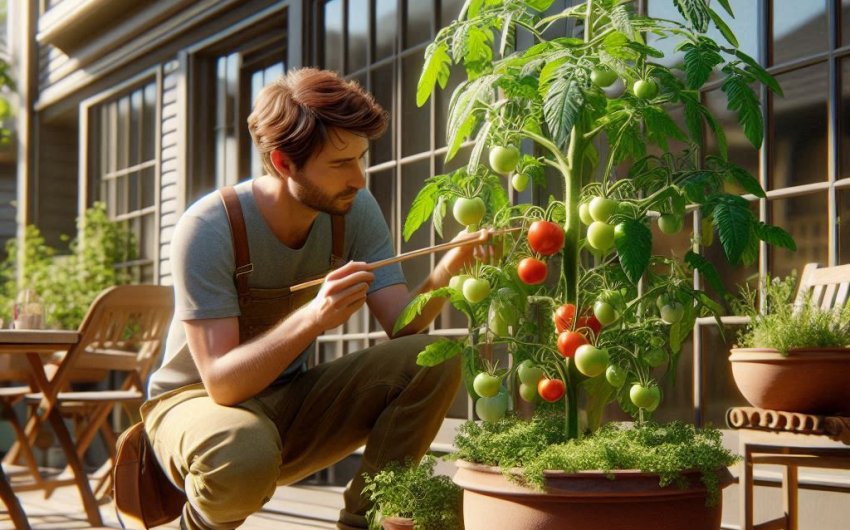
To grow tomatoes in pots on a patio successfully, choose appropriate compact varieties and large containers, provide ample sunlight and well-draining potting mix, and establish a consistent watering and fertilizing routine. Support structures are also essential for healthy growth and abundant yields.
Why Grow Tomatoes in Pots on a Patio?
Growing tomatoes in pots on a patio offers a fantastic opportunity for fresh, homegrown produce, even if you lack a traditional garden space. This method provides numerous advantages, making it a popular choice for urban dwellers, small-space gardeners, and anyone seeking convenience and control over their tomato cultivation.
1. Space Efficiency
- No Garden Needed: The most obvious benefit is that you don't need a sprawling garden bed. Patios, balconies, decks, and even sunny doorsteps can become productive tomato patches.
- Vertical Gardening: Pots allow for vertical growth with stakes or cages, maximizing yield in a small footprint.
2. Flexibility and Mobility
- Sunlight Optimization: You can easily move potted tomatoes to track the sun throughout the day, ensuring they receive the optimal 6-8 hours of direct sunlight they crave. This is especially useful if your patio has shifting sun patterns.
- Protection from Elements: If a hailstorm, strong winds, or an unexpected cold snap is coming, you can quickly move your plants to a more sheltered location.
- Pest/Disease Isolation: If one plant shows signs of pests or disease, you can easily isolate it from your other plants, preventing spread.
3. Control Over Growing Conditions
- Tailored Soil: You have complete control over the potting mix, ensuring it has the perfect drainage and nutrient content for tomatoes, which might not be possible with native garden soil.
- Watering Accuracy: It's easier to monitor and control watering in pots, especially crucial for tomatoes that need consistent moisture but hate soggy feet.
- Nutrient Management: Fertilizing is more precise in pots, as nutrients are directly applied to the plant's root zone.
4. Reduced Pests and Diseases (Sometimes)
- Soil-Borne Issues: Growing in pots can reduce exposure to soil-borne diseases that might be present in garden beds.
- Easier Inspection: Elevated plants are easier to inspect for early signs of pests, allowing for quicker intervention.
5. Accessibility
- Ergonomic: For gardeners with mobility issues, growing in pots or raised containers on a patio eliminates the need for bending and kneeling, making gardening more accessible and enjoyable.
- Harvesting Ease: Ripe tomatoes are often at a more convenient height for picking.
Whether you're a beginner gardener or a seasoned pro with limited space, mastering how to grow tomatoes in pots on a patio opens up a world of fresh, delicious possibilities right outside your door.
Which Tomato Varieties are Best for Pots?
Choosing the right tomato varieties is paramount when learning how to grow tomatoes in pots on a patio. Not all tomatoes are suited for container life; selecting compact, determinate types will yield the best results.
1. Determinate (Bush) Varieties:
- Growth Habit: These varieties grow to a pre-determined size (typically 3-4 feet tall) and then stop growing. They produce most of their fruit within a short, concentrated period, often ripening all at once.
- Why They're Best for Pots: Their compact, bushy growth habit is perfectly suited for containers, as they don't get too unwieldy. They also require less staking and pruning than indeterminate types.
- Fruit Set: Fruit tends to ripen fairly simultaneously, making them ideal if you want a large batch for canning or sauce-making.
- Examples of Determinate Tomatoes:
- 'Celebrity': A popular, versatile slicer, good disease resistance.
- 'Roma' / 'San Marzano': Excellent for sauces and paste, often very productive.
- 'Patio': Bred specifically for containers, compact and high-yielding.
- 'Bush Early Girl': A smaller version of the classic 'Early Girl', good for patios.
2. Dwarf Varieties:
- Growth Habit: Even smaller and more compact than standard determinates, some dwarf varieties stay under 2-3 feet tall.
- Why They're Best for Pots: Ideal for smaller patios, balconies, or window boxes.
- Examples of Dwarf Tomatoes:
- 'Tiny Tim': A very small, productive cherry tomato, perfect for small pots.
- 'Micro Tom': One of the smallest, can be grown indoors on a windowsill.
- 'Pixie': Good for small spaces, produces small slicing tomatoes.
3. Cherry Tomatoes (Specific Varieties):
- Growth Habit: While many cherry tomatoes are indeterminate and can grow very large, there are several compact or determinate cherry varieties perfect for pots.
- Why They're Best for Pots: High yield of small, sweet fruit in a manageable size. Great for snacking.
- Examples of Cherry Tomatoes for Pots:
- 'Patio Princess': Dwarf determinate cherry.
- 'Sweet N' Neat': Very compact, ideal for small containers.
- 'Tumbler': Designed for hanging baskets, trailing habit.
- 'Sub-Arctic Plenty': Very early, small bush.
What to Avoid for Pots:
- Indeterminate (Vining) Varieties: These tomatoes continue to grow and produce fruit until frost, often reaching heights of 6-10 feet or more. While you can grow them in very large containers with substantial support, they are much more challenging to manage on a patio due to their size and aggressive vining.
- Examples to Generally Avoid in Pots: 'Big Boy', 'Beefsteak', most heirloom slicers.
When selecting seeds or starter plants, always check the plant tag or seed packet for terms like "determinate," "bush," "patio," or "dwarf" to ensure you're choosing the best tomato varieties for your container gardening success.
What is the Right Size Pot for Tomatoes?
Choosing the right size pot is one of the most critical decisions for anyone learning how to grow tomatoes in pots on a patio. Tomatoes are thirsty, hungry plants with extensive root systems, and cramped roots lead to stunted growth and poor yields.
Minimum Recommended Pot Size:
- At Least 15 Gallons (57 Liters): For most determinate (bush) tomato varieties, a pot that holds at least 15 gallons (approximately 18-20 inches in diameter and depth) is the absolute minimum you should consider.
- 20 Gallons or More is Better: For even better results and less frequent watering, a 20-gallon (about 20-24 inches in diameter and depth) or larger container is highly recommended. This provides ample space for root development and soil volume to hold moisture and nutrients.
Why Pot Size Matters:
- Root Space: Tomatoes develop large, extensive root systems to anchor the plant and absorb vast amounts of water and nutrients. Insufficient root space leads to a root-bound plant, which cannot properly support the top growth or fruit development.
- Moisture Retention: Larger pots hold more potting mix, which means more capacity to retain moisture. Tomatoes need consistent watering, and smaller pots dry out incredibly quickly, especially on hot patios, leading to stress, blossom end rot, and cracking fruit. You might find yourself watering small pots multiple times a day.
- Nutrient Availability: More soil volume means more space for nutrients. While you'll still fertilize, a larger volume provides a more stable nutrient reservoir.
- Stability: Taller tomato plants in smaller pots can become top-heavy and easily tip over in wind, potentially damaging the plant and fruit. Larger, heavier pots offer better stability.
Considerations for Pot Material:
- Plastic: Inexpensive, lightweight, retains moisture well. Can get very hot in direct sun, potentially overheating roots.
- Terracotta/Clay: Breathable, allows roots to "breathe," looks attractive. Dries out very quickly, requiring more frequent watering. Can be heavy.
- Fabric Grow Bags: Excellent for aeration and drainage. Roots are "air-pruned" when they reach the fabric, encouraging branching. Relatively lightweight. Can dry out quicker than plastic. A VIVOSUN Fabric Grow Bag 15 Gallon is a great choice.
- Whiskey Barrels/Large Tubs: Offer excellent volume, good stability. Ensure they have drainage holes.
Always prioritize drainage holes regardless of material. Never use a pot without them. By selecting an appropriately sized container, you're setting your tomatoes in pots on a patio up for success from the very beginning.
What is the Best Potting Mix for Tomatoes in Containers?
The best potting mix is crucial when learning how to grow tomatoes in pots on a patio. Unlike garden soil, potting mix must provide excellent drainage, adequate moisture retention, and sufficient aeration for healthy root development in a confined space.
Key Qualities of Ideal Potting Mix for Tomatoes:
- Excellent Drainage: Tomatoes absolutely hate soggy feet. The mix must allow excess water to drain quickly to prevent root rot.
- Good Aeration: Roots need oxygen. The mix should be loose and fluffy, providing ample air pockets.
- Adequate Moisture Retention: While it needs to drain well, it also needs to hold enough moisture to keep the tomato hydrated between waterings.
- Nutrient Holding Capacity: The mix should be able to hold onto nutrients, making them available to the plant.
- Lightweight: For large pots, a lighter mix makes moving easier.
Components of a Good Potting Mix:
A high-quality, pre-made Organic Potting Mix specifically designed for vegetables or containers is usually the best starting point. These often contain a balanced blend of:
- Peat Moss or Coco Coir:
- Purpose: Provides a light, airy base that excels at retaining moisture and nutrients. Coco coir is a more sustainable alternative to peat.
- Perlite:
- Purpose: Lightweight, volcanic glass that significantly improves drainage and aeration. It creates tiny air pockets, preventing compaction. A good addition is Espoma Perlite.
- Vermiculite:
- Purpose: Also improves aeration and drainage, but uniquely, it retains more moisture and nutrients than perlite. It can swell when wet.
- Compost or Aged Manure:
- Purpose: Provides essential slow-release nutrients, enhances microbial activity, and improves both drainage and water retention. A crucial organic component. Black Gold Organic Compost is often recommended.
What to Avoid:
- Garden Soil: Never use garden soil directly in pots. It compacts easily, drains poorly, can harbor pests and diseases, and becomes rock-hard when dry.
- Heavy Clay Soils: Also too dense and poorly draining for containers.
Enhancing Your Potting Mix (Optional):
- Many gardeners like to mix their own for optimal results. A common recipe is:
- 2 parts high-quality potting mix
- 1 part perlite
- 1 part compost or aged manure
- You can also add a slow-release granular organic fertilizer at planting time, mixed into the soil. Espoma Tomato-tone Organic Fertilizer.
By carefully selecting or creating the best potting mix, you provide the ideal foundation for your tomatoes in pots on a patio, ensuring healthy root development and robust plant growth.
How to Plant Tomatoes in Pots on a Patio? (Step-by-Step)
Once you've chosen your tomato variety, selected the right pot size, and prepared the best potting mix, it's time to learn how to plant tomatoes in pots on a patio. Proper planting techniques ensure a strong start for your plants.
What You'll Need:
- Selected tomato seedling (healthy, no yellowing, sturdy stem)
- Chosen large pot with drainage holes
- High-quality potting mix (prepared as per previous section)
- Watering can with water
- Optional: Slow-release granular fertilizer, support structure (stake or cage)
The Steps:
Prepare the Pot:
- Ensure your chosen pot is clean. If reusing, wash thoroughly with soap and water and rinse well.
- Crucial: Check Drainage Holes. Make sure the drainage holes at the bottom are clear and abundant. Do NOT put rocks, gravel, or broken pot shards at the bottom. This creates a perched water table and actually hinders drainage. A piece of landscape fabric or a coffee filter can be placed over larger holes to prevent soil from washing out.
Add Initial Potting Mix:
- Fill the bottom of the pot with enough potting mix so that when you place your tomato seedling in, its lowest set of leaves will be at or slightly below the rim of the pot.
- Tomatoes like to be planted deep! Unlike most plants, tomatoes can root along their stems. Planting them deeper encourages a stronger, more extensive root system.
Prepare the Tomato Seedling:
- Gently remove the tomato seedling from its nursery pot. If the roots are tightly bound (root-bound), gently tease them apart at the bottom to encourage outward growth.
- Remove Lower Leaves: Carefully pinch off the bottom one or two sets of leaves from the tomato stem. This is where you will plant the stem deeper.
Position the Plant:
- Place the tomato seedling into the prepared hole in the pot.
- Deep Planting: Position it so that the bottom removed leaves, and even some bare stem, are buried under the soil. The goal is to bury as much of the stem as possible, leaving only the top 2-3 sets of leaves above ground. For leggy seedlings, you can even plant them horizontally with the roots turning down and the top growth curving upwards.
Fill with Potting Mix:
- Gently fill the rest of the pot with potting mix around the plant, up to about 1 inch below the rim. This "headroom" allows for watering without overflow.
- Gently Pat: Lightly pat the soil down around the base of the plant to remove large air pockets, but do not compact it heavily.
Add Support (Optional at Planting, but Essential Soon):
- If using a tomato cage, it's often easiest to place it around the plant at the time of planting before the roots are established.
- If using a stake, you can insert it gently a few inches from the stem.
Water Thoroughly:
- Water the newly planted tomato immediately and deeply until water drains from the bottom of the pot. This helps settle the soil and provides initial moisture.
- For the first few days, keep the soil consistently moist but not soggy.
By following these steps, you'll ensure your tomatoes in pots on a patio get a robust start, laying the foundation for a healthy and productive growing season.
How to Water Tomatoes in Pots on a Patio?
Proper watering is perhaps the most critical factor for success when learning how to grow tomatoes in pots on a patio. Container plants dry out much faster than in-ground plants, and tomatoes are thirsty, but also susceptible to problems from inconsistent watering.
1. Consistency is Key:
- Avoid Extremes: Tomatoes need consistent moisture. Allowing the soil to completely dry out and then drenching it (cycles of drought and flood) is a major cause of blossom end rot (a common problem where the bottom of the fruit turns black and leathery) and fruit cracking.
- Daily Check: On hot, sunny days, especially once the plant is large and fruiting, you may need to check your tomato daily, and possibly even water twice a day.
2. How to Tell When to Water:
- Finger Test: The best method. Stick your finger 2-3 inches deep into the potting mix. If it feels dry at that depth, it's time to water. If it feels moist, wait.
- Pot Weight: Over time, you'll learn to judge moisture by lifting the pot. A dry pot will feel significantly lighter than a moist one.
- Wilting (Last Resort): While a slight morning wilt on a hot day that perks up by evening can be normal, if your plant is consistently wilting, it's a sign of severe dehydration. Try to water before it gets to this point.
3. How to Water Effectively:
- Water Deeply: When you water, do so until water drains freely from the bottom of the pot. This ensures the entire root ball is moistened. Don't just give a quick sprinkle.
- Slowly and Evenly: Water slowly to allow the potting mix to absorb the moisture. If you pour too fast, water can run out the sides or create channels without fully hydrating the mix. You might need to water in stages, letting water soak in before adding more.
- Water at the Base: Aim the watering can or hose nozzle at the base of the plant, directly onto the soil. Avoid splashing water onto the leaves, especially in the evening, as wet foliage can encourage fungal diseases.
- Consider a Self-Watering Planter: These containers have a reservoir at the bottom and a wicking system to draw water up to the roots as needed. They can greatly reduce watering frequency and improve consistency, making them excellent for tomatoes in pots on a patio. A Self Watering Planter 15 Gallon can be a game-changer.
4. Adjust for Weather:
- Hot, Sunny, Windy Days: Require much more frequent watering.
- Cool, Cloudy Days: Require less frequent watering.
Consistent and thoughtful watering is paramount to preventing stress and common problems, ensuring your tomatoes in pots on a patio thrive and produce delicious fruit.
How to Fertilize Tomatoes in Pots on a Patio?
Fertilizing is absolutely essential when learning how to grow tomatoes in pots on a patio. Because containers have a limited volume of potting mix, nutrients quickly get used up by the hungry tomato plant or leach out with watering. Consistent feeding is vital for robust growth and abundant fruit.
Why Fertilize Potted Tomatoes More Often:
- Limited Nutrients: Unlike garden soil, potting mixes usually contain very few natural nutrients, or they are quickly depleted.
- Leaching: Water draining from the bottom of the pot also carries away dissolved nutrients.
- Heavy Feeders: Tomatoes are notoriously heavy feeders, requiring a steady supply of nutrients, especially during their fruiting phase.
What Type of Fertilizer to Use:
- Balanced Fertilizer (at first): In the early stages of growth, a balanced fertilizer (e.g., 5-10-5, 10-10-10, or general vegetable fertilizer) provides overall vigor.
- Higher Potassium (K) & Phosphorus (P) for Fruiting: Once flowering and fruiting begin, switch to a fertilizer higher in phosphorus and potassium, with relatively lower nitrogen (e.g., 5-10-10, 3-4-6). Potassium is especially important for fruit development and flavor.
- Organic vs. Synthetic:
- Organic Granular: Such as Espoma Tomato-tone Organic Fertilizer. These release nutrients slowly and improve soil health.
- Liquid Feed: Water-soluble synthetic or organic liquid fertilizers are good for quick absorption and precise control. Examples include FoxFarm Big Bloom Liquid Plant Food or compost tea.
- Slow-Release Granular: Can be mixed into the potting mix at planting time for continuous feeding over several months.
When and How to Fertilize:
- At Planting (Optional Slow-Release): Mix a slow-release granular organic fertilizer into the potting mix when planting. This provides a gentle start.
- After Transplanting/Settling In: Wait about 2-3 weeks after transplanting your seedling before starting your regular fertilization routine. This allows the plant to settle and grow roots.
- Regular Feeding Schedule:
- Liquid Fertilizers: Apply every 1-2 weeks once the plant starts growing strongly, according to label directions. Always dilute to half strength for potted plants, especially initially, to avoid nutrient burn.
- Granular Fertilizers: Apply every 2-4 weeks or as directed on the package, gently scratching into the top inch of soil.
- Increase During Fruiting: Once the plant begins to flower and set fruit, increase the frequency slightly (if using liquid) or maintain the schedule, ensuring you're using a bloom- or fruit-boosting formula (higher P and K).
- Stop Before Frost: Stop fertilizing 4-6 weeks before the first anticipated frost date to allow the plant to harden off.
Important Considerations:
- Always Water Before Fertilizing: Never apply fertilizer to dry soil, especially granular or synthetic types, as this can burn the roots. Water thoroughly first.
- Read Labels: Always follow the specific instructions on your chosen fertilizer product, as concentrations vary.
- Watch Your Plant: Yellowing leaves might indicate nutrient deficiency, but can also be from overwatering. Observe your plant's overall vigor.
Consistent and appropriate fertilizing is a cornerstone of successfully growing tomatoes in pots on a patio, fueling their vigorous growth and bountiful harvests.
How to Support Tomatoes in Pots on a Patio?
Providing proper support for tomatoes is non-negotiable, even when learning how to grow tomatoes in pots on a patio. Tomatoes are naturally sprawling plants, and without support, their heavy fruit will weigh down stems, leading to breakage, disease, and poor fruit quality.
Why Support is Essential:
- Prevents Stem Breakage: As fruits ripen and get heavy, stems can easily snap.
- Improves Air Circulation: Lifting foliage off the patio and out of dense clumps enhances airflow, significantly reducing the risk of fungal diseases like blight.
- Reduces Disease Risk: Keeps leaves and fruit off the soil/patio surface, minimizing contact with soil-borne pathogens.
- Easier Harvesting: Fruits are at a more accessible height and are easier to spot and pick.
- Maximizes Sunlight Exposure: Spreading out the plant ensures all parts receive adequate light.
- Better Fruit Quality: Prevents fruit from sitting on hot patio surfaces, which can lead to sunburn or uneven ripening.
Common Support Structures for Potted Tomatoes:
Tomato Cages (Most Common for Pots):
- Description: Cone-shaped or square cages made of wire.
- Pros: Easy to install (at planting time), provide all-around support. Great for determinate (bush) varieties.
- Cons: Wire cages (especially cone-shaped) are often too small and flimsy for vigorous tomato plants once they get large and heavy. They can be hard to store.
- Recommendation: Invest in heavy-duty, sturdy cages that are at least 3-4 feet tall and wide enough to accommodate the plant's mature size. Place Tomato Cages Heavy Duty when planting the seedling.
Staking:
- Description: A single sturdy stake (wood, bamboo, metal) inserted into the pot next to the plant. As the tomato grows, tie the main stem to the stake.
- Pros: Simple, inexpensive, takes up less space than cages. Good for indeterminate varieties where you want to train a single leader.
- Cons: Requires diligent tying as the plant grows (every 6-12 inches). May not be enough support for heavy-fruiting indeterminate varieties.
- Recommendation: Use strong Tomato Stakes (at least 6-8 feet tall) and soft ties like Velcro Plant Ties.
Trellising (Vertical Stringing):
- Description: Involves running strings or wires vertically from a sturdy overhead support (like a patio cover beam) down to the base of each plant. The main stem is wrapped or clipped around the string as it grows.
- Pros: Excellent for indeterminate varieties, maximizes vertical space, good airflow, clean appearance.
- Cons: Requires an overhead structure, more labor-intensive than cages.
Tomato Ladders/Towers:
- Description: More robust, multi-tiered support systems that are usually larger than standard cages.
- Pros: Provide excellent support, very stable.
- Cons: Can be more expensive, bulky.
When to Install Support:
- At Planting or Soon After: It's best to install your chosen support system at the time of planting or very soon after, when the plant is small. This avoids disturbing established roots later and ensures the plant grows into the support rather than having to be forced.
By selecting and properly implementing a sturdy support structure, you provide the foundation for your tomatoes in pots on a patio to grow vigorously upwards, resulting in healthier plants and a more successful harvest.
How to Prune Tomatoes in Pots on a Patio?
Pruning tomatoes is an important technique when learning how to grow tomatoes in pots on a patio, as it can significantly impact plant health, air circulation, and fruit production. The type of tomato (determinate vs. indeterminate) heavily influences your pruning strategy.
Why Prune Potted Tomatoes:
- Improved Air Circulation: Crucial in the often more humid patio environment. Removes dense foliage, reducing the risk of fungal diseases like blight.
- Directs Energy: Helps the plant focus energy on fruit development rather than excessive leafy growth.
- Increased Fruit Size/Quality: For some varieties, pruning can lead to fewer but larger, higher-quality fruits.
- Manageability: Keeps the plant contained within its pot and support system.
Pruning Strategy Based on Tomato Type:
Determinate (Bush) Tomatoes:
- Light Pruning Only: Determinate varieties are designed to stop growing at a certain height and put out all their fruit relatively at once. Heavy pruning can reduce your yield.
- What to Remove:
- Suckers Below First Flower Cluster: Remove any suckers (shoots that grow in the "armpit" between the main stem and a leaf branch) below the first flower cluster. These tend to be unproductive.
- Lower Leaves: As the plant grows, remove any lower leaves that are yellowing, diseased, or touching the soil. This prevents soil-borne diseases from splashing up onto the leaves.
- Diseased/Dead Foliage: Always remove any discolored, diseased, or dead leaves immediately.
- How to Remove: Pinch off small suckers with your fingers. Use sharp, clean pruning shears for larger leaves or branches. Fiskars Micro-Tip Pruning Snips.
Indeterminate (Vining) Tomatoes (If you choose to grow them in pots):
- More Aggressive Pruning: Indeterminate varieties benefit from more aggressive pruning to manage their size and direct energy to fruit.
- What to Remove:
- Suckers: These are the key. Indeterminate tomatoes produce many suckers that will grow into full branches, creating a sprawling plant. Decide if you want one main stem (single leader), two, or three. Regularly pinch off all other suckers as they emerge. This is done by pinching them off when they are small (1-2 inches long).
- Lower Leaves: Remove lower leaves as the plant grows, especially those touching the soil.
- Diseased/Dead Foliage: Always remove immediately.
- "Topping" (Late Season): In late summer, about 4 weeks before the first expected frost, you can "top" indeterminate plants by cutting off the main growing tip. This signals the plant to stop producing new flowers/fruit and direct energy to ripening existing fruit.
General Pruning Tips:
- Timing: Prune regularly, ideally weekly, to remove small suckers easily.
- Sterilize Tools: If using shears, sterilize them with rubbing alcohol between plants to prevent disease spread.
- Prune in Dry Weather: Avoid pruning in wet conditions to reduce the risk of fungal infections entering fresh wounds.
- Don't Overdo It: While pruning is good, don't remove too much healthy foliage, as leaves are essential for photosynthesis and protecting ripening fruit from sunscald. Aim for a balance.
By understanding how and when to prune tomatoes based on their growth habit, you can optimize the health and productivity of your tomatoes in pots on a patio.
How to Deal with Pests and Diseases on Potted Tomatoes?
Dealing with pests and diseases is an inevitable part of growing tomatoes in pots on a patio. However, the confined environment of a container can sometimes make issues easier to spot and manage than in a large garden bed. Early detection and consistent management are key.
Common Pests for Potted Tomatoes:
- Aphids: Small, soft-bodied insects, often green or black, found on new growth. They cause distorted leaves and excrete sticky honeydew.
- Treatment:
- Blast with Water: A strong jet of water (gentle enough not to damage the plant) can dislodge many.
- Insecticidal Soap: Spray a solution of Insecticidal Soap Spray, ensuring direct contact.
- Neem Oil: Apply Neem Oil for Plants according to directions.
- Treatment:
- Tomato Hornworms: Large, green caterpillars with a "horn" on their rear. They voraciously munch leaves and fruit.
- Treatment:
- Hand-Picking: The most effective method. Look closely, they are well camouflaged. Drop into soapy water.
- Bacillus thuringiensis (Bt): An organic caterpillar control product. Bacillus Thuringiensis BT.
- Treatment:
- Spider Mites: Tiny, almost invisible mites that cause stippling (tiny pale dots) on leaves and fine webbing. Thrive in hot, dry conditions.
- Treatment:
- Hose Down: Repeated strong sprays of water (especially undersides of leaves).
- Increase Humidity: Misting (if safe for your area's humidity) or placing plant on a pebble tray.
- Neem Oil/Insecticidal Soap: Apply thoroughly.
- Treatment:
- Whiteflies: Small, white, moth-like insects that fly up in a cloud when disturbed. They cause yellowing leaves and honeydew.
- Treatment:
- Yellow Sticky Traps: Yellow Sticky Traps for Fungus Gnats (they also attract whiteflies).
- Hose Down: Repeated blasts of water.
- Neem Oil/Insecticidal Soap.
- Treatment:
Common Diseases for Potted Tomatoes:
- Blossom End Rot (Physiological Disorder):
- Symptoms: Dark, sunken, leathery spots on the bottom (blossom end) of the fruit. Not a disease, but a calcium deficiency caused by inconsistent watering.
- Treatment: Consistent watering is the primary solution. Avoid extreme wet/dry cycles. Ensure adequate calcium in soil, though inconsistent watering is the usual culprit.
- Early Blight (Fungal):
- Symptoms: Dark brown spots with concentric rings (like a target) on lower leaves, often with yellowing around them. Can spread upwards.
- Prevention/Treatment:
- Good Air Circulation: Prune lower leaves, space plants well.
- Water at Base: Avoid overhead watering.
- Sanitation: Remove infected leaves promptly.
- Organic Fungicides: Apply copper or bio-fungicides like Bonide Copper Fungicide.
- Late Blight (Fungal):
- Symptoms: Large, irregular, water-soaked spots on leaves and stems that quickly turn brown/black. White, fuzzy mold may be visible on undersides in humid conditions. Rapidly destructive.
- Prevention/Treatment:
- Plant Resistant Varieties: The best defense.
- Good Airflow/Sanitation: As above.
- No Overhead Watering: Crucial.
- Fungicides: More aggressive and timely fungicide applications are needed (often systemic). For home gardeners, prevention is better than treatment.
General Pest and Disease Control Tips:
- Inspection: Regularly inspect your plants (daily!). Early detection is key.
- Sanitation: Remove diseased leaves/branches immediately. Keep the patio clean.
- Quarantine: Isolate new plants for a few weeks before introducing them to your patio garden.
- Good Cultural Practices: Proper watering, fertilization, sunlight, and air circulation are your best defenses. A healthy plant is more resistant.
By being vigilant and acting quickly, you can effectively manage pests and diseases and ensure your tomatoes in pots on a patio produce a bountiful, healthy harvest.
Harvesting and Enjoying Your Patio Tomatoes
The culmination of your efforts in learning how to grow tomatoes in pots on a patio is the joyous moment of harvesting and enjoying your homegrown bounty. Knowing when to pick and how to store them ensures peak flavor.
When Are Tomatoes Ready to Harvest?
- Color: The primary indicator! Ripe tomatoes will be a uniform, deep red (or yellow, orange, purple, etc., depending on the variety) from top to bottom. No green shoulders for red varieties.
- Firmness with Slight Give: A ripe tomato will feel firm but have a slight give when gently squeezed. It should not be rock hard or mushy.
- Easy Detachment: A perfectly ripe tomato will easily detach from its vine with a gentle twist or pull. If you have to yank it, it's probably not fully ripe.
- Smell: A ripe tomato will have that characteristic strong, sweet, earthy "tomato" aroma, especially near the stem end.
How to Harvest:
- Twist and Pull: Gently grasp the tomato and twist it until it detaches from the stem. Try to leave the small green cap (calyx) attached if possible, as this helps with storage.
- Use Snips (Optional): For stubborn tomatoes or delicate varieties, you can use clean pruning snips to cut the stem just above the fruit.
- Check Regularly: Tomatoes ripen continuously. Check your plants daily or every other day during peak season to catch ripe fruits before they become overripe or attract pests.
Enjoying Your Harvest:
- Fresh Eating: The simplest and often best way! Sliced on sandwiches, in salads, or just eaten like an apple.
- Sauces & Salsas: Excess ripe tomatoes are perfect for homemade sauces, salsas, and bruschetta.
- Canning & Freezing: If you have a large harvest, consider preserving them by canning whole, diced, or as sauce, or by freezing for later use.
- Sun-Drying: A fun way to concentrate their flavor for gourmet uses.
Storing Ripe Tomatoes:
- Room Temperature (Best): For optimal flavor and texture, store ripe tomatoes at room temperature (around 60-70°F or 15-21°C) on your counter, stem-side down, away from direct sunlight. Do not refrigerate fully ripe tomatoes, as it degrades their flavor and texture, making them mealy.
- Slightly Underripe: If you pick a tomato that's almost ripe but still has a hint of green, you can let it finish ripening indoors at room temperature, away from direct sun.
- Refrigeration (Only for Overripe/Already Cut): If a tomato is very ripe and you need to extend its life by a day or two, or if it's already cut, then refrigeration is acceptable, but be aware of the flavor loss. Bring refrigerated tomatoes back to room temperature for the best taste before eating.
By carefully harvesting and storing your bounty, you can truly savor the unparalleled taste of tomatoes in pots on a patio – a delicious reward for your gardening efforts.