
Organic Fertilizers for Vegetable Gardens: What You Need to Know
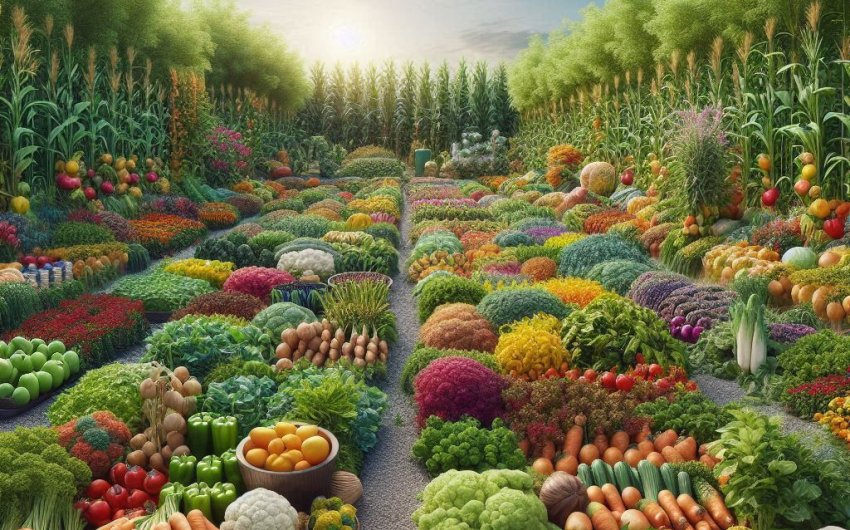
Growing a thriving vegetable garden means giving your plants the nutrients they need to flourish. Organic fertilizers are a natural, eco-friendly way to enrich your soil and encourage healthy growth. Unlike synthetic fertilizers, organic options work with the soil to improve its structure, water retention, and biodiversity. This makes them ideal for those looking to keep their gardens chemical-free and safe. Let's explore the best organic fertilizers, how they work, and tips for choosing the right ones for your vegetable garden.
Why Choose Organic Fertilizers?
Organic fertilizers provide essential nutrients in a natural, slow-release form. They nourish your garden without the harsh chemicals found in synthetic fertilizers, supporting a balanced ecosystem. By using organic fertilizers, you can:
- Improve soil health, which encourages plant growth and resistance to pests.
- Enhance water retention, reducing the need for frequent watering.
- Minimize chemical runoff that can harm local waterways.
Because organic fertilizers break down slowly, they offer steady, long-term nourishment, which is particularly beneficial for vegetables that need sustained feeding throughout the growing season.
Key Nutrients for Vegetable Gardens
Plants require three main nutrients to grow well:
- Nitrogen for leaf growth and lush green foliage.
- Phosphorus for strong root development and fruit production.
- Potassium for overall plant health and resistance to disease.
When selecting an organic fertilizer, look for these nutrients on the label, often represented as N-P-K (Nitrogen-Phosphorus-Potassium) ratios. Now, let's explore some of the best organic fertilizers for vegetable gardens and how to use them effectively.
Types of Organic Fertilizers
Organic fertilizers come in various forms, each with specific benefits. Here’s a breakdown of some popular types and their uses.
1. Compost
Compost is decomposed organic material, usually a mix of kitchen scraps, yard waste, and other biodegradable items. It’s one of the easiest and most effective ways to add nutrients to your garden.
- Benefits: Compost adds nutrients, improves soil structure, and enhances water retention.
- Best For: All vegetable types, especially those with extensive root systems.
- Application Tips: Work a few inches of compost into the soil before planting, or apply as a top dressing around established plants.
Consider starting your compost pile with a compost bin for $30–$60, making it easy to recycle food scraps and create nutrient-rich compost at home.
2. Manure
Animal manure, often from cows, chickens, or horses, is a potent organic fertilizer. It’s rich in nitrogen, making it particularly effective for leafy vegetables.
- Benefits: Provides essential nitrogen, promotes lush growth, and improves soil texture.
- Best For: Leafy greens like spinach, kale, and lettuce.
- Application Tips: Compost manure before use to reduce its potency and avoid plant burn. Apply a layer to the soil, then mix it in well.
Composted manure is available in bags ($10–$25), making it easy to spread directly onto your garden beds.
3. Bone Meal
Bone meal is a powder made from ground-up animal bones. High in phosphorus, it’s great for root development and flowering.
- Benefits: Boosts root strength, encourages flowering and fruit production, and improves soil fertility.
- Best For: Root vegetables like carrots and beets, as well as flowering vegetables like tomatoes and peppers.
- Application Tips: Mix bone meal into the soil around new plants or sprinkle it around established plants every couple of months.
For ease of application, try bone meal powder ($10–$20), which provides long-lasting nourishment for your garden.
4. Blood Meal
Blood meal is a nitrogen-rich powder made from dried animal blood. It’s a fast-acting fertilizer that’s ideal for plants needing a quick boost of nitrogen.
- Benefits: Promotes rapid leaf growth and helps green up plants quickly.
- Best For: Nitrogen-hungry plants like lettuce, kale, and spinach.
- Application Tips: Sprinkle a small amount around the base of plants and water in well. Use sparingly, as too much can burn plants.
Consider blood meal fertilizer ($8–$15) for an organic nitrogen boost, especially in early spring when plants are beginning to grow.
5. Fish Emulsion
Fish emulsion is a liquid fertilizer made from fish waste, offering a balanced nutrient profile for most vegetables. It’s easily absorbed by plants and provides quick results.
- Benefits: Delivers a mix of essential nutrients, improves overall plant health, and encourages vibrant growth.
- Best For: Leafy greens, herbs, and most other vegetables.
- Application Tips: Dilute fish emulsion with water as directed and apply as a foliar spray or soil drench.
A bottle of fish emulsion fertilizer ($10–$20) is ideal for regular feeding, especially during the peak growing season.
6. Seaweed Fertilizer
Seaweed fertilizer provides a boost of potassium and trace minerals, making it a balanced choice for many vegetables. It’s also known to improve plant resistance to stress and disease.
- Benefits: Enhances plant resilience, provides micronutrients, and supports healthy foliage.
- Best For: Tomatoes, cucumbers, and other potassium-loving plants.
- Application Tips: Use as a foliar spray or soil drench. Apply every two weeks for best results.
Liquid seaweed fertilizer ($12–$25) is easy to apply and helps keep plants healthy throughout the season.
7. Alfalfa Meal
Alfalfa meal is a ground-up feed additive often used for livestock, but it also makes an excellent organic fertilizer. It breaks down quickly in soil, offering a steady supply of nutrients.
- Benefits: Adds nitrogen and improves soil structure, ideal for long-term soil health.
- Best For: Root vegetables like carrots and parsnips.
- Application Tips: Mix alfalfa meal into the soil at planting time, or sprinkle it around established plants and water well.
For steady, balanced nutrition, alfalfa meal ($15–$30) offers an effective way to improve your garden’s soil.
8. Worm Castings
Worm castings, also known as vermicompost, are the nutrient-rich waste left by worms. They’re packed with beneficial bacteria and nutrients that promote plant health.
- Benefits: Boosts soil fertility, enhances moisture retention, and supports plant growth.
- Best For: All vegetables, especially young seedlings.
- Application Tips: Mix worm castings into potting soil or sprinkle them around the base of established plants.
Investing in worm castings ($15–$40) can make a big difference for seedlings, as it provides gentle, sustained nourishment.
9. Cottonseed Meal
Cottonseed meal is a byproduct of cotton processing and is high in nitrogen. It works well in soils with a slightly acidic pH.
- Benefits: Adds nitrogen and improves soil texture, particularly beneficial for leafy greens.
- Best For: Spinach, kale, lettuce, and other leafy crops.
- Application Tips: Mix cottonseed meal into the soil before planting, or add it as a top dressing during the growing season.
Cottonseed meal fertilizer ($12–$25) can help maintain the soil’s nitrogen levels and promote vigorous plant growth.
10. Rock Phosphate
Rock phosphate is a slow-release phosphorus fertilizer that’s beneficial for root development and fruit production. It’s especially useful in gardens with phosphorus-poor soil.
- Benefits: Improves root strength, supports flowering, and enhances fruiting.
- Best For: Root crops and fruiting vegetables like tomatoes and peppers.
- Application Tips: Mix rock phosphate into the soil before planting. It will break down slowly over time, providing long-term phosphorus.
For gardens needing a phosphorus boost, rock phosphate fertilizer ($15–$30) is an effective, natural option.
How to Apply Organic Fertilizers
Organic fertilizers need a little more planning than their synthetic counterparts. Here are some general tips for effective application:
- Incorporate at Planting Time: For best results, mix fertilizers like compost, bone meal, and rock phosphate into the soil before planting. This allows nutrients to be available as plants grow.
- Top Dress During Growth: Fertilizers like composted manure, blood meal, and cottonseed meal can be applied around the base of established plants. This method is called "top dressing," and it provides nutrients over time.
- Use Liquid Fertilizers Regularly: Fertilizers such as fish emulsion and seaweed should be applied every couple of weeks during the growing season. Dilute as directed and water the soil or spray directly on plant leaves.
- Rotate Fertilizers: Different plants have different nutrient needs. Rotate fertilizers to avoid overloading the soil with a single nutrient.
Organic Fertilizer Application Schedules
For optimal growth, vegetables benefit from a steady supply of nutrients. Here are some sample schedules for commonly grown vegetables.
Leafy Greens (Lettuce, Spinach, Kale)
- Planting Time: Incorporate compost and manure into the soil.
- Monthly: Top dress with blood meal or cottonseed meal.
- Every 2 Weeks: Apply fish emulsion as a soil drench.
Root Vegetables (Carrots, Beets, Radishes)
- Planting Time: Add rock phosphate and a light amount of compost.
- Monthly: Top dress with bone meal.
- Every 2 Weeks: Apply a balanced fertilizer like fish emulsion.
Fruiting Vegetables (Tomatoes, Peppers, Cucumbers)
- Planting Time: Mix compost and bone meal into the soil.
- Monthly: Top dress with seaweed fertilizer or worm castings.
- Every 2 Weeks: Apply diluted fish emulsion as a foliar spray.
Tips for Choosing the Right Organic Fertilizer
When selecting an organic fertilizer for your vegetable garden, consider the following:
- Plant Needs: Different vegetables require different nutrients. Choose a fertilizer based on what your plants need most.
- Soil Condition: Test your soil to understand its pH and nutrient levels. This will help you select the right fertilizer and prevent overuse.
- Growth Stage: Young plants benefit from nitrogen, while mature, fruiting plants require more phosphorus and potassium.
- Environmental Impact: Choose fertilizers that are sustainably sourced and produced. Organic fertilizers not only improve your garden but also support a healthy ecosystem.
By investing in the right organic fertilizers, you can provide balanced nourishment to your vegetable garden. These fertilizers work slowly but effectively, ensuring a steady supply of nutrients for the entire growing season. Whether you’re growing tomatoes, leafy greens, or root vegetables, an organic approach to fertilization can help you achieve a bountiful, chemical-free harvest.