
Moldy Marvels: Harnessing Cheese's Compost Potential!
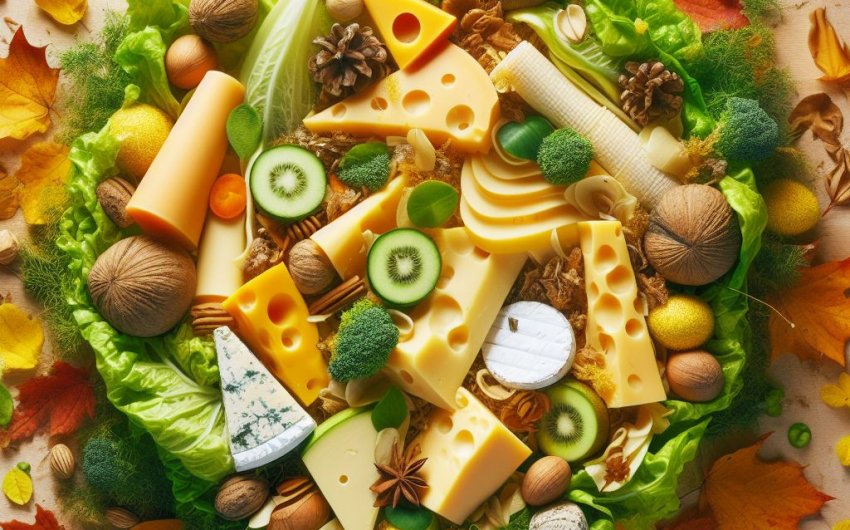
Ah, cheese! A culinary delight, whether it's a gourmet wedge or a humble slice. But what happens when that forgotten block in the back of the fridge starts to sprout its own furry, green, or blue landscape? While it might be a sad sight for your snack plate, for the adventurous composter, moldy cheese presents an intriguing opportunity. Many traditional composting guides say a strict "no" to dairy products, including cheese. This advice is often given to prevent common problems. However, with the right knowledge and techniques, you can indeed harness cheese's compost potential, turning what seems like waste into a valuable amendment for your garden. Let's explore the science and the methods to safely include these moldy marvels in your compost pile.
Why Is Cheese Usually Excluded from Home Compost?
Before we dive into how to compost cheese, it's crucial to understand why it's typically listed as a "do not compost" item for backyard bins. These reasons are valid for most standard composting setups.
1. Attracting Pests: The Biggest Concern
This is the primary reason for the exclusion.
- Rodents: The rich smell of cheese (and other dairy products and meats) is a huge draw for rats, mice, and other rodents. Once they find a food source, they will keep coming back, potentially making nests in or around your compost pile, and becoming a nuisance in your yard.
- Insects: Flies are also highly attracted to decomposing dairy. This can lead to swarms of flies and maggots, which, while part of the decomposition process, are generally undesirable in a home compost bin.
- Larger Animals: Depending on your location, raccoons, opossums, skunks, and even bears (if you live in their habitat) can be attracted to the strong odors.
2. Odor Production: The Stinky Side of Dairy
When cheese and other dairy products break down without enough oxygen (anaerobically), they produce a very strong, foul, rotten smell.
- Anaerobic Decomposition: This kind of decomposition happens when a compost pile is too wet, too dense, or doesn't have enough air circulation.
- Unpleasant for Neighbors: A stinky compost pile is not only unpleasant for you but can also annoy your neighbors, potentially leading to complaints.
3. Slow Decomposition: Patience (and Heat) Required
Compared to fruit and vegetable scraps, cheese can take longer to break down, especially the harder varieties.
- Fat Content: The fat content in cheese can slow down the microbial decomposition process. Fats are energy-dense but require specific microbes and conditions to break down efficiently.
- Dense Texture: Harder cheeses are simply more dense and less porous, making it harder for microbes to access and consume the material quickly.
4. Pathogen Concerns (Though Less for Cheese than Meat)
While less of a concern than with meat, dairy products can still contain bacteria.
- Foodborne Illness: Like any food waste, there's a theoretical risk of harboring bacteria that could cause foodborne illness if the compost is not properly heated and managed. However, the risk is generally much lower for cheese than for raw meats.
- Composting Process: A properly managed, hot compost pile can kill most harmful pathogens, but not all home compost piles consistently reach these temperatures.
For these reasons, the general advice to avoid dairy products is a sensible precaution for the average backyard composter aiming for a low-maintenance, pest-free, and odor-free pile.
What Makes Cheese a "Marvel" for Compost? Nutritional Benefits!
Despite the cautions, cheese has a lot to offer a compost pile if managed correctly. It's packed with nutrients that plants love.
1. Rich in Nitrogen
- Protein Power: Cheese is very high in protein. Protein contains a significant amount of nitrogen. When broken down in the compost pile, this nitrogen becomes available for plants. Nitrogen is a primary macronutrient crucial for leafy green growth. It's a "green" material for your compost, despite often being a 'white' food.
2. Contains Phosphorus and Potassium
- Essential Nutrients: Besides nitrogen, cheese also contains good levels of phosphorus (P) and potassium (K), two other primary macronutrients vital for overall plant health, root development, flowering, and fruiting.
3. Source of Other Micronutrients
- Calcium: Cheese is rich in calcium, an important micronutrient for plants that helps with cell wall formation and can prevent issues like blossom end rot in tomatoes.
- Other Minerals: It also contains other trace minerals that contribute to a diverse and nutritious finished compost.
4. Beneficial Microbes (Mold and Bacteria)
- Decomposition Accelerators: The very molds and bacteria that grow on old cheese are often beneficial microorganisms. When introduced into the compost pile, they can act as starters or accelerators, helping to break down other organic matter. This is why it's a "moldy marvel" – the mold itself helps the process!
How to Safely Compost Cheese and Other Dairy Products at Home?
If you're an experienced composter willing to put in a little extra effort, you can safely include small amounts of cheese and other dairy products in your compost pile. The key is to manage heat, moisture, aeration, and pest deterrence.
1. Go for Hot Composting (Actively Managed Pile)
This is the most crucial requirement for composting dairy products.
- High Temperatures: A hot compost pile reaches temperatures of 130°F to 160°F (55°C to 70°C). This intense heat is generated by rapid microbial activity and is necessary to:
- Accelerate Breakdown: Rapidly decompose fats and proteins in cheese before they turn rancid or attract pests.
- Kill Pathogens: Reduce or eliminate any harmful bacteria that might be present.
- Control Odor: Keep the decomposition process aerobic, preventing foul, anaerobic smells.
- Achieving Heat: To achieve a hot compost pile, you need:
- A good carbon-to-nitrogen ratio (30:1, roughly 2-3 parts "browns" to 1 part "greens").
- Sufficient moisture (like a wrung-out sponge).
- Regular turning (at least every few days, or weekly) to provide aeration.
- A critical mass (a pile usually at least 3x3x3 feet or 1 cubic meter).
- You can monitor temperatures with a compost thermometer.
2. Bury Deep in the Pile
Never leave cheese or any other dairy (or meat) scraps exposed on the surface of your compost pile.
- Pest Deterrent: Dig a hole or trench deep into the active, hot center of your compost pile.
- Cover Completely: Place the cheese scraps (cut into small pieces, see below) into the hole, and then cover them with at least 12-18 inches (30-45 cm) of other compost materials, especially carbon-rich "browns" like dry leaves or wood chips. This layer acts as a physical barrier and helps absorb any initial odors.
3. Cut into Small Pieces
- Speed Up Breakdown: The smaller the pieces of cheese, the faster they will decompose. Microbes have more surface area to work on.
- How Small? Aim for chunks no bigger than your thumbnail. Grating hard cheese or crumbling soft cheese is even better.
4. Use Small Amounts Only
- Don't Overload: Do not add large quantities of cheese or dairy at once. A few ounces of leftover cheese from a dinner party is one thing; a whole block of spoiled cheddar is another.
- Balance: Consider the cheese as a very strong "green" (nitrogen) source. Balance it by adding a good amount of "browns" (dry leaves, shredded paper, wood chips) at the same time. This helps maintain the carbon-to-nitrogen ratio and prevent odors.
5. Secure Your Compost Bin (Pest Prevention)
- Rodent-Proof Bins: If you plan to regularly compost dairy, consider a sealed compost tumbler or a rodent-proof bin (e.g., one made with sturdy hardware cloth with a mesh size smaller than 1/2 inch).
- Containment: The goal is to make it impossible for pests to access the material.
6. Consider Bokashi Composting for All Food Waste
If hot composting seems too demanding, or if you want to compost all your food waste (including cheese, meat, and bones) without odors or pests, Bokashi composting is an excellent alternative.
- How it Works: Bokashi is a two-step process. First, food scraps are fermented in a sealed Bokashi bin with special bran (containing beneficial microbes). This pickles the food, preventing it from rotting.
- Second Step: The fermented material is then buried directly in the garden soil or added to a regular compost pile, where it rapidly breaks down.
- Benefits: This system is virtually odor-free during fermentation and completely breaks down dairy, meat, and bones.
7. Vermicomposting (Worm Composting) - A Firm NO for Cheese
While generally safe for plants, cheese (and all dairy) is not recommended for worm bins.
- Why not? The fats and proteins in cheese can putrefy and create foul odors, attract flies, and upset the delicate balance of the worm bin. It can also lead to unhealthy conditions for your worms.
- Verdict: Keep cheese out of your worm bin.
What About Small Amounts of Moldy Cheese on Food Scraps?
What if you have a vegetable peel that has a tiny bit of moldy cheese stuck to it?
- Small Amounts are OK (in Hot Piles): If your compost pile is actively hot and well-managed, a very small amount of cheese stuck to a larger piece of vegetable scrap is unlikely to cause major issues. The bulk of the vegetable will help balance it.
- When in Doubt, Leave it Out: If you're new to composting dairy, or if your pile isn't consistently hot, it's always safer to just toss those items in the trash.
FAQs About Composting Cheese and Dairy
Let's clear up some common questions.
Q: Will the mold on the cheese affect my compost negatively?
- A: No, quite the opposite! The mold on the cheese is typically a type of fungus, and fungi are excellent decomposers. When you add moldy cheese to your compost, these existing fungal spores can actually help kickstart or accelerate the decomposition of other organic materials in your pile. It's a natural inoculant.
Q: What about other dairy products like yogurt, milk, or butter?
- A: The same rules apply to all dairy products. They are high in fat and protein, can attract pests, and create odors if not managed in a hot compost pile. Small amounts buried deep in an active, hot pile are generally manageable. For larger quantities or less active piles, avoid them or use a Bokashi system.
Q: Does cheese compost differently depending on its hardness?
- A: Yes. Softer, higher-moisture cheeses (like cottage cheese or cream cheese) will likely break down faster than hard, dense cheeses (like Parmesan or aged cheddar). However, soft cheeses might also lead to more immediate odor if not quickly broken down. Harder cheeses might require more diligent chopping into tiny pieces to aid decomposition.
Q: Can I just throw moldy bread with cheese on it into the compost?
- A: Plain bread (without oil, butter, or excessive toppings) is generally fine for compost. If it has a small amount of cheese and your compost is hot and active, it might be okay, but it adds to the risk. If the bread is very greasy or covered in a lot of cheese, it's safer to avoid it in a home compost pile.
Q: What if my compost pile isn't hot? Can I still add cheese?
- A: It's highly discouraged for a cool or passive compost pile. The risks of pests, odors, and slow decomposition are much higher. In a cool pile, the cheese is more likely to putrefy rather than decompose efficiently. If you don't have a hot compost system, consider freezing your dairy scraps until they can go into a municipal food waste program, or dispose of them in the regular trash.
Harnessing cheese's compost potential is indeed possible, transforming those moldy marvels into beneficial soil amendments. However, it's not for the faint of heart or the passive composter. It requires an actively managed, hot compost pile, meticulous pest deterrence, and a willingness to monitor your pile closely. For those up to the challenge, it's a rewarding way to reduce waste and enrich your garden soil with valuable nutrients, making the most of every scrap.