
More Than Just a Dip: The Versatility of Avocados
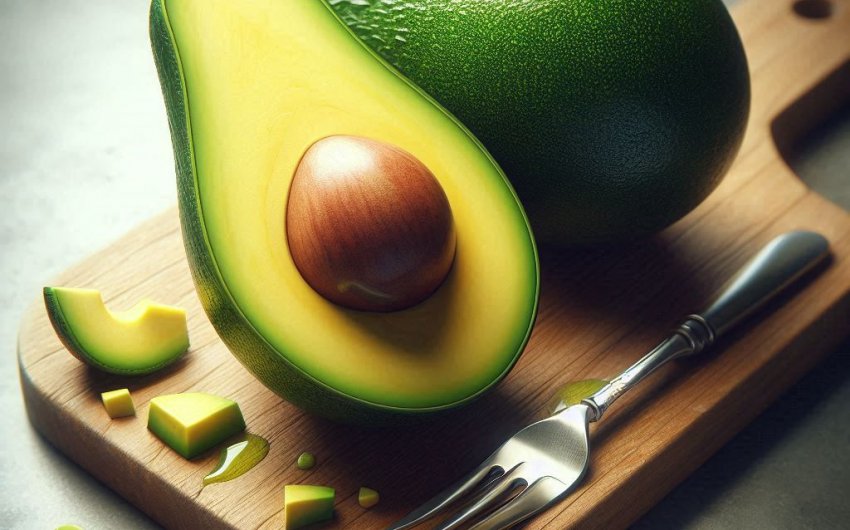
Often celebrated as the star of guacamole and avocado toast, the humble avocado holds a place in our hearts for its creamy texture and rich flavor. But this remarkable fruit is truly more than just a dip. Its unique nutritional profile and adaptability in the kitchen make it an incredibly versatile ingredient, capable of enhancing everything from savory meals to surprisingly sweet treats. From a healthy fat source to a beauty secret, the versatility of avocados extends far beyond simple spreads, offering a wealth of benefits and culinary possibilities that might just surprise you.
What Makes Avocados So Nutritionally Unique?
Unlike most fruits, which are primarily carbohydrates, avocados stand out for their high content of healthy fats, making them a dense and distinct nutritional powerhouse.
What Kind of Fats Are in Avocados?
The fat in avocados is overwhelmingly healthy fat, primarily a type found in olive oil.
- Monounsaturated Fatty Acids (MUFAs): The dominant fat in avocados, making up about 75% of their fat content, is monounsaturated fat, particularly oleic acid. This is the same type of heart-healthy fat found in olive oil. MUFAs are known for their ability to help lower bad (LDL) cholesterol levels while potentially raising good (HDL) cholesterol.
- Benefits of MUFAs: Regular consumption of MUFAs is associated with a reduced risk of heart disease, improved insulin sensitivity, and can help manage blood sugar levels. They also contribute to the creamy texture and richness of the avocado.
- Other Fats: Avocados also contain small amounts of polyunsaturated fats (omega-3 and omega-6 fatty acids) and saturated fat, but in much smaller proportions than MUFAs.
What Vitamins and Minerals Do Avocados Offer?
Beyond fats, avocados are surprisingly rich in a broad spectrum of essential vitamins and minerals.
- Potassium: Avocados are an excellent source of potassium, often containing more per serving than a banana. Potassium is crucial for maintaining healthy blood pressure, fluid balance, nerve function, and muscle contractions.
- Vitamin K: This fat-soluble vitamin is vital for blood clotting and plays an important role in bone health.
- Vitamin C: A powerful antioxidant that supports the immune system, skin health, and collagen production.
- Vitamin E: Another potent antioxidant that protects cells from damage and supports skin health.
- B Vitamins: Avocados contain several B vitamins, including Folate (Vitamin B9), which is crucial for cell growth and DNA formation, and Vitamin B6, important for brain development and immune function.
- Other Minerals: They also provide good amounts of magnesium (important for muscle and nerve function), copper, and manganese.
Do Avocados Contain Fiber?
Yes, avocados are an excellent source of dietary fiber, which is crucial for digestive health and overall well-being.
- High Fiber Content: A single medium avocado can provide around 10 grams of fiber, which is a significant portion of the daily recommended intake for adults.
- Soluble and Insoluble Fiber: Avocados contain both types of fiber:
- Soluble Fiber: Dissolves in water and forms a gel-like substance, helping to regulate blood sugar levels and lower cholesterol.
- Insoluble Fiber: Adds bulk to stool, promoting regularity and preventing constipation.
- Benefits of Fiber: Adequate fiber intake is associated with improved gut health, weight management, and reduced risk of chronic diseases like heart disease and type 2 diabetes.
What Are the Unique Plant Compounds in Avocados?
Avocados boast a variety of beneficial plant compounds (phytochemicals) that contribute to their health properties.
- Carotenoids: These are pigments that act as antioxidants. Avocados contain several, including lutein and zeaxanthin, which are especially important for eye health, helping to protect against age-related macular degeneration and cataracts.
- Phytosterols: These plant compounds are structurally similar to cholesterol and can help block the absorption of dietary cholesterol in the gut, contributing to lower LDL cholesterol levels.
- Polyphenols: Various polyphenols are present, acting as antioxidants and anti-inflammatory agents.
How Can Avocados Benefit My Health?
The unique nutritional composition of avocados translates into a wide array of health benefits that support various bodily functions.
How Do Avocados Support Heart Health?
The primary reason avocados are celebrated for health is their positive impact on the cardiovascular system.
- Cholesterol Management: The high content of monounsaturated fats helps to lower levels of "bad" LDL cholesterol and triglycerides, while potentially increasing levels of "good" HDL cholesterol. This balanced effect is crucial for heart health.
- Blood Pressure Regulation: Their rich potassium content is vital for maintaining healthy blood pressure. Potassium helps to counterbalance the effects of sodium in the diet and relax blood vessel walls.
- Anti-Inflammatory Properties: The healthy fats, antioxidants (like Vitamins C and E), and other plant compounds in avocados contribute to their anti-inflammatory effects, which can protect against chronic inflammation, a known contributor to heart disease.
- Fiber's Role: The significant fiber content also contributes to heart health by helping to lower cholesterol and regulate blood sugar.
Do Avocados Aid in Weight Management?
Despite being calorie-dense, avocados can play a beneficial role in weight management.
- Satiety: The combination of healthy fats and fiber promotes feelings of fullness and satiety. When you feel full, you're less likely to overeat or snack excessively, which can aid in calorie control.
- Reduced Cravings: The satisfying nature of avocados can help reduce cravings for unhealthy foods.
- Nutrient Density: They provide a wealth of nutrients, ensuring your body is well-nourished even if you're consuming fewer calories overall.
- Stabilize Blood Sugar: Healthy fats and fiber help slow down the absorption of carbohydrates, preventing rapid spikes and crashes in blood sugar that can lead to increased hunger.
How Do Avocados Promote Digestive Health?
The fiber in avocados is a key player in maintaining a healthy digestive system.
- Regularity: The insoluble fiber adds bulk to stool, facilitating regular bowel movements and preventing constipation.
- Gut Microbiome: Both soluble and insoluble fiber serve as prebiotics, feeding the beneficial bacteria in your gut microbiome. A healthy gut microbiome is linked to improved digestion, enhanced immunity, and even better mood.
- Nutrient Absorption: A well-functioning digestive system is more efficient at absorbing nutrients from all the foods you eat.
What Are the Skin and Eye Health Benefits of Avocados?
Avocados contribute to glowing skin and sharp eyesight thanks to their antioxidant and nutrient content.
- Skin Health:
- Healthy Fats: The monounsaturated fats contribute to skin hydration and elasticity, giving it a plump, healthy appearance.
- Vitamins C & E: These powerful antioxidants protect skin cells from oxidative damage caused by UV rays and pollution, which can lead to premature aging. Vitamin C is also crucial for collagen production, which maintains skin firmness.
- Eye Health:
- Lutein and Zeaxanthin: Avocados are one of the richest sources of these two powerful carotenoids. Lutein and zeaxanthin accumulate in the macula of the eye, where they act as natural sunscreens, protecting against harmful blue light and reducing the risk of age-related macular degeneration (AMD) and cataracts.
Can Avocados Help Absorb Other Nutrients?
Yes, this is a fascinating and important benefit of avocados.
- Fat-Soluble Vitamin Absorption: Many essential vitamins, like Vitamins A, D, E, and K, are fat-soluble, meaning they require fat to be properly absorbed by the body.
- Pairing with Veggies: By adding avocado to salads or meals rich in vegetables (which often contain carotenoids and other fat-soluble nutrients), you significantly boost your body's ability to absorb these vital compounds. For example, studies show that adding avocado to salsa or salad can increase the absorption of beta-carotene by up to 15 times!
What Are the Best Ways to Use Avocados in Savory Dishes?
The creamy texture and mild, buttery flavor of avocados make them an incredibly versatile ingredient in savory cooking, far beyond just guacamole.
1. The Classic: Guacamole and Dips
Let's start with the undisputed champion, but remember, there are countless variations.
- Basic Guacamole: Mash ripe avocados with lime juice, salt, and finely chopped onion and cilantro.
- Variations: Add diced tomatoes, jalapeño, corn, black beans, red onion, or even fruit like mango or pineapple for a tropical twist.
- Other Dips: Blend avocado with herbs, yogurt, or other vegetables for creamy, healthy dips. Try an avocado ranch dip or a creamy avocado hummus.
2. Avocado Toast and Sandwiches
Elevate your breakfast, lunch, or snack with simple yet satisfying avocado additions.
- Avocado Toast: Mash avocado on toast, then get creative with toppings:
- Savory: Everything bagel seasoning, red pepper flakes, flaky sea salt, a fried egg, cherry tomatoes, smoked salmon, crumbled feta, sliced radishes.
- Sweet (less common but delicious): A drizzle of honey or a sprinkle of cinnamon and a few berries.
- Sandwiches and Wraps: Slice or mash avocado into any sandwich or wrap for added creaminess, healthy fats, and nutrients. It's a great substitute for mayonnaise.
- Turkey and Avocado: Classic combo.
- Veggie Sandwich: Load up with hummus, sprouts, cucumber, and thick avocado slices.
- Chicken Salad/Tuna Salad: Mix mashed avocado into chicken or tuna salad for a lighter, healthier version.
3. Salads and Bowls
Avocado adds a rich, satisfying element to any salad or grain bowl.
- Cubed or Sliced: Simply add chunks or slices of avocado to your green salads, providing a creamy texture and healthy fat.
- Avocado Dressings: Blend avocado with olive oil, lime juice, cilantro, and a touch of water for a creamy, healthy avocado dressing. This is excellent on tacos salads, grain bowls, or as a dip for veggies.
- Grain Bowls: Top your favorite quinoa, rice, or farro bowl with avocado for extra richness and nutrient density.
- Taco Salads: Essential for that creamy texture in a crunchy taco salad.
4. Soups and Smoothies (Savory)
Avocados can add creaminess and nutrients to unexpected savory liquid dishes.
- Creamy Soups: Blend avocado into chilled soups like gazpacho or creamy vegetable soups (e.g., cucumber avocado soup) for a luscious texture without dairy cream.
- Savory Smoothies: While less common, some savory smoothies benefit from avocado for richness and healthy fats. Think green smoothies with spinach, cucumber, cilantro, lime, and avocado.
5. Main Dishes and Sides
Incorporate avocado into cooked meals or as a fresh accompaniment.
- Tacos, Burritos, Quesadillas: An absolute must for any Mexican-inspired meal. Sliced, diced, or as guacamole.
- Toppings for Grilled Meats/Fish: A simple sliced avocado with a sprinkle of salt and pepper is a refreshing side for grilled chicken, steak, or salmon.
- Stir-fries (Added at End): Add diced avocado at the very end of cooking a stir-fry, just before serving, to warm it slightly without cooking it through.
- Egg Dishes: Slice avocado on top of scrambled eggs, omelets, or frittatas.
How Can Avocados Be Used in Unexpected Sweet Treats?
The neutral flavor and creamy texture of avocados make them surprisingly versatile in sweet applications, acting as a healthy fat base or a thickening agent.
1. Smoothies and Shakes (Sweet)
This is one of the easiest ways to incorporate avocado into sweet recipes without much flavor interference.
- Creaminess and Thickness: Adding a quarter or half an avocado to any fruit smoothie instantly makes it incredibly creamy, thick, and satisfying. It provides healthy fats without imparting a strong "avocado" taste.
- Nutrient Boost: It boosts the healthy fat, fiber, and vitamin content of your smoothie.
- Examples: Blend with berries, banana, spinach, almond milk, and a scoop of protein powder for a super nutritious meal replacement.
2. Dairy-Free Desserts
Avocado is a game-changer for creating rich, creamy, and dairy-free desserts.
- Chocolate Avocado Mousse: This is a popular and delicious application. Blend ripe avocado with cocoa powder, a sweetener (maple syrup, agave, or dates), a splash of plant-based milk, and vanilla extract until smooth and creamy. Chill and serve for a healthy, decadent treat.
- Vegan Ice Cream: Blend frozen banana chunks with avocado and other flavors (e.g., cocoa powder, peanut butter, vanilla extract) in a high-speed blender for a quick and creamy "nice cream." No ice cream maker needed!
- Avocado Chocolate Pudding: Similar to mousse, but can be made thicker for a pudding consistency.
3. Baking and Raw Desserts
Avocado can be a secret ingredient for adding moisture and healthy fats to baked goods, or for raw dessert bases.
- Brownies and Muffins: Substitute some of the butter or oil in brownie or muffin recipes with mashed avocado. It adds moisture and healthy fats, often undetectable in the final product. Start with a 1:1 substitution and adjust as needed.
- Raw Energy Balls/Bars: Blend avocado into the base of raw energy balls or bars for binding, creaminess, and healthy fats. Pair with dates, nuts, seeds, and cocoa.
- Frosting/Glaze: Create a healthier frosting by blending avocado with a sweetener, vanilla, and a touch of liquid (like lemon juice or plant milk). This works particularly well for lime or lemon-flavored glazes.
4. Unconventional Sweet Pairings
Don't be afraid to experiment with avocado in surprising sweet contexts.
- Fruit Salads: Add cubed avocado to fruit salads. Its creamy texture and mild flavor pair surprisingly well with tropical fruits like mango, pineapple, and citrus. A squeeze of lime or a drizzle of honey can enhance this.
- Sweet Avocado Milkshakes (Asian-inspired): In many Southeast Asian cultures, avocado is commonly used in sweet drinks. Blend avocado with condensed milk, ice, and a splash of water or milk for a rich, creamy, and unique milkshake.
- Avocado on Pancakes/Waffles: A few thin slices of avocado on pancakes or waffles with a drizzle of maple syrup can add a creamy, unexpected twist.
How Do I Choose, Ripen, and Store Avocados?
Mastering the art of selecting, ripening, and storing avocados is crucial for enjoying their full potential and versatility.
How Do I Choose a Ripe Avocado at the Store?
Choosing the perfect avocado can feel like a gamble, but a few tricks can help.
- The "Hass" Avocado Test (Most Common):
- Color: For Hass avocados, the skin color changes as it ripens.
- Green: Hard and unripe. Needs several days to ripen.
- Dark Green/Blackish with Some Green: Approaching ripeness. Should yield slightly.
- Dark Purple/Black: Ripe and ready to eat!
- Firmness: Gently press the avocado in the palm of your hand. A ripe avocado should yield to gentle pressure without feeling mushy or rock-hard. Avoid avocados with soft spots or blemishes.
- Stem Test (Optional, but effective): Gently flick off the tiny stem cap at the top.
- Green underneath: Perfectly ripe.
- Brown underneath: Overripe.
- No stem cap / not coming off: Underripe.
- Color: For Hass avocados, the skin color changes as it ripens.
- Other Varieties (e.g., Fuerte, Reed): Other avocado varieties might not change color as dramatically. Rely more on the firmness test.
What is the Best Way to Ripen Avocados Quickly?
Bought hard avocados? No problem! Here's how to speed up the ripening process.
- Paper Bag Method: Place the avocado(s) in a brown paper bag. The bag traps ethylene gas, a natural plant hormone released by the fruit, which accelerates ripening.
- Add an Apple or Banana: To speed it up even further, place a ripe apple or banana in the paper bag with the avocado. These fruits release more ethylene gas.
- Warm Place: Store the bag in a warm spot in your kitchen.
- Check Daily: Check the avocado daily for ripeness using the firmness test. This method can ripen avocados in 1-3 days.
How Do I Store Ripe and Cut Avocados?
Once ripe, or once cut, avocados need specific storage to prevent spoilage.
- Whole, Ripe Avocados: Store ripe, whole avocados in the refrigerator to slow down the ripening process and extend their shelf life by a few days.
- Cut Avocados: Once cut, avocado flesh oxidizes and turns brown rapidly when exposed to air.
- Airtight Container: Store cut avocado in an airtight container.
- Acid: Squeeze lemon or lime juice directly onto the exposed flesh. The acid helps prevent browning.
- Onion Method: Place a cut onion (skin side up) in the bottom of an airtight container, then place the avocado (cut side down) on top. The sulfur compounds from the onion can also help prevent browning.
- Minimal Air Contact: Place plastic wrap directly onto the surface of the avocado flesh before sealing the container.
- Water Method: For short-term storage (a day), you can store the cut avocado, cut side down, in a shallow bowl of water in the refrigerator. This method works well, but be aware it can slightly affect texture.
- Freezing Avocados: You can freeze ripe avocado, but primarily for use in smoothies, guacamole, or baked goods, as the texture changes upon thawing.
- Mash the avocado with a little lemon or lime juice to prevent browning.
- Store in an airtight, freezer-safe bag or container, pressing out as much air as possible.
- Thaw in the refrigerator.
The versatility of avocados truly makes them a kitchen staple. Beyond their well-known role in dips and toast, their unique nutritional makeup and creamy texture allow them to shine in an incredible array of savory and sweet dishes. From boosting heart health and aiding digestion to adding luxurious creaminess to your meals, avocados are indeed more than just a dip, offering a wealth of culinary and health benefits that make them an invaluable addition to any diet.