
Trillium Treasures: Native Beauty in Your Garden
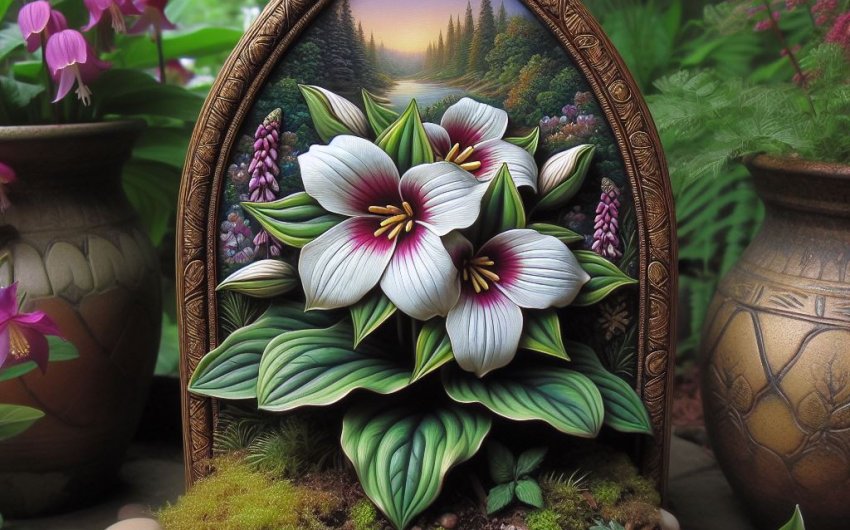
Trillium brings native beauty to your garden with its iconic three-petaled flowers and distinct whorl of three leaves, emerging elegantly in spring from woodland floors. These ephemeral wildflowers are cherished for their delicate charm, diverse colors, and ability to thrive in shaded, moist environments, creating a captivating display that signals the arrival of spring.
What is Trillium? Understanding This Woodland Wildflower
Trillium is a genus of herbaceous perennials, famous for their unique "rule of three" symmetry, native primarily to North America and parts of Asia. Often called Wake-robin, Trinity Flower, or Toadshade, these woodland treasures embody true native beauty in your garden with their understated elegance.
Distinctive Features: The Rule of Three
- Three Leaves: The most defining characteristic is the single whorl of three broad, often mottled or veined, leaves that emerge from the stem.
- Three Petals: Each flower has three prominent petals, usually accompanied by three sepals (leaf-like structures just beneath the petals). This consistent pattern makes them instantly recognizable.
- Color Palette: Trillium flowers come in a surprisingly diverse range of colors:
- White: Classic for species like Trillium grandiflorum (Large-Flowled Trillium).
- Reds/Maroons: Deep reds and maroons are common in species like Trillium erectum (Red Trillium) or Trillium sessile (Toadshade).
- Pinks: Some varieties start white and age to pink.
- Yellows/Greens: Less common but found in species like Trillium luteum (Yellow Trillium).
- Bloom Time: Trilliums are ephemeral spring wildflowers. They bloom from early to late spring, typically before deciduous trees fully leaf out, allowing them to capture sunlight on the forest floor.
- Foliage: The beautiful foliage often persists for several months after flowering, adding texture to the shade garden before eventually dying back in summer.
Growth Habit: Slow and Steady Perennials
- Rhizomatous Perennials: Trilliums grow from short, stout rhizomes (underground stems), which slowly expand to form clumps over many years.
- Non-Aggressive: They are not aggressive spreaders and generally stay put, gradually increasing in size.
- Stature: Most garden-suitable Trillium species grow 10-18 inches (25-45 cm) tall, though some can be shorter or slightly taller.
Ecological Value: Forest Floor Indicator
- Forest Ecosystems: Trilliums are vital components of healthy woodland ecosystems, serving as an indicator of undisturbed, mature forests.
- Pollination: Their flowers are pollinated by various insects, including bees and flies.
- Seed Dispersal by Ants (Myrmecochory): Many Trillium species have seeds with a fleshy, lipid-rich appendage called an elaiosome. Ants collect these seeds, carry them back to their nests, eat the elaiosome, and then discard the viable seed, effectively dispersing the plant far from the parent. This fascinating adaptation contributes to their unique spread pattern.
- Deer Resistance: While deer may browse Trillium leaves, especially T. grandiflorum, they are not consistently a favorite target for heavy browsing. Some species are more resistant than others.
Preferred Growing Conditions: Shade and Moisture
- Light: Trilliums are quintessential shade plants. They thrive in full to partial shade, particularly under deciduous trees where they get spring sun before canopy closure. Avoid deep, dense shade or harsh direct sun, which can scorch their leaves.
- Soil: They require rich, consistently moist, well-draining soil with abundant organic matter. Mimicking a forest floor with leaf mold and compost is ideal. They are very sensitive to dry conditions.
Table: Key Characteristics of Trillium
| Characteristic | Description | Garden Advantage |
|---|---|---|
| Rule of Three | Three leaves, three petals, three sepals | Instantly recognizable, unique form |
| Varied Colors | White, Red, Maroon, Pink, Yellow, Green | Diverse palette, subtle charm |
| Spring Ephemeral | Blooms early spring, foliage dies back in summer | Signals spring, avoids summer heat |
| Rhizomatous Perennial | Slow-spreading clumps, long-lived | Manageable, enduring presence |
| Ant-Dispersed Seeds | Unique ecological role, spreads naturally (slowly) | Fascinating, contributes to biodiversity |
| Shade & Moisture Lover | Thrives in rich, moist shade, woodland mimic | Ideal for woodland/shade gardens |
What Are the Best Trillium Varieties for Your Garden?
The genus Trillium offers a charming diversity of species, each bringing its own unique brand of native beauty to your garden. Selecting the best Trillium varieties depends on your desired flower color, height, and specific growing conditions.
Classic White-Flowered Varieties
These species offer the iconic pristine white blooms often associated with Trillium.
- Trillium grandiflorum (Large-Flowered Trillium / Wake-robin):
- Features: The most widely recognized and showiest species, with large, pure white flowers (2-4 inches or 5-10 cm wide) that age to pink. Blooms in mid to late spring. Broad, deep green leaves. Grows 12-18 inches (30-45 cm) tall.
- Ideal For: Woodland gardens, naturalized areas, shady borders.
- Hardiness: USDA Zones 4-8. A Trillium grandiflorum Rhizome is a top choice.
- Trillium erectum 'Album' (White Trillium from Red Trillium species):
- Features: A white-flowered form of the otherwise red T. erectum. Flowers are slightly smaller than T. grandiflorum.
- Ideal For: Mixed with the red form for contrast.
Striking Red and Maroon Varieties
These species add dramatic, deep colors to the shade garden.
- Trillium erectum (Red Trillium / Stinking Benjamin):
- Features: Features nodding, dark red to maroon flowers held above or slightly below the leaves. Blooms in early to mid-spring. Can have a slightly unpleasant scent (hence "stinking Benjamin"). Grows 10-18 inches (25-45 cm) tall.
- Ideal For: Woodland gardens, naturalizing.
- Hardiness: USDA Zones 4-8.
- Trillium sessile (Toadshade / Sessile Trillium):
- Features: Flowers are sessile (stemless), meaning they sit directly on the mottled green-and-maroon leaves. Flowers are usually maroon or reddish-brown. Blooms in early spring. Grows 6-12 inches (15-30 cm) tall.
- Ideal For: Front of shade borders, naturalized areas, especially in drier shade than some other species.
- Hardiness: USDA Zones 4-8.
- Trillium cuneatum (Whip-poor-will Flower / Large Toadshade):
- Features: Similar to T. sessile with sessile flowers, but often larger and with highly mottled, beautiful foliage. Flowers typically rusty red to maroon, sometimes bronze or yellow. Blooms early spring. Grows 12-18 inches (30-45 cm) tall.
- Ideal For: Adding striking foliage and early color.
- Hardiness: USDA Zones 4-8.
Yellow and Green Varieties: Subtle Charm
These offer unique, understated beauty.
- Trillium luteum (Yellow Trillium / Lemon Trillium):
- Features: Has distinct lemon-scented, greenish-yellow, sessile flowers sitting directly on the mottled foliage. Blooms early spring. Grows 10-18 inches (25-45 cm) tall.
- Ideal For: Fragrant shade gardens, adding subtle color.
- Hardiness: USDA Zones 4-8.
Table: Trillium Varieties and Their Attributes
| Variety | Species | Flower Color | Height (Avg.) | Key Feature |
|---|---|---|---|---|
| Large-Flowered Trillium | T. grandiflorum | White (aging to pink) | 12-18 inches (30-45 cm) | Showiest, large, classic blooms |
| Red Trillium | T. erectum | Dark Red, Maroon | 10-18 inches (25-45 cm) | Nodding flowers, subtle scent |
| Toadshade | T. sessile | Maroon, Reddish-Brown | 6-12 inches (15-30 cm) | Sessile flowers, mottled foliage |
| Whip-poor-will Flower | T. cuneatum | Rusty Red, Maroon | 12-18 inches (30-45 cm) | Strikingly mottled foliage, larger form |
| Yellow Trillium | T. luteum | Greenish-Yellow | 10-18 inches (25-45 cm) | Lemon-scented, mottled foliage |
How Do You Plant and Grow Trillium?
Planting and growing Trillium requires mimicking its natural woodland habitat: cool, moist, and rich conditions. Patience is key, as these native beauty plants are slow to establish but incredibly long-lived.
Site Selection: Shade, Soil, and Moisture are Critical
- Light: Trilliums are true shade plants. They thrive in full to partial shade, especially under deciduous trees. They get crucial spring sunlight before the tree canopy leafs out, then enjoy shade through summer.
- Avoid: Deep, dense shade (will result in poor flowering) or harsh direct afternoon sun (will scorch leaves and stress plants).
- Soil: This is the most crucial factor. Trilliums require rich, consistently moist, and well-draining soil with abundant organic matter.
- Ideal: Mimic a forest floor. Loamy soil enriched with plenty of leaf mold, compost, and aged shredded bark.
- Avoid: Dry, sandy soils (they will struggle) or heavy clay soils that become waterlogged (leads to root rot). If you have clay, amend it generously.
- pH: Prefer a slightly acidic to neutral soil pH (pH 5.5-7.0).
- Location: Plant in a quiet, undisturbed area where they can establish themselves for many years.
Sourcing Trillium Plants: Ethical Choices
- Buy from Reputable Nurseries: Always purchase Trillium rhizomes or potted plants from reputable nurseries specializing in native plants or wildflowers. This ensures you're getting nursery-propagated plants. A Trillium Grandiflorum Live Plant from a reputable source is best.
- Never Wild-Collect: Do NOT dig Trillium from the wild. Many species are protected or threatened in their native habitats. Wild-collected plants rarely survive transplanting due to disruption of their delicate root systems and mycorrhizal associations, and it harms natural populations.
Planting Process (from rhizomes or potted plants)
- Timing:
- Bare-root rhizomes: Best planted in late summer to early fall, as the plant goes dormant.
- Potted plants: Can be planted in spring or fall.
- Prepare the Hole: Dig a hole slightly larger than the root ball or rhizome. For rhizomes, position them horizontally or slightly angled.
- Planting Depth: This is important. Plant the rhizome or potted plant so that the top of the rhizome (the "nose" or growing point) is only about 2-4 inches (5-10 cm) below the soil surface. Too deep or too shallow can inhibit growth.
- Backfill and Water: Backfill the hole with the amended soil, gently firming it around the plant. Water immediately and deeply to settle the soil.
- Mulch: Apply a 2-3 inch (5-7.5 cm) layer of leaf mold or compost over the planting area. This is essential for maintaining moisture and providing slow-release nutrients.
Spacing: Allowing for Naturalization
- Mature Size: Space Trillium plants 12-18 inches (30-45 cm) apart, depending on the variety. They will slowly form clumps over time.
- Naturalistic Drifts: For a beautiful, natural look, plant them in informal drifts or groups, rather than single rows.
Table: Trillium Planting Checklist
| Item/Step | Recommendation | Reason |
|---|---|---|
| Sunlight | Full to partial shade (especially deciduous tree shade) | Prevents scorching, mimics woodland light |
| Soil | Rich, consistently moist, well-draining, high organic matter | Mimics forest floor, essential for growth |
| Sourcing | Always from reputable nurseries, never wild-collected | Protects wild populations, ensures plant survival |
| Timing | Fall (rhizomes); Spring/Fall (potted plants) | Allows establishment before temperature extremes |
| Planting Depth | Top of rhizome/crown 2-4 inches (5-10 cm) below surface | Crucial for proper growth |
| Spacing | 12-18 inches (30-45 cm) apart | Allows clump growth, natural spread |
| Mulch | 2-3 inches leaf mold/compost after planting | Retains moisture, provides nutrients |
How Do You Care for Established Trillium?
Once established, Trilliums are surprisingly low-maintenance, requiring only a few key practices to ensure their continued native beauty in your garden for decades. Patience and providing the right environment are their main needs.
Watering: Consistent Moisture is Key
- Moisture Needs: Trilliums prefer consistently moist soil, especially during their active growth period in spring and early summer. They do not tolerate dry conditions well.
- Supplemental Watering: During dry spells, particularly in spring, water deeply to ensure the soil remains moist.
- Mulch: Maintaining a 2-4 inch (5-10 cm) layer of leaf mold or compost is absolutely crucial for retaining soil moisture and keeping the root zone cool. This also continuously adds organic matter, mimicking a forest floor.
Fertilizing: Minimal to None
- Lean Feeder: Trilliums are not heavy feeders. If planted in rich, organic soil (as they should be), they typically require very little to no supplemental fertilization.
- Compost: The regular top-dressing of leaf mold or compost recommended for moisture retention is usually more than enough to provide all the nutrients they need.
- Avoid Synthetics: Do not use synthetic chemical fertilizers, as these can harm the delicate root systems and mycorrhizal fungi that Trilliums often associate with.
Pruning and Maintenance: Hands Off!
- No Deadheading: Do not deadhead Trillium flowers. Allowing the seeds to form and drop is how they slowly naturalize and spread in your garden (with the help of ants!).
- Allow Foliage to Die Back Naturally: Let the foliage remain on the plant until it naturally yellows and dies back in mid-to-late summer. The leaves photosynthesize and store energy in the rhizome for the following year's blooms. Removing leaves prematurely will weaken the plant.
- Winter Care: No special winter protection is typically needed beyond their natural leaf litter or mulch layer. The rhizomes are very cold-hardy.
- Division (Rarely): Trilliums are very slow to spread and generally dislike disturbance. Division is rarely needed, perhaps only every 10-20 years if clumps become extremely dense and show reduced vigor. If you do divide, do so carefully in late summer/early fall when dormant.
Pest and Disease Management: Trouble-Free
- Resilience: Trilliums are remarkably resistant to most common garden pests and diseases.
- Main Problem: Deer Browsing: While generally not a consistent problem, deer may browse Trillium leaves, especially T. grandiflorum. If deer are a significant issue, consider deer repellents or physical barriers. A Deer Repellent Spray may be needed.
- Rodent Protection: While not typically targeted heavily, if voles or other burrowing rodents are a problem in your garden, consider planting Trillium rhizomes in wire cages (hardware cloth) buried in the ground.
- Fungal Issues: Rare, usually only in overly wet, poorly drained, or extremely humid and stagnant conditions. Good air circulation and proper soil drainage are key preventative measures.
Table: Care for Established Trillium
| Aspect | Recommendation | Impact |
|---|---|---|
| Watering | Consistently moist soil, especially spring-early summer | Essential for healthy growth |
| Fertilizing | Minimal; annual leaf mold/compost top-dressing | Provides balanced nutrients naturally |
| Pruning | No deadheading; allow foliage to die back naturally | Ensures self-seeding, stores energy for next year |
| Pests/Disease | Generally resistant; monitor for deer browsing | Low maintenance, healthy plants |
What Creative Uses Can Trillium Bring to Your Garden Design?
The delicate beauty, iconic form, and shade-loving nature of Trillium make it an indispensable plant for creating captivating, naturalistic, and tranquil spaces that highlight native beauty in your garden.
Woodland Gardens and Shady Borders
- Natural Fit: Trilliums are quintessential woodland wildflowers. Plant them in drifts under deciduous trees, along shaded pathways, or in shady perennial borders. They are the epitome of elegance in these settings.
- Spring Highlight: They emerge and bloom gloriously in spring before the tree canopy fully leafs out, creating a stunning early-season display that takes center stage.
- Companion Planting: Pair them with other shade-loving plants and spring ephemerals like:
- Ferns: (e.g., Maidenhair, Lady Fern) provide a backdrop of fine texture.
- Hostas: (e.g., 'Sum and Substance,' 'Halcyon') offer bold foliage contrast.
- Bleeding Hearts (Dicentra spectabilis): Complementary bloom time and delicate flowers.
- Foamflower (Tiarella cordifolia): Groundcover that blooms with airy white spikes.
- Hellebores: Provide earlier winter/early spring interest.
Naturalized Areas
- Subtle Spread: If you have a larger shaded area, plant Trilliums in naturalistic drifts and allow them to slowly self-seed and expand over many years. This creates a truly enchanting, low-maintenance display reminiscent of a wild forest floor.
- Underplant Deciduous Trees: They thrive at the base of trees like oaks, maples, and birches, where they receive sun in spring and shade in summer.
Container Gardening (for Temperate Climates)
- Specialty Pots: While usually best in the ground, some gardeners successfully grow Trilliums in large, deep containers (like terracotta or ceramic pots) that can be moved.
- Ensure Proper Drainage and Soil: Use a very rich, leafy, consistently moist but well-draining potting mix.
- Winter Care: For zones where winters aren't consistently cold enough (or too cold for pots to remain outside), pots may need to be protected or moved to a cool, unheated garage during winter to ensure they get their chilling requirement without freezing solid.
Sensory Gardens (for Fragrant Varieties)
- Lemon Scent: Plant Trillium luteum (Yellow Trillium) near seating areas or pathways where its delightful lemon-scented flowers can be appreciated.
Educational Gardens
- Native Plant Focus: Include Trillium in school gardens or public native plant displays to educate about local ecosystems, spring ephemerals, and plant-animal interactions (like ant seed dispersal).
By carefully cultivating Trillium treasures, you are making a lasting investment in native beauty in your garden, creating a serene, elegant, and ecologically rich space that celebrates the quiet majesty of the woodland floor each spring.