
Craft Your Outdoor Sanctuary: Stunning Patio Ideas Await
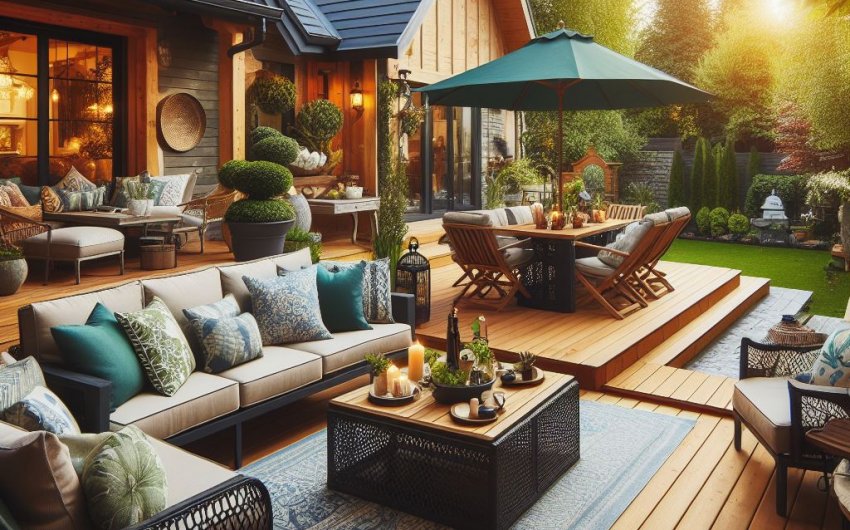
Transforming your outdoor area into a comfortable and inviting retreat is easier than you think. Imagine a space where you can relax, entertain, and enjoy the fresh air, tailored perfectly to your style and needs. This guide will walk you through a variety of inspiring patio ideas, helping you create a beautiful extension of your home that you'll love spending time in.
What Are the First Steps to Designing Your Dream Patio?
Before you dive into buying furniture and decor, it's helpful to plan out your patio's purpose and how it fits with your home's overall look. Thinking about these initial steps can save you time and money in the long run.
What is Your Patio's Purpose?
Consider how you primarily want to use your outdoor sanctuary. Will it be a cozy spot for morning coffee, a lively area for dinner parties, a quiet reading nook, or a place for kids to play? Knowing its main use will guide your design choices. For example, a dining patio will need ample space for a table and chairs, while a lounging area might focus on comfortable sofas and an outdoor coffee table.
What's Your Style Aesthetic?
Your patio should feel like a natural extension of your home. Do you prefer a modern, minimalist look, or a rustic, farmhouse feel? Maybe you like something tropical, bohemian, or traditional? Gathering inspiration from magazines, websites, or even your favorite local park can help you pinpoint your patio design style. This ensures that your outdoor space complements your indoor decor, creating a seamless flow.
What's Your Budget for the Project?
Setting a realistic budget early on is crucial. Patio projects can range from simple decor updates to full-scale constructions. Decide how much you're willing to spend on furniture, flooring, lighting, plants, and any potential structural changes. This will help you prioritize your choices and avoid overspending. Remember that even small, affordable changes can make a big impact.
How Will You Maximize Your Space?
No matter the size of your patio, smart planning can make it feel larger and more functional. For smaller areas, consider multi-functional furniture like benches with hidden storage or foldable tables. Think vertically with wall planters or hanging decor. For larger patios, you might divide the space into different zones: a dining area, a lounge area, and perhaps even a small gardening corner. Using outdoor rugs can also help define these zones.
How Can You Create a Comfortable Foundation for Your Patio?
The base of your patio, from its surface to its cover, sets the stage for comfort and style. These elements are key to durability and enjoying your space year-round.
What Are Your Flooring Options?
The patio flooring choice significantly impacts the look, feel, and maintenance of your outdoor space.
- Pavers: These individual blocks of concrete, stone, or brick are versatile and durable. They come in many colors and shapes, allowing for custom patterns. Pavers are relatively easy to repair if one gets damaged, as you can replace just that single paver. Installation can be a DIY project but requires careful leveling.
- Concrete: A very common and cost-effective option. Concrete can be poured as a slab, stained, stamped to mimic other materials like stone or wood, or even acid-etched for unique designs. It's durable and low-maintenance but can crack over time, especially in areas with freeze-thaw cycles.
- Decking (Wood or Composite): While technically a deck, a low-level deck can serve a similar purpose to a patio, offering a warm, natural feel. Wood decking requires regular maintenance (sealing, staining) but offers classic beauty. Composite decking is made from recycled plastics and wood fibers, requiring less maintenance and being more resistant to rot and insects.
- Gravel or Crushed Stone: An affordable and easy-to-install option for a rustic or informal look. It provides good drainage but can be less stable for furniture. Using a weed barrier fabric underneath is crucial to prevent growth. This type of flooring works well for a relaxed backyard retreat.
- Tiles (Porcelain or Ceramic): Outdoor-rated tiles can create a sophisticated and clean look. They are durable and easy to clean but can be slippery when wet. Installation requires a stable base and careful grouting.
How Can You Add Shade and Shelter?
Protection from the sun and occasional rain is vital for comfort, especially in warmer climates.
- Patio Umbrellas: The simplest and most flexible solution. They come in various sizes and styles, from classic market umbrellas to cantilevered models that provide shade over larger areas without a central pole getting in the way. Look for those with UV protection for durability. A large offset patio umbrella can cover a full dining set.
- Pergolas: Open structures with a slatted roof that offer partial shade and a sense of enclosure. They can be adorned with climbing plants for more natural shade or fitted with retractable fabric covers for full sun protection. Pergolas add architectural interest and define the patio space.
- Gazebos: Freestanding, often octagonal structures with solid roofs. They provide full shade and shelter from light rain, creating a true outdoor room feel. Some gazebos come with mosquito netting for bug-free enjoyment.
- Awnings: Can be fixed or retractable and attach directly to your house. They provide instant shade and protection from rain, perfect for smaller patios or those directly adjacent to the home.
- Sail Shades: Fabric panels stretched tautly between attachment points, creating a modern and artistic shading solution. They are versatile in shape and size but require sturdy attachment points.
What Furniture and Layout Ideas Will Elevate Your Patio?
Once the foundation is set, furniture is where your patio truly comes alive. Choosing the right pieces and arranging them thoughtfully makes all the difference.
How Do You Choose the Right Outdoor Furniture?
Outdoor furniture must be durable enough to withstand the elements while also being comfortable and stylish.
- Materials:
- Wicker (Resin or Natural): Resin wicker (or all-weather wicker) is popular for its classic look and durability. It’s made from synthetic materials that resist fading, moisture, and mildew, making it low-maintenance. Natural wicker requires more care and is generally better for covered patios. A resin wicker patio set is a versatile choice.
- Aluminum: Lightweight, rust-resistant, and durable. It’s easy to move around and comes in many finishes, from sleek modern to decorative traditional.
- Teak: A premium hardwood known for its exceptional durability and natural resistance to rot, pests, and weathering. Teak weathers to a beautiful silvery-gray patina over time but can be maintained with oil to preserve its original color.
- Wrought Iron: Heavy and very sturdy, giving a classic, elegant look. It’s durable but can rust if not properly maintained and might need touch-up paint periodically.
- Recycled Plastics: An eco-friendly option that is virtually maintenance-free, highly durable, and comes in various colors. It often mimics the look of wood.
- Comfort: Don't sacrifice comfort for looks. Look for deep seating, thick cushions made from weather-resistant fabric, and ergonomic designs. Sunbrella fabric is a popular choice for outdoor cushions due to its fade and mildew resistance.
- Size and Scale: Choose furniture that is proportionate to your patio size. Overcrowding a small patio will make it feel smaller, while too few pieces on a large patio can make it feel empty.
How Can You Optimize Your Patio Layout?
The patio layout determines flow and functionality. Think about how people will move through the space and use different areas.
- Conversation Areas: Arrange seating to encourage conversation. U-shaped or L-shaped sectional sofas are great for this, or a grouping of armchairs around an outdoor fire pit or coffee table.
- Dining Zones: If you plan to dine outdoors, ensure ample space for pulling chairs in and out comfortably. Keep the dining area close to the house if possible, especially if you’ll be bringing food and drinks outside.
- Traffic Flow: Leave clear pathways so people can move easily between different zones without bumping into furniture.
- Focal Points: Create a visual anchor, such as a fire pit, a water feature, or a striking piece of outdoor art. Arrange furniture around this focal point to draw attention.
- Flexibility: Consider modular furniture that can be rearranged to suit different occasions, or lightweight pieces that are easy to move.
What Lighting and Ambiance Elements Should You Include?
Lighting transforms your patio from a daytime space to an enchanting nighttime retreat. Ambiance elements add character and coziness.
How Can You Light Up Your Patio?
Outdoor lighting serves both practical and aesthetic purposes.
- String Lights (Fairy Lights or Cafe Lights): These are perhaps the easiest and most popular way to add instant charm. Drape them across a pergola, along a fence, or zig-zag them overhead to create a warm, inviting glow perfect for entertaining. Look for solar-powered string lights for easy installation without needing outdoor outlets. A set of LED outdoor string lights can last a long time.
- Lanterns: Available in various sizes and styles, lanterns can hold candles (real or LED flameless), solar-powered lights, or even battery-operated bulbs. Group them on tables, hang them from hooks, or place them along pathways for soft, diffused light.
- Path Lights: Solar-powered path lights are great for illuminating walkways and defining the edges of your patio, making it safer and more welcoming after dark.
- Spotlights or Uplighting: Use these to highlight specific features like a beautiful tree, a textured wall, or a water feature. This adds depth and drama to your outdoor space.
- Integrated Deck/Patio Lighting: If building or renovating, consider lights integrated into steps, railings, or under benches for a sleek, modern look.
- Table Lamps and Floor Lamps (Outdoor Rated): Just like indoors, outdoor lamps can create task lighting or ambient light on tables or near seating areas. Make sure they are specifically rated for outdoor use.
How Can You Add Warmth and Fire Features?
Nothing beats the cozy feeling of a crackling fire on a cool evening.
- Fire Pits: A fire pit is a fantastic gathering spot. They come in various designs: portable models, built-in stone or concrete versions, and even gas-powered options. Wood-burning fire pits offer the classic campfire experience, while gas models are cleaner and easier to turn on and off. A popular choice is a propane fire pit table.
- Outdoor Fireplaces: A more permanent and grand option, an outdoor fireplace provides significant warmth and a beautiful architectural focal point. They can be built from stone, brick, or stucco.
- Patio Heaters: For warmth without the flame, patio heaters (electric or propane) are a practical choice for extending your outdoor season into cooler months. They come in standing or tabletop versions.
How Can You Incorporate Sound and Sensory Elements?
Engage all your senses for a truly immersive sanctuary.
- Water Features: The gentle sound of trickling water from a small fountain or bird bath can be incredibly soothing and mask unwanted neighborhood noises. There are many self-contained, easy-to-install outdoor fountains. Consider a solar-powered bird bath fountain.
- Outdoor Speakers: Install weatherproof speakers to enjoy your favorite music, podcasts, or ambient nature sounds.
- Wind Chimes: A subtle way to add gentle, melodic sounds when the breeze blows. Choose chimes with a tone that you find relaxing.
How Can You Bring Life to Your Patio with Greenery and Decor?
Plants and decorative accents are the final touches that personalize your patio and make it feel truly inviting.
What Plants Are Best for Patio Pots and Planters?
Container gardening is perfect for patios, allowing you to add color, texture, and life even without a garden bed.
- Flowering Plants: Add vibrant pops of color with seasonal annuals like petunias, impatiens, and zinnias. For perennials, consider geraniums, lavender, or coneflowers that return each year.
- Foliage Plants: Create interesting textures and shades of green with plants like hostas (for shade), coleus (many colorful varieties), or ferns.
- Herbs and Vegetables: Grow culinary herbs like basil, mint, rosemary, or small vegetables like cherry tomatoes and bell peppers in pots. This adds fresh ingredients right outside your door.
- Grasses: Ornamental grasses add movement and a modern touch. Look for varieties like fountain grass or blue fescue.
- Small Trees and Shrubs: For larger patios, consider dwarf fruit trees, Japanese maples, or compact evergreens in substantial pots to add height and structure.
- Consider Sun Exposure: Choose plants that thrive in your patio's specific light conditions (full sun, partial sun, shade). A good set of outdoor planters can elevate your plant display.
How Can You Decorate with Textiles and Soft Furnishings?
Textiles add warmth, comfort, and personality, making your outdoor space feel like an extension of your home.
- Outdoor Pillows and Cushions: Instantly refresh your seating with colorful or patterned outdoor throw pillows. Look for weather-resistant fabrics that resist fading and mildew.
- Outdoor Rugs: Define zones, add warmth, and introduce patterns and colors to your patio floor. They come in many sizes and designs and are made to withstand outdoor conditions.
- Throws and Blankets: For cooler evenings, keep a basket of cozy outdoor-rated throws handy.
- Curtains or Drapes: If you have a pergola or covered patio, outdoor curtains can add privacy, block sun, and create a resort-like feel. Choose weather-resistant materials.
What Decorative Accents Should You Add?
These small touches truly personalize your outdoor living space.
- Wall Decor: Hang outdoor-safe art, mirrors, or decorative wall planters to create a gallery wall effect.
- Garden Art and Sculptures: Choose pieces that reflect your style, whether it's a whimsical statue, a modern sculpture, or a classic urn.
- Candles and Lanterns: Create a soft glow with real or LED candles in various lanterns and hurricane lamps.
- Trays and Vases: Use decorative trays on coffee tables to group smaller items like candles, coasters, or a small plant. Add vases with fresh-cut flowers or clippings from your garden.
- Personal Touches: Display items that tell your story – souvenirs from travels, cherished outdoor heirlooms, or DIY projects.
- Bird Feeders and Houses: Attract local wildlife to add natural beauty and sound to your sanctuary. A decorative bird feeder can also serve as a pretty accent.
How Can You Ensure Privacy and Enclosure?
Creating a sense of seclusion can make your patio feel more like a private oasis.
What Are Natural Privacy Solutions?
Using plants is a beautiful and effective way to create privacy.
- Tall Planters with Screen Plants: Place large planters with tall, bushy plants like bamboo (clumping varieties), tall grasses, or arborvitae along the perimeter of your patio.
- Climbing Vines: Train fast-growing vines like jasmine, clematis, or ivy up a trellis, pergola, or privacy screen for a lush, green wall.
- Hedges: Plant dense shrubs or small trees in a row to form a living privacy fence. Consider evergreen options for year-round screening.
- Strategic Planting: Arrange plants of varying heights and densities to block specific sightlines without completely walling off the space.
What Are Structural Privacy Solutions?
For more immediate or complete privacy, consider built structures.
- Privacy Screens: These can be made from wood slats, metal panels, or composite materials. They come in various designs, from simple solid panels to intricate laser-cut patterns, offering both privacy and decorative appeal. A popular choice for a contemporary look is a decorative privacy screen.
- Fencing: While more permanent, extending or adding sections of fencing around your patio can provide solid privacy. Choose a style that complements your home.
- Outdoor Curtains or Drapes: As mentioned earlier, these can be hung from a pergola or overhead structure to create temporary privacy when needed, offering a soft, elegant barrier.
- Lattice Panels: While not completely opaque, lattice provides a semi-private screen and is excellent for training climbing plants.
What Are Some Themed Patio Ideas to Inspire You?
Sometimes, choosing a theme helps to bring all your design elements together cohesively.
What Does a Modern Minimalist Patio Look Like?
This style emphasizes clean lines, simple forms, and a restrained color palette.
- Furniture: Sleek, low-profile furniture in neutral tones (grays, blacks, whites) made from aluminum, concrete, or light-colored wood. Think modular seating and simple, geometric shapes.
- Materials: Smooth concrete, large format tiles, and gravel are common flooring choices.
- Plants: Sparse, architectural plants like snake plants, succulents, or tall grasses in simple, monochromatic planters.
- Decor: Minimal accessories. Focus on functional items that are also aesthetically pleasing. Subtle lighting like integrated LED strips.
How About a Cozy Bohemian Oasis?
The bohemian patio is all about relaxed comfort, eclectic mixes, and a touch of global inspiration.
- Furniture: Low seating, floor cushions, poufs, and maybe a hanging swing chair or hammock. Mix and match different textures and patterns.
- Materials: Natural materials like rattan, woven jute, and macrame.
- Plants: Abundant potted plants, hanging plants, and leafy greens to create a lush, jungle-like feel.
- Decor: Layered outdoor rugs, colorful throw pillows with tassels or embroidery, string lights, Moroccan lanterns, and decorative tapestries. Don't be afraid to add a macrame plant hanger.
What Defines a Rustic Farmhouse Patio?
This style evokes warmth, simplicity, and a connection to nature.
- Furniture: Sturdy wood furniture, often distressed or reclaimed. Wrought iron accents. Adirondack chairs are a classic choice.
- Materials: Pavers, brick, or gravel for flooring. Natural wood pergolas or gazebos.
- Plants: Abundant, informal plantings in galvanized metal containers, terracotta pots, or wooden crates. Think hydrangeas, lavender, herbs, and wildflowers.
- Decor: Vintage finds, galvanized buckets, string lights, rustic lanterns, and natural fiber rugs. A farmhouse style outdoor clock can be a charming accent.
Can You Have a Tropical Resort Patio?
Bring the vacation vibes home with lush plants and vibrant colors.
- Furniture: Rattan or wicker furniture with brightly colored cushions. Comfortable lounge chairs.
- Materials: Darker woods, natural stone, or patterned tiles.
- Plants: Large, leafy tropical plants like palm trees (potted), hibiscus, bird of paradise, and elephant ears. Incorporate lots of greenery for a dense, jungle feel.
- Decor: Tiki torches, vibrant outdoor pillows, exotic patterns, and maybe a small water feature for soothing sounds.
What About a Mediterranean-Inspired Patio?
Think sun-drenched European villas with earthy tones, intricate details, and a focus on outdoor dining.
- Furniture: Wrought iron dining sets, built-in bench seating with colorful cushions.
- Materials: Terracotta tiles, natural stone, stucco walls, and mosaic accents.
- Plants: Olive trees, citrus trees (in pots), lavender, rosemary, bougainvillea, and cypress. Use terracotta pots abundantly.
- Decor: Ceramic pottery, ornate lanterns, wrought iron details, and perhaps a small wall fountain. The scent of lavender can be a lovely touch.
How Can You Ensure Your Patio Lasts Through the Seasons?
Proper care and maintenance will protect your investment and keep your patio looking great for years.
How Do You Protect Furniture and Fabrics?
- Covers: Invest in weatherproof furniture covers to protect your outdoor furniture from rain, sun, snow, and dirt when not in use, especially during off-seasons.
- Cleaning: Regularly clean furniture frames and cushions according to manufacturer instructions. Most outdoor fabrics can be spot cleaned with mild soap and water.
- Storage: If possible, store cushions and smaller decor items in a patio storage box or indoors during harsh weather to extend their lifespan.
How Do You Maintain Your Patio Surface?
- Regular Cleaning: Sweep or blow off leaves and debris regularly.
- Washing: Periodically wash your patio surface. For concrete or pavers, a pressure washer can be effective (use with caution and proper nozzle to avoid damage). For wood decking, a gentle scrub with a deck cleaner is usually sufficient.
- Weed Control: Address weeds that pop up in cracks or between pavers.
- Sealing: Some surfaces, like concrete or natural stone, may benefit from periodic sealing to protect them from stains and weathering.
How Can You Winterize Your Patio (if applicable)?
If you live in a region with cold winters, taking steps to winterize your patio will prevent damage.
- Drain Water: Empty all water from fountains and disconnect hoses.
- Store or Cover Furniture: Bring delicate furniture indoors. Cover large or heavy items with weatherproof covers.
- Protect Plants: Bring sensitive potted plants indoors or provide winter protection if they are hardy enough to remain outside.
- Clean and Store Grills/Fire Pits: Clean them thoroughly and cover or store them.
- Clear Debris: Remove any leaves or debris that could trap moisture and cause damage.
By thoughtfully planning, designing, and maintaining your outdoor space, you can truly craft a stunning patio that serves as a beloved extension of your home, ready for relaxation and entertaining whenever the mood strikes.