Plant Problems Gardening Tips and Plant Care
Even the healthiest gardens sometimes face challenges—but identifying and solving plant problems quickly can save your greenery and keep your garden thriving. In our Plant Problems category at GardenBotany.com, we help you recognize common issues like pests, diseases, nutrient deficiencies, and environmental stress, offering clear, practical advice to get your plants back on track. From spotting early symptoms to implementing effective treatments, our guides simplify troubleshooting so you can maintain a lush, healthy garden, indoors and out.
Recent Posts of Plant Problems - Gardening Ideas
-

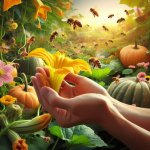
Help! My Pumpkin's Not Fruiting: Pollination Problems and Solutions
If your pumpkin's not fruiting, the most common culprit is pollination problems. To fix this, identify male and female flowers, ensure a healthy pollinator population (bees), and, if necessary, perform hand-pollination to manually transfer pollen. Addressing plant stress and supporting overall flower health are also crucial for successful fruit set.
-
Identifying and Treating Fungal Infections in Pumpkin Plants
Identifying and treating fungal infections in pumpkin plants requires diligent monitoring for specific symptoms like powdery growth, discolored spots, or wilting. To effectively manage, first focus on cultural prevention through proper spacing, watering, and sanitation. Then, apply targeted organic or synthetic fungicides as needed, always confirming the pathogen and following label instructions for safe and effective treatment.
-
Solving the Mystery of Cracking and Splitting in Pumpkins
Solving the mystery of cracking and splitting in pumpkins primarily involves managing inconsistent watering, which causes rapid fluctuations in fruit expansion. To prevent this, provide consistent, deep watering, especially during fruit development, and ensure well-draining soil to avoid waterlogging followed by dry spells.
-
Advertisement
-
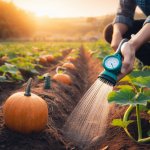
Best Practices for Watering Pumpkin Plants to Prevent Overwatering Problems
To prevent overwatering problems and ensure proper hydration for pumpkin plants, employ best practices like watering deeply and consistently at the base of the plant only when the top few inches of soil are dry. Prioritize well-draining, organic-rich soil, use mulching, and monitor moisture levels carefully with a soil meter, especially during critical growth phases.
-
Understanding the Nutrient Needs of Pumpkin Plants to Avoid Growth Issues
Understanding the nutrient needs of pumpkin plants is crucial to avoid growth issues, as these vigorous growers are heavy feeders requiring a balanced diet. Providing the right amounts of nitrogen, phosphorus, and potassium (NPK), along with essential micronutrients, within an optimal soil pH (6.0-7.0), prevents common problems like yellowing leaves, stunted growth, and poor fruit development.
-
Preventing Powdery Mildew on Your Pumpkins: Tips and Tricks
Preventing powdery mildew on your pumpkins is achievable by implementing cultural practices like choosing resistant varieties, ensuring proper spacing and air circulation, avoiding overhead watering, and maintaining plant vigor. Early detection and targeted organic sprays can manage minor outbreaks if they occur.
-
How to Diagnose and Cure Rot in Pumpkin Plants
To diagnose and cure rot in pumpkin plants, first identify the specific type of rot (e.g., stem, root, crown, or fruit rot) by observing distinct symptoms like discoloration, mushy textures, or fungal growth. Implement immediate solutions such as improving drainage, adjusting watering practices, removing affected plant parts, and applying targeted fungicides or bactericides when appropriate, focusing heavily on prevention through optimal cultural care.
-
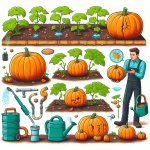
The Ultimate Guide to Managing Pests on Pumpkin Plants
The ultimate guide to managing pests on pumpkin plants involves an integrated pest management (IPM) approach, starting with prevention through healthy cultural practices like crop rotation and proper spacing. Then, regularly monitor for specific pests, identify them correctly, and apply targeted organic or chemical controls only when necessary, prioritizing those that preserve beneficial insects.
-
Why Your Pumpkin Leaves are Turning Yellow and How to Fix It?
If your pumpkin leaves are turning yellow, it's often a sign of stress, most commonly due to nutrient deficiencies (especially nitrogen, iron, or magnesium), improper watering (both too much or too little), or pest and disease infestations. To fix it, first diagnose the exact cause by observing patterns, then implement targeted solutions like adjusting fertilization, correcting watering habits, or treating pests/diseases.
-
10 Common Pumpkin Plant Diseases and How to Treat Them
To identify and fix common pumpkin plant diseases, vigilantly inspect leaves, stems, and fruit for specific symptoms like powdery white growth, spots, or wilting. Implement cultural practices such as proper spacing, watering techniques, and sanitation to prevent most diseases, and apply targeted organic or chemical fungicides only when necessary for treatment.