Plant Problems Gardening Tips and Plant Care
Even the healthiest gardens sometimes face challenges—but identifying and solving plant problems quickly can save your greenery and keep your garden thriving. In our Plant Problems category at GardenBotany.com, we help you recognize common issues like pests, diseases, nutrient deficiencies, and environmental stress, offering clear, practical advice to get your plants back on track. From spotting early symptoms to implementing effective treatments, our guides simplify troubleshooting so you can maintain a lush, healthy garden, indoors and out.
Recent Posts of Plant Problems - Gardening Ideas
-

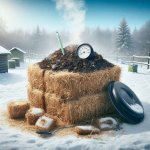
Cold-Weather Composting: A Step-by-Step Guide to Get It Right
Cold-weather composting requires a step-by-step guide to get it right, focusing on maintaining microbial activity despite freezing temperatures. The key is to build a large, well-insulated pile before winter, chop materials finely, and continue adding kitchen scraps, understanding that decomposition will slow down or pause, but resume in spring.
-
Maximizing Growth: Choosing the Right Greenhouse Plants for Winter
Maximizing growth by choosing the right greenhouse plants for winter involves selecting varieties that tolerate lower light, prefer cooler temperatures, and have a shorter daylight hour requirement. Focus on cool-season vegetables, certain herbs, or specific ornamental plants that can thrive in the naturally reduced light and often cooler conditions of an unheated or minimally heated winter greenhouse.
-
Winter Planting Woes: How to Deal with Frost Heave and Soil Erosion
To deal with frost heave and soil erosion, two common winter planting woes, prioritize heavy winter mulching to insulate soil and prevent freeze-thaw cycles. Additionally, establish dense plant cover or groundcovers, use erosion control blankets on slopes, and ensure proper drainage to stabilize soil and keep plants rooted.
-
Advertisement
-
Winter Mulching Techniques: Protecting Your Soil Against Freeze
Winter mulching techniques are essential for protecting your soil against freeze, insulating plant roots, and preventing damaging freeze-thaw cycles. Key strategies involve applying a thick layer of organic mulch (like straw or shredded leaves) after the ground has frozen, ensuring the mulch is breathable and kept away from plant crowns to prevent rot.
-
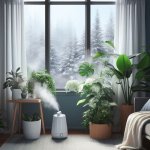
Top Mistakes to Avoid with Winter Indoor Gardening
To avoid the top mistakes with winter indoor gardening, gardeners must drastically reduce watering frequency, cease or significantly reduce fertilization, and actively provide supplemental light and increased humidity. Ignoring these crucial seasonal adjustments leads to root rot, leggy growth, and pest infestations that can quickly decimate houseplants.
-
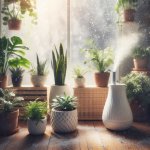
Indoor Plant Care: How to Keep Houseplants Healthy in Winter
To keep houseplants healthy in winter, the key is to adjust your care routine significantly to account for reduced light, lower humidity, and cooler indoor temperatures. Focus on less frequent watering, providing supplemental light and increased humidity, and avoiding fertilization during their dormant or semi-dormant period.
-
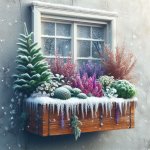
The Do's and Don'ts of Winter Window Box Planting
For successful winter window box planting, the crucial do's include selecting cold-hardy and evergreen plants, prioritizing texture and form over flowers, and providing excellent drainage and insulation. The key don'ts involve avoiding tender plants, overwatering, or neglecting winter care, as these can quickly lead to plant failure in freezing temperatures.
-
Overwintering Perennials: Tips for Keeping Your Garden Alive in the Cold
Overwintering perennials for your garden involves a strategic approach to prepare them for dormancy, provide crucial insulation against freezing temperatures, and protect against desiccation. Key tips include proper fall cleanup, applying a thick layer of mulch, managing moisture, and sometimes lifting tender varieties or bringing container plants indoors to keep your garden alive through the cold.
-
Protecting Your Plants from Winter's Chill: The Ultimate Guide
Protecting your plants from winter's chill requires a strategic approach that involves understanding your USDA hardiness zone, selecting cold-hardy species, providing adequate insulation, managing moisture levels, and implementing protective covers. This ultimate guide offers various methods to shield vulnerable plants from frost, desiccation, and damaging winter conditions, ensuring their survival and vigorous return in spring.
-
Common Winter Planting Problems and How to Prevent Them
Common winter planting problems, ranging from frost damage and root desiccation to poorly draining soils and pest infestations in protected spaces, can severely hinder plant survival and growth. To prevent these issues, successful winter planting relies on choosing cold-hardy plants, providing adequate insulation, managing moisture carefully, and preparing your garden beds or protected environments meticulously.