Plant Problems Gardening Tips and Plant Care
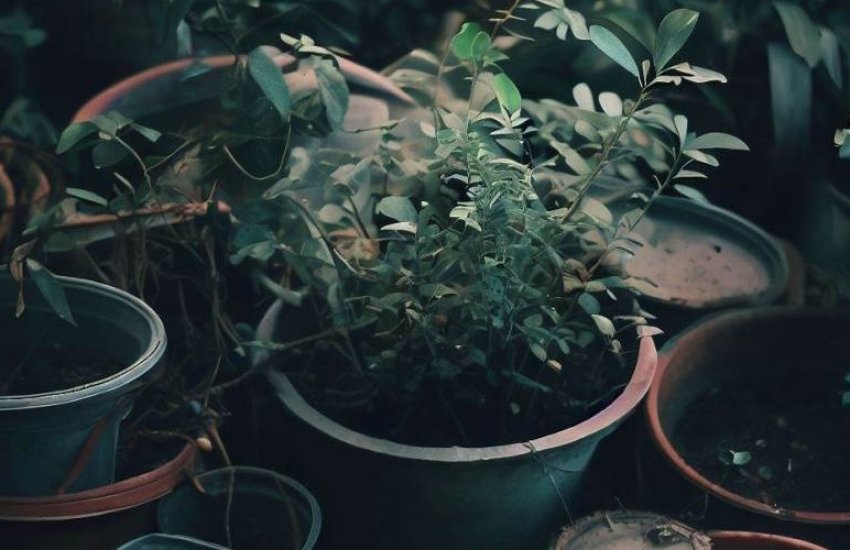
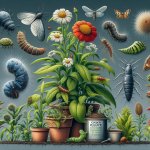
Even the healthiest gardens sometimes face challenges—but identifying and solving plant problems quickly can save your greenery and keep your garden thriving. In our Plant Problems category at GardenBotany.com, we help you recognize common issues like pests, diseases, nutrient deficiencies, and environmental stress, offering clear, practical advice to get your plants back on track. From spotting early symptoms to implementing effective treatments, our guides simplify troubleshooting so you can maintain a lush, healthy garden, indoors and out.
Recent Posts of Plant Problems - Gardening Ideas
-

Unmasking Plant Pests: A Guide to Identification
Recognizing plant pests quickly is crucial for healthy plants, and often the first signs appear as leaf damage, discoloration, or stunted growth. Early identification allows for targeted and effective treatment, preventing widespread infestation and potential plant loss.
-
Unveiling the Culprits: Exploring Common Plant Diseases
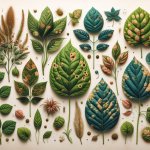
To unveil the culprits: exploring common plant diseases, it's essential to understand that most plant illnesses are caused by fungi, bacteria, or viruses, often triggered by environmental stress. Recognizing early symptoms like leaf spots, wilting, or stunted growth is key to accurate diagnosis and effective treatment to protect your garden.
-
Spotting and Treating Nutrient Deficiencies in Plants
Spotting and treating nutrient deficiencies in plants requires careful observation of specific leaf discoloration patterns, as these visual cues indicate missing essential elements. The primary solution involves conducting a soil test to confirm deficiencies and soil pH, then applying targeted fertilizers or amendments to restore the correct balance and ensure healthy plant growth.
-
Advertisement
-
Managing Aphid Infestations: Natural Remedies and Prevention
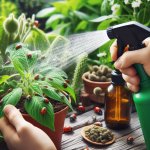
Managing aphid infestations involves a combination of natural remedies and prevention, starting with vigilant monitoring and fostering beneficial insects. For active infestations, use strong water blasts, hand-wiping, or targeted organic sprays like insecticidal soap or neem oil. Prevention relies on healthy plants, proper fertilization, and diversifying your garden to attract predators.
-
Understanding Root Rot: Prevention and Treatment Techniques
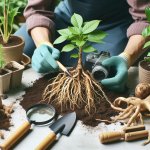
Understanding root rot is crucial for any gardener, as it's a common and often fatal plant disease. Prevention primarily involves correct watering habits, using well-draining soil and pots with drainage holes, and improving soil aeration. Treatment, if caught early, focuses on carefully pruning away diseased roots and repotting into fresh, dry soil.
-
Dealing with Fungal Infections: Tips for Healthy Plants
Dealing with fungal infections and ensuring healthy plants involves a comprehensive approach focused on prevention through optimal cultural practices like proper spacing, watering, and sanitation. When infections do occur, early identification and targeted treatments using organic or synthetic fungicides, coupled with removing affected plant parts, are crucial for effective control.
-
Troubleshooting Leaf Discoloration: A Guide for Gardeners
Troubleshooting leaf discoloration requires a systematic approach, as it's a primary indicator of plant stress. This guide helps gardeners identify the cause by observing the pattern and location of discoloration, checking watering habits and soil conditions, and inspecting for pests or diseases, then applying targeted solutions to restore plant health.
-
10 Common Plant Pests: Identification and Control Strategies
To identify and control 10 common plant pests, vigilantly inspect your plants for specific signs of damage and visible insects. Implement an integrated pest management (IPM) strategy that prioritizes cultural practices, manual removal, and biological controls, using targeted organic or chemical treatments only when necessary to minimize harm to beneficial insects and the environment.
-
Tulip Troubleshooting: Common Issues and Solutions for Keeping Your Arrangements Fresh
Tulip troubleshooting helps you identify and fix common issues that prevent your tulip arrangements from looking their best. The most frequent problems involve wilting, stems bending too much, or blooms opening too quickly, all of which can often be solved with proper conditioning, consistent hydration, and careful placement.
-
Common Houseplant Pests and How to Get Rid of Them Naturally
Dealing with common houseplant pests is an inevitable part of plant parenthood, but you can effectively get rid of them naturally using a combination of vigilant monitoring, good cultural practices, and organic treatments. Early detection and consistent non-toxic interventions are key to protecting your beloved indoor plants.