
Pill Bugs: The Good, the Bad, and the Ugly
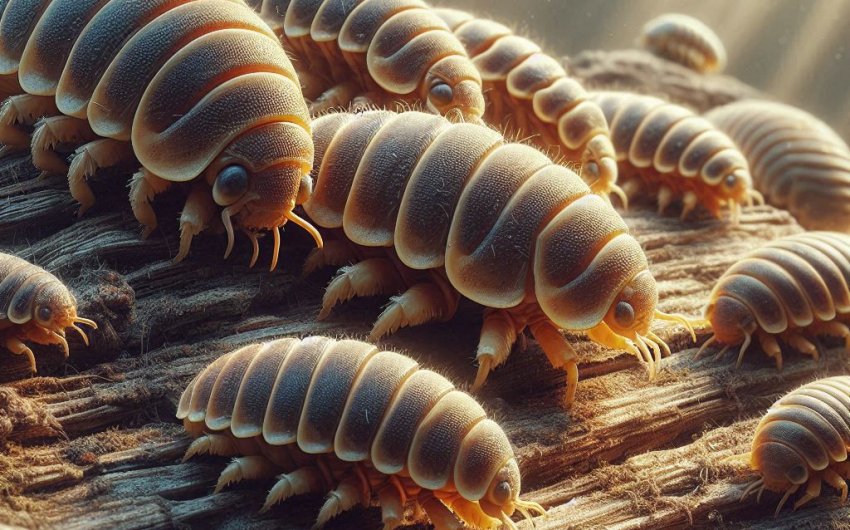
In the world of gardening, pill bugs often get a mixed reputation. Known for their ability to roll into a ball when disturbed, these small crustaceans are commonly found in gardens, under logs, rocks, and leaf litter. Also referred to as roly-polies, woodlice, or sow bugs, pill bugs are part of the Isopoda order and are one of the few crustaceans that can live entirely on land.
Whether you're a seasoned gardener or a beginner, understanding the role of pill bugs in your garden can help you better manage their presence. In this guide, we'll break down the good, the bad, and the ugly aspects of pill bugs and offer tips on how to manage them effectively.
What Are Pill Bugs?
Pill bugs are small, oval-shaped crustaceans that measure about ¼ to ½ inch in length. They have hard, segmented exoskeletons and seven pairs of legs. Unlike many other pests, pill bugs are not insects but crustaceans, related to crabs and lobsters. What makes them unique is their ability to survive on land, where they prefer moist environments.
Their most distinctive feature is the ability to curl into a tight ball when threatened, which is a defense mechanism against predators. Pill bugs typically have dark gray or brownish bodies, though their color can vary depending on the species and environment.
Find pest identification tools to help identify pill bugs in your garden.
The Life Cycle of Pill Bugs
Understanding the life cycle of pill bugs is important for managing them effectively. Like most crustaceans, pill bugs undergo several developmental stages, from egg to adult.
1. Egg Stage
Female pill bugs carry their eggs in a specialized pouch on the underside of their bodies, called the marsupium. This pouch keeps the eggs moist and protected until they hatch. The incubation period lasts about 3 to 4 weeks, after which the young pill bugs, called mancae, are born fully formed but much smaller than adults.
2. Mancae Stage
Once the eggs hatch, the young mancae stay close to their mother for several days. During this stage, the mancae resemble miniature versions of adult pill bugs but lack the ability to roll into a ball. As they grow, they molt several times, shedding their exoskeletons to accommodate their larger size.
3. Adult Stage
Adult pill bugs reach maturity after their final molt, at which point they are fully capable of rolling into a ball when disturbed. Pill bugs have a lifespan of about 2 to 3 years, during which they continue to molt, grow, and reproduce. They are most active during the night when the humidity is higher, and they typically hide during the day to avoid drying out.
Check out insect lifecycle charts to track pill bug development in your garden.
The Good: How Pill Bugs Benefit Your Garden
While pill bugs are often viewed as pests, they actually play several important roles in the garden ecosystem. Here are some of the ways pill bugs can be beneficial to your garden:
1. Decomposers of Organic Matter
One of the most important roles pill bugs play in the garden is as decomposers. These critters feed on decaying organic matter, including dead leaves, rotting wood, and plant debris. By breaking down this material, pill bugs help return valuable nutrients to the soil, enriching the garden and improving plant health.
As they feed, pill bugs contribute to the decomposition process, speeding up the breakdown of organic material and turning it into rich, nutrient-dense soil that plants can use.
Use compost bins to complement the natural decomposition process in your garden.
2. Soil Aeration
As pill bugs move through the soil and mulch, they help aerate the soil, creating tiny tunnels and pathways. This improves soil structure by increasing airflow, promoting drainage, and making it easier for plant roots to access water and nutrients. Good soil aeration is essential for healthy root growth, and pill bugs can play a role in maintaining this balance.
Their tunneling also helps break up compacted soil, which can be beneficial in gardens with heavy clay or poor drainage.
Find soil aerators to further improve soil structure and aeration in your garden.
3. Reducing Plant Disease
By consuming decaying plant matter, pill bugs help remove potential breeding grounds for plant diseases. Rotting leaves and debris can harbor harmful pathogens and fungi, which can spread to healthy plants. By cleaning up this material, pill bugs reduce the likelihood of plant diseases spreading throughout your garden.
Their ability to feed on mold and fungus also makes them useful in reducing the spread of diseases that thrive in damp, decaying environments.
Use disease control products to protect your garden from plant pathogens and fungal growth.
The Bad: How Pill Bugs Can Harm Your Garden
While pill bugs provide some benefits, they can also cause problems, particularly when their populations grow out of control. In large numbers, pill bugs may start to feed on live plant material, which can lead to damage in your garden.
1. Damage to Seedlings
One of the main concerns with pill bugs is their potential to feed on tender seedlings. Young plants with soft, juicy stems and leaves are particularly vulnerable to pill bug feeding. In some cases, pill bugs will nibble on the base of seedlings, causing them to collapse and die.
If you notice that newly planted seedlings are being damaged or disappearing overnight, pill bugs may be the culprit, especially if they are present in high numbers.
Get seedling protectors to shield young plants from pill bug damage.
2. Feeding on Fruits and Vegetables
While pill bugs primarily feed on decaying matter, they can also be attracted to ripe or overripe fruits and vegetables lying on the ground. This is especially common in gardens where strawberries, tomatoes, and zucchini are grown. The soft, moisture-rich flesh of these crops can be irresistible to pill bugs, particularly in wet conditions.
If you notice small, irregular holes or gnawed sections on your fruits and vegetables, pill bugs may be to blame.
Use fruit cages to protect your crops from pill bugs and other pests.
3. Attracting Other Pests
Because pill bugs thrive in moist, decaying environments, their presence in large numbers can attract other pests to your garden. For example, slugs, snails, and other moisture-loving pests may be drawn to the same damp, organic-rich areas that pill bugs inhabit. This can lead to an overall increase in pest activity, which may result in additional damage to your plants.
Check out pest repellent products to reduce the risk of pest infestations in your garden.
The Ugly: Managing Pill Bug Infestations
While small numbers of pill bugs are generally harmless and can even benefit your garden, larger infestations can cause significant problems. If pill bugs are causing damage to your plants or crops, it’s important to take steps to manage their population.
1. Remove Moisture and Debris
Pill bugs are highly dependent on moisture for survival, as they are prone to dehydration. One of the simplest ways to reduce pill bug populations is to limit their access to damp environments. This means removing excess moisture and debris from your garden, particularly around the base of plants.
Clear away fallen leaves, decaying plant matter, and old mulch, as these materials create the ideal habitat for pill bugs. Reducing the amount of moist organic matter will make your garden less attractive to these pests.
Use garden rakes to easily remove debris and reduce pill bug habitat.
2. Avoid Overwatering
Overwatering your garden can create the moist, damp conditions that pill bugs need to thrive. Be mindful of your watering habits and avoid watering in the late evening, as this can leave the soil damp overnight, encouraging pill bug activity. Instead, water your plants in the early morning to allow the soil to dry out during the day.
Consider using a drip irrigation system to water plants at the root level, reducing surface moisture that attracts pill bugs.
Purchase drip irrigation systems to efficiently water your garden while minimizing pest issues.
3. Trap Pill Bugs
If you have a significant pill bug problem, setting traps can help reduce their numbers. You can make simple traps using slices of raw potato or carrot, which will attract pill bugs looking for moisture. Place these vegetable slices in your garden, and check them regularly to remove any pill bugs that have gathered.
You can also use shallow dishes filled with beer or apple cider vinegar, which attract pill bugs and other pests like slugs. The pests will crawl into the liquid and drown.
Use garden pest traps to catch pill bugs and reduce their population.
4. Apply Diatomaceous Earth
Diatomaceous earth is a natural powder made from the fossilized remains of diatoms, a type of algae. It is highly effective at controlling pill bugs and other soft-bodied pests. When pill bugs come into contact with diatomaceous earth, the sharp particles damage their exoskeletons, causing them to dehydrate and die.
Sprinkle a thin layer of diatomaceous earth around the base of your plants, paying special attention to areas where you’ve noticed high pill bug activity. Be sure to reapply after rain or watering, as moisture can reduce its effectiveness.
Shop for diatomaceous earth to control pill bugs and other pests in your garden.
5. Use Beneficial Nematodes
Beneficial nematodes are microscopic worms that naturally control soil-dwelling pests, including pill bugs. When applied to the soil, these nematodes enter the bodies of pill bugs and other pests, releasing bacteria that kill them from the inside out. This method is safe for humans, pets, and beneficial insects, making it an eco-friendly option for pest control.
Apply beneficial nematodes in the early spring or fall, when pill bugs are most active.
Buy beneficial nematodes to naturally control pill bugs in your garden.
6. Create Barriers
Physical barriers can help keep pill bugs away from your vulnerable plants, particularly seedlings and young crops. You can create a barrier by placing a ring of sand or gravel around the base of your plants. Pill bugs are less likely to cross these dry, rough surfaces, as they are prone to dehydration.
Alternatively, you can use copper tape or plastic collars around the base of your plants to create an impassable barrier for pill bugs and other crawling pests.
Check out garden barriers to protect your plants from pill bug infestations.
7. Apply Insecticides
If your pill bug infestation is severe and other methods have failed, you may need to resort to using insecticides. Look for insecticides labeled for use against pill bugs, sow bugs, or woodlice. Organic insecticides such as pyrethrin can be effective, while more potent chemical insecticides may be necessary for extreme infestations.
Be sure to follow the instructions on the label carefully, and avoid using broad-spectrum insecticides that can harm beneficial insects like bees and ladybugs.
Find organic insecticides to control pill bugs while preserving beneficial insects.
Preventing Future Pill Bug Infestations
Once you’ve managed to control a pill bug infestation, it’s important to take steps to prevent future problems. By maintaining a balanced, healthy garden, you can reduce the likelihood of pill bugs becoming a persistent issue.
1. Maintain Good Garden Hygiene
One of the best ways to prevent pill bugs from taking over your garden is to maintain good garden hygiene. This means regularly clearing away dead leaves, plant debris, and decaying matter that could serve as a food source or habitat for pill bugs. Keep mulch layers thin, and avoid piling it too close to plant stems.
Get essential garden cleaning tools to keep your garden tidy and free of pill bug habitats.
2. Monitor Moisture Levels
Since pill bugs are highly dependent on moisture, monitoring and controlling the moisture levels in your garden is key to preventing infestations. Avoid overwatering, and ensure that your garden has proper drainage to prevent water from pooling around plants.
Use moisture meters to monitor soil moisture and avoid overwatering your plants.
3. Attract Beneficial Predators
Encouraging beneficial predators, such as frogs, toads, and ground beetles, can help keep pill bug populations under control naturally. These predators feed on pill bugs and other small pests, reducing their numbers without the need for chemical interventions.
Create a habitat that supports these predators by providing water sources, shelter, and a diverse range of plants.
Shop for wildlife habitats to attract beneficial predators to your garden.