
How Can I Prevent My Pothos from Developing Root Rot?
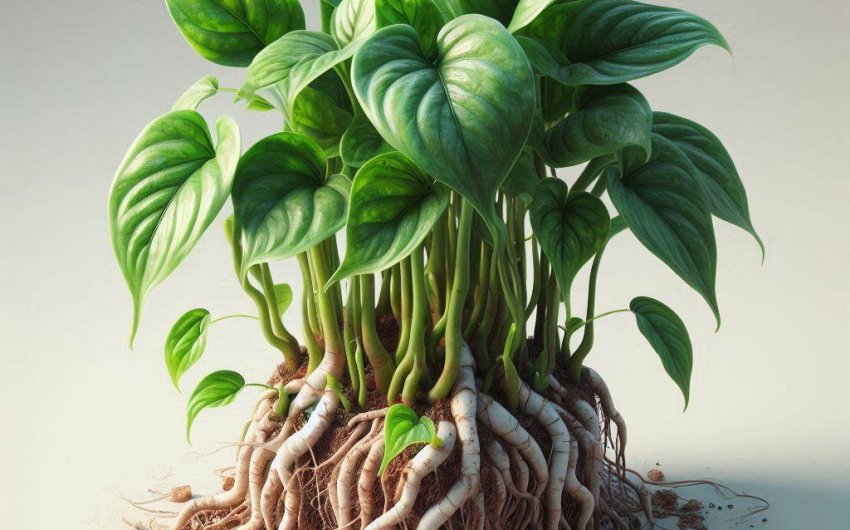
Pothos (Epipremnum aureum), also known as Devil's Ivy, is one of the most popular houseplants, prized for its easy-care nature and ability to thrive in low-light environments. However, like many indoor plants, pothos is susceptible to root rot, a condition that can quickly kill your plant if not addressed. Preventing root rot is crucial for keeping your pothos healthy and vibrant.
In this guide, we'll explore how to prevent root rot in your pothos, covering the causes, symptoms, and essential steps for keeping your plant's roots strong and disease-free.
What Is Root Rot?
Root rot is a plant disease primarily caused by overwatering or poorly draining soil. When a plant’s roots are left sitting in water for too long, they can begin to rot due to lack of oxygen. This creates the perfect environment for fungi and bacteria to invade the roots, leading to root rot. In severe cases, root rot can spread through the entire root system, ultimately killing the plant.
Common pathogens responsible for root rot include species of Pythium, Phytophthora, and Rhizoctonia, all of which thrive in waterlogged soil conditions. These pathogens cause the roots to turn mushy and brown or black, making it difficult for the plant to absorb nutrients and water properly.
Use fungicide treatments to protect your pothos from fungal infections.
Causes of Root Rot in Pothos
Before diving into prevention strategies, it’s important to understand the main causes of root rot in pothos. Identifying and correcting these causes will help you maintain a healthy root system.
1. Overwatering
The number one cause of root rot in pothos is overwatering. While pothos plants enjoy moist soil, they do not tolerate sitting in water for extended periods. When the soil is too wet, it cuts off oxygen to the roots, leading to suffocation and decay. Over time, this creates the ideal conditions for fungal growth.
Many gardeners tend to overwater their plants without realizing it, especially when trying to care for a low-maintenance plant like pothos. It’s essential to strike a balance between providing enough water and allowing the soil to dry out between waterings.
Find reliable moisture meters to monitor soil moisture and prevent overwatering.
2. Poorly Draining Soil
Pothos thrives in well-draining soil that allows water to flow through easily. Using a dense, heavy potting mix that retains too much water can lead to waterlogged roots and increase the risk of root rot. If the soil holds excess moisture, the roots will remain wet for too long, which suffocates them and creates an environment ripe for fungal infections.
It's important to choose the right type of soil to ensure proper drainage, which helps prevent root rot from developing.
Purchase well-draining potting mix specifically formulated for houseplants like pothos.
3. Inadequate Drainage in Pots
Even with the right potting mix, using containers that don’t have proper drainage holes can trap water at the bottom, causing the roots to stay wet for too long. Pothos should be potted in containers with adequate drainage to allow excess water to escape, ensuring that the soil remains balanced between moisture and air.
If your pot lacks drainage holes, water can pool at the bottom, leading to soggy soil and ultimately root rot.
Get pots with drainage holes to ensure your pothos has proper drainage.
4. Incorrect Watering Schedule
Another factor that contributes to root rot is an inconsistent or incorrect watering schedule. Watering your pothos too frequently or too infrequently can cause stress on the plant. Overwatering floods the roots, while underwatering can lead to dryness and improper root development. Striking a balance by following a consistent watering schedule will help prevent both extremes.
The best way to determine when to water your pothos is to check the moisture level of the soil. Allow the top inch of the soil to dry out before watering again.
Use a watering can with a precision spout to control the amount of water you give to your pothos.
5. Cold Temperatures
Pothos plants are sensitive to cold temperatures, and exposure to cold drafts or sudden temperature drops can stress the plant and make it more susceptible to root rot. Cold environments can also slow down the plant’s ability to absorb water, leaving the roots sitting in wet soil for longer than usual.
Ideally, keep your pothos in a warm environment with temperatures between 60°F and 85°F, and avoid placing it near cold windows or doors.
Find indoor thermometers to monitor your plant's environment and maintain optimal temperatures.
Symptoms of Root Rot in Pothos
Recognizing the early symptoms of root rot is essential for taking quick action and saving your pothos. Here are some common signs that your plant may be suffering from root rot:
1. Yellowing Leaves
One of the first symptoms of root rot is yellowing leaves. If your pothos starts developing yellow leaves despite being watered correctly, it may be a sign that the roots are unable to absorb nutrients due to rot. The leaves may also feel soft and droopy as the plant struggles to take in water.
Get plant nutrient supplements to support your pothos and strengthen its resistance to stress.
2. Soft or Mushy Stems
As root rot progresses, the stems of the pothos may begin to soften and turn mushy. This happens when the rot spreads from the roots to the stem base, causing the plant’s vascular system to break down. Soft, mushy stems are a clear indicator that the plant is struggling with severe root rot.
3. Foul Odor from the Soil
A common symptom of root rot is a foul, musty smell coming from the soil. This odor is caused by decaying roots and the presence of fungi or bacteria. If your pothos’s soil smells sour or rotten, it’s a strong indication that the roots are rotting and that the plant is in danger.
Use soil conditioners to refresh your soil and prevent fungal infections.
4. Brown or Black Roots
Healthy pothos roots are white or light tan in color, but when root rot sets in, the roots turn brown, black, and mushy. You can check the condition of the roots by gently removing the plant from its pot and examining the root system. If the roots are discolored or falling apart easily, your plant is suffering from root rot.
Get root health testers to monitor your plant’s root condition and prevent damage.
How to Prevent Root Rot in Pothos
Preventing root rot in your pothos requires a combination of proper watering practices, well-draining soil, and the right environmental conditions. Follow these steps to keep your plant healthy and root-rot-free.
1. Water Properly
Proper watering is the key to preventing root rot in your pothos. Allow the top inch of soil to dry out between waterings, and be sure to water the plant thoroughly without leaving excess water in the saucer. Avoid watering on a set schedule and instead monitor the soil’s moisture level to determine when the plant needs water.
Overwatering is the leading cause of root rot, so always err on the side of caution when watering your pothos.
Find high-quality watering cans that provide controlled water flow to prevent overwatering.
2. Use Well-Draining Potting Mix
Choosing the right soil is crucial for preventing root rot. Pothos thrives in well-draining potting mixes that allow water to flow freely through the soil. A good potting mix for pothos typically includes components such as perlite, coconut coir, or orchid bark, all of which promote excellent drainage.
Avoid using heavy garden soils or compacted potting mixes that retain too much moisture, as this can lead to waterlogged roots.
Purchase well-draining potting mix specifically designed for indoor plants like pothos.
3. Ensure Proper Drainage in Pots
In addition to using the right soil, it's essential to choose pots with proper drainage. Pots with drainage holes allow excess water to escape, preventing it from pooling at the bottom and keeping the roots dry. If your pot doesn’t have drainage holes, consider drilling them yourself or repotting your pothos in a container that offers better drainage.
You can also place a layer of small pebbles or gravel at the bottom of the pot to improve drainage further.
Shop for pots with drainage holes to keep your pothos roots dry and healthy.
4. Avoid Watering from Below
While bottom watering can be a useful technique for some plants, it can contribute to root rot in pothos. Bottom watering involves placing the pot in a saucer of water, allowing the soil to absorb moisture from below. However, this method can lead to uneven moisture distribution and may cause the lower roots to become waterlogged.
Stick to top watering, where water is applied directly to the soil’s surface and allowed to drain through the pot, to avoid excessive moisture buildup.
Use self-watering planters to ensure proper water distribution for your pothos.
5. Repot Regularly
Repotting your pothos every 1-2 years helps prevent root rot by ensuring that the plant has fresh, well-draining soil and plenty of room for root growth. Over time, soil can become compacted and lose its ability to drain water properly, which can lead to water retention and root rot.
When repotting, always check the roots for any signs of rot, and remove any damaged or decayed roots before placing the plant in fresh soil.
Get repotting kits to make the repotting process easier and more efficient.
6. Monitor Humidity and Temperature
Pothos thrives in moderate humidity levels and temperatures between 60°F and 85°F. Excessively high humidity or cold drafts can cause the soil to stay moist for too long, increasing the risk of root rot. Monitor the humidity levels in your home, especially during the winter months when heaters can dry out the air, and avoid placing your plant in overly humid environments.
If you live in a dry climate, consider using a humidifier to maintain optimal humidity levels for your pothos.
Find indoor humidifiers to maintain the ideal moisture levels for your pothos.
7. Treat Fungal Infections Early
If you suspect that your pothos is developing root rot due to a fungal infection, it’s essential to act quickly to prevent the spread of the disease. Remove the plant from its pot, trim away any affected roots, and treat the remaining healthy roots with a fungicide. Repot the plant in fresh, well-draining soil, and reduce watering to allow the roots to recover.
Use fungicide treatments to prevent and treat fungal root infections in your pothos.
How to Save a Pothos with Root Rot
If your pothos is already suffering from root rot, don't worry—there’s still a chance to save it with the right care. Here's what you can do:
1. Remove the Plant from Its Pot
Carefully remove the pothos from its pot and gently shake off the excess soil. Be sure to handle the plant delicately to avoid damaging any healthy roots.
2. Trim Away Affected Roots
Inspect the roots and cut away any that appear mushy, black, or rotten. Use sterilized scissors or pruning shears to trim the damaged roots, making sure to leave only healthy, firm roots behind.
Get sharp pruning shears to safely remove damaged roots from your pothos.
3. Repot in Fresh Soil
After trimming the roots, repot the pothos in fresh, well-draining soil. Choose a pot with drainage holes and fill it with a potting mix that promotes good airflow and water retention.
4. Water Sparingly
Once repotted, water the pothos lightly to settle the soil, but avoid soaking the roots. Allow the soil to dry out slightly before watering again to give the plant time to recover.
Use watering cans with a narrow spout to control the amount of water you give your recovering pothos.
5. Provide Proper Light
Place the recovering pothos in a location with bright, indirect light to encourage healthy growth. Avoid exposing the plant to direct sunlight, which can stress the roots further.
Check out grow lights to provide consistent light for indoor plants during recovery.