
Grape Phylloxera: A Major Threat to Vineyards
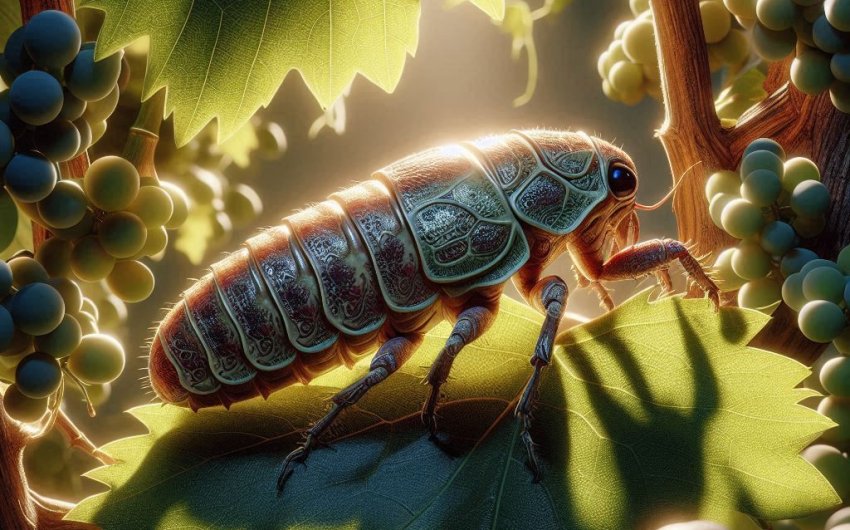
Grape phylloxera (Daktulosphaira vitifoliae) is a small, aphid-like insect that poses a serious threat to vineyards worldwide. Originally native to North America, this destructive pest has devastated grapevines across Europe, Australia, and parts of Asia. For vineyard owners, winemakers, and grape enthusiasts, grape phylloxera is a name synonymous with the catastrophic vineyard damage it can cause.
Understanding how grape phylloxera operates, the types of damage it inflicts, and the measures you can take to manage or prevent infestations is essential for anyone involved in viticulture. In this guide, we will explore everything you need to know about grape phylloxera: its life cycle, the symptoms of infestation, and the most effective ways to control and prevent this pest.
What Is Grape Phylloxera?
Grape phylloxera is a tiny insect that feeds on the roots and leaves of grapevines, causing widespread damage to vineyards. Despite its small size (less than 1 mm), it is one of the most destructive pests in the grape-growing industry. The insect can devastate entire vineyards by feeding on the sap from grapevine roots and leaves, leading to vine weakening, disease, and death.
This pest primarily targets Vitis vinifera, the European grape species most commonly used for winemaking. While North American grape species, such as Vitis labrusca, have developed resistance to phylloxera, European vines are highly susceptible, making them particularly vulnerable to infestation.
Get reliable pest identification tools to accurately identify grape phylloxera in your vineyard.
The History of Grape Phylloxera
The story of grape phylloxera is one of the most dramatic in the history of agriculture. In the mid-19th century, phylloxera was inadvertently introduced to Europe from North America through imported grapevines. This pest quickly spread throughout the continent, devastating vineyards in France, Italy, and Spain. The destruction was so extensive that entire wine industries were nearly wiped out.
The European wine industry responded by grafting Vitis vinifera vines onto the rootstocks of resistant American grape species. This practice, still common today, allowed vineyards to continue producing high-quality wine while protecting the plants from phylloxera.
Purchase grafting tools to help protect your vineyard from grape phylloxera by grafting resistant rootstocks.
The Life Cycle of Grape Phylloxera
Understanding the life cycle of grape phylloxera is essential for managing infestations. The pest goes through multiple life stages, including egg, nymph, and adult, with each stage contributing to its destructive behavior.
1. Egg Stage
The phylloxera life cycle begins when females lay eggs on the roots or leaves of the grapevine. In the case of root-feeding phylloxera, the eggs are deposited on the underground roots, where they remain protected from environmental factors. The eggs are small and oval-shaped, and they hatch after 7 to 10 days, depending on temperature and other conditions.
Find high-quality vineyard soil probes to help monitor soil health and detect early signs of phylloxera eggs in the soil.
2. Nymph Stage
Once the eggs hatch, the young nymphs begin feeding on the roots or leaves of the vine. These nymphs are particularly destructive, as they continuously feed on the sap of the plant, causing damage to the vine's vascular system. As they grow, the nymphs undergo several molts before reaching adulthood.
Nymphs that attack the roots cause the most damage, leading to root galls, decreased nutrient uptake, and overall vine weakening. Nymphs that feed on the leaves cause less damage but can still hinder photosynthesis and overall plant health.
Use organic insecticides to target phylloxera nymphs before they cause significant damage to grapevines.
3. Adult Stage
After molting, the nymphs reach adulthood. Adult phylloxera are either winged or wingless, depending on their role in reproduction. Winged adults are responsible for dispersing the population to new vines, while wingless adults continue to feed on the roots and lay eggs.
The adult stage is when grape phylloxera is most prolific, with females capable of laying hundreds of eggs throughout their lifetime. This rapid reproduction rate makes controlling phylloxera populations challenging, especially in large vineyards.
Get effective vineyard pest control products to manage adult phylloxera infestations.
Damage Caused by Grape Phylloxera
The damage caused by grape phylloxera depends on whether the insects are feeding on the roots or leaves of the vine. However, root-feeding phylloxera is by far the most destructive, with the potential to kill vines if left untreated.
1. Root Damage
Root-feeding grape phylloxera cause the most significant harm to grapevines. The insects feed on the roots, creating galls and lesions that disrupt the vine's ability to absorb water and nutrients. Over time, this weakens the plant, causing it to yellow, wilt, and eventually die.
As the root system deteriorates, secondary infections from fungi and bacteria may occur, accelerating the plant's decline. Root damage can be particularly devastating because it is often difficult to detect until the vine shows visible signs of distress.
Purchase root health monitors to detect early signs of root damage caused by phylloxera.
2. Leaf Damage
While root-feeding phylloxera is the most damaging, leaf-feeding phylloxera can still negatively impact grapevines. When the nymphs feed on leaves, they create galls that interfere with the plant's ability to photosynthesize. This can lead to reduced energy production for the vine, hindering fruit development and overall plant vigor.
Although leaf damage is less severe than root damage, it can still affect the quality and yield of the grape harvest, making it an important factor for vineyard managers to monitor.
Find effective leaf insecticides to control leaf-feeding phylloxera and protect your vines.
3. Reduced Grape Yield and Quality
The overall health of the grapevine is severely impacted by phylloxera infestations, leading to reduced grape yields and poorer quality fruit. Vines weakened by root damage are less able to support the growth of large, healthy clusters of grapes. As a result, infested vineyards may experience smaller grape sizes, lower sugar content, and reduced flavor profiles in the fruit.
For winemakers, this can have a direct impact on the quality of the wine produced, as the health of the grapevine is closely tied to the quality of the grapes harvested.
Use vineyard fertilizers to strengthen grapevines and improve fruit yield after a phylloxera infestation.
Identifying Grape Phylloxera Infestations
Early identification of grape phylloxera infestations is critical for minimizing damage and preventing the spread of the pest throughout the vineyard. There are several signs and symptoms to look out for, which can help you detect an infestation before it becomes severe.
1. Root Galls
One of the most telling signs of a phylloxera infestation is the presence of galls on the roots. These galls are swollen, tumor-like growths that form in response to phylloxera feeding. Galls disrupt the root's ability to absorb nutrients and water, leading to poor plant health. They are typically found on younger roots but can eventually spread to older, more established roots as well.
If you suspect a phylloxera infestation, carefully dig around the base of the vine and inspect the roots for galls or other abnormalities.
Get reliable root inspection tools to check for signs of phylloxera damage on your grapevines' roots.
2. Leaf Galls
While root galls are more damaging, leaf galls can also be an indicator of a phylloxera infestation. These small, raised bumps appear on the undersides of the leaves and are caused by the feeding activity of leaf-feeding phylloxera nymphs. Leaf galls can disrupt photosynthesis, which may weaken the vine over time.
If you notice unusual growths on the leaves, inspect the plant more closely to determine whether phylloxera is present.
Use magnifying glasses to closely inspect grape leaves for signs of phylloxera leaf galls.
3. Yellowing and Wilting Vines
As phylloxera damage progresses, the vine may show visible signs of stress, such as yellowing or wilting leaves. These symptoms occur because the plant is unable to take up enough water and nutrients due to root damage. In severe cases, entire sections of the vineyard may exhibit signs of decline, with vines appearing stunted, wilted, or even dead.
Find plant health monitors to track the health of your vines and detect early signs of stress caused by phylloxera.
Preventing Grape Phylloxera Infestations
Preventing a grape phylloxera infestation is far easier than trying to control one after it has taken hold. Fortunately, there are several methods available for preventing the spread of this pest in your vineyard.
1. Grafting on Resistant Rootstocks
One of the most effective ways to prevent grape phylloxera damage is by grafting susceptible Vitis vinifera vines onto the rootstocks of resistant American grape species, such as Vitis labrusca. These resistant rootstocks are less vulnerable to phylloxera feeding, making it more difficult for the pest to cause significant damage to the vines.
This technique has been widely used in Europe and North America since the late 19th century, and it continues to be one of the most reliable ways to protect vineyards from phylloxera.
Shop for grafting kits to start grafting resistant rootstocks onto your grapevines.
2. Quarantine New Plants
If you plan to introduce new plants or cuttings to your vineyard, it's important to quarantine them first. This allows you to inspect the plants for any signs of phylloxera before they come into contact with your existing vines. Even a small infestation can spread rapidly, so quarantining new plants is a vital preventive measure.
Always purchase plants from reputable nurseries that certify their stock as phylloxera-free.
Get plant quarantine supplies to isolate new plants and prevent pest introductions into your vineyard.
3. Monitor Soil and Vines Regularly
Regular monitoring is essential for detecting grape phylloxera early and preventing widespread damage. By inspecting the soil, roots, and leaves of your vines on a routine basis, you can catch signs of infestation before they become severe. Pay particular attention to the roots, as root-feeding phylloxera can cause significant damage without showing visible signs above ground.
Use vineyard soil probes to monitor your soil for signs of pest activity and ensure healthy root systems.
4. Improve Soil Health
Healthy soils are more resistant to phylloxera infestations because they promote robust root systems that can better withstand damage. By improving your vineyard's soil health through proper fertilization, composting, and aeration, you can reduce the likelihood of phylloxera establishing itself.
Avoid over-irrigation, as wet soils can create favorable conditions for phylloxera development. Instead, focus on maintaining a balanced soil moisture level that supports healthy root growth without encouraging pests.
Find soil conditioners to enhance your vineyard's soil quality and promote healthy vines.
Controlling Grape Phylloxera Infestations
If grape phylloxera has already infested your vineyard, immediate action is necessary to prevent further damage. While controlling an established phylloxera infestation can be challenging, there are several strategies you can use to minimize its impact.
1. Apply Insecticides
Chemical control can be effective in managing grape phylloxera, particularly when applied at the nymph stage. Insecticides that target the pest during its active feeding period can help reduce the population before it causes severe damage. However, chemical treatments should be used carefully, as they may also impact beneficial insects in the vineyard.
Use insecticide sprays to control phylloxera and protect your vineyard from further damage.
2. Soil Fumigation
In severe infestations, soil fumigation may be necessary to eliminate phylloxera populations. Fumigation involves injecting gas-based pesticides into the soil to kill phylloxera larvae and eggs. This method is typically used as a last resort, as it can be costly and may affect the soil's microbial health.
Purchase soil fumigants for managing severe phylloxera infestations in your vineyard.
3. Biological Control
In recent years, researchers have explored the use of biological control methods to manage grape phylloxera. Natural predators, such as certain species of mites and nematodes, can help reduce phylloxera populations by preying on the pests in the soil. Introducing these predators to your vineyard can provide an environmentally friendly alternative to chemical treatments.
Shop for beneficial nematodes to naturally control phylloxera in your vineyard.
4. Remove and Replace Infested Vines
In cases where phylloxera has caused extensive damage, it may be necessary to remove and replace heavily infested vines. Removing the affected plants helps prevent the spread of phylloxera to nearby healthy vines. When replacing the vines, consider using grafted plants with resistant rootstocks to prevent future infestations.
Get pruning shears to safely remove heavily infested vines from your vineyard.