
What Can I Do If My Snake Plant Has Soft, Mushy Leaves?
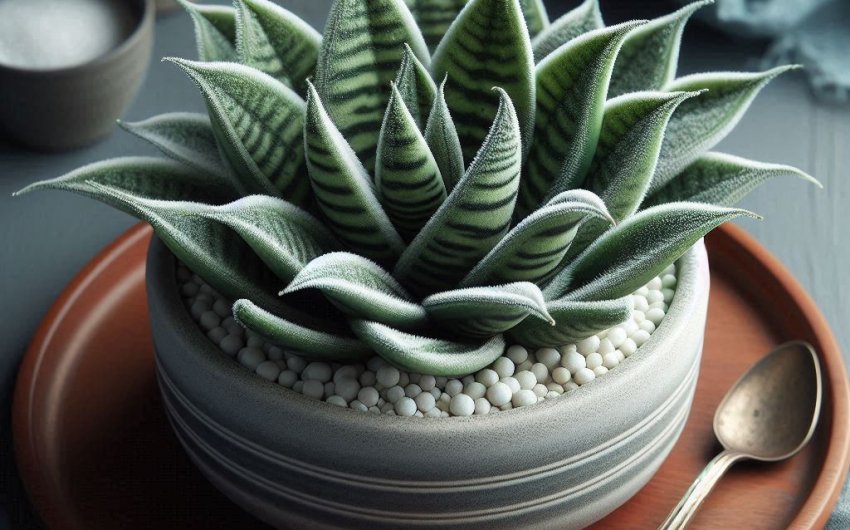
The snake plant (Sansevieria trifasciata), also known as Mother-in-Law's Tongue, is a popular houseplant known for its resilience, low maintenance needs, and striking appearance. However, even the most hardy plants can suffer from problems, and one common issue is soft, mushy leaves. Snake plants are typically characterized by their firm, upright, and fleshy leaves, so when you notice them becoming soft or mushy, it’s a sign that something is wrong.
In this guide, we'll explore the causes of soft, mushy leaves in snake plants, how to identify the root of the problem, and the best steps to save your plant from further damage.
Causes of Soft, Mushy Leaves in Snake Plants
Soft, mushy leaves on a snake plant are usually a symptom of an underlying issue, often related to watering, disease, or environmental stress. Understanding the cause of the problem is crucial for taking the right steps to restore your snake plant's health.
1. Overwatering
Overwatering is the most common cause of soft, mushy leaves in snake plants. These plants are adapted to arid environments, and their thick, succulent-like leaves are designed to store water. When they receive too much water, the excess moisture can cause the roots to become waterlogged and lead to root rot, which then spreads to the leaves, making them soft and mushy.
Signs of overwatering include:
- Wet or soggy soil that remains damp for days after watering.
- Yellowing leaves that feel soft to the touch.
- Mushy, darkened roots.
Use moisture meters to accurately monitor soil moisture levels and prevent overwatering.
Advertisement
2. Poor Drainage
Even if you are watering your snake plant properly, poor drainage can still lead to root rot and mushy leaves. If the pot does not have adequate drainage holes, or if the soil retains too much water, the plant's roots may remain waterlogged, depriving them of oxygen and causing them to decay. This often results in the leaves becoming soft and mushy as the plant struggles to cope with the stress.
Using a pot with drainage holes and a well-draining potting mix is essential to prevent water from accumulating around the roots.
Find pots with drainage holes to ensure your snake plant is properly drained and protected from waterlogging.
3. Root Rot
Root rot is a fungal disease that commonly affects overwatered plants. It occurs when the plant’s roots sit in water for too long, leading to the development of rot-causing fungi such as Pythium or Phytophthora. As the roots begin to rot, they lose their ability to take up water and nutrients, which leads to the leaves softening, becoming mushy, and eventually dying.
You can identify root rot by checking the roots of your snake plant. Healthy roots are white and firm, while rotting roots will appear dark, mushy, and may emit a foul odor.
Purchase fungicide treatments to help treat root rot and prevent further damage to your snake plant.
4. Cold Temperatures
Snake plants are tropical plants and thrive in warm environments. Exposure to cold drafts or sudden drops in temperature can stress the plant and cause the leaves to become soft and mushy. Temperatures below 50°F (10°C) can be particularly harmful, as the cold can damage the plant’s cell structure, leading to softening of the leaves.
If your snake plant has been exposed to cold temperatures, it’s important to move it to a warmer location where it can recover.
Get indoor thermometers to monitor your home’s temperature and ensure it stays within a suitable range for your snake plant.
5. Fungal or Bacterial Infections
Aside from root rot, snake plants can also suffer from other fungal or bacterial infections, particularly if the plant is overwatered or kept in a humid environment. These infections can cause leaf spots, wilting, and soft, mushy leaves. Fungal infections often start as small spots on the leaves and spread, eventually causing the tissue to break down.
Bacterial infections can lead to similar symptoms, often accompanied by a slimy or sticky texture on the affected leaves.
Use antifungal sprays to treat fungal infections on your snake plant and protect it from further damage.
6. Poor Air Circulation
Poor air circulation can contribute to moisture buildup on the leaves, which may lead to fungal infections and mushy leaves. If your snake plant is kept in a room with little air movement, particularly in humid environments, it may be more prone to diseases that affect the leaves and roots.
Make sure your plant is placed in a well-ventilated area to encourage healthy growth.
Find indoor fans to improve air circulation around your snake plant and prevent moisture buildup.
How to Identify the Problem
If you notice that your snake plant has soft, mushy leaves, the first step is to diagnose the problem by checking the plant’s environment, watering routine, and the condition of the roots. Here's a step-by-step process to help you identify the issue:
1. Check the Soil
The first thing to do is check the soil's moisture level. Stick your finger about an inch into the soil to feel for dampness. If the soil is wet or soggy, overwatering or poor drainage is likely the cause of the problem. In contrast, if the soil is dry, underwatering may be a contributing factor, although this is less common for mushy leaves.
Use moisture meters to get a more accurate reading of your soil's moisture levels.
2. Examine the Roots
Next, gently remove the plant from its pot to examine the roots. Healthy snake plant roots should be white or light tan and firm to the touch. If the roots appear dark, mushy, or have a foul odor, root rot is likely the issue. In this case, you'll need to act quickly to save the plant.
Get sharp pruning shears to trim away damaged or rotten roots and promote healthy growth.
3. Inspect the Leaves
Take a close look at the leaves. Soft, mushy leaves that feel slimy or have black or brown spots are signs of overwatering, fungal infections, or bacterial infections. Yellowing leaves often accompany these issues, as the plant is unable to take up nutrients properly when the roots are compromised.
Purchase magnifying glasses to closely inspect your plant's leaves for signs of infection or damage.
How to Save Your Snake Plant
If your snake plant has developed soft, mushy leaves, there are steps you can take to save it. The key is to address the underlying problem—whether it's overwatering, root rot, or another issue—and take the necessary corrective action to restore your plant’s health.
1. Adjust Your Watering Routine
If overwatering is the culprit, the first step is to adjust your watering routine. Allow the soil to dry out completely between waterings, and only water the plant when the top inch of soil is dry. Snake plants prefer to be on the drier side, so err on the side of underwatering rather than overwatering.
To improve drainage, water the plant thoroughly and then allow any excess water to drain out of the bottom of the pot. Avoid letting the plant sit in water.
Use watering cans with narrow spouts for precise watering and to prevent overwatering your snake plant.
2. Repot in Fresh, Well-Draining Soil
If the soil is retaining too much moisture, repot your snake plant in fresh, well-draining soil. A mix designed for succulents or cacti is ideal, as it will allow excess water to drain away quickly. You can also amend regular potting soil with perlite or pumice to improve drainage.
When repotting, make sure to use a pot with drainage holes to prevent water from accumulating at the bottom.
Find well-draining potting mixes specifically designed for snake plants and succulents.
3. Trim Away Damaged Roots and Leaves
If root rot is present, you'll need to trim away the affected roots using sterilized scissors or pruning shears. Carefully cut off any mushy, black, or decayed roots, leaving only healthy roots behind. After trimming the roots, treat them with a fungicide to prevent the spread of infection.
You should also remove any leaves that are severely damaged or mushy. While it’s normal to lose a few leaves, removing the damaged ones will help the plant redirect its energy to healthy growth.
Get fungicide treatments to treat root rot and protect your snake plant from further infections.
4. Move to a Warmer Location
If cold temperatures are the issue, move your snake plant to a warmer location away from drafts or chilly windows. Ensure that the plant is kept in an environment with temperatures above 50°F (10°C), as prolonged exposure to cold can worsen the damage.
A bright, indirect light source is ideal for snake plants, but avoid placing them in direct sunlight, which can scorch the leaves.
Use plant stands to elevate your snake plant and keep it away from cold drafts.
5. Improve Air Circulation
To prevent fungal infections and promote healthy growth, ensure that your snake plant is placed in an area with good air circulation. Avoid overcrowding your plants and make sure there is enough space around the snake plant for air to flow freely.
If your home is particularly humid, consider using a small fan or dehumidifier to reduce moisture in the air.
Find indoor fans to improve air circulation and keep your plant healthy.
Preventing Future Issues
Once your snake plant has recovered, it's essential to maintain healthy care habits to prevent future problems. Here are a few tips to ensure your snake plant remains happy and healthy:
1. Water Sparingly
Always let the soil dry out between waterings and avoid letting the plant sit in water. Snake plants can tolerate periods of drought, so it's better to underwater than overwater.
2. Use the Right Soil and Pot
Make sure you're using well-draining soil and a pot with drainage holes to prevent water from pooling at the bottom. This is crucial for avoiding root rot.
3. Monitor Temperature and Light
Keep your snake plant in a warm environment, ideally between 65°F and 85°F, and provide it with bright, indirect light. Avoid placing it near cold windows or drafty areas.
4. Check for Signs of Disease
Regularly inspect your plant for any signs of disease, such as yellowing leaves, soft spots, or mold. Catching problems early can prevent them from spreading and causing more damage.
Get plant disease control kits to stay proactive in preventing infections and keeping your snake plant healthy.