
Rose Slugs: Keeping Your Roses Beautiful and Healthy
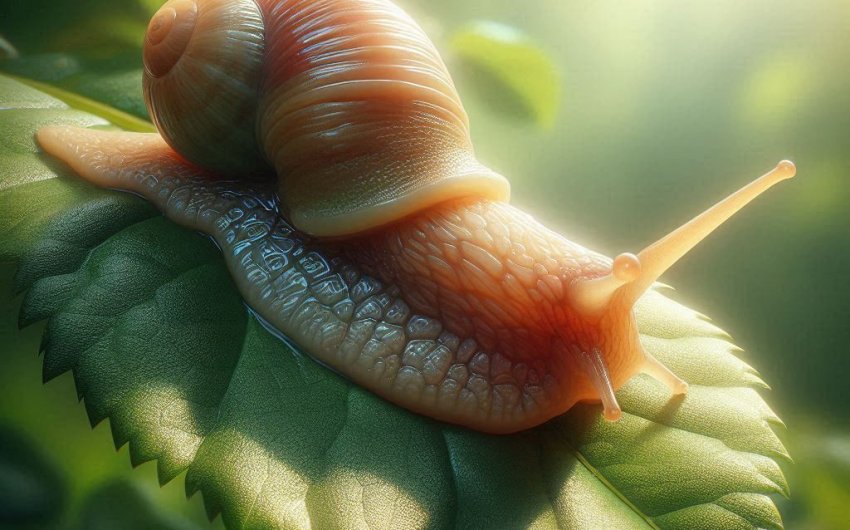
Roses are beloved for their beauty, fragrance, and the elegance they bring to any garden. But these stunning plants are not without their challenges, and one of the most common and damaging pests is the rose slug. While they may look harmless, rose slugs can wreak havoc on your roses, leaving them with chewed leaves, holes, and an overall unhealthy appearance.
This guide will help you understand what rose slugs are, the damage they cause, and how you can effectively manage them to keep your roses beautiful and healthy.
What Are Rose Slugs?
Despite their name, rose slugs are not true slugs but the larvae of sawflies, which are small, non-stinging wasps. There are three common species of rose slugs that can affect your plants:
- The bristly rose slug (Cladius difformis),
- The curled rose slug (Allantus cinctus), and
- The European rose slug (Endelomyia aethiops).
These pests feed on the leaves of rose bushes, leaving them skeletonized and severely damaged. Adult sawflies lay their eggs on the underside of leaves, and the larvae hatch and begin feeding shortly after. They typically appear in spring or early summer and can continue to cause damage throughout the growing season if left unchecked.
Get pest identification tools to accurately identify rose slugs and other pests in your garden.
The Life Cycle of Rose Slugs
Understanding the life cycle of rose slugs is crucial for managing infestations. Rose slugs go through four main stages of development: egg, larva, pupa, and adult. By knowing when each stage occurs, you can implement control measures at the most effective time.
1. Egg Stage
In the early spring, female sawflies lay their eggs on the undersides of rose leaves. The eggs are small and difficult to see without close inspection. Within a week or two, the eggs hatch into larvae, marking the beginning of the larval stage, which is the most damaging phase for roses.
Use magnifying glasses to inspect your roses for eggs and prevent infestations before they begin.
2. Larva Stage
Once the eggs hatch, the young rose slugs begin feeding on the leaves. They start by eating the soft tissue between the leaf veins, creating a skeletonized appearance. The larvae are small, greenish-yellow, and resemble tiny caterpillars, often covered in a slimy coating, which gives them their slug-like appearance.
During this stage, rose slugs can cause significant damage, especially if their numbers are high. They feed on the leaves for about two to three weeks before pupating in the soil.
Purchase organic insecticides to control rose slug larvae and protect your roses from further damage.
3. Pupa Stage
After feeding, the larvae drop to the ground and burrow into the soil to pupate. The pupa stage can last for several weeks or even months, depending on the species of rose slug and environmental conditions. Some species have multiple generations per year, meaning you could see a new wave of rose slugs later in the season.
4. Adult Stage
The adult sawflies emerge from the soil, ready to mate and start the cycle over again by laying eggs on your rose bushes. While adult sawflies do not feed on roses, their offspring (the rose slugs) will continue to cause damage if not controlled.
Find soil aerators to disrupt the pupal stage and prevent future generations of rose slugs from emerging.
Damage Caused by Rose Slugs
The damage caused by rose slugs can be extensive, especially if infestations are not managed early. The primary form of damage is to the leaves of the rose bush, which are vital for the plant’s overall health and ability to produce energy through photosynthesis.
1. Skeletonized Leaves
The most common sign of a rose slug infestation is skeletonized leaves. As the larvae feed on the soft tissue between the leaf veins, they leave behind a lacy or skeletonized appearance. This not only reduces the plant’s aesthetic appeal but also weakens the plant by limiting its ability to produce food.
Get leaf health testers to monitor the health of your rose leaves and catch pest damage early.
2. Holes in Leaves
In some cases, rose slugs will eat through the entire leaf, leaving behind irregularly shaped holes. This type of damage is more common in severe infestations or when multiple generations of larvae are feeding on the same plant. The holes can cause the leaves to wilt, turn brown, and eventually fall off.
Use plant recovery sprays to help your rose bushes recover from leaf damage caused by rose slugs.
3. Reduced Flowering and Growth
When rose slugs damage the leaves of a rose bush, the plant becomes less efficient at photosynthesis. This leads to reduced energy production, which can hinder the plant's growth and flowering potential. A heavily infested plant may produce fewer flowers, and the blooms it does produce may be smaller and less vibrant.
Find rose fertilizers to support your rose plants and encourage healthy growth after pest damage.
4. General Plant Weakness
Prolonged infestations can weaken the overall health of the rose bush, making it more susceptible to other pests and diseases. A weakened plant is also less likely to survive harsh weather conditions, such as drought or extreme temperatures.
Purchase plant health monitors to track the overall health of your roses and prevent long-term damage.
How to Identify a Rose Slug Infestation
Identifying a rose slug infestation early is essential for preventing serious damage. Regularly inspecting your roses for signs of rose slugs will allow you to take action before the problem gets out of control. Here are some key signs to look out for:
1. Skeletonized or Chewed Leaves
One of the first signs of a rose slug infestation is skeletonized leaves or leaves with holes. If you notice this type of damage, inspect the undersides of the leaves for small, greenish larvae. The larvae are usually covered in a slimy substance, which makes them look like tiny slugs.
Use garden magnifiers to closely examine your roses for signs of rose slugs and other pests.
2. Larvae on the Undersides of Leaves
Rose slugs tend to hide on the undersides of leaves, where they can feed undisturbed. The larvae are small, typically ranging from ¼ to ½ inch in length, and may be difficult to spot at first. Look for clusters of small, greenish-yellow caterpillar-like creatures beneath the leaves.
Find pest inspection kits to thoroughly check your plants for larvae and early signs of infestation.
3. Presence of Sawflies
While the adult sawfly does not feed on roses, spotting them in your garden can be an indication that an infestation is on the way. Sawflies resemble small wasps and can often be seen flying around rose bushes in the spring and early summer. If you notice sawflies, take preventive measures to protect your plants.
Purchase insect traps to catch adult sawflies before they can lay eggs on your roses.
How to Control Rose Slugs
Fortunately, there are several effective methods for controlling rose slugs and preventing them from damaging your plants. From natural predators to chemical treatments, the following strategies will help you keep your rose bushes free of pests.
1. Handpicking
For small infestations, handpicking the rose slugs off the leaves can be an effective method of control. Simply inspect your plants daily and remove any larvae you find by hand. Drop them into a bucket of soapy water to kill them.
This method is best for small gardens or when the infestation is just beginning.
Use gardening gloves to safely remove rose slugs from your plants by hand.
2. Spray with Water
A strong stream of water from a hose can help dislodge rose slugs from the leaves. Spray the undersides of the leaves where the larvae are hiding, knocking them off the plant and onto the ground. While this won’t kill the rose slugs, it can reduce their numbers and make it harder for them to return to the plant.
Be sure to spray early in the morning, allowing the leaves to dry during the day to prevent fungal infections.
Find high-pressure garden hoses to easily remove rose slugs and other pests from your plants.
3. Natural Predators
Introducing natural predators into your garden is an eco-friendly way to control rose slugs. Birds, predatory wasps, and parasitic nematodes all feed on rose slugs and can help keep their populations in check.
Encourage birds to visit your garden by providing bird feeders, bird baths, and nesting sites. Ladybugs and lacewings are also natural enemies of rose slugs and can be introduced to your garden to help control infestations.
Get beneficial insect kits to introduce natural predators into your garden and reduce pest populations.
4. Neem Oil
Neem oil is a natural pesticide that can be used to control rose slugs without harming beneficial insects. It works by disrupting the feeding and growth cycles of the larvae, eventually killing them. Neem oil is safe to use on most plants and can be applied as a foliar spray directly to the affected leaves.
To use neem oil, mix it with water according to the instructions on the label and spray it onto the undersides of the leaves where the rose slugs are feeding. Repeat the treatment every 7 to 10 days until the infestation is under control.
Purchase neem oil sprays to treat rose slug infestations naturally and effectively.
5. Insecticidal Soap
Insecticidal soap is another natural treatment that can be effective against rose slugs. It works by breaking down the outer layers of the larvae, causing them to dehydrate and die. Insecticidal soap is safe for most plants and can be applied directly to the affected leaves.
Spray the insecticidal soap onto the undersides of the leaves where the rose slugs are feeding. Be sure to apply the treatment early in the morning or late in the afternoon to avoid burning the leaves in the sun.
Get insecticidal soaps to control rose slugs without using harsh chemicals.
6. Chemical Insecticides
For severe infestations, chemical insecticides may be necessary to control rose slugs. Look for products labeled for use against sawflies or rose pests. Insecticides containing spinosad, pyrethrin, or carbaryl are effective at killing rose slug larvae.
When using chemical insecticides, always follow the instructions on the label and apply the product during the early morning or late evening to minimize harm to beneficial insects such as bees and butterflies.
Shop for rose pest insecticides to eliminate severe infestations and protect your roses.
Preventing Rose Slug Infestations
Preventing rose slugs from infesting your garden in the first place is the best strategy for keeping your roses healthy and beautiful. By following these preventive measures, you can reduce the likelihood of a rose slug infestation:
1. Regular Inspection
Inspect your rose bushes regularly, especially during the spring and early summer when sawflies are active. Early detection is key to preventing severe damage. If you catch the infestation early, you can remove the larvae by hand or spray them off with water before they cause too much harm.
Find garden inspection kits to stay vigilant and catch rose slug infestations early.
2. Pruning
Pruning your roses helps improve air circulation, which can make the plants less hospitable to pests like rose slugs. Removing dead or damaged leaves and stems will also help prevent the larvae from feeding on the plant. Be sure to clean up any debris around the base of the plant, as this can provide a breeding ground for pests.
Use pruning shears to keep your roses healthy and reduce the risk of pest infestations.
3. Healthy Soil
Maintaining healthy soil is essential for the overall health of your roses. Well-fed and healthy plants are better able to resist pest infestations and recover from damage. Use a balanced fertilizer to ensure your plants are getting the nutrients they need, and amend the soil with organic matter to improve drainage and aeration.
Purchase rose fertilizers to support strong, healthy rose plants that can resist pest damage.
4. Mulching
Applying a layer of mulch around the base of your rose bushes can help deter rose slugs by making it more difficult for the larvae to pupate in the soil. Mulch also helps retain moisture, suppress weeds, and improve soil health, creating a more favorable environment for your roses to thrive.
Use organic mulches to protect your roses and improve the overall health of your garden.
5. Companion Planting
Certain plants can help repel rose slugs and other pests when planted near roses. Garlic, onions, marigolds, and lavender are known to deter many common garden pests. Incorporating these plants into your garden can help reduce the likelihood of rose slug infestations while adding beauty and diversity to your landscape.
Find companion planting seeds to naturally repel pests and protect your roses.