
How Do I Fertilize My Pomegranate Tree for Optimal Growth?
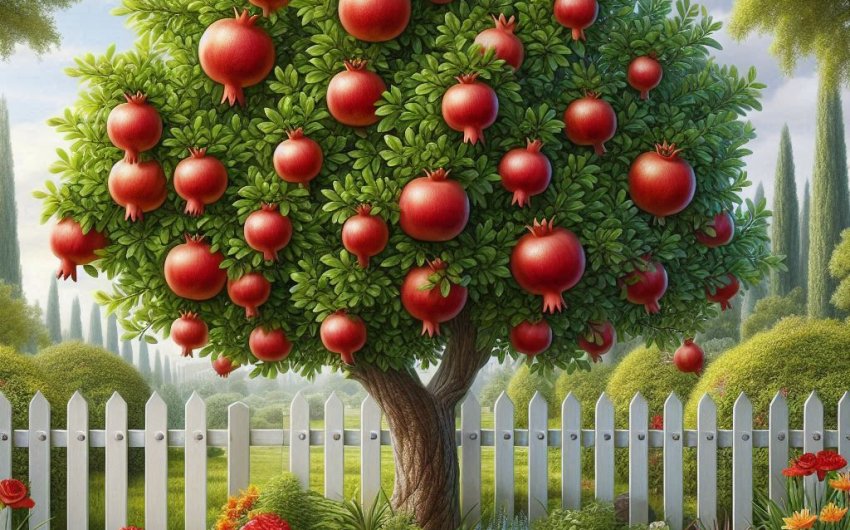
Fertilizing your pomegranate tree is essential for promoting healthy growth, abundant fruit production, and resistance to diseases and pests. With the right fertilization regimen, your pomegranate tree can thrive and reward you with a bountiful harvest of nutrient-packed, delicious fruits. In this guide, we’ll explore the best practices for fertilizing your pomegranate tree to ensure optimal growth, including the types of fertilizers to use, when and how to apply them, and tips for maintaining a healthy soil environment.
1. Understanding the Nutritional Needs of Pomegranate Trees
Before diving into the specifics of fertilizing your pomegranate tree, it’s important to understand the nutritional requirements that support its growth and fruiting. Like most fruit trees, pomegranate trees require a balanced mix of three primary macronutrients:
- Nitrogen (N): Promotes lush, green foliage and overall vegetative growth. Nitrogen is essential during the tree’s early growth stages, as well as after the dormant season.
- Phosphorus (P): Supports root development, flowering, and fruit production. Phosphorus is particularly important during the flowering and fruiting stages.
- Potassium (K): Enhances overall plant health, strengthens cell walls, and improves the quality of the fruit. Potassium is critical for fruit development, making the pomegranates larger and sweeter.
In addition to these macronutrients, pomegranate trees also benefit from secondary nutrients like calcium, magnesium, and sulfur, as well as trace elements like zinc, iron, and manganese. A well-balanced fertilizer will supply these nutrients in appropriate quantities to keep your tree healthy throughout the growing season.
2. Choosing the Right Fertilizer for Pomegranate Trees
Selecting the right fertilizer for your pomegranate tree is crucial for its growth and fruit production. Several types of fertilizers can be used, including organic and synthetic options. Here are the most common types of fertilizers for pomegranate trees:
Balanced Fertilizers
A balanced fertilizer, such as a 10-10-10 fertilizer that contains equal parts nitrogen, phosphorus, and potassium, is an excellent choice for general feeding throughout the growing season. This type of fertilizer promotes overall plant health and encourages consistent fruiting.
You can apply a 10-10-10 fertilizer in early spring when the tree begins to break dormancy. This will help the tree develop healthy foliage, strong roots, and abundant flowers.
High Nitrogen Fertilizers
For young pomegranate trees in their early growth stages, a nitrogen-rich fertilizer is ideal. Nitrogen promotes the development of strong, green leaves, which are essential for photosynthesis and energy production. A high-nitrogen fertilizer, such as a 20-10-10 fertilizer, is great for supporting young trees as they establish themselves.
Apply a high-nitrogen fertilizer in the spring when the tree begins its growing season. Be cautious not to over-apply nitrogen during fruiting stages, as excessive nitrogen can reduce fruit quality.
Organic Fertilizers
For gardeners who prefer natural fertilization methods, organic fertilizers such as compost, manure, and fish emulsion are great choices. Organic fertilizers slowly release nutrients into the soil, improving its overall fertility and structure. Additionally, they promote beneficial microbial activity in the soil, which helps with nutrient absorption.
You can use organic compost to feed your pomegranate tree throughout the growing season, particularly in early spring and late fall. Compost improves the soil’s ability to retain moisture and provides a slow release of essential nutrients.
Slow-Release Fertilizers
Slow-release fertilizers are an excellent option for gardeners who prefer minimal maintenance. These fertilizers release nutrients over an extended period, which reduces the frequency of applications and provides a consistent supply of nutrients. A slow-release fertilizer is ideal for keeping your tree fed without having to reapply fertilizer throughout the growing season.
3. How to Fertilize a Pomegranate Tree
Fertilizing your pomegranate tree at the right time and using the correct techniques can significantly improve its health and fruit production. Below is a step-by-step guide to properly fertilize your tree:
Step 1: Test Your Soil
Before applying any fertilizer, it’s essential to test your soil’s nutrient levels using a soil testing kit. A soil test will reveal your soil's pH level and its current nutrient content. Pomegranate trees thrive in slightly acidic to neutral soil with a pH range of 5.5 to 7.0. If your soil is too alkaline or deficient in key nutrients, you can make the necessary amendments before fertilizing.
Step 2: Determine the Right Time to Fertilize
Timing is crucial when fertilizing your pomegranate tree. The tree benefits from regular feedings during its growing season but should not be over-fertilized during dormant periods. The best times to fertilize are:
- Early Spring: As your pomegranate tree breaks dormancy and begins new growth, apply a balanced or nitrogen-rich fertilizer to promote leaf and branch development.
- Late Spring to Early Summer: As the tree begins to flower, switch to a fertilizer with higher phosphorus and potassium content to encourage fruiting. You can apply a fruit tree fertilizer during this stage.
- Late Fall: After harvest, you can apply organic compost or manure to replenish the soil and prepare the tree for the next growing season.
Step 3: Measure and Apply the Fertilizer
To ensure you’re applying the right amount of fertilizer, follow the manufacturer’s instructions on the product label. As a general rule of thumb, use about 1 to 2 pounds of fertilizer for every year of the tree’s age, up to a maximum of 8 pounds per application. You can use a fertilizer spreader to evenly distribute the fertilizer around the tree’s drip line.
Step 4: Water After Fertilizing
After applying fertilizer, thoroughly water the area around the tree to help the nutrients soak into the soil and reach the roots. Be careful not to overwater, as pomegranate trees prefer slightly dry conditions and can suffer from root rot if they’re too wet. Use a soaker hose for deep watering, which allows water to penetrate deep into the root zone without flooding the soil.
4. Fertilizing Young vs. Mature Pomegranate Trees
The fertilization needs of your pomegranate tree will change as it matures. Understanding how to adjust your fertilization strategy as your tree grows is essential for optimal health and fruit production.
Fertilizing Young Pomegranate Trees
In the first few years of a pomegranate tree’s life, the focus should be on developing a strong root system and healthy foliage. For young trees (less than 3 years old), nitrogen-rich fertilizers are beneficial. A 20-10-10 fertilizer applied in early spring and again in mid-summer can help promote vigorous growth.
Make sure not to over-fertilize young trees, as too much nitrogen can lead to excessive leaf growth at the expense of root development. A balanced approach is key.
Fertilizing Mature Pomegranate Trees
Mature pomegranate trees (3+ years old) benefit more from balanced fertilizers or fertilizers higher in phosphorus and potassium. These nutrients support fruit production and improve the size and quality of the pomegranates. A balanced 10-10-10 fertilizer applied in early spring and a phosphorus-heavy fertilizer during fruiting will help your tree produce more fruit.
In addition to regular fertilization, adding organic compost or mulch to the soil around the tree can improve its health and fertility.
5. Common Fertilization Mistakes and How to Avoid Them
While fertilizing is critical for the health of your pomegranate tree, there are a few common mistakes that can harm the tree or reduce fruit quality. Here’s what to watch out for:
Over-Fertilizing
Applying too much fertilizer, especially nitrogen, can lead to rapid leaf growth at the expense of fruit production. Over-fertilizing can also cause root burn, stunted growth, and yellowing leaves. Always follow the recommended application rates for your specific fertilizer, and avoid feeding your tree during dormant periods.
Fertilizing at the Wrong Time
Timing is everything when it comes to fertilizing. Applying fertilizer too late in the season can encourage new growth, which may be damaged by cold weather or frost. Fertilize in early spring, and stop feeding the tree by late summer to allow it to enter dormancy naturally.
Using the Wrong Type of Fertilizer
Different growth stages of a pomegranate tree require different types of fertilizers. Using a high-nitrogen fertilizer during fruiting stages, for example, can result in poor fruit quality. Make sure to choose a fertilizer that is tailored to the tree’s current needs—balanced fertilizers for general growth, and phosphorus-heavy fertilizers for fruiting.
6. Additional Tips for Maintaining Healthy Soil
Maintaining healthy, nutrient-rich soil is key to supporting the long-term growth and productivity of your pomegranate tree. Here are some additional tips for optimizing your soil health:
Mulching
Applying a layer of mulch around the base of your pomegranate tree can help retain moisture, regulate soil temperature, and suppress weeds. Organic mulches such as wood chips, straw, or shredded bark decompose over time, adding nutrients to the soil.
Composting
Incorporating organic compost into your soil every year is an excellent way to improve soil fertility and provide a slow-release source of nutrients for your tree. Compost also enhances soil structure, making it easier for water and nutrients to reach the roots.
For more information on how to care for pomegranate trees, including their nutritional benefits and growth tips, visit our Pomegranate Power: Nutrient-Packed Superfruit guide. By following these fertilization practices, you’ll ensure your tree thrives and produces a healthy, delicious harvest year after year.