
Spotless Solutions: Preventing Leaf Spot Diseases
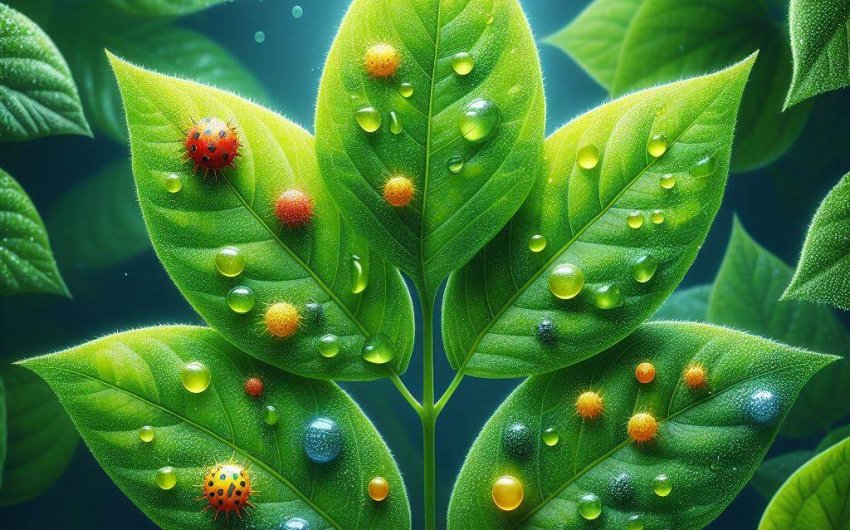
Spotless solutions: Preventing leaf spot diseases is primarily about proactive gardening practices that reduce conditions favorable for fungal and bacterial pathogens, rather than reacting once an infection takes hold. By focusing on environmental control, plant hygiene, and smart plant selection, gardeners can significantly minimize the unsightly damage and stress these common diseases cause. Successful preventing leaf spot diseases hinges on creating an inhospitable environment for pathogens.
What Exactly Are Leaf Spot Diseases and Why Are They a Problem?
Leaf spot diseases are among the most common ailments affecting a wide variety of plants, characterized by discolored, often circular, spots appearing on foliage. These spots are caused by various microscopic pathogens, primarily fungi and bacteria, which damage leaf tissue, and understanding their nature is the first step in effective preventing leaf spot diseases. While often just cosmetic, severe infections can significantly harm plant health and yield, making them a major nuisance for gardeners.
The Tell-Tale Signs of Leaf Spot
Imagine waking up one morning to find small, dark blemishes marring the vibrant green of your favorite plant's leaves. That's typically the first sign of a leaf spot disease. These spots can vary greatly in size, shape, and color, but their presence indicates that a pathogen has invaded and is damaging the leaf tissue.
What causes leaf spot diseases?
Most leaf spot diseases are caused by fungi, but some are caused by bacteria. These microscopic organisms are present everywhere in our environment, just waiting for the right conditions to attack.
- Fungal Leaf Spots:
- Common Culprits: Alternaria, Cercospora, Septoria, Anthracnose, Colletotrichum, Diplocarpon (for roses).
- How they spread: Fungal spores are carried by wind, splashing water (rain, irrigation), or even on tools and clothing. They land on a leaf surface, and if it's wet and warm enough, they germinate, penetrate the leaf tissue, and start to grow.
- Symptoms: Often circular or irregular spots, frequently with a distinct yellow halo around a dark (brown, black, purple) center. Sometimes, tiny black dots (the fungal fruiting bodies/spores) are visible within the spots. They can also show concentric rings (like a target).
- Bacterial Leaf Spots:
- Common Culprits: Xanthomonas, Pseudomonas, Erwinia.
- How they spread: Bacteria enter through wounds, natural openings (stomata), or water pores on wet leaves. They multiply rapidly inside the leaf tissue.
- Symptoms: Often more angular spots (constrained by leaf veins), which can look water-soaked or greasy. They turn dark green, brown, or black, and may or may not have a yellow halo. They often spread rapidly in warm, wet conditions.
Why Are Leaf Spot Diseases a Problem for Your Plants?
While a few spots might not seem like a big deal, severe or chronic leaf spot infections can lead to significant problems:
- Reduced Photosynthesis: Leaves are like a plant's solar panels. Every spot is an area of dead tissue that can no longer capture sunlight and convert it into energy (photosynthesis). The more spots, the less food the plant can make.
- Premature Leaf Drop: Heavily infected leaves often turn yellow or brown entirely and fall off prematurely. This further reduces the plant's ability to photosynthesize and can weaken it significantly.
- Stunted Growth: With less energy, the plant's overall growth slows down. It might appear stunted, less vigorous, and generally unhealthy.
- Reduced Yields and Quality: For vegetable plants, this means fewer fruits, smaller vegetables, or fruit of poor quality. For flowering plants, fewer or smaller blooms.
- Weakened Resistance: A plant stressed by leaf spot disease is more susceptible to other pests, diseases, and environmental stressors.
- Unsightliness: From an aesthetic perspective, severe leaf spots can make otherwise beautiful plants look ugly and neglected.
The bottom line is that leaf spot diseases are more than just a cosmetic issue. They are a sign of an underlying problem that, if left unaddressed, can seriously compromise the health and productivity of your plants. That's why building a strong strategy for preventing leaf spot diseases is so important.
What Environmental Conditions Favor Leaf Spot Diseases?
To effectively tackle the problem of leaf spot diseases and start preventing leaf spot diseases, it's crucial to understand the environmental conditions that allow these fungal and bacterial pathogens to thrive. These microscopic organisms aren't just looking for a plant; they're waiting for the perfect weather and moisture conditions to launch their attack. Disrupting these favorable conditions is a cornerstone of prevention.
Leaf spot pathogens absolutely love these environmental conditions:
- Prolonged Leaf Wetness:
- Why it's perfect: This is the most critical factor for most leaf spot diseases. Fungal spores need a film of water on the leaf surface to germinate and penetrate the plant tissue. Bacteria also spread and enter plants much more easily when leaves are wet.
- Your mistake: Overhead watering (especially in the evening), consistent rain, or heavy morning dew that doesn't dry quickly.
- High Humidity:
- Why it's perfect: High humidity contributes to extended leaf wetness by slowing down evaporation. It also creates a moist, stagnant microclimate around plants where fungi and bacteria can multiply rapidly.
- Your mistake: Crowding plants too closely together, planting in a location with poor air circulation.
- Warm Temperatures:
- Why it's perfect: While some pathogens prefer cooler temperatures, many common leaf spot fungi and bacteria thrive in warm, mild temperatures (typically 70-85°F / 21-30°C). This warmth, combined with high humidity, accelerates their life cycle, allowing them to infect and spread quickly.
- Your mistake: Not being vigilant during warm, humid summer periods.
- Poor Air Circulation:
- Why it's perfect: Stagnant air allows humidity to build up and keeps leaf surfaces wet for longer. Without a breeze, moisture has no way to quickly evaporate.
- Your mistake: Overcrowding plants, planting too close to walls or other structures, neglecting to prune for airflow.
- Weakened or Stressed Plants:
- Why it's perfect: While not an environmental condition per se, plants that are already stressed (from drought, overwatering, nutrient deficiencies, pest infestations, or transplant shock) have a weaker immune system and are more susceptible to infection.
- Your mistake: Inconsistent watering, improper fertilization, not addressing other plant problems.
- Contaminated Plant Debris:
- Why it's perfect: Many leaf spot pathogens (especially fungi) can overwinter or survive on fallen leaves and other plant debris in the soil. They produce spores that are ready to reinfect new growth the following season.
- Your mistake: Leaving infected plant material on the ground after an outbreak or at the end of the growing season.
By actively disrupting these favorable conditions, you create an inhospitable environment for leaf spot pathogens. Think of it as denying them the welcome mat! Focusing on dry leaves, good airflow, and clean gardening practices is your most powerful defense against these persistent plant diseases, making preventing leaf spot diseases a much more manageable task.
What Are the Most Effective Cultural Practices for Preventing Leaf Spot Diseases?
Preventing leaf spot diseases relies heavily on proactive cultural practices that manage the garden environment and promote plant health, making it difficult for fungal and bacterial pathogens to establish and spread. Since stopping these diseases once they are severe can be challenging, a strong spotless solution built on prevention is always the most effective strategy. These methods are environmentally friendly and foster a healthier, more resilient garden ecosystem.
Here are the most effective cultural practices:
Practice Meticulous Sanitation and Garden Hygiene:
- Concept: Remove sources of infection and keep tools clean.
- How it Helps: Reduces the amount of fungal spores or bacteria present in your garden, breaking their life cycle.
- Practice:
- Remove Infected Leaves: As soon as you spot any leaves with leaf spots, carefully pick them off and immediately dispose of them (do not compost, as many pathogens can survive in compost).
- Clean Up Debris: At the end of the growing season, thoroughly clean up all fallen leaves, spent plants, and garden debris. Many pathogens overwinter in this material.
- Sterilize Tools: Always clean and sterilize pruning shears, knives, and other tools before and after each use, especially when moving between plants or after working with infected plants. A solution of 1 part bleach to 9 parts water (10% bleach solution) or rubbing alcohol works well. Allow tools to air dry.
- Wash Hands: Wash your hands thoroughly after handling any infected plants.
Ensure Proper Watering Techniques:
- Concept: Minimize leaf wetness, which is essential for fungal spore germination and bacterial spread.
- How it Helps: Denies pathogens the crucial moisture film they need to infect.
- Practice:
- Water at the Base: Water plants directly at the soil line using a soaker hose, drip irrigation, or a watering can. Avoid overhead watering.
- Water in the Morning: If overhead watering is unavoidable, do it early in the morning so the foliage has ample time to dry completely before nightfall.
- Avoid Overwatering: Ensure good drainage and allow the soil to dry slightly between waterings to prevent root stress, which can make plants more susceptible. Using a soil moisture meter can help you be accurate.
Promote Excellent Air Circulation and Proper Spacing:
- Concept: Good airflow helps leaves dry quickly and creates an environment less favorable for pathogens.
- How it Helps: Reduces humidity around plants, which is crucial for preventing leaf spot development.
- Practice:
- Adequate Spacing: When planting, ensure ample space between individual plants, following recommended guidelines for mature size. This allows air to circulate freely around the foliage.
- Pruning: Lightly prune dense foliage on plants (especially in humid climates) to improve air movement, especially in the interior of shrubs and trees.
- Weed Control: Keep garden beds free of weeds, as they can restrict airflow and act as alternative hosts for pathogens.
Choose Resistant Varieties (When Available):
- Concept: Plant varieties that have genetic traits making them less susceptible to specific leaf spot diseases.
- How it Helps: Reduces the likelihood of infection from the start.
- Practice: When purchasing seeds or transplants, look for varieties listed as resistant to common leaf spot diseases that are prevalent in your area. This is a very effective proactive measure.
Practice Crop Rotation:
- Concept: Do not plant the same type of crop (or closely related crops susceptible to the same leaf spots) in the same spot year after year.
- How it Helps: Many leaf spot pathogens can overwinter in the soil or on plant debris. Rotating crops "starves" these pathogens out of a particular area, as they can't find a suitable host.
- Practice: Aim for a 3-5 year rotation cycle for susceptible crops in vegetable gardens.
Maintain Overall Plant Health:
- Concept: Strong, healthy plants are more resilient and better able to resist or recover from disease.
- How it Helps: A vigorous plant with a robust immune system is less likely to succumb to opportunistic pathogens.
- Practice: Provide proper soil nutrients (via compost and balanced fertilization), adequate light, and consistent water. Avoid stressing plants with extreme conditions.
By diligently integrating these cultural practices into your gardening routine, you create a powerful spotless solution that drastically reduces the risk of leaf spot diseases, allowing your plants to thrive and look their best. Prevention truly is the best medicine in the fight against these common plant ailments.
Can You Use Chemical Treatments to Prevent Leaf Spot Diseases?
Yes, you can use chemical treatments to prevent leaf spot diseases, primarily through the application of fungicides, though their use requires careful consideration and should be part of an integrated management strategy. While fungicides are generally more effective against fungal leaf spots than bactericides are against bacterial ones, they are primarily preventative, forming a protective barrier on the plant surface, rather than curative for existing infections. For a spotless solution, these are typically applied before symptoms appear or at the very first sign of disease.
Understanding Fungicides for Leaf Spot Diseases
Fungicides are chemical compounds designed to kill or inhibit the growth of fungi. For leaf spot diseases, they generally fall into two main categories:
- Contact/Protectant Fungicides:
- How they work: These fungicides form a protective barrier on the leaf surface. They must be applied before fungal spores land on the leaf or germinate. They kill spores or germinating fungi on contact, preventing them from entering the plant. They do not cure existing infections within the leaf tissue.
- Examples: Products containing copper (e.g., copper hydroxide, copper sulfate) or sulfur, or synthetic broad-spectrum protectants like chlorothalonil. Copper can also have some effect on bacterial leaf spots.
- Considerations: Require frequent reapplication, especially after rain or overhead watering, as they wash off. Can leave a visible residue. Some can be phytotoxic (cause plant damage) under certain conditions.
- Systemic Fungicides (Limited Home Use for Leaf Spots):
- How they work: These fungicides are absorbed by the plant and move (translocate) within its tissues, providing protection from within. Some can even cure early infections.
- Examples: Products containing tebuconazole, propiconazole, or myclobutanil.
- Considerations: Generally less common or more restricted for broad leaf spot prevention by home gardeners compared to contact fungicides. They are often more specific in the types of fungi they target. Resistance can develop more easily with systemic fungicides.
When to Consider Chemical Treatments for Preventing Leaf Spot Diseases:
Chemical treatments should typically be used as a last resort or as a targeted supplement to good cultural practices, not as a standalone solution.
- High-Value Plants or Crops: For cherished ornamental plants or economically important vegetable crops where leaf spot diseases are a consistent and severe problem.
- History of Severe Infection: If a particular plant species or area of your garden has a documented history of severe, recurring leaf spot outbreaks that cultural practices alone haven't fully controlled.
- During Periods of High Risk: Proactive application during periods of wet, warm, and humid weather that are highly conducive to leaf spot development.
- Before Visible Symptoms: For protectant fungicides, application before symptoms appear is key. If the disease is already widespread and severe, fungicides may only slow its progression, not eliminate it.
Important Considerations and Best Practices:
- Accurate Diagnosis: Ensure you are dealing with a fungal or bacterial leaf spot, not an environmental issue or pest. Fungicides won't help if the problem is sunburn or spider mites.
- Read the Label: Always, always read and meticulously follow all label instructions for any fungicide product. This includes application rates, frequency, safety precautions, and specific target diseases. Misuse can harm your plants, yourself, or the environment.
- Safety Gear: Wear appropriate personal protective equipment (PPE) like gloves, eye protection, and potentially a mask, especially when spraying. You can buy gardening safety goggles and gardening gloves at most hardware stores.
- Timing is Crucial: For protectant fungicides, timely application is everything. You need to apply before infection occurs.
- Rotate Fungicides: To prevent the development of resistant fungal strains, it's good practice to rotate different types of fungicides (those with different active ingredients or modes of action) if repeated applications are necessary.
- Integrated Approach: Chemical treatments should always be part of an Integrated Pest Management (IPM) strategy. This means you combine them with all the cultural practices (sanitation, proper watering, air circulation, resistant varieties) for the most sustainable and effective spotless solution.
- Organic Options: For organic gardeners, copper and sulfur-based fungicides are typically approved, but still require careful application and adherence to safety guidelines.
While fungicides can be a valuable tool in preventing leaf spot diseases, they are not a substitute for good gardening practices. They are best used as targeted interventions to protect vulnerable plants during high-risk periods, ensuring your efforts lead to a successful spotless solution in your garden.
What is the Best Long-Term Strategy for Preventing Leaf Spot Diseases?
The best long-term strategy for preventing leaf spot diseases is a comprehensive and consistent approach rooted in an Integrated Pest Management (IPM) philosophy. There's no single magic bullet, but by combining multiple preventative measures that create an unfavorable environment for pathogens, you can drastically reduce the occurrence and severity of these common ailments. A strong spotless solution is built on vigilance and proactive care, ensuring your plants remain healthy and vibrant year after year.
Here’s a multi-faceted long-term strategy:
Prioritize Plant Selection:
- Resistant Varieties: This is your strongest proactive defense. Whenever possible, choose disease-resistant varieties of vegetables, fruits, and ornamentals that are less susceptible to common leaf spot diseases in your area. Look for disease resistance codes on seed packets or plant tags (e.g., "HR" for high resistance).
- Right Plant, Right Place: Select plants that are well-suited to your local climate, soil conditions, and light exposure. Stressed plants are always more susceptible to disease.
- Healthy Starts: Purchase only healthy, disease-free transplants from reputable nurseries. Inspect them carefully for any signs of spots or discoloration.
Master Garden Hygiene and Sanitation:
- Prompt Removal: Regularly inspect your plants. As soon as you see any leaves with leaf spots, carefully remove them and immediately dispose of them in the trash (do not compost). This reduces the source of new spores or bacteria.
- End-of-Season Cleanup: At the end of the growing season, be meticulous about cleaning up all fallen leaves, spent plants, and garden debris. Many pathogens overwinter in this material, ready to reinfect next year's growth.
- Sterilize Tools: Make it a habit to clean and sterilize all your gardening tools (pruning shears, knives, trowels) with a 10% bleach solution or rubbing alcohol before and after each use, especially when moving between plants or after working with infected plants.
Optimize Watering Practices:
- Water at the Base: Always water plants at the soil line using a soaker hose, drip irrigation, or a watering can. Avoid overhead irrigation that wets foliage.
- Water in the Morning: If overhead watering is unavoidable, do it early in the morning so that plant foliage has ample time to dry completely before nightfall. Prolonged leaf wetness is the biggest trigger for leaf spot diseases.
- Avoid Overwatering: Ensure good soil drainage and allow the soil to dry out slightly between waterings to prevent root stress and root rot, which can weaken plants. Use a soil moisture meter for accuracy.
Ensure Excellent Air Circulation:
- Proper Spacing: Plant vegetables and ornamentals with adequate space between them, following recommended mature sizes. This allows air to circulate freely around the foliage, promoting rapid drying.
- Strategic Pruning: For dense shrubs and trees, perform pruning to improve air circulation within the canopy. Remove crossing branches or interior growth that traps humidity.
- Weed Control: Keep garden beds free of weeds, as they can also impede airflow and act as alternate hosts for pathogens.
Implement Crop Rotation (for Vegetables):
- Rotate Families: In vegetable gardens, practice a 3-5 year crop rotation. Do not plant crops from the same plant family (e.g., tomatoes, peppers, potatoes) in the same spot consecutively.
- How it Helps: Many leaf spot pathogens are specific to certain plant families and can survive in the soil. Rotating crops starves these pathogens out of a particular area, reducing their population.
Maintain Overall Plant Vigor and Soil Health:
- Healthy Soil: Incorporate generous amounts of organic matter (compost, leaf mold) into your soil. Healthy, biologically active soil fosters beneficial microorganisms that can compete with or suppress disease-causing pathogens.
- Balanced Nutrition: Provide your plants with balanced nutrition. Neither under-fertilizing (weak plants) nor over-fertilizing (stressed roots) is good for disease resistance.
- Mulch: Apply a layer of organic mulch around plants to regulate soil temperature and moisture, and suppress splash-borne diseases from the soil.
Consider Fungicides as a Targeted Tool (If Necessary):
- Last Resort: Fungicides should be used as a targeted measure for persistent problems or high-value plants, after all cultural practices have been consistently applied.
- Preventative, Not Curative: Most effective when applied preventatively, before disease symptoms appear, or at the very first sign, especially during periods conducive to disease development.
- Read Labels: Always follow label instructions meticulously for application rates, timing, and safety. Rotate active ingredients to prevent resistance.
By consistently employing these multi-faceted strategies, gardeners can build a robust, long-term spotless solution for preventing leaf spot diseases. This proactive approach ensures a healthy, beautiful, and productive garden, free from the unsightly damage caused by these common plant ailments.