
Bacterial Battle: Treating Bacterial Infections in Plants
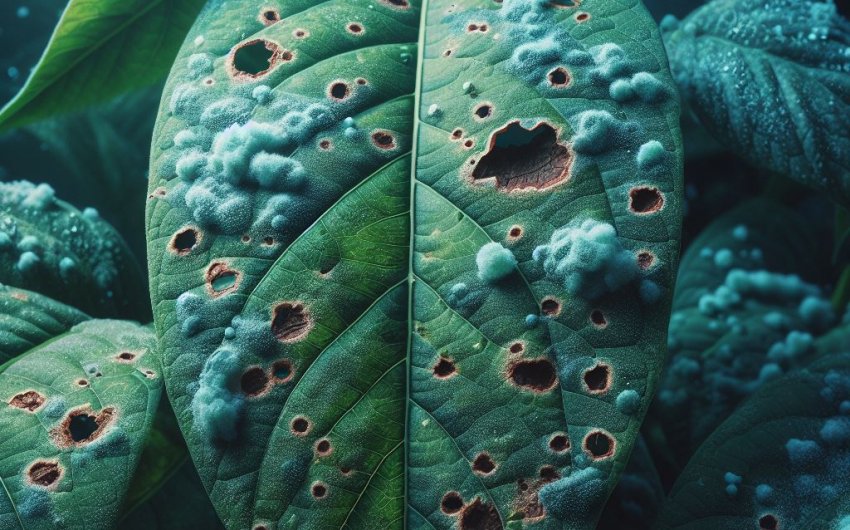
Bacterial battle: Treating bacterial infections in plants is often challenging, as there are few effective chemical treatments for home gardeners, making prevention and aggressive sanitation the most critical lines of defense. Unlike fungal issues, bacterial diseases primarily require immediate removal of infected plant parts, creating dry conditions, and enhancing air circulation to halt their spread and give the plant a chance to recover. Effective treating bacterial infections in plants centers on cultural practices that disrupt bacterial life cycles.
What Exactly Are Bacterial Infections in Plants?
Bacterial infections in plants are diseases caused by microscopic single-celled organisms called bacteria that invade plant tissues, disrupting their normal functions and causing various symptoms. Unlike fungi, which often produce visible spores or fuzzy growth, bacterial diseases are typically characterized by wet, slimy, or water-soaked lesions and rapid decay, posing a significant challenge for treating bacterial infections in plants due to their invasive nature. Understanding these tiny invaders is the first step in protecting your garden.
The Invisible Invaders
Imagine an army of tiny, invisible soldiers, each with a specific mission to wreak havoc on your plants. That's essentially what disease-causing bacteria are. These organisms are everywhere in our environment, but only certain types can cause illness in plants. They are much smaller than fungal spores and behave differently once inside a plant.
How Bacteria Attack Plants:
Bacteria don't just sit on the surface of a plant; they actively invade and spread.
- Entry Points: Bacteria typically gain entry into a plant through:
- Wounds: Any cut, scratch, or insect bite (from pests like aphids, thrips, or even chewing insects) creates an open door for bacteria.
- Natural Openings: Tiny pores on leaves (stomata) or specialized water-release pores (hydathodes) are also common entry points, especially when leaves are wet.
- Rapid Multiplication: Once inside the plant, bacteria multiply incredibly fast, especially in warm, humid conditions.
- Enzyme Production: Many plant pathogenic bacteria produce enzymes that break down plant cell walls and tissues. This is what leads to the characteristic soft, mushy rot.
- Toxin Production: Some bacteria also produce toxins that poison plant cells, further contributing to damage and symptom development.
- Vascular System Invasion: Some of the most damaging bacterial diseases invade the plant's vascular system (its internal "plumbing" that transports water and nutrients). This can cause widespread wilting and dieback.
Why Are Bacterial Infections Such a Problem?
Bacterial infections are notoriously difficult to control for several reasons:
- Rapid Spread: Bacteria can spread quickly, especially in wet conditions (splashing water, rain, overhead irrigation) or through contaminated tools and hands.
- Few Chemical Cures: Unlike many fungal diseases for which there are effective fungicides, there are very few (and often ineffective for home gardeners) bactericides available to truly cure a bacterial infection once it's established in a plant.
- Mimic Other Problems: Early symptoms can sometimes look like fungal diseases, nutrient deficiencies, or even pest damage, making accurate diagnosis tricky.
- Survival: Bacteria can survive on plant debris, in the soil, on tools, and even on weed hosts, making complete eradication challenging.
In essence, bacterial infections in plants are formidable foes because they are invasive, spread easily, and are hard to treat once they gain a foothold. This emphasizes that successful treating bacterial infections in plants largely hinges on diligent prevention and quick, decisive action when symptoms first appear. It truly is a bacterial battle!
What Are the Most Common Types of Bacterial Diseases in Plants?
Recognizing the most common types of bacterial infections in plants is essential for any gardener engaged in the bacterial battle. Each type often leaves specific clues in terms of symptoms, location, and plant species affected, helping you identify the problem and choose the right approach for treating bacterial infections in plants. While a lab test is definitive, understanding these characteristic signs provides a strong diagnostic advantage.
Here are some of the most widespread bacterial diseases:
- Bacterial Leaf Spots (Xanthomonas, Pseudomonas, Erwinia/Pectobacterium species):
- Description: These are perhaps the most common bacterial infections you'll encounter. They primarily affect leaves.
- Symptoms:
- Angular Leaf Spots: Often irregular or distinctly angular in shape (confined by leaf veins), appearing dark green or purplish, then turning brown or black.
- Water-Soaked Appearance: Spots often look "water-soaked" or greasy, especially initially.
- Yellow Halo: May or may not be surrounded by a bright yellow halo.
- Growth: Spots can enlarge and merge, leading to large dead areas or premature leaf drop.
- Affected Plants: Very broad host range, including common vegetables like tomatoes, peppers, beans, cabbage, lettuce, and many ornamentals.
- Bacterial Soft Rot (Pectobacterium species, formerly Erwinia):
- Description: This disease is infamous for causing rapid, mushy decay in plant tissues, especially storage organs like roots, tubers, bulbs, and fleshy stems.
- Symptoms:
- Soft, Water-Soaked Lesions: Initially, small, water-soaked spots appear, often at wound sites.
- Rapid, Mushy Rot: The tissue quickly turns soft, slimy, and dark (brown or black).
- Foul Odor: A strong, putrid, foul smell is a hallmark of bacterial soft rot, distinguishing it from many fungal rots.
- Spreads Rapidly: Can destroy an entire vegetable quickly, especially in warm, humid conditions.
- Affected Plants: Carrots, potatoes, onions, cabbage, lettuce, tomatoes, iris, gladiolus.
- Bacterial Blight (Pseudomonas, Xanthomonas species):
- Description: This term refers to a rapid and widespread killing of plant tissues like leaves, flowers, stems, or whole plants.
- Symptoms:
- Water-Soaked Spots: Small, water-soaked spots appear on leaves or stems.
- Rapid Browning/Blackening: These spots quickly enlarge, turning brown or black, leading to scorching or wilting of entire shoots or leaves.
- Stem Streaking/Cankers: Can cause dark streaks or cankers on stems.
- Affected Plants: Beans, soybeans, peas, lilacs, dogwoods, impatiens.
- Bacterial Wilt (Ralstonia solanacearum, Erwinia tracheiphila):
- Description: These bacteria invade the plant's vascular system (xylem), which transports water.
- Symptoms:
- Sudden Wilting: Leaves and stems wilt rapidly, often starting with lower leaves and progressing upwards, even when the soil is moist.
- No Yellowing: Unlike some wilts, there's often little to no yellowing before wilting.
- Vascular Discoloration: If you cut the stem, you might see brown streaking in the vascular tissue. A classic test for some bacterial wilts is the "bacterial ooze test" (cutting a stem and placing it in water; milky strands of bacteria may stream out).
- No Recovery: Plants often don't recover overnight from wilting as they might from simple drought stress.
- Affected Plants: Tomatoes, peppers, potatoes, eggplant, cucumbers, squash.
- Canker Diseases (Xanthomonas, Pseudomonas species):
- Description: These bacteria cause localized dead areas (cankers) on stems, branches, or fruit.
- Symptoms:
- Sunken Lesions: Dark, sunken, often elongated lesions or sores on stems and branches.
- Gummosis: Sometimes accompanied by oozing sap or gum.
- Cracking Bark: Cankers can cause the bark to crack and peel.
- Dieback: Can lead to the death of branches or entire portions of the plant above the canker.
- Affected Plants: Fruit trees (citrus, stone fruits), beans, some ornamentals.
Identifying these distinct symptoms is the first critical step in the bacterial battle. While a definitive diagnosis often requires laboratory analysis, recognizing these common bacterial infections in plants empowers gardeners to take swift action in treating bacterial infections in plants before they become insurmountable.
How Do Bacterial Infections Spread in a Garden?
Understanding how bacterial infections spread in a garden is crucial for mounting an effective bacterial battle and implementing preventative measures for treating bacterial infections in plants. Bacteria are highly efficient at moving between plants and can utilize various vectors to quickly infest an entire garden, turning a minor issue into a widespread problem. Their invisible nature makes their transmission particularly insidious.
Here are the primary ways bacterial infections spread in a garden:
- Water (Rain, Irrigation, Dew):
- Splashing Rain: This is perhaps the most common and effective way for bacteria to spread. Raindrops hitting infected leaves or soil can splash bacterial cells and ooze onto nearby healthy plants.
- Overhead Irrigation: Sprinkler systems that wet foliage create ideal conditions for bacteria to spread through splashing and to enter plants through wet stomata.
- Runoff/Surface Water: Bacteria can be carried in water that runs off contaminated areas.
- Dew/High Humidity: Prolonged periods of leaf wetness from dew or high humidity allow bacteria to multiply and move more easily on the leaf surface and enter the plant.
- Contaminated Tools and Equipment:
- Pruning Shears: Using unsterilized pruning shears, knives, or clippers to prune an infected plant and then immediately using them on a healthy plant is a direct way to transfer bacteria.
- Shovels/Trowels: Tools used in contaminated soil can carry bacteria to clean soil or new planting sites.
- Garden Stakes/Ties: Reusing stakes or ties from infected plants without sterilization can spread pathogens.
- Infected Seeds and Transplants:
- Seed-Borne: Some bacterial diseases can be carried on or within seeds. Planting infected seeds can introduce the disease from day one.
- Infected Transplants: Buying transplants from a nursery that are already infected (even if showing subtle symptoms) introduces the pathogen directly into your garden.
- Insects and Pests:
- Vectors: Many insects can act as vectors, carrying bacteria from an infected plant to a healthy one.
- Chewing Insects: Insects that chew on leaves (e.g., beetles, caterpillars) can create wounds, providing entry points for bacteria, and their mouthparts can carry bacteria.
- Sucking Pests: Pests like aphids and thrips that pierce plant tissues to feed can both create entry points and directly transmit certain bacterial pathogens.
- Contaminated Plant Debris:
- Survival: Bacteria can survive on infected plant residues (leaves, stems, roots) left in the garden soil after harvest.
- Dispersal: When this debris breaks down or is disturbed, bacteria can be released into the soil or splashed onto new plants.
- Compost (Caution!): Adding heavily infected plant material to your compost pile (especially cool piles) can allow bacteria to survive and then be spread back into the garden when the compost is used.
- Human Hands and Clothing:
- Touching: Gardeners can unknowingly spread bacteria from an infected plant to healthy ones simply by touching them, especially if hands are wet or if there are small wounds on the plants.
- Clothing: Tools and clothing that have come into contact with infected plants can also carry bacteria.
Because bacteria are so adept at hitching rides on various carriers, preventative measures focusing on hygiene, careful watering, and managing pest populations are paramount. Understanding these modes of spread is the first and most crucial step in effectively treating bacterial infections in plants and winning the bacterial battle in your garden.
What Are the Most Effective Cultural Practices for Preventing Bacterial Infections?
The bacterial battle in your garden is best fought with strong preventative measures, as cultural practices are by far the most effective strategies for preventing bacterial infections in plants. Since chemical cures are rare for home gardeners, focusing on creating an unfavorable environment for bacteria and disrupting their spread is paramount. These practices promote overall plant health and significantly reduce the likelihood of an outbreak.
Here are the most effective cultural practices:
Choose Resistant Varieties (When Available):
- Concept: Plant breeders have developed certain vegetable and ornamental varieties that are naturally resistant or tolerant to specific bacterial diseases.
- How it Helps: These plants have genetic traits that make it difficult for particular bacteria to invade or thrive, significantly reducing the chance of infection.
- Practice: When purchasing seeds or transplants, look for varieties listed as resistant to common bacterial blights, spots, or wilts (e.g., "bacterial spot resistant" tomatoes or peppers). This is one of the easiest and most effective preventative steps.
Practice Meticulous Sanitation:
- Concept: Keeping your garden, tools, and hands clean to avoid introducing or spreading bacteria.
- How it Helps: Removes bacteria from potential transfer points.
- Practice:
- Sterilize Tools: Always clean and sterilize pruning shears, knives, and other tools before and after each use, especially when moving between plants. A solution of 1 part bleach to 9 parts water (10% bleach solution) or rubbing alcohol works well. Allow tools to air dry.
- Wash Hands: Wash your hands thoroughly with soap and water after handling any infected plants.
- Clean Containers: If reusing pots or trays, wash and sterilize them thoroughly.
- Remove Plant Debris: Promptly remove and destroy (do not compost) infected plant parts or entire infected plants. Bag them and dispose of them with household waste, especially if you have a slow, cool compost pile that won't reach temperatures high enough to kill pathogens.
Ensure Proper Watering Techniques:
- Concept: Minimize leaf wetness, as bacteria thrive and spread rapidly in moist conditions.
- How it Helps: Reduces the time bacteria have to multiply on leaf surfaces and prevents splashing that can move bacteria.
- Practice:
- Water at the Base: Water plants directly at the soil line using a soaker hose, drip irrigation, or a watering can without wetting the foliage.
- Morning Watering: If you must use overhead irrigation (like sprinklers), do so early in the morning so the foliage has ample time to dry completely before nightfall.
- Avoid Overwatering: Ensure well-draining soil and avoid soggy conditions that can stress roots and make plants more susceptible. Using a soil moisture meter can provide accurate readings.
Promote Excellent Air Circulation and Plant Spacing:
- Concept: Good airflow helps leaves dry quickly and creates an environment less favorable for bacterial growth.
- How it Helps: Reduces humidity around plants, which is crucial for preventing bacterial development.
- Practice:
- Proper Spacing: Plant vegetables and ornamentals with adequate space between them, following recommended guidelines. This allows air to circulate freely around the foliage.
- Pruning: Lightly prune dense foliage on plants (especially in humid climates) to improve air movement.
- Weed Control: Keep garden beds free of weeds, as they can restrict airflow and act as hosts for bacteria.
Manage Pests (Insect Vectors):
- Concept: Many insects can spread bacterial diseases or create wounds that allow bacteria to enter.
- How it Helps: Reducing pest populations minimizes entry points and vectors for disease transmission.
- Practice: Regularly monitor for insect pests and implement appropriate control measures (e.g., handpicking, insecticidal soap, neem oil for plants).
Crop Rotation:
- Concept: Do not plant the same type of crop (or closely related crops susceptible to the same bacteria) in the same spot year after year.
- How it Helps: Many bacterial pathogens can survive in the soil or on plant debris for a season or two. Rotating crops starves these pathogens out of a particular area.
- Practice: Aim for a 3-5 year rotation cycle for susceptible crops.
By diligently applying these cultural practices, you create a robust bacterial battle defense in your garden, significantly enhancing your chances of successfully preventing bacterial infections in plants and maintaining a healthy, thriving ecosystem.
Can You Use Chemical Treatments to Fight Bacterial Infections in Plants?
When it comes to treating bacterial infections in plants, chemical treatments are generally not as effective or widely available for home gardeners as they are for fungal diseases. This makes the bacterial battle particularly challenging, as there are few true "cures" once an infection takes hold. While some options exist, they are often more preventative or suppressive rather than curative, and come with specific considerations.
Why Chemical Treatments Are Limited for Bacterial Diseases:
- Mode of Action: Most fungicides work by disrupting fungal cell walls or metabolic processes. Bacteria have different cellular structures (no cell wall in the same way, different metabolic pathways), making many fungicides ineffective against them.
- Targeting Bacteria: Developing safe and effective bactericides for plants is difficult. Many compounds that would kill plant bacteria would also harm the plant itself or beneficial soil organisms.
- Systemic Options: Few true systemic bactericides exist for plants that can move throughout the plant to kill an internal infection without causing significant phytotoxicity (plant damage).
- Resistance: Bacteria can quickly develop resistance to chemical treatments.
Limited Chemical Options (and their considerations):
- Copper-Based Sprays (Bactericides/Fungicides):
- What they are: Products containing copper compounds (e.g., copper hydroxide, copper sulfate) are the most common chemical option available to home gardeners for bacterial diseases. They act as contact bactericides/fungicides.
- How they work: Copper ions disrupt bacterial cell functions, but they must be present on the plant surface before the bacteria enters or establishes. They do not penetrate plant tissue.
- Effectiveness: Primarily preventative or suppressive. They can help prevent the spread of bacteria on leaf surfaces or slow down an early infection, but they generally cannot cure an internal bacterial infection that has already taken hold.
- Considerations:
- Timing: Must be applied proactively or at the very first sign of disease. Repeated applications may be needed.
- Phytotoxicity: Copper can be phytotoxic (harmful to plants) under certain conditions (e.g., hot, humid weather, young seedlings, or sensitive plant varieties), causing leaf burn or discoloration. Always test on a small area first.
- Residue: Leaves a visible blue/green residue.
- Environmental Impact: Can accumulate in the soil over time and harm beneficial organisms. Use sparingly and according to label. You can find copper fungicide spray at most garden centers.
- Antibiotics (Rarely Used in Home Gardening):
- What they are: Streptomycin and Oxytetracycline are antibiotics sometimes used in commercial agriculture (e.g., for fire blight in orchards).
- Effectiveness: Can be effective but are highly regulated due to concerns about bacterial resistance and residues.
- Considerations: Not typically available or recommended for home gardeners. Their use can lead to the development of antibiotic-resistant strains of bacteria, which is a significant public health concern.
The Realistic Approach to Chemical Treatments for Home Gardeners:
- Prevention is Paramount: Focus 99% of your efforts on cultural practices (sanitation, proper watering, air circulation, resistant varieties, crop rotation).
- Copper as a Suppressant: If a bacterial leaf spot or blight is a recurring problem, a copper-based spray can be used as a preventative measure, applied before symptoms appear or at the very first sign of disease, especially during periods of wet, warm weather conducive to bacterial growth.
- Damage Control: For established bacterial infections, chemical treatments are unlikely to provide a cure. The best approach is usually prompt removal of infected plant parts, or in severe cases, removal and destruction of the entire plant to protect others.
In the bacterial battle, a strong offense is the best defense. While copper sprays offer a limited chemical tool for treating bacterial infections in plants preventatively, the real victory comes from creating an inhospitable environment for bacteria through diligent cultural practices. This makes your garden less welcoming to these persistent pathogens in the long run.
What is the Step-by-Step Approach for Treating an Active Bacterial Infection?
Once you've confirmed that your plants are battling an active bacterial infection, it's crucial to act swiftly and decisively. Since true chemical cures are rare for home gardeners, the focus shifts to containment, aggressive sanitation, and environmental modification to halt the spread and give your plant the best chance to recover. This step-by-step approach is essential for successfully treating bacterial infections in plants and winning the bacterial battle.
Here’s what to do when an active bacterial infection strikes:
Step 1: Immediate Isolation and Removal of Infected Parts
Speed and thoroughness are vital to prevent spread.
- Isolate the Plant: If it's a potted plant, immediately move it away from all other healthy plants. If it's in the garden, identify and mark the infected plants and the surrounding area.
- Remove Infected Tissue: Using sharp, sterilized pruning shears or a knife, carefully cut away all affected leaves, stems, or branches. Cut well into healthy tissue (e.g., several inches beyond any visible symptoms) to ensure you remove all bacteria.
- Why Sterilize: This is critical! Clean your tools with a 10% bleach solution or rubbing alcohol before each cut and between each plant to avoid spreading the bacteria.
- Proper Disposal: Do NOT compost infected plant material. Bag it securely and dispose of it with household waste. Burning is also an option if allowed in your area. Bacteria can survive in compost and reinfect your garden later.
Step 2: Environmental Modification (Disrupting Bacterial Growth)
Bacteria love wet, humid, stagnant conditions. Change that!
- Stop Overhead Watering: Immediately switch to watering directly at the soil line using a soaker hose, drip irrigation, or a watering can without wetting the foliage.
- Why: Wet leaves are the highway for bacterial spread and entry.
- Increase Air Circulation:
- For Potted Plants: Place a small oscillating fan near the plant (not directly on it) to create gentle airflow and dry foliage quickly.
- For Garden Plants: If plants are too crowded, thin them out carefully to improve air movement between individual plants. Remove nearby weeds that could restrict airflow.
- Reduce Humidity: If in an enclosed space (greenhouse or indoors), try to lower the ambient humidity if possible.
- Promote Quick Drying: Ensure good drainage in pots and garden beds so soil doesn't remain soggy.
Step 3: Proactive Sanitation
Ongoing hygiene helps prevent recurrence and new infections.
- Clean Up Debris: Keep the area around infected plants meticulously clean. Remove any fallen leaves or plant debris immediately.
- Clean Tools Regularly: Continue sterilizing your gardening tools every time you use them, even after the initial cleanup.
- Wash Hands: Always wash your hands after handling potentially infected plants.
Step 4: Consider Preventative Sprays (Limited Options)
These are generally suppressive, not curative, and best used for protecting uninfected plants nearby or preventing further spread.
- Copper-Based Sprays: If the infection is widespread but not yet severe, or to protect neighboring healthy plants, you can apply a copper-based bactericide/fungicide.
- Application: Follow label instructions precisely. Apply preventatively to healthy leaves, or on lightly affected plants. Test on a small area first to check for phytotoxicity (leaf burn), especially in hot, humid conditions.
- Why: Copper acts as a contact barrier, killing bacteria on the plant surface and preventing new infections, but it won't cure internal infections.
- Organic Options (Limited Direct Bactericidal Action): Some organic gardeners use dilute solutions of compost tea or beneficial microbe inoculants, hoping to boost plant immunity or beneficial microbial competition. While good for overall plant health, their direct effectiveness against active bacterial infections is generally limited.
Step 5: Monitor and Assess
- Observe Closely: Continuously monitor the infected plant(s) and nearby plants for any new symptoms.
- Re-evaluate: If the infection continues to spread despite your best efforts, the plant may be too far gone.
- Tough Decision: For severely infected plants that show no signs of recovery, the safest course of action for the health of your entire garden is often to remove and destroy the entire plant to eliminate the source of infection. This is a tough decision but can save your other plants.
Long-Term Goal: Remember that successfully treating bacterial infections in plants is a continuous bacterial battle that requires vigilance, consistent sanitation, and cultural practices designed to make your garden an unwelcoming environment for these persistent pathogens. Prevention truly is the best medicine in this fight.