
Spot the Spot: Investigating Brown Spots on Plant Leaves
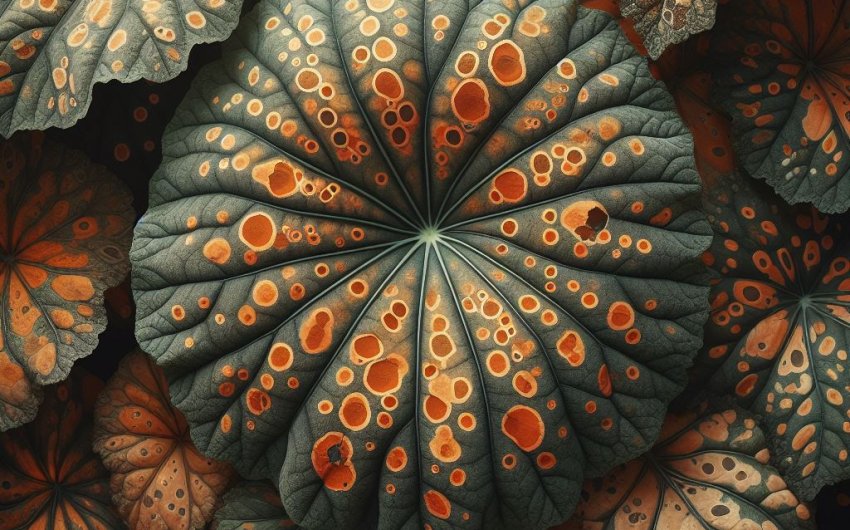
Spot the spot: Investigating brown spots on plant leaves requires a detective's eye, as these unsightly marks are common symptoms of various plant problems, ranging from simple environmental stressors to more serious pest infestations or fungal diseases. Understanding the characteristics of these spots – their size, shape, location, and accompanying symptoms – is crucial for accurately diagnosing the issue and implementing the correct solution to restore your plant's health and beauty. Effective troubleshooting means carefully observing the details of the spots.
Why Do Brown Spots Appear on Plant Leaves in the First Place?
Brown spots on plant leaves are like a plant's way of telling us something is wrong, a visual distress signal that something isn't quite right in its world. Unlike other colors, brown often indicates tissue death – that part of the leaf has dried out, withered, or been destroyed. This discoloration can stem from a wide array of issues, making investigating brown spots on plant leaves a common challenge for gardeners.
Here's why brown spots typically show up:
1. Water-Related Problems (Too Much or Too Little)
Water is fundamental to plant life, and imbalances in watering are a leading cause of brown spots.
- Underwatering/Drought Stress:
- How it happens: When a plant doesn't get enough water, its cells don't have enough fluid to remain turgid (full). The plant tries to conserve moisture by letting parts of its leaves dry out and die.
- What it looks like: Brown spots or crispy edges, often starting at the tips or margins of leaves, progressing inward. The entire leaf might eventually dry up and turn brown. The soil will feel bone dry.
- Overwatering/Root Rot:
- How it happens: This is often counterintuitive, but overwatering can cause brown spots too! When roots sit in soggy soil for too long, they get deprived of oxygen and start to rot. Damaged roots can't absorb water or nutrients, even if there's plenty in the soil.
- What it looks like: Brown or black spots, often soft or mushy, sometimes surrounded by yellow. Leaves might turn entirely yellow before browning and falling off. The soil will feel consistently wet and might smell foul.
2. Environmental Stressors (Light, Temperature, Humidity)
Plants are sensitive to their surroundings, and harsh environmental conditions can easily lead to brown spots.
- Sunburn/Scorching:
- How it happens: Too much direct, intense sunlight (especially for plants that prefer shade, or when moving a plant suddenly into brighter light) can literally burn the leaf tissue.
- What it looks like: Irregular brown or bleached spots, often crispy, appearing on the parts of the leaves directly exposed to the sun.
- Cold Damage/Frost:
- How it happens: Exposure to freezing temperatures (or even just very cold drafts for sensitive houseplants) causes water in plant cells to freeze, rupturing cell walls.
- What it looks like: Dark brown or black, water-soaked spots that become crispy as they dry. Often affects entire sections or margins of leaves.
- Low Humidity:
- How it happens: Many tropical plants need high humidity. In dry environments, water evaporates too quickly from their leaves, leading to dehydration of leaf margins.
- What it looks like: Dry, crispy brown tips and edges, often seen on houseplants during winter when indoor air is very dry.
3. Fungal and Bacterial Diseases
Microorganisms are common culprits, causing specific patterns of brown spots.
- Fungal Leaf Spots:
- How it happens: Fungi spread through spores, often thriving in humid, damp conditions, attacking leaf tissue.
- What it looks like: Round or irregular brown spots, sometimes with a yellow halo or darker rings (like a bullseye). The spots might grow larger, merge, and eventually cause holes or leaf drop. Black spots, gray spots, or fuzzy growth may also be present.
- Bacterial Leaf Spots:
- How it happens: Bacteria enter through wounds or natural openings, causing infections.
- What it looks like: Often angular or irregular brown spots, sometimes water-soaked in appearance, and frequently dark or black. They might be surrounded by a yellow halo and can feel somewhat slimy.
4. Pest Infestations
Insects can cause damage that results in brown spots.
- Sucking Pests (Spider Mites, Thrips, Aphids, Scale, Mealybugs):
- How it happens: These pests pierce plant cells and suck out vital plant juices. The damaged cells die and turn brown.
- What it looks like: Tiny brown or silvery spots (stippling) where cells have been drained. For spider mites, you might see fine webbing. Scale and mealybugs are visible as bumps or cottony masses. Over time, extensive feeding can cause large areas of browning.
5. Nutrient Deficiencies or Excesses
Imbalances in the plant's diet can manifest as spots.
- Nutrient Burn (Excess Fertilizer):
- How it happens: Too much fertilizer can draw water out of the plant's roots (osmosis) or build up toxic salt levels, "burning" the leaf tissue.
- What it looks like: Crispy brown tips and edges, often appearing quickly after fertilization.
- Nutrient Deficiencies: While less common for distinct brown spots, severe deficiencies (e.g., potassium deficiency) can sometimes cause browning along leaf margins or between veins as tissue dies.
By carefully observing the characteristics of the brown spots and considering the plant's recent care and environment, you can narrow down the potential causes and begin the process of investigating brown spots on plant leaves to restore your plant's health.
How Do You Differentiate Between Common Causes of Brown Spots?
Differentiating between the various causes of brown spots on plant leaves can feel like a detective challenge, but by observing specific details of the spots themselves and the surrounding plant and environment, you can narrow down the culprits. Each problem leaves its own set of clues, and understanding these subtle differences is key to accurately investigating brown spots on plant leaves and choosing the right solution.
Here’s a guide to help you differentiate:
1. Examine the Spots Themselves (Color, Shape, Texture)
- Crispy Brown Tips/Edges (Often from Underwatering, Low Humidity, or Nutrient Burn):
- Appearance: Dry, crunchy, often starting at the very edge or tip of the leaf and progressing inward. The affected tissue feels brittle.
- Key Differentiators:
- Underwatering: Soil is bone dry. Leaves might generally wilt. Affects older leaves first, then newer ones.
- Low Humidity: Soil might be moist, but air is dry. Often seen on tropical houseplants in winter.
- Nutrient Burn: Occurs after recent fertilization. Can affect multiple leaves, including newer ones. Leaves might look overly green and shiny initially. White crusts might be on the soil surface.
- Irregular Brown/Black Patches (Often from Overwatering/Root Rot or Cold Damage):
- Appearance: Soft, mushy, or water-soaked brown to black areas. Can be splotchy or spread rapidly.
- Key Differentiators:
- Overwatering/Root Rot: Soil is consistently soggy. Leaves may yellow first, then brown. Plant growth is generally stunted. Often accompanied by a foul smell from the soil or mushy roots if you check them. Affects lower/older leaves first.
- Cold Damage: Occurs after exposure to cold temperatures or frost. Spots appear quickly and are often localized to areas exposed to cold.
- Round, Circular, or Angular Brown Spots (Often Fungal or Bacterial Diseases):
- Appearance: Distinctly shaped spots.
- Key Differentiators:
- Fungal Leaf Spots: Often perfectly round or irregular, sometimes with a yellow halo or concentric rings (like a bullseye). Might have tiny black dots within the spot (fungal spores). Can be powdery or fuzzy underneath (mold growth). Thrive in humid conditions, often spreading rapidly.
- Bacterial Leaf Spots: Often more angular (constrained by leaf veins), can appear water-soaked or greasy. May also have a yellow halo. Can sometimes feel slimy. Spread quickly in wet conditions.
2. Observe the Location of the Spots
- Oldest/Lower Leaves: Often affected first by underwatering, overwatering/root rot, and general nutrient deficiencies.
- Newest/Top Leaves: More often affected by nutrient excesses (burn), some viral diseases (though less common for pure brown spots), or severe pest infestations.
- Tips and Edges: Very common for underwatering, low humidity, nutrient burn, and some deficiencies (e.g., potassium).
- Patches Exposed to Sun: A strong indicator of sunburn/scorch.
3. Check for Other Symptoms on the Plant
- Wilting: If leaves are wilting despite moist soil, it strongly points to overwatering/root rot (damaged roots can't take up water). If wilting with dry soil, it's underwatering.
- Pests: Look closely for tiny insects (spider mites often leave tiny dots and fine webbing), sticky residue (aphids, scale), or visible bugs on the undersides of leaves or stems. A magnifying glass for plant inspection can be very helpful.
- Overall Plant Vigor: Is the plant generally healthy but for a few spots, or is it in widespread decline? Widespread decline points to systemic issues like root rot or severe environmental stress.
- Leaf Drop: Premature leaf drop (especially yellowing, then browning) can indicate severe root rot or extreme underwatering.
4. Assess the Environment and Recent Care
- Watering Habits: Have you been consistent? Are you overwatering or underwatering? Use a soil moisture meter for accuracy.
- Light Exposure: Has the plant been moved? Is it getting too much or too little direct sun?
- Temperature: Has there been a cold snap or extreme heat?
- Humidity: Is the air very dry, especially for a tropical plant?
- Fertilization: Have you recently fertilized, and at what strength?
- New Plants/Repotting: Was the plant recently transplanted or brought home (stress can cause browning)?
By systematically considering these factors, you can move from simply seeing brown spots on plant leaves to confidently identifying the most likely cause, making your investigating brown spots on plant leaves much more effective.
What Environmental Stressors Cause Brown Spots on Leaves?
Many cases of brown spots on plant leaves don't involve pests or diseases at all, but rather environmental stressors that push a plant beyond its comfort zone. Understanding these common non-biological culprits is crucial for accurate diagnosis and for creating an optimal growing environment that prevents future issues. These factors often cause a plant to shed or damage its leaves in defense.
Here are the primary environmental stressors that lead to brown spots:
- Improper Watering (Both Under and Over):
- Underwatering/Drought Stress:
- How it happens: The plant isn't getting enough water to support its physiological processes. Cells lose turgor, dry out, and die.
- Symptoms: Brown, crispy tips and edges that spread inwards. Leaves may feel dry and brittle. The plant might wilt significantly before browning. Soil will be bone dry.
- Solution: Water thoroughly when the top inch or two of soil feels dry (or according to plant-specific needs). Ensure consistent moisture.
- Overwatering/Poor Drainage (leading to Root Rot):
- How it happens: Roots sitting in perpetually soggy soil are deprived of oxygen, leading to root cell death and decay (root rot). Damaged roots cannot absorb water or nutrients, causing the plant to effectively dehydrate despite being in wet soil.
- Symptoms: Irregular brown or black spots, often mushy or soft, sometimes surrounded by yellowing. Leaves may also wilt and then turn brown. Soil remains perpetually wet, often with a foul odor.
- Solution: Allow soil to dry out between waterings. Ensure pots have drainage holes and use well-draining potting mix. Repot if root rot is suspected.
- Underwatering/Drought Stress:
- Too Much or Too Little Light:
- Sunburn/Scorching:
- How it happens: Plants accustomed to lower light (or any plant suddenly exposed to intense direct sun, especially after being indoors or on a cloudy day) can get their leaf tissue burned by the harsh UV rays and heat.
- Symptoms: Irregular brown or bleached spots, often crispy, appearing on the parts of the leaves most exposed to light. These spots typically appear quickly after exposure.
- Solution: Move the plant to a spot with appropriate light levels. Introduce plants to brighter light gradually over a week or two. Use shade cloth for plants if needed outdoors.
- Insufficient Light:
- How it happens: While less common for distinct brown spots, chronic low light can weaken a plant, making it more susceptible to other issues that cause browning (like disease). Leaves might yellow and then turn brown and drop prematurely.
- Solution: Provide adequate light levels for the specific plant species.
- Sunburn/Scorching:
- Low Humidity:
- How it happens: Many tropical houseplants originate from humid environments. In dry indoor air (especially during winter heating), water evaporates too quickly from their leaves (transpiration), exceeding what the roots can supply. This causes leaf tissue to dry out and die, particularly at the margins.
- Symptoms: Crispy brown tips and edges, often starting on older leaves. The browning is typically dry, not mushy.
- Solution: Increase humidity around the plant using a room humidifier for plants, pebble trays, or grouping plants together.
- Temperature Extremes (Cold or Heat):
- Cold Damage/Frost:
- How it happens: Freezing temperatures or even cold drafts can cause water within leaf cells to freeze and expand, rupturing cell walls.
- Symptoms: Dark brown or black, water-soaked spots that become crispy as they dry. Often affects entire leaves or sections. Can appear overnight.
- Solution: Protect plants from frost and cold drafts. Bring sensitive plants indoors.
- Heat Stress:
- How it happens: Excessive heat, especially combined with low humidity, can overwhelm a plant's ability to cool itself through transpiration. This can lead to cell damage and desiccation.
- Symptoms: Browning of leaf edges, general wilting, and sometimes patchy brown spots as cells die from overheating.
- Solution: Provide shade during the hottest parts of the day. Ensure adequate watering.
- Cold Damage/Frost:
- Nutrient Imbalances (Burn or Deficiency):
- Nutrient Burn/Excess Fertilizer:
- How it happens: Too much fertilizer (especially synthetic salts) can "burn" roots or foliage. It draws water out of plant cells or builds up toxic levels in the soil.
- Symptoms: Crispy brown leaf tips and edges, often appearing relatively quickly after fertilization. Soil may have a white, crusty residue.
- Solution: Flush the soil thoroughly with plain water. Reduce fertilizer strength and frequency.
- Nutrient Deficiencies:
- How it happens: While less common for distinct brown spots, severe deficiencies of mobile nutrients (like potassium) can cause browning along leaf margins as the plant sacrifices older leaves to supply newer growth.
- Solution: Ensure a balanced fertilization program based on your plant's needs. Conduct a soil test if unsure.
- Nutrient Burn/Excess Fertilizer:
By carefully evaluating these environmental conditions and ruling out improper care, you can effectively narrow down the potential reasons for brown spots on plant leaves, moving closer to an accurate diagnosis and effective solution. This systematic approach is key to investigating brown spots on plant leaves.
How Can Pests and Diseases Cause Brown Spots on Leaves?
When brown spots on plant leaves appear, beyond environmental stressors, a common cause lies with unwelcome guests: pests and diseases. These biological invaders attack plant tissue in various ways, leading to discoloration, damage, and ultimately, brown spots that indicate cellular death or decay. Recognizing the specific patterns and accompanying signs of these biological problems is crucial for accurate diagnosis and targeted treatment, forming an essential part of investigating brown spots on plant leaves.
Here's how pests and diseases cause brown spots:
1. Pest Infestations
Pests cause brown spots by physically damaging plant cells or by sucking out their vital fluids.
- Spider Mites:
- How they cause damage: These tiny arachnids (not insects) feed by piercing individual plant cells on the undersides of leaves and sucking out the chlorophyll and cell contents.
- Symptoms: Tiny, pinprick-sized pale or silvery-white spots (stippling) that, as infestation worsens, merge to form larger yellow or brown patches, giving the leaf a bronzed or dusty appearance. You might see fine webbing, especially on the undersides of leaves or between leaf axils. Leaves eventually turn entirely brown, become crispy, and fall off.
- Solution: Increase humidity, spray with a strong stream of water, or use insecticidal soap or horticultural oil.
- Thrips:
- How they cause damage: Tiny, slender insects that rasp plant tissue and suck out cell contents.
- Symptoms: Silvery or bronzed stippling on leaves, often accompanied by tiny black dots (their excretions). As damage progresses, the affected areas dry out and turn brown, often forming irregular patches. Flowers can also be distorted and browned.
- Solution: Insecticidal soap, neem oil, or predatory mites.
- Scale Insects and Mealybugs:
- How they cause damage: These sap-sucking insects attach themselves to stems and leaves, extracting large amounts of plant sap.
- Symptoms: Yellowing, stunted growth, and eventually brown spots or entire browning of leaves where they have fed extensively. You'll also see the visible pests (small, immobile bumps for scale; white, cottony masses for mealybugs) and often sticky honeydew.
- Solution: Scrape off pests, dab with rubbing alcohol, or use horticultural oil.
- Aphids:
- How they cause damage: While often causing yellowing and distortion, severe aphid infestations can lead to stippling or browning of leaves due to extensive sap removal.
- Symptoms: Clusters of small, pear-shaped insects, sticky honeydew, sooty mold, and sometimes localized browning if feeding is concentrated.
2. Fungal and Bacterial Diseases
These microscopic pathogens cause infections that kill leaf tissue directly.
- Fungal Leaf Spots (e.g., Anthracnose, Cercospora Leaf Spot, Septoria Leaf Spot):
- How they cause damage: Fungal spores land on wet leaves and penetrate the tissue, growing and killing cells as they feed. They thrive in humid, still, or wet conditions.
- Symptoms: Typically round or irregular brown spots, often with a distinct yellow halo. The spots might enlarge and merge, eventually causing leaves to wither and drop. Sometimes, tiny black dots (spore structures) are visible within the brown spots. They can appear fuzzy or powdery underneath in very humid conditions.
- Solution: Improve air circulation, reduce overhead watering, remove infected leaves, and use organic or synthetic fungicides if severe.
- Bacterial Leaf Spots (e.g., Xanthomonas, Pseudomonas):
- How they cause damage: Bacteria enter through wounds, stomata (leaf pores), or hydathodes (water pores), multiplying rapidly and causing cell breakdown.
- Symptoms: Often more angular brown or black spots, frequently appearing water-soaked or greasy, especially around the edges. A yellow halo may be present. The spots can sometimes feel soft or slimy. They spread quickly in warm, wet conditions.
- Solution: Remove infected leaves, improve air circulation, avoid overhead watering, and ensure good hygiene. Bactericides are generally not recommended for home gardeners.
- Rust Diseases:
- How they cause damage: Fungi that produce rust-colored spores. While usually appearing as orange or yellow pustules, severe infections can cause the affected leaf tissue to turn brown and die.
- Symptoms: Rust-colored powdery spots on the undersides of leaves, sometimes with yellowing on the top, leading to browning and leaf drop in severe cases.
- Solution: Improve air circulation, remove infected leaves, use targeted fungicides.
3. Root Diseases (Fungal Root Rots)
While technically attacking roots, root diseases severely impact the entire plant, leading to above-ground brown spots.
- How they cause damage: Fungi (like Pythium, Phytophthora, Fusarium) attack and rot the plant's root system in overly wet, poorly drained soil. When roots are compromised, they cannot supply the leaves with water and nutrients.
- Symptoms: Brown spots on leaves are a secondary symptom of root rot. The plant will show general decline, wilting (even in moist soil), yellowing, stunted growth, and eventual browning and collapse of entire leaves or the whole plant. The roots themselves will be mushy, brown, or black and may smell foul.
- Solution: Improve drainage, allow soil to dry between waterings, repot if severe, and remove affected roots.
Key to Diagnosis: Always look for additional clues! Pests are often visible. Fungal diseases often have distinct shapes and sometimes fuzzy growth. Bacterial diseases can look "water-soaked." Combining these observations with your care routine is essential for effective investigating brown spots on plant leaves.
What is a Step-by-Step Approach to Diagnosing Brown Spots?
When faced with brown spots on plant leaves, a systematic, step-by-step approach is the most effective way to accurately diagnose the problem and avoid unnecessary or incorrect treatments. Think of yourself as a plant detective, gathering clues from the plant, its environment, and your care routine. This structured method ensures you don't overlook critical details while investigating brown spots on plant leaves.
Here’s a step-by-step diagnostic guide:
Step 1: Observe the Spots Closely (Visual Clues)
Don't just see "brown spots" – look at the details!
- Color and Texture:
- Are they light brown, dark brown, or black?
- Are they dry and crispy, soft and mushy, or water-soaked?
- Is there a yellow halo around the spots?
- Are there concentric rings (like a target)?
- Shape and Size:
- Are they round, irregular, or angular (straight edges)?
- Are they tiny pinpricks, small dots, or large blotches?
- Are they growing or staying the same size?
- Location:
- Are they on old leaves, new leaves, or both?
- Are they on the tips, edges, between veins, or randomly scattered?
- Are they on the top surface, bottom surface, or both?
- Are they only on leaves facing a window/sun?
- Associated Signs:
- Is there any fuzzy growth, powdery coating, or sticky residue on or around the spots?
- Are there tiny black dots (spore structures) visible within the spots?
- Do the spots appear water-soaked or translucent?
Step 2: Inspect the Entire Plant (Beyond the Spots)
The spots might be just one symptom of a larger issue.
- Look for Pests:
- Carefully examine the undersides of leaves, stems, and leaf axils. Use a magnifying glass for plant inspection if needed.
- Look for tiny insects (spider mites, thrips, aphids, mealybugs, scale).
- Check for fine webbing (spider mites) or sticky honeydew.
- Check for Wilting:
- Is the plant wilting? If so, is the soil dry or wet? (This helps differentiate underwatering from root rot).
- Overall Vigor:
- Is the plant growing normally otherwise, or does it look stunted, pale, or generally unhealthy?
- Stem Inspection:
- Are there any dark, soft, or mushy areas on the stem?
- Any unusual growths or lesions?
Step 3: Examine the Soil and Roots (If Applicable)
The roots are the foundation of plant health, and soil conditions are crucial.
- Soil Moisture:
- Feel the soil with your finger to a depth of 1-2 inches. Is it bone dry, perfectly moist, or soggy?
- Consider using a soil moisture meter for accuracy throughout the pot.
- Drainage:
- Does the pot have drainage holes?
- Does water drain quickly after watering, or does it sit on the surface?
- Smell:
- Does the soil smell foul or rotten? (A strong indicator of root rot).
- Root Inspection (Carefully):
- Gently slide the plant out of its pot (if it's a potted plant).
- Are the roots white and firm (healthy) or brown, mushy, and smelly (root rot)?
- Are there any galls or swellings on the roots (nematodes)?
Step 4: Review Environmental Conditions and Care History
Think about any recent changes or ongoing issues.
- Watering Schedule: How often do you water? How much?
- Light Exposure: Has the plant's light changed recently? Is it getting too much direct sun or not enough light?
- Temperature: Has there been a sudden drop or spike in temperature? Are there cold or hot drafts?
- Humidity: Is the air very dry, especially for a plant that needs humidity?
- Fertilization: When was the last time you fertilized, and at what strength? Any recent over-fertilization?
- Recent Events: Has the plant been recently repotted, moved, or suffered any physical damage? Has new soil been added?
Step 5: Compare Clues and Form a Diagnosis
Based on all your observations, look for patterns that align with known plant problems.
- Crispy tips + dry soil + normal roots: Likely underwatering/low humidity.
- Mushy brown spots + soggy soil + rotten roots: Likely overwatering/root rot.
- Irregular crispy spots on sun-facing leaves: Likely sunburn.
- Round spots with yellow halo + humid conditions: Likely fungal leaf spot.
- Tiny stippling + webbing + tiny bugs: Likely spider mites.
If you're still unsure, take clear photos and consult with a local gardening expert, a reputable plant nursery, or your cooperative extension office. A thorough investigating brown spots on plant leaves helps ensure you find the correct solution.
What Are the Best Treatment Strategies for Brown Spots?
Once you've diligently performed your investigating brown spots on plant leaves and identified the likely cause, the next crucial step is to implement the correct treatment strategy. The approach to dealing with brown spots on plant leaves varies significantly depending on whether the issue is environmental, pest-related, or disease-driven. A misdiagnosis can lead to ineffective treatment or even worsen the problem.
Here are the best treatment strategies tailored to common causes:
1. For Water-Related Issues (Underwatering / Overwatering / Root Rot)
These are usually the easiest to correct with careful attention.
- Underwatering/Drought Stress:
- Solution: Begin a consistent and thorough watering schedule. Water deeply until water drains from the bottom of the pot. Ensure you are watering based on the plant's needs and soil dryness, not a strict calendar schedule. Consider using a watering reminder plant stake to help.
- Action: Prune off completely dried-up, crispy brown leaves.
- Overwatering/Root Rot:
- Solution: Immediately stop watering. Allow the soil to dry out significantly. Ensure excellent drainage. If the plant is in severe decline, gently unpot it, inspect the roots, and carefully prune away any mushy, brown, or black roots using sterile shears. Repot into fresh, well-draining soil mix.
- Action: Discard severely affected leaves. Do not water again until the soil is appropriately dry.
2. For Environmental Stressors (Light, Temperature, Humidity, Nutrients)
These solutions involve adjusting the plant's immediate environment.
- Sunburn/Scorching:
- Solution: Move the plant to a location with appropriate light levels for its species (brighter indirect light, dappled shade, or full shade if necessary). If transitioning to brighter light, do so gradually over several days.
- Action: Trim off severely burned leaves if they are unsightly or completely dead.
- Cold Damage/Frost:
- Solution: Protect plants from cold drafts and freezing temperatures. Bring sensitive plants indoors before frost.
- Action: Prune off any fully frosted or damaged leaves once the danger of cold has passed and the full extent of the damage is visible.
- Low Humidity:
- Solution: Increase humidity around the plant. Use a room humidifier for plants, place the plant on a pebble tray filled with water, or group plants together. Mist foliage regularly if the plant tolerates it.
- Action: Trim off unsightly crispy edges.
- Nutrient Burn (Excess Fertilizer):
- Solution: Flush the soil thoroughly with plain water several times to wash away excess salts. Then, significantly reduce the frequency or concentration of your fertilizer applications.
- Action: Trim off leaves with severe burn damage.
- Nutrient Deficiencies:
- Solution: Based on a soil test or confirmed deficiency, apply a balanced fertilizer or a targeted nutrient supplement. Ensure the soil pH is appropriate for nutrient uptake.
- Action: Correcting the deficiency will improve new growth, but existing damaged leaves usually won't recover their color.
3. For Pest Infestations
Early detection and consistent treatment are key to controlling pests.
- General Pest Control (Spider Mites, Thrips, Aphids, Mealybugs, Scale):
- Solution:
- Isolate: Immediately isolate infected plants to prevent spread.
- Physical Removal: For small infestations, physically remove pests (wipe off mealybugs with an alcohol-dipped cotton swab, spray aphids/spider mites with a strong stream of water).
- Horticultural Sprays: Apply neem oil for plants, insecticidal soap, or horticultural oil. Follow label instructions meticulously. Repeat applications are often necessary.
- Action: Trim off severely infested or damaged leaves to reduce pest load.
- Solution:
4. For Fungal and Bacterial Diseases
These often require sanitation and environmental modification, sometimes fungicides.
- Fungal Leaf Spots:
- Solution:
- Sanitation: Immediately remove and discard (do not compost) all affected leaves. Sterilize pruning shears between cuts.
- Improve Air Circulation: Increase spacing between plants. Ensure good air movement (e.g., with a fan).
- Reduce Moisture: Avoid overhead watering. Water at the base of the plant. Allow leaves to dry quickly.
- Fungicides (If Severe): For persistent or severe fungal infections, consider applying an organic (e.g., copper or sulfur-based) or synthetic fungicide. Follow label directions precisely.
- Action: Continued monitoring and preventative measures are crucial.
- Solution:
- Bacterial Leaf Spots:
- Solution:
- Sanitation: This is the primary control. Remove and destroy infected leaves immediately. Sterilize tools.
- Avoid Overhead Watering: Do not wet foliage.
- Improve Air Circulation: Essential to dry leaves and inhibit bacterial spread.
- No Chemical Cure: Chemical bactericides are generally not effective or available for home gardeners. Focus on cultural control.
- Action: Severe infections might require discarding the entire plant.
- Solution:
By accurately identifying the cause of brown spots on plant leaves and applying these targeted treatment strategies, you can effectively address the problem, promote healing, and restore your plant's vitality. This methodical approach ensures your efforts in investigating brown spots on plant leaves lead to successful outcomes and thriving greenery.