
Damping Off Defense: Preventing Plant Damping Off
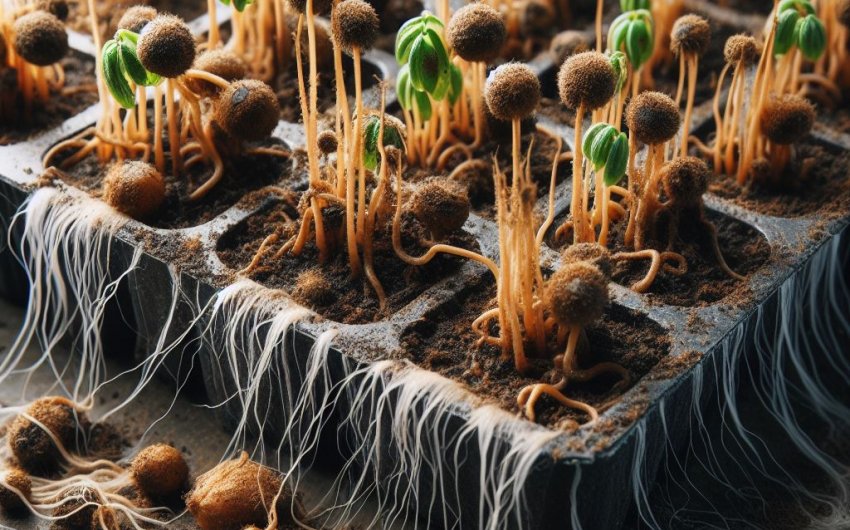
Damping off defense: Preventing plant damping off primarily involves creating an unfavorable environment for the soil-borne fungi responsible for this common seedling killer, focusing on hygiene, proper watering, and good air circulation. This critical step in seed starting ensures your fragile young plants have the best chance to grow strong and healthy, avoiding the sudden collapse that damping off causes. Successful preventing plant damping off relies on a few key, consistent practices.
What Exactly Is Damping Off and Why Is It Such a Problem?
Damping off is a dreaded and often heartbreaking disease that targets young seedlings, causing them to suddenly wither and die, often right after sprouting. It's one of the most common reasons for failure when starting seeds indoors, wiping out entire trays of promising young plants seemingly overnight. Understanding what causes it and why it's such a problem is the first step in building a strong damping off defense.
The Silent Killer of Seedlings
Imagine you've carefully planted your seeds, given them just the right amount of water and warmth, and watched excitedly as tiny green shoots emerge from the soil. Everything looks perfect! Then, one morning, you walk by and see your beautiful seedlings falling over at the soil line, looking mushy and shriveled. It's as if someone snipped them at the base. That, my friend, is damping off.
Damping off isn't caused by a single culprit but by a group of common soil-borne fungi and fungus-like organisms. The most frequent offenders include:
- Pythium
- Phytophthora
- Rhizoctonia
- Fusarium
These microscopic organisms live in soil and love damp, cool, stagnant conditions. They are always around, waiting for the perfect opportunity to strike.
How Does Damping Off Attack Your Seedlings?
Damping off attacks seedlings at two critical stages:
- Pre-Emergence Damping Off: This happens before you even see the seedling! The fungi attack the seed or the young sprout as it's trying to push through the soil. You might think your seeds simply didn't germinate, but in reality, they rotted before they could even break the surface.
- Post-Emergence Damping Off: This is what most people recognize. The seedling sprouts normally, looks healthy for a day or two, and then suddenly collapses. The fungi attack the stem tissue at the soil line, softening and constricting it. This causes the stem to become weak and unable to support the seedling, leading it to literally "damp off" and fall over. It looks like it's rotting from the bottom up.
Why Is Damping Off Such a Big Problem for Seed Starters?
Damping off is a major headache for several reasons:
- Sudden and Devastating: It can wipe out an entire tray of seedlings in a matter of hours. You go from a full tray of thriving plants to an empty, sad one very quickly.
- Invisible Enemy: You can't see the fungi directly. You only see the catastrophic results.
- Affects All Seedlings: While some plants are more susceptible than others, almost any young seedling can fall victim to damping off.
- Difficult to Stop Once Started: Once damping off takes hold in a seed tray, it's very difficult to stop its spread. The fungi thrive in the same conditions that initially encouraged your seeds to sprout!
- Mimics Other Problems: Sometimes, early yellowing or slow growth can be confused with nutrient deficiencies, delaying the correct intervention.
Understanding this invisible threat is the crucial first step in your damping off defense. By knowing what you're up against, you can actively start preventing plant damping off rather than reacting to it. Prevention is truly the only effective cure for this seedling killer.
What Are the Ideal Conditions for Damping Off Fungi to Thrive?
To build an effective damping off defense and start preventing plant damping off, it's essential to understand exactly what conditions allow the fungi responsible for this disease to flourish. These microscopic killers have specific preferences, and unfortunately, some of these preferences overlap with what we try to provide for healthy seed germination. Knowing their ideal environment allows us to disrupt it.
Damping off fungi absolutely love these conditions:
- Excessive Moisture (Overwatering):
- Why it's perfect: This is probably the biggest contributor. When the soil mix stays constantly wet and soggy, it creates a waterlogged environment where these fungi thrive. Plant roots get suffocated by the lack of air, becoming weak and prime targets for fungal attack.
- Your mistake: It's easy to overwater tiny seedlings, thinking they need constant hydration. But a constantly wet soil surface is a breeding ground for these fungi.
- Poor Air Circulation:
- Why it's perfect: Still, humid air without any movement creates a moist, stagnant microclimate right at the soil surface and around the delicate seedling stems. This is exactly what damping off fungi need to grow and spread.
- Your mistake: Using humidity domes without proper ventilation, or crowding seedlings too closely together, leads to stagnant air.
- Cool Temperatures (Especially for the Soil):
- Why it's perfect: Many damping off fungi are more active in cooler soil temperatures. While seeds often need some warmth to germinate, excessively cool soil combined with high moisture is a recipe for disaster.
- Your mistake: Placing seed trays in a cool room or letting them get cold overnight can encourage fungal growth while slowing down seedling development.
- Contaminated Planting Medium:
- Why it's perfect: If your seed starting mix isn't sterile, it already contains dormant fungal spores, just waiting for the right conditions to activate. Garden soil, potting soil (not specifically "seed starting mix"), or old, reused mix are common culprits.
- Your mistake: Using garden soil, potting soil not meant for seeds, or reusing old mix without sterilizing it.
- Contaminated Tools and Containers:
- Why it's perfect: Fungal spores can cling to dirty pots, seed trays, labels, watering cans, or even your hands. If these tools aren't clean, you can easily introduce the fungi to your sterile setup.
- Your mistake: Reusing old seed trays without washing and sterilizing them.
- Crowded Seedlings:
- Why it's perfect: Planting seeds too closely together creates a dense canopy of leaves and stems. This traps humidity, restricts airflow, and increases the chances of disease spreading rapidly from one seedling to another.
- Your mistake: Over-sowing seeds, trying to get as many plants as possible in one small tray.
By actively avoiding these conditions, you remove the welcome mat for damping off fungi. Think of it as creating a fortress for your seedlings! A dry, airy, clean, and appropriately warm environment is your best damping off defense against this common seedling killer. The goal is to make life very difficult for these unwanted guests, ensuring success in preventing plant damping off.
What Are the Most Important Steps for Preventing Damping Off?
The most effective approach to preventing plant damping off is a proactive one, focusing on hygiene, environmental control, and healthy plant practices right from the start. Since stopping damping off once it has taken hold is nearly impossible, a strong damping off defense built on prevention is your best bet for successfully nurturing your seedlings.
Here are the most important steps to take:
1. Start with Sterile Materials
This is perhaps the single most critical preventative measure.
- Use a Sterile Seed Starting Mix: Always use a fresh, high-quality, sterile seed starting mix. These mixes are specifically designed to be disease-free, lightweight, and offer good drainage and aeration.
- Avoid: Never use garden soil, old potting soil (unless sterilized), or compost directly for starting seeds, as these are highly likely to contain damping off fungi. Even if it looks clean, it probably isn't.
- Recommended: Look for brands like Espoma Organic Seed Starting Mix or Jiffy Seed Starting Mix.
- Sterilize Your Containers and Tools: Any pots, trays, labels, or tools that have been used before must be thoroughly cleaned and sterilized.
- Cleaning Process: Wash all containers and tools with hot, soapy water to remove all soil and organic debris.
- Sterilization: Soak them for at least 30 minutes in a solution of 1 part bleach to 9 parts water (e.g., 1/2 cup bleach per gallon of water). Rinse thoroughly with clean water and let them air dry completely.
- Avoid: Do not reuse seed starting mix from previous seasons.
2. Practice Proper Watering Techniques
Overwatering is a primary trigger for damping off.
- Water from the Bottom: This is ideal. Place your seed trays in a shallow tray of water and let the mix absorb water from the bottom until the surface appears moist. This keeps the top layer of soil drier, where damping off fungi are most active.
- Avoid Overhead Spraying (Excessively): When watering from above, use a fine mist or a gentle stream to avoid dislodging seeds or drenching the soil surface. A fine mist spray bottle is perfect for seedlings.
- Allow to Dry Slightly: Let the top layer of your seed starting mix dry out slightly between waterings. Don't let it stay soggy. Feel the weight of the tray – a lighter tray means it needs water.
- Good Drainage: Ensure your seed trays have adequate drainage holes.
3. Ensure Excellent Air Circulation
Stagnant, humid air is a damping off friend.
- Remove Domes Early: Once seeds have germinated, remove humidity domes immediately. They are great for germination but terrible for preventing damping off once seedlings emerge.
- Provide Air Movement: Place a small, oscillating fan to gently blow air across your seedlings. A gentle breeze strengthens stems and significantly reduces humidity around the plants. Do not aim the fan directly at the seedlings with strong force.
- Proper Spacing: Don't overcrowd your seeds. Plant them with adequate spacing to allow for good airflow between individual seedlings. If you sow too thickly, thin them out quickly once they've sprouted.
4. Provide Adequate Warmth and Light
Healthy, fast-growing seedlings are more resilient.
- Optimal Germination Temperature: Provide the correct temperature for germination using a seedling heat mat. This helps seeds sprout quickly and grow past their most vulnerable stage.
- Bright Light: Once sprouted, ensure seedlings receive strong, bright light (from grow lights, not just a windowsill). Leggy, weak seedlings that stretch for light are more susceptible to damping off. Keep grow lights just a few inches above the seedlings.
5. Consider Seed Treatments (Optional)
- Fungicide Seed Treatments: Some seeds come pre-treated with a fungicide. You can also purchase organic or synthetic seed treatments, but these are often not necessary if other preventative measures are strictly followed.
- Chamomile Tea Rinse: Some gardeners use a very dilute, cooled chamomile tea to water seedlings, as chamomile has mild antifungal properties.
By consistently applying these preventative measures, you build a robust damping off defense for your seedlings. Remember, the key is to create an environment that promotes strong, healthy seedling growth while simultaneously making it very difficult for damping off fungi to thrive. This vigilance is the best strategy for preventing plant damping off.
Can You Stop Damping Off Once It Starts?
The unfortunate truth is that stopping damping off once it visibly starts is extremely difficult, if not impossible, for the affected seedlings. Once you see a seedling collapse at the soil line, it's usually too late to save that individual plant. The focus shifts from saving the affected plant to protecting its healthy neighbors and preventing further spread, reinforcing the importance of a strong damping off defense.
Why It's So Hard to Stop
- Fungal Infection is Internal: By the time a seedling collapses, the fungus has already invaded the stem tissue at the soil line, causing significant internal damage. There's no way to reverse this decay.
- Rapid Spread: Damping off fungi produce spores that can spread quickly through a moist, crowded environment. Once one seedling shows symptoms, others in the same tray are likely already infected or highly susceptible.
- No "Cure" for Seedlings: There aren't effective treatments or fungicides that can rescue an already infected seedling.
What to Do When Damping Off Appears (Damage Control)
While you can't save the affected plants, you can take immediate action to try and protect the remaining healthy seedlings. This is about damage control and containment.
- Immediate Removal:
- Action: As soon as you spot a collapsed seedling, carefully remove it and a small amount of the surrounding soil mix. Do not allow it to stay in the tray.
- Why: This removes a source of fungal spores and prevents the infection from spreading further.
- Increase Air Circulation:
- Action: If you were using a humidity dome, remove it immediately. Ensure a gentle fan is blowing across the seedlings to dry the soil surface and create air movement.
- Why: Damping off fungi hate dry, airy conditions.
- Improve Drainage and Reduce Moisture:
- Action: If the soil mix is soggy, try to let it dry out more. If watering from above, switch to bottom watering to keep the surface drier. Ensure trays are not sitting in standing water.
- Why: Reduce the ideal environment for the fungi.
- Consider Thinning Healthy Seedlings:
- Action: If your healthy seedlings are crowded, carefully thin them out (e.g., by snipping at the base with sterile scissors) to improve airflow between them.
- Why: Reduces humidity and physical contact, making it harder for fungi to jump from plant to plant.
- Small Dose of Antifungal (Optional, for prevention of spread):
- Action: Some gardeners will apply a very dilute solution of chamomile tea or a commercial organic fungicide (like one containing Bacillus subtilis) to the soil around the healthy seedlings.
- Why: This might help suppress the fungal growth around healthy plants, but it's not a guaranteed cure for infected ones.
- Quarantine or Restart:
- Action: If a significant portion of a tray is affected, it might be best to discard the entire tray and restart with fresh, sterile materials. If only a small section is affected, you can try to quarantine the healthy portion, but often the fungal spores are already present throughout the tray.
- Why: Prevents wasting more time and resources on an unsalvageable situation.
The heartbreak of seeing damping off take hold in your seed trays is a strong motivator to commit to prevention. By understanding that stopping damping off once it starts is mostly an exercise in damage control, the focus firmly remains on meticulous upfront practices for a robust damping off defense. This proactive mindset is truly the key to successfully preventing plant damping off and nurturing thriving seedlings.
What Are Some Common Myths About Preventing Damping Off?
When trying to build a strong damping off defense and understand preventing plant damping off, you might come across various tips and tricks, some of which are not as effective as commonly believed, or even counterproductive. Separating fact from fiction is crucial to avoid wasting time and effort on strategies that don't truly work against this invisible foe.
Here are some common myths about preventing damping off:
- Myth: Sprinkling Cinnamon on the Soil Prevents Damping Off.
- Reality: While cinnamon has some antifungal properties, sprinkling it on the soil surface is generally not an effective long-term solution for preventing damping off.
- Why it's a myth: The amount of active antifungal compounds released from surface cinnamon is usually too low to combat the aggressive soil-borne fungi that cause damping off. It might offer a tiny, temporary deterrent, but it won't sterilize the soil or stop an active infection. Relying on this gives a false sense of security.
- Myth: Baking Soda Solution Will Cure Damping Off.
- Reality: Like cinnamon, baking soda (sodium bicarbonate) is sometimes cited as having fungicidal properties. However, a baking soda solution is not an effective cure for damping off.
- Why it's a myth: It's unlikely to reach the fungal hyphae (fungal "roots") deep enough in the soil or be strong enough to kill the fungi without harming the delicate seedlings. At best, it might slightly alter the surface pH, but won't stop the disease.
- Myth: Bottom Watering Guarantees No Damping Off.
- Reality: Bottom watering is an excellent practice for preventing plant damping off because it keeps the soil surface drier. However, it's not a foolproof guarantee.
- Why it's a myth: If your seed starting mix itself is already contaminated, or if the deeper layers of the soil remain constantly soggy due to poor drainage or infrequent drying, damping off can still occur. Bottom watering reduces the risk but must be combined with sterile medium, good drainage, and proper airflow.
- Myth: Watering with Chamomile Tea Cures Damping Off.
- Reality: Chamomile tea has mild antiseptic and anti-inflammatory properties, and some gardeners use a very weak, cooled solution. While it might offer a slight boost to seedling health or minor deterrent, it's not a cure or a primary preventative measure against aggressive damping off fungi.
- Why it's a myth: Its antifungal strength is minimal compared to the virulent fungi. It's often used more as an old wives' tale than a scientifically proven preventative.
- Myth: Strong Fertilization Makes Seedlings Resistant.
- Reality: Over-fertilizing young seedlings is actually detrimental and can weaken them, making them more susceptible to damping off and other problems. Seed starting mixes usually contain enough nutrients for the first few weeks.
- Why it's a myth: Too much fertilizer can burn delicate roots and upset the microbial balance in the soil, which can indirectly favor damping off fungi. Only fertilize with a very dilute solution after seedlings have developed their first true leaves and are actively growing.
- Myth: Damping Off Only Happens with Organic Mixes.
- Reality: Damping off can happen in any type of seed starting mix if the conditions are right for the fungi. While organic mixes may sometimes have more microbial activity, the presence of specific damping off fungi in any non-sterile or improperly managed mix can lead to the disease.
- Why it's a myth: The key is sterility and environmental control, not simply organic vs. synthetic.
Instead of relying on these myths, gardeners should focus on the scientifically proven preventative strategies: always use sterile seed starting mix, sterilize containers, ensure proper watering (avoiding sogginess), provide excellent air circulation, and give seedlings adequate light and warmth. This robust damping off defense is the true secret to successfully preventing plant damping off.