
How Can I Propagate a Mulberry Plant From Cuttings?
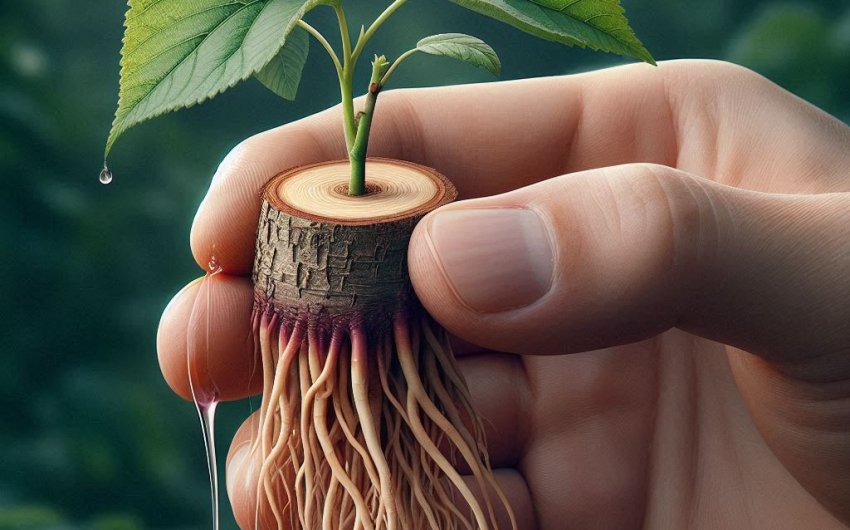
To propagate a mulberry plant from cuttings, select healthy, disease-free stems, prepare them carefully, apply rooting hormone, and then plant them in a well-draining rooting medium, providing consistent moisture and warmth until roots develop. Success rates vary by method and mulberry species, with softwood and semi-hardwood cuttings generally being more successful than hardwood.
Why Propagate Mulberry Plants from Cuttings?
Propagating mulberry plants from cuttings is a popular and rewarding method for several compelling reasons. It offers significant advantages over growing from seed, making it an attractive choice for gardeners looking to expand their mulberry collection or share with others.
- Genetic Fidelity (Cloning): When you propagate from cuttings, the new plant is a clone of the parent tree. This means it will have the exact same characteristics – the same fruit size, flavor, ripening time, growth habit, and disease resistance. If you love a particular mulberry tree, propagating from cuttings ensures you get more of exactly what you want. Growing from seed, on the other hand, can lead to genetic variation, and the resulting tree might not produce fruit of the same quality as the parent.
- Faster Fruiting: Trees grown from cuttings typically reach maturity and begin fruiting much faster than those grown from seed. A cutting might produce its first berries in 2-3 years, while a seedling could take 5-10 years or more. This speed is a huge draw for those eager to enjoy a mulberry harvest sooner.
- Cost-Effective: Once you have an existing mulberry tree, propagating from its cuttings is virtually free, saving you the cost of purchasing new saplings from nurseries.
- Convenience: Cuttings are relatively easy to take and manage compared to the more intricate process of seed stratification and germination.
- Accessibility: If you admire a mulberry tree in a friend's yard or a public space (with permission!), taking a cutting allows you to grow that specific variety in your own garden.
- Preserving Varieties: Propagating from cuttings helps preserve specific mulberry varieties, especially those that don't come true from seed or are difficult to germinate.
These benefits make learning how to propagate a mulberry plant from cuttings a valuable skill for any passionate gardener or fruit enthusiast.
What are the Different Types of Cuttings for Mulberry Propagation?
Mulberry plants can be propagated using different types of cuttings, each taken at a specific time of year and with varying success rates. Understanding these types is key to learning how to propagate a mulberry plant from cuttings effectively.
1. Softwood Cuttings
- Description: Taken from new, flexible growth that developed in the current growing season. It's still soft and pliable, but firm enough to snap when bent sharply.
- When to Take: Late spring to early summer (typically May to July in the Northern Hemisphere), after the initial flush of spring growth has slightly matured.
- Advantages: Generally the easiest type of mulberry cutting to root. The tissue is actively growing and responsive to rooting hormones.
- Disadvantages: More prone to wilting due to high transpiration (water loss through leaves). Requires high humidity and careful moisture management.
- Success Rate: Often the highest for mulberry, especially for certain species like Morus alba (White Mulberry).
2. Semi-Hardwood Cuttings
- Description: Taken from growth that has started to mature and harden off, but isn't fully woody yet. It's less flexible than softwood but still somewhat pliable. Often, the base of the cutting is harder than the tip.
- When to Take: Late summer to early fall (typically August to September).
- Advantages: More resilient to wilting than softwood cuttings. Still relatively responsive to rooting.
- Disadvantages: May take longer to root than softwood cuttings.
- Success Rate: Good for many mulberry varieties, can be a reliable alternative to softwood if you miss the earlier window.
3. Hardwood Cuttings
- Description: Taken from dormant, mature, woody stems that grew in the previous season. They are firm, inflexible, and have no leaves.
- When to Take: Late fall or winter, after the leaves have dropped and the plant is fully dormant (typically November to February).
- Advantages: Easy to collect and store. Less prone to wilting.
- Disadvantages: Typically the most challenging type of mulberry cutting to root. Rooting can be slow and unreliable. Requires precise conditions.
- Success Rate: Generally lower for mulberry compared to softwood or semi-hardwood, but possible with certain species and proper technique.
While all three types can be attempted, softwood and semi-hardwood cuttings typically offer the best success rates when learning how to propagate a mulberry plant from cuttings.
When is the Best Time to Take Mulberry Cuttings?
The best time to take mulberry cuttings depends on the type of cutting you plan to use, as each type corresponds to a specific growth stage of the plant. Timing is a critical factor for success when learning how to propagate a mulberry plant from cuttings.
Best Times for Each Type:
Softwood Cuttings:
- When: Late spring to early summer, usually from May through July in the Northern Hemisphere.
- Indicator: Look for new growth that has recently matured. It should be firm enough to snap when bent, but still pliable and not fully woody. The leaves will be fully expanded, but the stem will not have developed its full bark yet. This is often after the first flush of spring growth.
- Why: The cells are actively dividing and more receptive to forming new roots, leading to higher success rates.
Semi-Hardwood Cuttings:
- When: Late summer to early fall, typically from August through September.
- Indicator: Growth from the current season that has begun to harden off and become firmer. The leaves are still present, but the stem is less flexible than softwood.
- Why: These cuttings are less prone to wilting than softwood but still retain some of the active growth hormones that aid in rooting.
Hardwood Cuttings:
- When: Late fall or winter, after the leaves have dropped and the mulberry plant is fully dormant, usually from November through February.
- Indicator: Mature, fully woody stems that grew in the previous season. They should be firm and brittle when bent.
- Why: While generally harder to root, they are easy to collect in large quantities and can be stored. This method requires specialized conditions (bottom heat, long rooting period).
General Rule of Thumb for Highest Success:
For most home gardeners learning how to propagate a mulberry plant from cuttings, focusing on softwood cuttings taken in late spring/early summer will yield the highest success rates. This is when the plant's natural hormones are most conducive to root formation. If you miss this window, semi-hardwood cuttings are a good second option.
How Do You Select and Prepare Mulberry Cuttings?
Careful selection and preparation of mulberry cuttings are crucial steps in learning how to propagate a mulberry plant from cuttings successfully. Healthy cuttings have the best chance of rooting.
1. Selecting the Mother Plant and Stems:
- Healthy Parent Plant: Choose cuttings from a healthy, vigorous, and disease-free mulberry tree that produces desirable fruit. Avoid any branches showing signs of stress, pests, or disease.
- Optimal Growth:
- For softwood cuttings, look for new, vigorous growth that is firm enough to snap when bent, but not yet woody. It should have fully developed leaves.
- For semi-hardwood cuttings, select stems from the current season's growth that have started to mature and harden off.
- For hardwood cuttings, choose mature, dormant, pencil-thick stems that grew in the previous season.
- Avoid Damaged Wood: Do not take cuttings from branches that are already damaged, spindly, or unproductive.
2. Tools You'll Need:
- Sharp Pruning Shears or Knife: Essential for making clean cuts that minimize damage to the cutting and the parent plant. Sterilize your tools with rubbing alcohol or a 10% bleach solution before and after use to prevent disease spread. You can use a pair of Bypass Pruning Shears.
- Bucket of Water: Immediately place cuttings in a bucket of water after taking them to prevent wilting.
3. Preparing the Cuttings:
- Length: Aim for cuttings that are 6-12 inches (15-30 cm) long. Softwood cuttings might be on the shorter side, while hardwood can be longer.
- Top Cut: Make a straight cut just above a node (where a leaf or bud is attached) at the top of the cutting. This helps you identify the top end.
- Bottom Cut: Make an angled (45-degree) cut just below a node at the bottom of the cutting. The angle helps increase the surface area for rooting and helps distinguish the bottom.
- Remove Lower Leaves (Softwood/Semi-hardwood): Remove all leaves from the lower 2/3 to 1/2 of the cutting. This reduces water loss (transpiration) and prevents leaves from rotting once planted in the rooting medium. Leave 2-4 leaves at the top.
- Optional: Score the Bottom (for hardwood): For hardwood cuttings, some propagators gently score a small strip of bark (about 1 inch long) from one side of the base of the cutting. This exposes more cambium tissue, which is where roots form.
- Immediate Hydration: As you prepare each cutting, immediately place the bottom end into a bucket of water or a damp paper towel to keep them hydrated until you're ready to apply rooting hormone and plant.
By carefully selecting healthy stems and preparing them with clean, precise cuts, you significantly increase your chances of successful root development, laying a strong foundation for how to propagate a mulberry plant from cuttings.
What Rooting Medium is Best for Mulberry Cuttings?
The choice of rooting medium significantly impacts the success rate when learning how to propagate a mulberry plant from cuttings. The ideal medium provides good aeration, drainage, and just enough moisture retention to encourage root development without causing rot.
Key Qualities of a Good Rooting Medium:
- Excellent Drainage: Prevents waterlogging and allows oxygen to reach the cut ends, which is critical for root formation.
- Good Aeration: Roots need air to grow.
- Moisture Retention: Holds enough moisture to keep the cuttings hydrated without being soggy.
- Sterile/Disease-Free: Reduces the risk of fungal diseases that can rot cuttings.
- Low Nutrients: The focus is on rooting, not feeding. Cuttings derive energy from their stored carbohydrates initially.
Recommended Rooting Media:
Perlite and Peat Moss Mix (Most Popular and Recommended):
- Ratio: A 50/50 mix of Horticultural Perlite and Sphagnum Peat Moss is widely considered the best all-around rooting medium.
- Pros: Perlite provides excellent aeration and drainage; peat moss retains moisture and offers some slight acidity which mulberries prefer. This combination is consistently good.
- How to Prepare: Mix thoroughly and moisten before use. Peat moss is hydrophobic when dry, so you may need to add a small amount of wetting agent (like a drop of dish soap) to the water when first moistening it, then rinse thoroughly.
Coarse Sand:
- Pros: Provides excellent drainage and aeration. Inexpensive.
- Cons: Dries out very quickly, requiring frequent watering. Retains very little moisture or nutrients. Can be heavy. Use coarse horticultural or play sand, not fine builder's sand.
Perlite:
- Pros: Superb drainage and aeration, lightweight, sterile.
- Cons: Dries out very quickly, holds almost no moisture or nutrients. Requires very frequent watering.
Vermiculite:
- Pros: Good moisture retention, fairly good aeration, lightweight.
- Cons: Can sometimes hold too much water if not managed carefully, potentially leading to rot. Can compact over time.
Potting Mix (Lightweight):
- Pros: Convenient.
- Cons: Many standard potting mixes are too dense and retain too much water for cuttings, increasing the risk of rot. If using, choose a very light, well-draining seed-starting mix or amend a regular potting mix heavily with perlite.
Preparing the Medium:
- Moisten First: Always moisten your chosen rooting medium thoroughly before placing cuttings. It should be damp like a wrung-out sponge, not soggy.
- Fill Containers: Fill rooting trays or individual pots (with drainage holes!) with the prepared moist medium.
By providing the right rooting medium, you create an environment that encourages root formation while discouraging rot, significantly improving your success rates for how to propagate a mulberry plant from cuttings.
How to Apply Rooting Hormone and Plant Cuttings?
Applying rooting hormone and correctly planting your mulberry cuttings are crucial steps in learning how to propagate a mulberry plant from cuttings. Rooting hormone can significantly increase success rates, especially for more challenging varieties.
1. Choosing a Rooting Hormone:
Rooting hormones typically contain synthetic auxins (plant hormones that promote root growth). They come in powder, gel, or liquid forms.
- Powder: Most common and easiest for beginners. Look for a product with Indole-3-butyric acid (IBA) or Naphthaleneacetic acid (NAA). A mid-strength (e.g., 0.1% to 0.3% IBA) is usually good for mulberry softwood/semi-hardwood. For hardwood, a stronger concentration (0.4% to 0.8% IBA) might be needed. Garden Safe TakeRoot Rooting Hormone is a popular powder.
- Gel/Liquid: Adhere well to cuttings and offer consistent application. Often used by more experienced propagators.
2. Applying Rooting Hormone:
- Prepare a Small Amount: Pour a small amount of rooting hormone powder into a separate dish or onto a paper towel. Never dip your cutting directly into the original container, as this can contaminate the entire supply.
- Moisten (Optional for Powder): If using powder, lightly moisten the bottom 1 inch of the cutting with clean water. This helps the powder adhere better.
- Dip the Cutting: Dip the bottom 1-2 inches (2.5-5 cm) of the prepared cutting into the rooting hormone.
- Tap Off Excess: Gently tap the cutting to remove any excess powder. You want a thin, even coating, not clumps.
3. Planting the Cuttings:
- Prepare Holes in Medium: Using a dibbler (a pencil or stick), make holes in your moistened rooting medium. The holes should be slightly larger than the cutting to avoid rubbing off the rooting hormone as you insert it.
- Insert Cuttings: Carefully insert the treated end of each cutting into a prepared hole.
- Depth: Plant deep enough so that at least one node (where leaves were removed) is buried below the soil line. This is crucial as roots often emerge from nodes. Bury about 1/2 to 2/3 of the cutting's length.
- Spacing: If planting multiple cuttings in a tray, space them far enough apart so their leaves don't touch (typically 2-4 inches apart), ensuring good air circulation.
- Firm the Medium: Gently firm the rooting medium around the base of each cutting to ensure good contact. Do not compact it heavily.
- Initial Watering: Water lightly to settle the medium around the cuttings.
Key Tips for Planting:
- Cleanliness: Maintain scrupulous cleanliness with all tools and containers to prevent fungal diseases.
- Immediate Action: Work quickly after taking cuttings and applying hormone. Cuttings should not be left to dry out.
- Gentle Handling: Handle cuttings carefully to avoid damaging the cut ends or the newly applied hormone.
By meticulously following these steps for hormone application and planting, you significantly boost the chances of successful root development, which is paramount for how to propagate a mulberry plant from cuttings.
What are the Ideal Environmental Conditions for Rooting Mulberry Cuttings?
Providing the right environmental conditions is crucial for successful rooting when learning how to propagate a mulberry plant from cuttings. These conditions create a mini-greenhouse effect that encourages root growth while preventing stress.
1. High Humidity:
- Why: Cuttings have no roots to absorb water, but they still lose moisture through their leaves (transpiration). High humidity reduces this water loss, keeping the cutting hydrated until roots form.
- How to Achieve:
- Humidity Dome/Plastic Bag: Cover your rooting tray or individual pots with a clear plastic dome, a clear plastic bag (Clear Plastic Bags for Plants), or clear cling film. Ensure the plastic doesn't touch the leaves directly (use stakes if needed).
- Misting: Mist the cuttings and the inside of the humidity cover periodically (daily or every other day) to maintain humidity, especially when first set up.
- Ventilation: Briefly open the cover for 15-30 minutes once a day to allow for air exchange and prevent fungal issues from excess humidity.
2. Consistent Moisture in Rooting Medium:
- Why: The rooting medium needs to remain consistently moist, not soggy, to provide water to the cutting and encourage root development.
- How to Achieve: Water thoroughly when you first plant. Then, check the moisture daily by feeling the medium. Re-water lightly if the surface starts to dry, or if the container feels light. Bottom watering (placing the tray in a shallow pan of water for 15-30 minutes) can also be effective.
3. Warm Temperatures:
- Why: Warmth encourages metabolic activity and cell division, speeding up root formation.
- Optimal Temperature: Aim for ambient air temperatures around 70-75°F (21-24°C).
- Bottom Heat (Highly Recommended): Providing consistent warmth to the base of the cuttings is particularly beneficial. A Seedling Heat Mat placed under the rooting tray can raise the temperature of the rooting medium to ideal levels (e.g., 75-80°F / 24-27°C), significantly improving success, especially for semi-hardwood and hardwood cuttings.
4. Indirect but Bright Light:
- Why: Cuttings need light for limited photosynthesis to survive, but direct sun can overheat them and cause excessive water loss (wilting).
- How to Achieve: Place the rooting setup in a location that receives bright, indirect light. A north-facing window, under a grow light set to a lower intensity, or in a shaded outdoor spot works well.
5. Air Circulation (Intermittent):
- Why: While high humidity is needed, stagnant, overly humid air can promote fungal diseases like damping-off.
- How to Achieve: As mentioned, open the humidity dome or plastic bag for a brief period each day to allow for fresh air exchange.
By meticulously managing these environmental factors, you create the optimal conditions that coax your mulberry cuttings into forming strong, viable roots, maximizing your success when learning how to propagate a mulberry plant from cuttings.
How Long Does It Take for Mulberry Cuttings to Root and What are the Signs?
Patience is a virtue when propagating mulberry plants from cuttings. The time it takes for roots to form can vary significantly based on the type of cutting, environmental conditions, and the specific mulberry variety. Knowing what to look for will help you gauge progress in learning how to propagate a mulberry plant from cuttings.
Timeframe for Rooting:
- Softwood Cuttings: Generally the fastest, taking anywhere from 4-8 weeks to develop sufficient roots.
- Semi-Hardwood Cuttings: Usually take a bit longer, often around 6-12 weeks.
- Hardwood Cuttings: These are the slowest and most variable, potentially taking 3-6 months or even longer, and sometimes they don't root at all.
Signs of Rooting Success:
- New Leaf Growth: This is often the first visible sign of success. If you see new leaves emerging from the nodes at the top of the cutting, it indicates that the cutting is still alive and has enough energy to put out new growth. However, new leaf growth alone doesn't guarantee roots; sometimes, cuttings can put out leaves using stored energy but still fail to root. It's a positive indicator but not definitive.
- Resistance When Gently Tugged: After a few weeks (and once you see new leaf growth), you can very, very gently tug on a cutting. If you feel slight resistance, it suggests roots are forming and anchoring the cutting in the medium. Be extremely gentle as new roots are fragile. If it pulls out easily, replant and wait longer.
- Roots Visible (if using clear containers): If you're using clear plastic cups or containers, you might be able to see white roots emerging and growing along the sides or out the bottom drainage holes. This is the most definitive sign of success.
- Overall Vigor: The cutting should look healthy, with firm, green leaves (not drooping or yellowing excessively, unless it's normal senescence for semi-hardwood).
What to Do After Rooting:
- Gradual Acclimatization: Once cuttings have developed a good root system (typically 1-2 inches long and branched), they need to be gradually acclimatized to lower humidity.
- Start by propping open the humidity dome or plastic cover for a few hours each day for a few days.
- Then, increase the time the cover is off, eventually removing it completely over 1-2 weeks.
- This prevents "transplant shock" when they move to normal air humidity.
- Potting Up: Once acclimatized, carefully pot each rooted cutting into its own small pot (e.g., 4-inch or 1-gallon) filled with a well-draining potting mix.
- Ongoing Care: Continue to provide consistent moisture and bright, indirect light. Gradually introduce them to more direct sunlight over several weeks.
By observing for these signs and patiently allowing sufficient time, you'll be able to successfully root your mulberry cuttings, moving closer to having new, mature mulberry trees, all thanks to learning how to propagate a mulberry plant from cuttings.
How Do You Transplant Rooted Mulberry Cuttings?
Transplanting rooted mulberry cuttings is a critical step in their journey from small cutting to established tree. This process requires careful handling to avoid damaging the delicate new roots.
1. When to Transplant:
- Adequate Roots: Only transplant once your cuttings have developed a robust root system. This typically means roots that are at least 1-2 inches (2.5-5 cm) long and well-branched, not just a few wispy strands. You should feel definite resistance when gently tugging. If using clear containers, you'll see roots circling the pot.
- Acclimatization: Ensure the cuttings have been gradually acclimatized to ambient humidity levels (as discussed in the previous section) before transplanting. Skipping this can cause severe shock.
2. Preparing for Transplanting:
- Choose the Right Pot: Select individual pots that are slightly larger than your rooting container, typically a 4-inch to 1-gallon pot. Ensure they have good drainage holes.
- Potting Mix: Use a high-quality, well-draining potting mix. A good general mix for young trees might include peat moss/coir, perlite, and a bit of compost. Avoid heavy garden soil at this stage. You can use an Organic Potting Mix for Trees.
- Water Well: Water the rooting medium an hour or two before transplanting. This helps the root ball hold together and reduces stress on the cutting.
- Tools: A small trowel or a spoon, and watering can.
3. The Transplanting Process:
- Fill New Pot: Fill the new pot partially with fresh potting mix. Create a small depression in the center.
- Remove Cutting Carefully:
- If using individual cells or small pots, gently squeeze the sides of the container and push the root ball up from the bottom.
- If cuttings are in a tray, carefully scoop out a cutting with its surrounding rooting medium, trying to keep the root ball intact as much as possible. A old spoon can work well for this.
- Minimize Root Disturbance: Avoid pulling the cutting by its stem or shaking off the rooting medium, as this can severely damage fragile new roots.
- Position the Cutting: Place the rooted cutting into the depression in the new pot. The top of the root ball should be at the same level as, or slightly below, the surface of the new potting mix.
- Fill and Firm: Fill around the root ball with more potting mix, gently firming it down to remove large air pockets. Do not compact it tightly.
- Water Thoroughly: Water the newly potted cutting immediately and thoroughly. Water until excess drains from the bottom of the pot.
4. Post-Transplant Care:
- Shaded Location Initially: Place the newly transplanted cuttings in a protected location that receives bright, indirect light for the first week or two. This allows them to recover from transplant shock without the added stress of intense direct sun.
- Consistent Moisture: Keep the potting mix consistently moist (but not soggy).
- Gradual Introduction to Sun: Over the next few weeks, gradually introduce the young plants to more direct sunlight, increasing exposure time a little each day.
- Fertilization: Begin a very dilute feeding schedule (e.g., 1/4 strength liquid fertilizer) once the plant shows signs of new growth and is actively growing in its new pot.
- Winter Protection (if applicable): If you rooted cuttings late in the season, they may need protection over winter (e.g., in a cold frame, unheated garage, or indoors) before being planted out in spring.
By carefully executing these transplanting steps, you ensure the continued healthy development of your mulberry plants, a rewarding outcome from learning how to propagate a mulberry plant from cuttings.
What are Common Problems and Troubleshooting Tips in Mulberry Propagation?
While learning how to propagate a mulberry plant from cuttings can be rewarding, you may encounter some common problems. Knowing how to troubleshoot them can significantly improve your success rate.
1. Cuttings Wilt and Die Soon After Planting:
- Problem: Cuttings droop, shrivel, and turn brown shortly after being set up.
- Common Causes:
- Insufficient Humidity: The most frequent cause. Cuttings lose water through leaves faster than they can absorb it without roots.
- Too Much Direct Sun/Heat: Overheating the cuttings or causing excessive transpiration.
- Cuttings Dried Out Before Planting: Not kept hydrated after being taken from the parent plant.
- Poorly Prepared Cuttings: Leaves not removed from bottom, or damaged stems.
- Solutions:
- Increase Humidity: Ensure your humidity dome or plastic cover is sealed well. Mist frequently.
- Provide Indirect Light: Move to a brighter, but not direct sun, location.
- Work Quickly: Process cuttings immediately after taking them.
- Re-evaluate preparation steps.
2. Cuttings Rot Before Rooting:
- Problem: The base of the cutting turns mushy, black, or develops fuzzy mold.
- Common Causes:
- Too Much Water in Medium: Soggy rooting medium leads to anaerobic conditions and encourages fungal rot.
- Poor Air Circulation: Stagnant, overly humid air.
- Contaminated Medium/Tools: Diseases introduced from unsterilized equipment or non-sterile medium.
- Cutting Not Cleanly Cut: Ragged cuts provide entry points for pathogens.
- Solutions:
- Improve Drainage: Ensure medium is just moist, not wet. If using a mix, add more perlite/sand.
- Ventilate: Open humidity dome daily for 15-30 minutes for air exchange.
- Sterilize: Use sterile rooting medium and clean/sterilize tools between each use.
- Make Clean Cuts.
- Consider a Fungicide Dip: For very susceptible species, a very dilute dip in a broad-spectrum fungicide (check label for rooting cuttings) before applying rooting hormone might be considered, though less common for mulberries.
3. Cuttings Put Out Leaves But No Roots:
- Problem: The cutting looks healthy, produces new leaves, but never develops roots.
- Common Causes:
- Using Stored Energy: The cutting uses carbohydrates stored in the stem to push out leaves, but lacks the necessary hormonal triggers or environmental conditions to form roots.
- Insufficient Rooting Hormone: Not enough or wrong type applied.
- Lack of Bottom Heat: Roots prefer warmer temperatures than leaves.
- Not Enough Buried Nodes: Roots often emerge from nodes.
- Solutions:
- Ensure Proper Rooting Hormone Use: Check strength and application method.
- Provide Bottom Heat: Use a seedling heat mat.
- Bury Enough Nodes: Ensure 1-2 nodes are below the soil line.
- Patience: Sometimes they just need more time.
4. No Activity at All / Very Slow Rooting:
- Problem: Cuttings just sit there, not rotting but not rooting either.
- Common Causes:
- Incorrect Timing: Hardwood cuttings can be very slow or difficult.
- Insufficient Warmth: Especially for hardwood cuttings.
- Variety Difficulty: Some mulberry varieties are simply harder to root from cuttings.
- Old/Dormant Hormone: Rooting hormone can lose potency.
- Solutions:
- Verify Timing: Are you using the correct type of cutting for the season?
- Provide Optimal Temperature/Bottom Heat.
- Ensure Fresh Rooting Hormone.
- Consider Grafting: If a specific mulberry variety consistently fails to root, grafting onto compatible rootstock might be a more viable option.
By understanding these common issues and applying the troubleshooting tips, you can significantly increase your success rate and truly master how to propagate a mulberry plant from cuttings.