
Flowing Tranquility: River Rock Landscaping Ideas for Your Garden Oasis
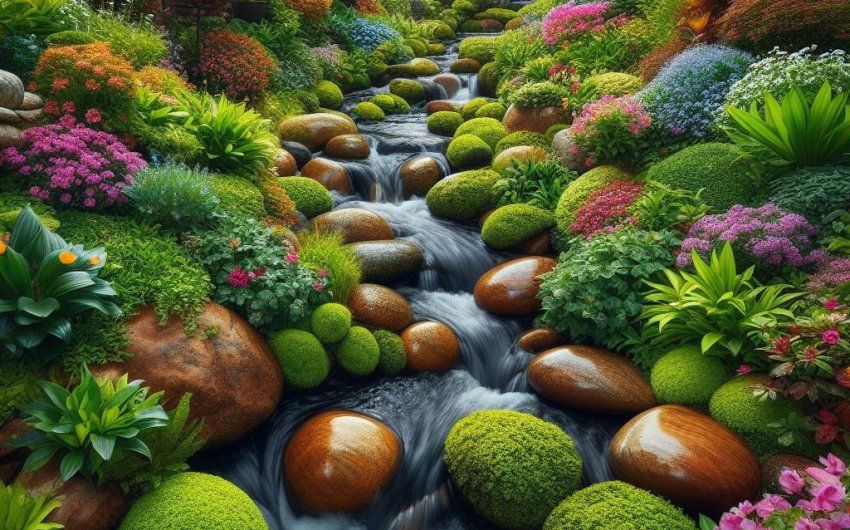
Flowing tranquility: River rock landscaping ideas for your garden oasis offer a versatile and beautiful way to introduce natural elements, texture, and a sense of calm to any outdoor space, mimicking the serene beauty of a natural waterway or dry riverbed. These smooth, rounded stones, available in various sizes and colors, provide exceptional aesthetic appeal while also serving practical purposes like drainage and weed suppression. Thoughtful integration of river rock landscaping ideas can transform a simple garden into a captivating, low-maintenance retreat.
Why Choose River Rock for Your Landscaping Project?
Choosing river rock for your landscaping project, whether it's for a small garden accent or a large-scale design, offers a wealth of benefits that go far beyond just aesthetics. These smooth, naturally weathered stones bring a unique blend of visual appeal and practical functionality, making them an excellent choice for a variety of river rock landscaping ideas for your garden oasis. Understanding these advantages can help you appreciate why they are such a valued material in garden design.
Here’s why river rock is such a popular and smart choice:
- Natural Beauty and Aesthetic Appeal:
- Smooth, Rounded Edges: Unlike crushed gravel or angular stones, river rocks have been naturally tumbled and smoothed by water over time. This gives them a soft, organic, and appealing aesthetic.
- Variety of Colors and Sizes: River rocks come in a diverse palette of natural colors – grays, browns, tans, reds, whites, and blacks – and a wide range of sizes, from small pebbles to large cobblestones. This variety allows for endless creative design possibilities.
- Mimics Nature: They evoke the serene beauty of natural riverbeds, dry creeks, and stream banks, adding an element of flowing tranquility to your landscape.
- Versatility: They complement virtually any garden style, from rustic and naturalistic to modern and minimalist.
- Excellent Drainage and Erosion Control:
- Pervious Surface: River rock creates a permeable surface that allows water to penetrate directly into the soil below, preventing runoff and improving groundwater recharge.
- Erosion Prevention: In dry creek beds or on slopes, strategically placed river rocks help to slow down the flow of water, preventing soil erosion and washing away of valuable topsoil.
- Problem Solver: Ideal for areas prone to puddling or where you need to manage stormwater effectively.
- Low Maintenance:
- Weed Suppression: When installed correctly with a quality landscape fabric underneath, river rock significantly suppresses weed growth by blocking sunlight.
- No Mowing/Watering: Unlike grass, river rock requires no mowing, watering, or fertilizing.
- Long-Lasting: Rocks don't decompose, fade, or blow away like mulch, meaning they don't need to be replaced annually. A proper installation will last for decades.
- Pest Deterrent: Can help deter some pests like slugs and snails who dislike crawling over rough (even if smooth to us) surfaces.
- Durability and Longevity:
- Weather-Resistant: River rocks are incredibly durable and withstand all types of weather conditions, from intense sun to heavy rain and freezing temperatures, without degrading.
- Stable: They don't compact like soil or decompose like organic mulches.
- Texture and Contrast:
- Visual Interest: They provide a wonderful textural contrast to soft foliage, grassy areas, and hardscaping elements like pavers or concrete.
- Focal Points: Larger river rocks or strategically arranged smaller ones can become compelling focal points or define garden beds.
- Pest Resistance:
- Unlike organic mulches which can harbor pests like termites or slugs, river rock does not attract these creatures.
- Cost-Effective (Long-Term):
- While the initial cost of purchasing and installing river rock might be higher than traditional mulch, its longevity and low maintenance often make it a more cost-effective solution over many years.
By incorporating river rock into your garden, you're not just adding aesthetic appeal; you're investing in a practical, durable, and low-maintenance solution that brings a sense of calm and natural beauty, making it a cornerstone for many fantastic river rock landscaping ideas for your garden oasis.
What Are the Different Types and Sizes of River Rock Available?
To fully realize your river rock landscaping ideas for your garden oasis, understanding the different types and sizes of river rock available is crucial. The choices you make regarding the stone's color, texture, and dimension will profoundly impact the aesthetic and functionality of your design, allowing you to create anything from a delicate Japanese garden path to a robust dry creek bed for managing stormwater. The sheer variety ensures a perfect fit for every vision.
Here's a breakdown of the different types and sizes of river rock you're likely to encounter:
1. Types of River Rock (Based on Origin/Composition/Color)
The specific type of river rock available to you will often depend on your geographical location, as different regions have different geological compositions.
- Granite River Rock:
- Appearance: Often features a mix of grays, blacks, whites, and sometimes flecks of pink or quartz. Can be very smooth and polished.
- Aesthetic: Provides a classic, elegant, and often cooler-toned look.
- Basalt River Rock:
- Appearance: Typically dark gray to black. Very dense and smooth.
- Aesthetic: Modern, dramatic, creates strong contrast with green foliage.
- Quartzite River Rock:
- Appearance: Can range from off-white and cream to earthy tans and light grays. Often has a subtle sparkle.
- Aesthetic: Brightens areas, provides a clean, neutral backdrop.
- Mixed River Rock (Most Common):
- Appearance: This is a blend of various stone types, resulting in a rich tapestry of browns, tans, reds, grays, and whites. This is often what people envision when they think of "river rock."
- Aesthetic: Natural, earthy, warm, and highly versatile.
- Specialty Colors: Depending on the quarry, you might find specific hues like red river rock, white river rock, or even blue-gray varieties.
Texture: All river rocks are naturally smooth and rounded, but the degree of polish can vary slightly.
2. Sizes of River Rock
River rocks are generally categorized by their approximate diameter, ranging from tiny pebbles to large boulders. Mixing sizes often creates a more natural and dynamic look.
- Small Pebbles (1/4 inch to 3/4 inch / 0.6-1.9 cm):
- Uses: Walkways, decorative accents in pots, between stepping stones, as a top dressing for potted plants, small dry creek beds, infill for mosaic patterns.
- Aesthetic: Delicate, fine texture.
- Consideration: Can shift easily underfoot; might track into houses.
- Medium River Rock (3/4 inch to 1.5 inches / 1.9-3.8 cm):
- Uses: Garden beds, borders, around patios, as groundcover, general landscaping, drainage solutions.
- Aesthetic: Standard river rock size, provides good visual texture without being too overwhelming.
- Consideration: Good balance of stability and natural appearance.
- Large River Rock (1.5 inches to 3 inches / 3.8-7.6 cm):
- Uses: Dry creek beds, erosion control on slopes, outlining larger garden beds, creating naturalistic edges, around downspouts, as a base for water features.
- Aesthetic: More substantial presence, creates a bolder statement.
- Consideration: Heavier to move. Offers good stability. You can often buy bags of large river rocks for smaller projects.
- Cobblestones / Small Boulders (3 inches to 12 inches+ / 7.6-30 cm+):
- Uses: Used as accent pieces, stepping stones (for very large flat ones), creating naturalistic barriers, as part of large dry creek beds for strong visual impact.
- Aesthetic: Strong, impactful, creates focal points.
- Consideration: Requires heavy lifting; consider professional help for very large boulders.
Tips for Choosing Sizes:
- Mix it Up: For natural-looking dry creek beds or large-scale groundcover, use a variety of sizes (e.g., 1/4 inch to 3 inches) to mimic a real riverbed.
- Scale: Choose rock size that is proportionate to the scale of your garden and the other elements in it. Small pebbles can look lost in a vast landscape, while huge boulders can overwhelm a tiny space.
- Function: Larger rocks are better for erosion control or creating strong visual lines. Smaller rocks are better for pathways or delicate accents.
By carefully selecting the right type and mix of sizes, you can effectively utilize river rock to achieve your desired aesthetic and functional goals, bringing your river rock landscaping ideas for your garden oasis to life with authenticity and charm.
What Are Some Creative River Rock Landscaping Ideas for Paths and Walkways?
Integrating river rock into paths and walkways is one of the most popular and aesthetically pleasing river rock landscaping ideas for your garden oasis, transforming mundane routes into inviting, textural journeys. The smooth, rounded stones offer a comfortable surface for walking (especially when combined with pavers) while bringing a natural, flowing tranquility to your garden's circulation. These ideas create both functional and beautiful elements in your outdoor space.
Here are some creative river rock landscaping ideas for paths and walkways:
- Dry Riverbed Path:
- Concept: Design a pathway that mimics a dried-up river or stream bed, weaving through your garden.
- Layout:
- Dig a shallow, undulating trench, slightly wider than a typical path (e.g., 3-5 feet).
- Line with heavy-duty landscape fabric.
- Fill with a mix of medium and large river rocks (e.g., 1.5-3 inch size) to create the main "flow."
- Edge with larger, irregular boulders or lush, contrasting plants (like ornamental grasses, ferns, or hostas).
- Impact: Creates a strong focal point, guides the eye, and evokes a sense of natural movement and serenity. Can also double as a natural drainage solution for rainwater.
- Stepping Stone Path with River Rock Infill:
- Concept: Combine solid, flat stepping stones with smaller river rocks for a textural, low-maintenance path.
- Layout:
- Lay out flat, irregular stepping stones (flagstone, concrete pavers, large river stones) with even spacing for comfortable walking.
- Excavate the areas between and around the stones to a depth of 2-3 inches.
- Line with landscape fabric.
- Fill the gaps and surrounding areas with small to medium river pebbles (e.g., 3/4-1.5 inch size).
- Impact: Provides a stable walking surface while adding the soft texture and natural beauty of river rock. Reduces weeding and complements varied planting styles.
- River Rock Mosaic or Patterned Pathway:
- Concept: Use different colors or sizes of river rock to create intricate patterns or designs directly within the path.
- Layout:
- Create a defined path shape.
- Excavate and line with landscape fabric.
- Carefully lay out different colored river rocks (e.g., dark gray and white) to form stripes, spirals, or geometric patterns. Smaller pebbles work best for intricate designs.
- Can also use a grid of wood or metal edging to separate sections for different rock colors.
- Impact: Adds a bespoke, artistic element to the garden, turning a functional path into a piece of art.
- Raised River Rock Edging for Paths:
- Concept: Define traditional paved or gravel paths with a low, decorative border of river rock.
- Layout:
- On either side of an existing or new path, create a small, shallow trench.
- Fill the trench with a single, uniform row of medium to large river rocks (e.g., 2-4 inch cobblestone size). These should be placed tightly together.
- Impact: Provides a clean, natural edge that visually separates the path from garden beds, adding a touch of organic softness.
- Illuminated River Rock Path:
- Concept: Incorporate lighting to highlight the beauty and texture of the river rock path at night.
- Layout:
- Design any of the above river rock paths.
- Integrate low-voltage solar path lights along the edges.
- For a more dramatic effect, use small uplights to highlight specific rock formations or plants within a dry riverbed path.
- Impact: Creates a magical nighttime ambiance and ensures safe passage.
When planning any of these river rock landscaping ideas, remember to properly prepare the base with landscape fabric to prevent weeds and stabilize the rocks. These paths and walkways will then offer not just passage but also an inviting, flowing tranquility that enhances your entire garden oasis.
What Are the Best River Rock Landscaping Ideas for Garden Beds and Borders?
Incorporating river rock into garden beds and borders is a fantastic way to introduce texture, reduce maintenance, and enhance the visual appeal of your planting areas. These smooth, rounded stones provide a clean, natural contrast to soft foliage and vibrant blooms, transforming mundane borders into beautifully defined features. There's a myriad of river rock landscaping ideas for your garden oasis that can elevate your beds and borders.
Here are some of the best river rock landscaping ideas for garden beds and borders:
- River Rock Mulch:
- Concept: Use river rock as an inorganic mulch around plants in your garden beds.
- Layout:
- Prepare your garden bed, plant your plants, and ensure the soil is in good condition.
- Lay down a layer of high-quality landscape fabric to suppress weeds (cut holes for plants).
- Spread a uniform layer of medium river rock (e.g., 3/4 to 1.5 inches) 2-3 inches deep around your plants.
- Impact: Excellent weed suppression, retains soil moisture by reducing evaporation (though it absorbs and radiates heat more than organic mulch), and provides a clean, polished look. Offers textural contrast to foliage.
- Best for: Succulent gardens, drought-tolerant landscapes, around shrubs or trees where frequent soil amendment isn't needed. Note: Might heat soil slightly more than organic mulch, so consider this for heat-sensitive plants.
- Dry Creek Bed as a Garden Feature:
- Concept: Create a decorative, non-functional (or functional for drainage) dry creek bed that winds through a large garden bed, acting as a visual element.
- Layout:
- Excavate a wide, gently curving, shallow trench (can vary in width for naturalism).
- Line with landscape fabric.
- Fill with a mix of small, medium, and large river rocks to mimic a natural streambed.
- Edge with larger boulders and plant moisture-loving or accent plants (ferns, ornamental grasses) along its "banks."
- Impact: Creates a strong focal point, adds movement and texture, and is an excellent solution for managing stormwater in areas with runoff.
- Defined Garden Bed Edging:
- Concept: Use river rocks to create a clear, natural, and low-maintenance border for your garden beds.
- Layout:
- Dig a small trench (e.g., 4-6 inches deep and wide) along the edge of your garden bed.
- Line with landscape fabric.
- Place a single or double row of large river rocks or small cobblestones (e.g., 3-6 inches) tightly together in the trench. Bury them partially for stability.
- Impact: Provides a clean, organic separation between your garden bed and lawn/path, prevents soil spillover, and adds visual weight and texture.
- Accent Around Focal Plants or Features:
- Concept: Highlight a special plant, a statue, or a decorative pot by surrounding its base with river rock.
- Layout:
- Create a clean circular or square area around the base of your chosen focal point.
- Lay down landscape fabric.
- Fill with a contrasting color of small to medium river pebbles.
- Impact: Draws attention to the feature, adds a clean, decorative element, and can deter weeds at the base of the plant.
- River Rock Groundcover Between Stepping Stones in Beds:
- Concept: In large garden beds with dispersed plants, create informal paths with stepping stones and fill the spaces between with river rock.
- Layout:
- Place stepping stones as desired.
- Lay landscape fabric in the areas between plants and stones.
- Spread small to medium river rock (e.g., 3/4 inch to 1.5 inches) as a groundcover.
- Impact: Reduces weeding, helps retain moisture, and creates a clean, intentional look for accessing plants.
- "Island" or Raised Beds with River Rock Edging:
- Concept: For island beds or raised beds, use river rock as the primary border or base material.
- Layout:
- For an island bed, use a substantial row of large river rocks or small boulders (e.g., 4-8 inches) to define the perimeter.
- For raised beds, consider using larger, flatter river rocks as a natural-looking stacked stone wall.
- Impact: Creates a very natural, organic aesthetic for the bed's structure.
When implementing these river rock landscaping ideas for your garden oasis, remember to prepare the ground well with landscape fabric and ensure proper installation for longevity. These applications of river rock will enhance the beauty and reduce the upkeep of your garden beds and borders, contributing to a flowing tranquility throughout your outdoor space.
What Are Effective River Rock Landscaping Ideas for Water Features and Drainage?
River rock is an unparalleled material for enhancing water features and creating practical, yet beautiful, drainage solutions, embodying flowing tranquility in your garden oasis. Its natural smoothness and permeability make it ideal for interacting with water, whether for aesthetic appeal or for managing excess moisture. These river rock landscaping ideas for your garden oasis combine functionality with the serene beauty of natural waterways.
Here are some effective river rock landscaping ideas for water features and drainage:
- Dry Creek Bed for Drainage and Aesthetics:
- Concept: Design a visually appealing channel that guides excess rainwater away from structures or low-lying areas, preventing erosion and directing water where it's needed (e.g., a rain garden).
- Layout:
- Identify the natural flow path of water in your yard.
- Excavate a trench that is wider at the top and tapers slightly at the bottom (to mimic a natural streambed), with gently sloping sides.
- Line the trench with heavy-duty pond liner or landscape fabric to prevent weed growth and erosion of the underlying soil.
- Place larger, irregular river rocks or small boulders along the "banks" and in the center for visual impact and to slow water flow.
- Fill the rest of the channel with a mix of medium and large river rock (e.g., 1.5-4 inches), ensuring a natural, varied look.
- Soften the edges with moisture-tolerant plants (ferns, hostas, ornamental grasses).
- Impact: A highly effective, beautiful, and low-maintenance solution for managing stormwater, preventing erosion, and adding a strong visual feature.
- Edging for Ponds and Waterfalls:
- Concept: Use river rock to create natural-looking transitions and edges for ponds, streams, and waterfalls, blending them seamlessly into the surrounding landscape.
- Layout:
- Arrange a mix of medium and large river rocks (2-6 inches) around the perimeter of a pond or along the banks of a constructed stream.
- For waterfalls, stack larger, flatter river rocks to create natural-looking cascades, ensuring proper water flow.
- Use smaller river pebbles in gaps to create a cohesive look and prevent liner exposure.
- Impact: Enhances the natural beauty of the water feature, hides pond liners, and creates a soft, organic edge.
- Rain Garden Infill:
- Concept: A rain garden is a depressed area in the landscape that collects stormwater runoff, allowing it to slowly infiltrate the ground. River rock can be used as a key component.
- Layout:
- Excavate a shallow basin-shaped area.
- Plant with native, moisture-tolerant plants.
- Use a layer of medium river rock around the plants or as a decorative "stream" leading into the main basin.
- Larger river rocks can form decorative accents.
- Impact: Provides both aesthetic appeal and critical function in sustainable stormwater management.
- Downspout and Gutter Runoff Solutions:
- Concept: Direct rainwater from downspouts away from your home's foundation using an attractive river rock channel.
- Layout:
- Create a shallow, narrow trench extending from your downspout.
- Line with landscape fabric.
- Fill with medium to large river rock (e.g., 1-3 inches).
- Angle the trench away from the house to direct water to a safe area.
- Impact: Prevents foundation damage, reduces soil erosion near the house, and turns a functional necessity into a decorative feature. You can find pre-made downspout extensions with decorative rocks if you're looking for a quick solution.
- Base for Fountains and Pondless Waterfalls:
- Concept: River rock is perfect for the catch basin of fountains or pondless waterfalls, allowing water to drain through to a reservoir below.
- Layout:
- Install the pump and reservoir underground.
- Cover the reservoir with sturdy grate material.
- Layer a mix of small and medium river rock over the grate and around the fountain/waterfall feature.
- Impact: Creates a beautiful, natural-looking base, hides plumbing, and allows the tranquil sound of water to be the main focus.
When implementing these river rock landscaping ideas for your garden oasis, remember that proper groundwork, including excavation and lining with landscape fabric or pond liner, is essential for both functionality and longevity. With river rock, you can seamlessly integrate the essential elements of water and drainage into your landscape with both purpose and flowing tranquility.