
Explore the Allure of Full Shade Perennials: Beauty Beyond Sunlight
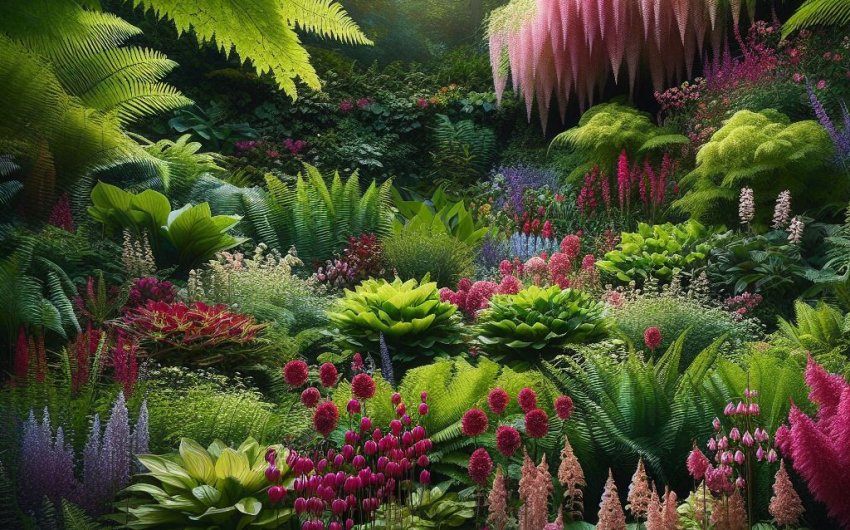
Explore the allure of full shade perennials: these remarkable plants transform traditionally challenging low-light areas into captivating, lush garden spaces, proving that beauty truly thrives beyond direct sunlight. Rather than a limitation, full shade offers an opportunity to cultivate a serene, verdant, and low-maintenance landscape rich in textures, subtle colors, and unique forms that often struggle in sunnier spots. Discovering the magic of full shade perennials opens up a whole new world of gardening possibilities, especially for those seeking serene outdoor retreats.
What Exactly Does "Full Shade" Mean in Gardening?
Understanding precisely what "full shade" means in gardening is the crucial first step to successfully cultivating full shade perennials and unlocking the allure of low-light gardening. This term isn't just about the absence of direct sun; it encompasses a range of light conditions that profoundly impact plant growth and selection. Misinterpreting full shade can lead to disappointing results, as even shade has its nuances.
Here's a breakdown of what "full shade" typically implies:
- Direct Sunlight (Very Limited):
- Definition: A spot that receives less than 3 hours of direct sunlight per day, if any at all.
- Quality of Light: When direct sun does hit, it's usually weak morning sun (before 9-10 AM) or late evening sun (after 4-5 PM) when the sun's rays are less intense.
- Crucial Distinction: It's important to differentiate between direct sun and bright light.
- Bright Indirect Light/Dappled Shade:
- Definition: Most "full shade" plants still need some form of bright indirect light or dappled shade for the majority of the day.
- Bright Indirect Light: This means the area is illuminated, but the sunlight is filtered through trees, structures, or falls on the area without ever directly hitting the plants. Think of the light in a brightly lit room without direct sun through the window.
- Dappled Shade: This is light that filters through the leaves of deciduous trees, creating moving patterns of light and shadow. It's often considered the most ideal form of "full shade" for many shade-loving plants, as it mimics their natural woodland habitat.
- Deep Shade:
- Definition: This is the most challenging type of shade, receiving very little light, often from dense evergreen trees, under thick decks, or in narrow passageways between buildings. It's truly dark.
- Planting Difficulty: Very few plants truly thrive in deep shade. Most full shade perennials will struggle here. You'll need to look for the most tolerant plants, and expect less vigorous growth, fewer blooms, and potentially greener foliage (less variegation).
- Solution: In truly deep shade, hardscaping (paths, stones), moss, or even very tolerant groundcovers might be your best option.
What Creates Full Shade?
Full shade conditions are typically created by:
- Buildings: The north side of a house or tall fence.
- Mature Trees: The dense canopy of deciduous or evergreen trees (the most common source of shade in gardens).
- Overhangs/Decks: Structures that permanently block direct sunlight.
- Narrow Spaces: Alleyways or areas between closely spaced buildings.
Why is This Distinction Important?
- Plant Survival: A plant marketed for "full shade" might die in "deep shade" because it still needs some light to photosynthesize.
- Performance: Even if a plant survives, its performance (size, bloom quantity, variegation intensity) will be significantly affected by the actual quality and duration of light it receives within the "full shade" spectrum.
- Matching Plants: Successfully cultivating full shade perennials means accurately assessing your light conditions and then choosing plants specifically adapted to that intensity.
By precisely defining "full shade" for your specific garden spots, you lay the groundwork for a successful and vibrant planting of full shade perennials, truly allowing you to explore the allure of full shade perennials beyond just the absence of sunlight.
What Are the Unique Advantages of Gardening in Full Shade?
While many gardeners initially view full shade as a challenging limitation, it actually offers a wealth of unique advantages that can lead to surprisingly tranquil, beautiful, and often lower-maintenance garden spaces. Embracing these benefits is key to truly explore the allure of full shade perennials and create captivating landscapes where sunlight is scarce. Thinking of shade as an opportunity rather than a problem fundamentally transforms your gardening approach.
Here are the unique advantages of gardening in full shade:
- Cooler, More Comfortable Environment:
- Respite from Heat: Shaded areas offer a welcome escape from the scorching summer sun, creating naturally cooler "garden rooms" perfect for relaxation, reading, or enjoying a cool drink.
- Extended Enjoyment: You can comfortably garden or spend time outdoors during the hottest parts of the day when sunny areas are too intense.
- Benefit for Plants: Many shade-loving plants actually suffer in intense sun and heat; shade provides their preferred cool microclimate.
- Lush, Verdant Aesthetic (Focus on Foliage):
- Rich Green Tapestry: Without the need for bright blooms, shade gardens excel in creating a stunning tapestry of diverse greens, textures, and forms. The light is soft, making foliage appear richer and more vibrant.
- Unique Plant Palette: Shade opens up a world of plants (ferns, hostas, astilbes, hellebores) that offer incredible variation in leaf shape, size, and texture, which become the stars of the show.
- Subtle Beauty: The beauty in a shade garden is often more nuanced and sophisticated, inviting closer inspection of intricate patterns and delicate forms.
- Lower Water Needs (Generally):
- Reduced Evaporation: Shaded soil retains moisture for longer because there's less direct sunlight to cause evaporation.
- Less Frequent Watering: This often translates to less frequent watering compared to sunny beds, saving time, effort, and water resources. (Note: Dry shade under mature trees is an exception and can be very thirsty).
- Benefit for Plants: Many shade perennials thrive in consistently moist (but well-drained) conditions.
- Dramatic Contrast with Luminous Colors:
- Glowing Hues: White, cream, blue, and light-colored foliage plants (e.g., variegated hostas, silvery brunnera, white impatiens) appear incredibly luminous and stand out dramatically against the darker backdrop of shade. They almost seem to glow.
- Depth and Dimension: These bright accents create a striking contrast that adds depth and visual interest to areas that might otherwise seem flat.
- Enhanced Sensory Experience:
- Sound: The rustling of leaves, the drip of water from a small fountain, or the chime of wind chimes become more prominent and soothing in a quiet, shaded space.
- Scent: Subtle fragrances from plants like sweet woodruff or fragrant hostas are more easily appreciated.
- Touch: The varied textures of ferns, mosses, and soft foliage invite tactile exploration.
- Wildlife: Shade gardens often attract a different array of wildlife, like birds seeking shelter or frogs around a water feature.
- Reduced Weed Pressure (Often):
- Less Light, Fewer Weeds: Many common weeds are sun-loving plants. In full shade, weed seeds often struggle to germinate or grow vigorously, leading to less weeding.
- Dense Groundcovers: Established full shade perennials, especially dense groundcovers, further suppress weed growth.
- Low Maintenance (Once Established):
- Perennials Return: The reliance on full shade perennials means less annual replanting.
- Steady Growth: Many shade plants have a more controlled growth habit, reducing the need for aggressive pruning.
- Resilience: Once established, many shade perennials are quite hardy and resilient.
By embracing these distinct advantages, gardeners can truly explore the allure of full shade perennials, creating tranquil, captivating, and wonderfully diverse outdoor spaces that celebrate the beauty beyond sunlight.
What Are the Essential Design Elements for a Full Shade Garden?
Creating a truly captivating full shade perennial garden requires a thoughtful approach to design, focusing on elements that maximize visual impact and functionality in low-light conditions. Since you're working with less direct sun, the emphasis shifts from vibrant floral displays to a rich tapestry of textures, forms, and subtle colors. Understanding these essential design elements is key to successfully exploring the allure of full shade perennials and crafting a serene, inviting space.
Here are the essential design elements for a full shade garden:
Foliage as the Star:
- Why it's essential: With fewer long-blooming, sun-loving flowers, the leaves of plants take center stage. They provide the bulk of the garden's color, texture, and shape throughout the growing season.
- Application: Select full shade perennials with diverse leaf characteristics:
- Texture: Combine bold (large-leaf hostas, Ligularia) with fine and delicate (Maidenhair fern, Astilbe foliage).
- Shape: Contrast broad, round leaves with narrow, lance-like, or finely dissected fronds.
- Color: Utilize various greens (lime, chartreuse, deep forest green), blues (blue hostas), silvers (Brunnera 'Jack Frost', Lamium), variegation (hostas, Hakonechloa), and burgundy (Heuchera). These colors are especially luminous in the shade.
- Impact: Creates depth, visual interest, and a lush, verdant, calming atmosphere.
Strategic Use of Subtle Color (Blooms & Accents):
- Why it's essential: Colors that pop in bright sun can get lost in the shade. Luminous hues stand out and brighten the space.
- Application:
- Cool Palette: Focus on white, cream, pale yellow, blue, and purple flowers (e.g., white Hellebores, blue Hostas, purple Astilbe, white Impatiens). These colors reflect light and appear to glow.
- Foliage Color: Leverage bright foliage colors (chartreuse, silver, variegated) to provide light and interest.
- Seasonal Bursts: Plan for successional bloomers that offer bursts of color at different times (e.g., Hellebores in late winter, Bleeding Heart in spring, Astilbe in summer, Toad Lilies in fall).
- Impact: Adds enchantment and vibrancy without overwhelming the serene ambiance.
Layering for Depth and Dimension:
- Why it's essential: Mimics a natural woodland, preventing a flat, one-dimensional look.
- Application:
- Canopy (Upper Layer): Existing deciduous trees (or new understory trees like Dogwood, Serviceberry, Japanese Maple) provide filtered light and vertical structure.
- Understory (Mid Layer): Medium-sized shrubs (e.g., Hydrangeas, Rhododendrons, Azaleas suitable for shade) or taller perennials (tall ferns, Astilbe, Ligularia).
- Groundcover (Lower Layer): Low-growing full shade perennials like Hostas, Epimedium, Foamflower, Sweet Woodruff, or moss to carpet the ground.
- Impact: Creates visual richness, hides bare soil, and provides habitats.
Pathways and Circulation:
- Why it's essential: Invites exploration, defines spaces, and allows access for maintenance.
- Application: Create gently curving paths using natural materials like stepping stones (slate, flagstone), gravel, wood chips, or pine needles.
- Impact: Encourages slow movement and draws the eye through the garden, making it an experiential space.
Hardscaping and Structural Elements:
- Why it's essential: Provides year-round interest, anchors the design, and introduces new textures.
- Application:
- Rocks and Boulders: Strategically placed, they mimic natural outcrops and provide visual weight.
- Wood: Driftwood, logs as edging, or rustic benches add a natural, woodland feel.
- Statuary/Art: Subtle, contemplative pieces of garden art can provide focal points.
- Fencing/Walls: Define boundaries and provide backdrops.
- Impact: Adds definition, form, and focal points, especially when plants are dormant.
Water Features:
- Why it's essential: Adds soothing sound, reflection, and attracts wildlife, enhancing tranquility.
- Application: A small bubbling fountain, a bird bath, a miniature pond, or a dry stream bed (even without water, it suggests flow).
- Impact: Engages the sense of hearing, cools the air, and reflects light.
Lighting (Subtle and Strategic):
- Why it's essential: Extends the garden's enjoyment into the evening and highlights key features.
- Application: Use low-voltage path lights, subtle uplighting on interesting tree trunks or statuary, or solar-powered lanterns. Avoid harsh, bright lights.
- Impact: Creates a magical, inviting atmosphere after dark.
By thoughtfully integrating these essential design elements, you can transform any shaded area into a thriving, tranquil, and engaging haven filled with the beauty beyond sunlight, thanks to the incredible versatility of full shade perennials.
What Are the Best Flowering Full Shade Perennials?
Flowering full shade perennials defy the common misconception that shade gardens must be solely green, bringing bursts of color, delicate forms, and sometimes even fragrance to low-light areas. These resilient shade plants that thrive year after year are essential for adding seasonal interest and vibrant accents to your garden, proving that there is indeed beauty beyond sunlight in the deepest corners of your yard. Their blooms are often particularly luminous, standing out strikingly against a verdant backdrop.
Here are some of the best flowering full shade perennials:
- Hellebores (Helleborus species) (Lenten Rose/Christmas Rose):
- Why they're great: True winter and early spring heroes! They bloom when little else is stirring, often pushing through snow. Their cup-shaped flowers come in white, pink, purple, deep red, green, and often intricate speckles or picotee edges. Many also have attractive, leathery, evergreen foliage.
- Light: Partial to full shade.
- Care: Low maintenance once established, preferring well-drained soil. Tolerant of dry shade. Deer resistant.
- Bloom Time: Late winter to early spring.
- Enhances Layout: Provides crucial early season color and evergreen structure.
- Astilbe (Astilbe species and hybrids):
- Why they're great: Known for their showy, feathery plumes of flowers that come in a vibrant range of white, pink, red, and purple. Their fern-like foliage provides fine texture. They add verticality and striking summer color to the shade garden.
- Light: Partial to full shade (can tolerate more sun with consistently moist soil).
- Care: Absolutely requires consistently moist, rich soil; will not tolerate dry conditions.
- Bloom Time: Summer.
- Enhances Layout: Provides bursts of color, fine texture, and vertical interest. You can find many beautiful Astilbe varieties for shade from garden nurseries.
- Bleeding Heart (Lamprocapnos spectabilis or Dicentra spectabilis):
- Why they're great: Iconic heart-shaped pink or white flowers dangle gracefully from arching stems in spring. Its delicate, fern-like foliage provides a beautiful backdrop.
- Light: Partial shade. While it can handle some full shade, it may bloom less profusely.
- Care: Prefers moist, rich, well-rained soil. Often goes dormant and disappears in summer heat, so plan companion plants to fill the void.
- Bloom Time: Spring.
- Enhances Layout: Unique flower form and early spring charm.
- Hostas (Hosta species and cultivars) (Focus on fragrant varieties):
- Why they're great: While primarily grown for foliage, many hosta varieties produce lovely lavender or white flower spikes on tall scapes, often in summer. Some are highly fragrant (e.g., 'Fragrant Bouquet', 'Honeybells', 'Guacamole'), perfuming the shade garden.
- Light: Partial to full shade.
- Care: Consistently moist, well-drained soil.
- Bloom Time: Summer.
- Enhances Layout: Adds a bonus floral display and often a delightful scent.
- Foamflower (Tiarella cordifolia):
- Why they're great: Offers delicate, airy, foamy white to pinkish flower spikes that emerge in spring, rising above attractive, often lobed or cutleaf, semi-evergreen foliage. Can spread to form a lovely groundcover.
- Light: Partial to full shade.
- Care: Prefers moist, rich, well-drained soil.
- Bloom Time: Spring.
- Enhances Layout: Soft, ethereal spring blooms, excellent textural groundcover.
- Pulmonaria (Lungwort):
- Why they're great: Features charming early spring flowers in shades of pink, blue, and white, often changing color as they age. Many varieties have beautiful silver-spotted or variegated foliage that provides interest long after blooming.
- Light: Partial to full shade.
- Care: Consistently moist soil. Avoid overly dry conditions.
- Bloom Time: Early spring.
- Enhances Layout: Provides early spring color and attractive spotted foliage.
- Toad Lily (Tricyrtis species):
- Why they're great: A unique and enchanting perennial that extends the bloom season in the shade garden. It produces orchid-like, speckled flowers (often white, purple, or yellow with intricate markings) in late summer to fall.
- Light: Partial to full shade.
- Care: Prefers moist, well-drained soil.
- Bloom Time: Late summer to fall.
- Enhances Layout: Provides unusual, late-season floral interest.
By strategically planting these gorgeous flowering full shade perennials, you can create truly enchanting perennial pleasures that bloom year after year, filling your low-light spaces with vibrant color and charm, and proving that your garden can boast beauty beyond sunlight.
What Are the Best Foliage Full Shade Perennials?
For a truly captivating and low-maintenance full shade perennial garden, foliage plants are undeniably the stars, offering a consistent tapestry of textures, shapes, and colors that provide year-round interest. These exceptional shade plants that thrive year after year are crucial for creating a lush, verdant, and ever-changing landscape where the beauty beyond sunlight is celebrated through the enduring charm of their leaves. Investing in these perennial pleasures means enjoying stunning greenery even in the deepest shade.
Here are some of the best foliage full shade perennials:
- Hostas (Hosta species and cultivars):
- Why they're great: The undisputed champions of the shade garden. They offer an astonishing diversity in every aspect of their foliage:
- Size: From miniature varieties (1-inch leaves) to colossal giants (2-foot leaves).
- Shape: Heart-shaped, oval, lance-like, corrugated, cupped.
- Texture: Smooth, heavily ribbed, seersucker, puckered.
- Color: An incredible array of greens (lime, chartreuse, deep forest), blues (with a waxy bloom), yellows/golds, and variegated patterns (streaked, edged, mottled with white, cream, or gold).
- Light: Partial to full shade (blue varieties need more shade to maintain their color; variegated types often benefit from a little morning sun to intensify variegation).
- Care: Consistently moist, well-drained soil. Watch for slugs and snails (thicker-leaved varieties are more resistant).
- Enhances Layout: Create dramatic focal points, mass plantings for sweeping effects, groundcovers, or stunning container accents. The sheer variety allows for endless textural and color combinations. You can find an immense selection of Hosta plants for full shade to suit any design.
- Why they're great: The undisputed champions of the shade garden. They offer an astonishing diversity in every aspect of their foliage:
- Ferns (Various genera and species):
- Why they're great: Unparalleled elegance, fine texture, and ancient charm. They bring a lush, woodland feel with their delicate, often feathery fronds. Many are deer resistant.
- Key Varieties:
- Japanese Painted Fern (Athyrium niponicum 'Pictum'): Deciduous. Silvery-gray-green fronds with striking burgundy stems and veins that truly glow in the shade.
- Autumn Fern (Dryopteris erythrosora): Semi-evergreen. New fronds emerge a coppery-red, maturing to glossy dark green, adding beautiful seasonal interest.
- Maidenhair Fern (Adiantum pedatum): Deciduous. Offers delicate, airy, almost ethereal fronds with distinctive black stems, requiring consistent moisture and high humidity.
- Ostrich Fern (Matteuccia struthiopteris): Deciduous. Produces tall, upright, bold-textured fronds, forming large colonies through runners.
- Christmas Fern (Polystichum acrostichoides): Evergreen. Provides dark green, leathery fronds that offer year-round interest, especially in winter.
- Light: Partial to full shade.
- Care: Generally moist, rich soil. Many are particular about good drainage.
- Enhances Layout: Softens edges, fills in gaps, and provides fine texture contrast.
- Heuchera (Coral Bells):
- Why they're great: While they do produce airy flower spikes, their primary appeal lies in their incredibly diverse and vibrant foliage. Leaves can be ruffled, lobed, or smooth, and come in a stunning array of colors: lime green, chartreuse, gold, caramel, peach, amber, burgundy, purple, nearly black, and various shades of silver and variegation.
- Light: Partial shade (lighter colors prefer more shade to prevent scorching, while darker varieties can sometimes handle a bit more sun).
- Care: Needs well-drained soil, especially in winter.
- Enhances Layout: Excellent for massing, front of borders, or containers, providing dramatic splashes of enduring color.
- Brunnera (Brunnera macrophylla) (Siberian Bugloss):
- Why they're great: Features large, heart-shaped leaves, often magnificently variegated with silver (e.g., 'Jack Frost', 'Silver Heart', 'Sea Heart'). This silver variegation makes them appear luminous, brightening the darkest corners of the garden. Delicate blue, forget-me-not-like flowers in spring are an added bonus.
- Light: Partial to full shade.
- Care: Prefers consistently moist soil.
- Enhances Layout: Creates pools of luminous, eye-catching foliage that stands out in low light.
- Lungwort (Pulmonaria species):
- Why they're great: Offers attractive, often uniquely speckled or marbled foliage, typically with silvery patterns, which persists throughout the season. Early spring flowers in pink, blue, or white are a charming bonus.
- Light: Partial to full shade.
- Care: Prefers consistently moist soil.
- Enhances Layout: Provides interesting texture and year-round visual appeal with its striking leaf patterns.
- Epimedium (Barrenwort / Fairy Wings):
- Why they're great: A highly versatile and super tough groundcover. Its delicate, heart-shaped foliage often takes on beautiful red or bronze tints in spring and fall, offering subtle seasonal color. Produces charming, spider-like flowers in spring. Critically, it is very tolerant of dry shade once established, making it a hero for challenging spots under trees.
- Light: Partial to full shade.
- Care: Extremely long-lived and drought-tolerant once mature.
- Enhances Layout: Excellent for difficult groundcover areas, providing fine texture and subtle seasonal interest. You can find Epimedium plants for groundcover from specialized nurseries.
- Oakleaf Hydrangea (Hydrangea quercifolia):
- Why they're great: While technically a shrub, its enormous, deeply lobed leaves, resembling oak leaves, turn a spectacular burgundy-red in the fall, making it a standout foliage plant. Its exfoliating bark also adds architectural interest in winter. Large white flower clusters are a beautiful seasonal bonus.
- Light: Partial shade.
- Care: Prefers moist, well-drained soil.
- Enhances Layout: Provides bold texture, strong seasonal foliage color, and significant structural presence.
By carefully selecting and combining these magnificent foliage full shade perennials, you can create a captivating and low-maintenance garden that offers continuous perennial pleasures, showcasing the rich beauty beyond sunlight in all its varied forms and hues. These plants truly allow you to explore the allure of full shade perennials in your garden.