
Perennial Pleasures: Shade Plants That Thrive Year After Year
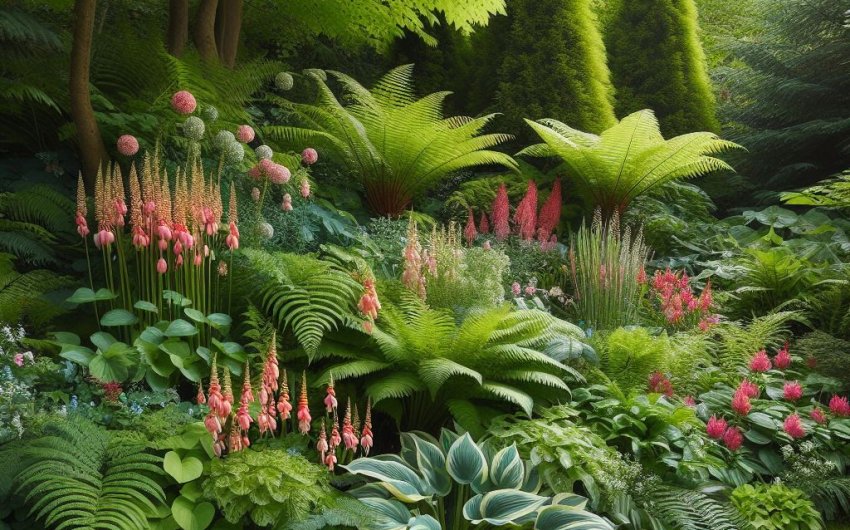
Perennial pleasures: Shade plants that thrive year after year are essential for creating low-maintenance, beautiful gardens in low-light areas, offering a consistent tapestry of foliage, texture, and subtle blooms without the need for annual replanting. These hardy perennials return season after season, gradually establishing lush, verdant landscapes that mature and become even more stunning over time. Choosing the right shade plants that thrive year after year is key to a long-lasting, serene garden.
Why Are Perennial Shade Plants So Valued by Gardeners?
Perennial shade plants hold a special place in the hearts of gardeners, especially those working with challenging low-light areas, because they offer distinct advantages over their annual counterparts. Their ability to return year after year, combined with their aesthetic contributions, makes them incredibly valued for creating sustainable, low-maintenance, and increasingly beautiful garden spaces. These shade plants that thrive year after year are truly the backbone of tranquil garden design.
Here's why perennial shade plants are so valued:
- Reduced Workload and Long-Term Value:
- Low Maintenance: Unlike annuals, which need to be replanted every spring, perennials come back on their own. This significantly reduces the amount of work (and cost) involved in digging, planting, and buying new plants each season.
- Investment: While the initial cost of perennials might be higher than annuals, their longevity makes them a more economical choice over the long term. They are a garden investment that pays dividends for years.
- Self-Sustaining: Many perennials, once established, are quite self-sufficient, requiring less consistent care than many annuals.
- Maturity and Establishment:
- Growing Gracefully: Perennials grow and mature over time. They often look better in their second, third, or even tenth year than they did in their first.
- Filling the Space: As they grow larger, they naturally fill out garden beds, creating a lush, dense appearance that effectively suppresses weeds.
- Root Systems: Established perennials develop deep, robust root systems, making them more resilient to drought, pests, and diseases once they are settled in.
- Naturalistic and Lush Aesthetic:
- Woodland Feel: Many shade perennials (like ferns, hostas, astilbes) have a naturalistic, woodland aesthetic that perfectly complements the cool, serene ambiance of shaded areas.
- Texture and Form: They excel in offering a rich diversity of foliage textures, shapes, and forms, which become the stars of the shade garden where vibrant, continuous blooms are less common. This creates depth and enduring visual interest.
- Seasonal Interest: While they might not bloom all season, many offer distinct seasonal interest, from emerging spring foliage, to summer flowers, to interesting fall colors, and even winter structure.
- Soil Improvement and Erosion Control:
- Root Network: The extensive root systems of perennial plants help to hold soil in place, preventing erosion, especially on slopes in shaded areas where runoff can be a problem.
- Organic Matter: Their continuous growth and eventual dieback (for deciduous types) contribute organic matter to the soil, slowly improving its structure and fertility over time.
- Habitat for Wildlife:
- Pollinators: Many shade perennials provide nectar or pollen for early-season pollinators, beneficial insects, or hummingbirds.
- Shelter: Dense perennial plantings offer shelter for small birds and other beneficial wildlife.
- Dividing and Sharing:
- Multiplying Your Investment: Many perennials can be easily divided every few years, giving you new plants for free! This allows you to expand your garden or share with friends, further increasing their value.
In essence, perennial shade plants are the epitome of "perennial pleasures" because they offer a lasting beauty that deepens with age, significantly reducing ongoing effort while providing a lush, naturalistic, and resilient foundation for any low-light garden space. Choosing these shade plants that thrive year after year is a smart, sustainable investment in your garden's future.
What Are the Key Considerations for Choosing Shade Perennials?
Choosing the right shade plants that thrive year after year involves more than just knowing they can handle low light; it requires careful consideration of several factors to ensure they flourish in your specific garden conditions. Successful perennial pleasures in the shade come from matching the plant's needs with your garden's unique microclimate, leading to robust growth and minimal maintenance.
Here are the key considerations when selecting shade perennials:
- Type of Shade (Light Intensity and Duration):
- Deep Shade: Less than 3 hours of direct sun, usually bright indirect light all day. Very few plants truly thrive here; focus on ferns, some hostas, ivy.
- Partial Shade/Dappled Shade: 3-6 hours of sun, often morning sun, or filtered light through a tree canopy all day. Most shade perennials prefer this.
- Full Shade: This implies areas with virtually no direct sun, but can mean "bright shade" (e.g., northern exposure of a house) or "deep shade" (under dense evergreen trees). Be precise about your light.
- Understanding Your Shade: Observe your garden throughout the day and across seasons. Light conditions change as trees leaf out or as the sun angle shifts.
- Moisture Levels:
- Consistently Moist, Well-Drained Soil: This is the ideal for most shade perennials. They like regular water but hate soggy "wet feet" that lead to root rot.
- Dry Shade: This is the most challenging condition, often found under large, mature trees whose roots aggressively compete for water. Look for specific dry-shade tolerant plants (e.g., Epimedium, Hellebores once established, some ferns). These plants will still need extra watering during establishment.
- Wet Shade: Less common, but can occur in low-lying areas. Requires plants that tolerate consistently moist to wet conditions (e.g., Ligularia, some Astilbe, certain ferns).
- Soil Quality (Organic Matter and pH):
- Rich in Organic Matter: Most shade perennials thrive in soil rich in decomposed leaves, compost, and other organic matter. This provides nutrients, improves drainage, and helps retain moisture.
- Soil pH: Most prefer slightly acidic to neutral soil (pH 6.0-7.0), mimicking a woodland floor. Some, like rhododendrons and azaleas, require distinctly acidic soil. Get a soil test kit to know your pH.
- Avoid Compaction: Shade areas are often under trees, so roots are a concern. Good, loose, well-draining soil is essential.
- Mature Size and Growth Habit:
- Height and Spread: Consider the plant's mature dimensions. Avoid overcrowding small spaces or underplanting tiny plants where large ones will quickly overshadow them.
- Spreading vs. Clumping: Some shade perennials spread aggressively (e.g., some groundcovers), while others form neat clumps. Choose according to your desired layout and maintenance tolerance.
- Layering: Plan for different heights to create visual depth: tall plants in the back, medium in the middle, groundcovers in front.
- Deer and Pest Resistance:
- Deer: In areas with deer, select plants they tend to avoid (e.g., Hellebores, bleeding hearts, some ferns). Deer love hostas!
- Slugs/Snails: These pests thrive in damp, shady conditions. Choose plants that are less susceptible or have thicker leaves (e.g., thick-leaved hostas).
- Aesthetic Contributions (Foliage, Bloom, Form):
- Foliage First: Since flowers are less abundant, prioritize foliage. Look for varied leaf textures (fine vs. coarse), shapes (delicate vs. bold), and colors (greens, blues, chartreuse, variegated, burgundy, silver).
- Bloom Color and Timing: If flowers are important, choose colors that pop in the shade (whites, blues, purples) and consider bloom times to ensure continuous interest.
- Overall Form: How does the plant grow? Upright, mounding, spreading?
By carefully evaluating these considerations, you can select shade plants that thrive year after year in your unique garden, creating lasting perennial pleasures and a serene outdoor space that continually delights.
What Are the Best Flowering Perennials for Shaded Gardens?
Even without full sun, shade gardens can burst with color from numerous flowering perennials that thrive in low-light conditions, offering a special kind of beauty often characterized by luminous hues and delicate forms. Choosing these particular shade plants that thrive year after year ensures a consistent display of blooms, adding vibrant accents to the rich tapestry of foliage that defines most shaded spaces. These perennial pleasures challenge the notion that shade must be solely green.
Here are some of the best flowering perennials for shaded gardens:
- Hellebores (Helleborus species) (Lenten Rose/Christmas Rose):
- Why they're great: True winter champions! They bloom from late winter into spring (often through snow), providing color when little else is stirring. Their unique, cup-shaped flowers come in white, pink, purple, dark red, green, and often speckled patterns. Many have beautiful evergreen foliage.
- Light: Partial to full shade.
- Care: Well-drained soil, tolerates dry shade once established. Deer resistant.
- Enhances Layout: Early season color, evergreen interest, strong texture.
- Astilbe (Astilbe species and hybrids):
- Why they're great: Offer feathery, upright plumes of flowers in white, pink, red, and purple shades throughout summer. Their attractive, fern-like foliage provides a delicate texture contrast even when not in bloom.
- Light: Partial to full shade (can tolerate more sun with consistent moisture).
- Care: Absolutely requires consistently moist soil; does not tolerate dry conditions.
- Enhances Layout: Provide vertical accents, summer color, fine texture.
- Bleeding Heart (Dicentra spectabilis or Lamprocapnos spectabilis):
- Why they're great: Iconic heart-shaped pink or white flowers dangle gracefully from arching stems in spring. The delicate, fern-like foliage is also very attractive.
- Light: Partial shade.
- Care: Moist, well-drained soil. Often goes dormant and disappears in summer heat, so plant companions nearby to fill the gap.
- Enhances Layout: Adds unique flower form and early spring charm.
- Hostas (Hosta species and cultivars) (with fragrant varieties):
- Why they're great: While celebrated for their foliage, many hosta varieties also produce lovely lavender or white flowers on tall scapes, often in summer. Some are beautifully fragrant (e.g., 'Fragrant Bouquet', 'Honeybells', 'Guacamole').
- Light: Partial to full shade.
- Care: Consistently moist, well-drained soil.
- Enhances Layout: Provides a bonus floral display on top of superb foliage.
- Foamflower (Tiarella cordifolia):
- Why they're great: Delicate, foamy white to pinkish flower spikes emerge in spring, rising above attractive, often lobed or cutleaf, semi-evergreen foliage. Can spread to form a nice groundcover.
- Light: Partial to full shade.
- Care: Moist, rich, well-drained soil.
- Enhances Layout: Soft, ethereal spring blooms, excellent groundcover.
- Pulmonaria (Lungwort):
- Why they're great: Early spring flowers in shades of pink, blue, and white, often changing color as they age. Many varieties have beautiful silver-spotted foliage that provides interest long after blooming.
- Light: Partial to full shade.
- Care: Consistently moist soil. Avoid overly dry conditions.
- Enhances Layout: Early spring color, attractive spotted foliage.
- Toad Lily (Tricyrtis species):
- Why they're great: Offers unique, orchid-like speckled flowers in late summer to fall, extending the bloom season in the shade garden. Flowers are often white, purple, or yellow with intricate markings.
- Light: Partial to full shade.
- Care: Moist, well-drained soil.
- Enhances Layout: Provides unusual, late-season floral interest.
- Lady's Mantle (Alchemilla mollis):
- Why they're great: While its main charm is its soft, scallop-edged leaves that hold water droplets like pearls, it also produces frothy chartreuse flowers in late spring/early summer that add a misty texture.
- Light: Partial shade (can tolerate more sun if moist).
- Care: Adaptable to various moist soils.
- Enhances Layout: Provides unique foliage texture and soft floral haze.
By thoughtfully incorporating these stunning flowering shade plants that thrive year after year, you can create truly enchanting perennial pleasures that brighten even the darkest corners of your garden with a delightful array of colors and forms, making the most of your shaded spaces.
What Are the Best Foliage Perennials for Shaded Gardens?
For a tranquil and dynamic shade garden, foliage perennials are often the true stars, providing consistent color, texture, and form year-round without the reliance on fleeting blooms. These shade plants that thrive year after year are essential for creating a lush, verdant backdrop that can be both calming and incredibly engaging, proving that green, and its many variations, is never boring. These perennial pleasures excel in delivering enduring visual impact.
Here are some of the best foliage perennials for shaded gardens:
- Hostas (Hosta species and cultivars):
- Why they're great: The undisputed kings and queens of the shade garden. They offer an astonishing diversity in:
- Size: From miniature (1 inch leaves) to giant (2 feet leaves).
- Leaf Shape: Heart-shaped, oval, lance-like, corrugated, cupped.
- Texture: Smooth, heavily ribbed, seersucker, puckered.
- Color: Endless greens (from lime to dark forest), blues (with waxy coating), yellows/golds, and variegated patterns (streaked, edged, mottled with white, cream, or gold).
- Light: Partial to full shade (blue hostas need more shade to maintain their color, variegated varieties often need a little morning sun to intensify variegation).
- Care: Consistently moist, well-drained soil. Watch for slugs and snails (thicker-leaved varieties are more resistant).
- Enhances Layout: Create dramatic focal points, mass plantings, groundcovers, or container accents. The sheer variety allows for endless combinations.
- Why they're great: The undisputed kings and queens of the shade garden. They offer an astonishing diversity in:
- Ferns (Various genera and species):
- Why they're great: Bring an unparalleled elegance, fine texture, and ancient charm to the shade garden. Many are deer resistant.
- Key Varieties:
- Japanese Painted Fern (Athyrium niponicum 'Pictum'): Deciduous. Silvery-gray-green fronds with striking burgundy stems and veins. Creates a luminous effect.
- Autumn Fern (Dryopteris erythrosora): Semi-evergreen. New fronds emerge coppery-red, maturing to glossy dark green. Adds beautiful seasonal interest.
- Maidenhair Fern (Adiantum pedatum): Deciduous. Delicate, airy, almost ethereal fronds with black stems. Needs consistent moisture and high humidity.
- Ostrich Fern (Matteuccia struthiopteris): Deciduous. Tall, upright, bold texture, forming large colonies through runners.
- Christmas Fern (Polystichum acrostichoides): Evergreen. Dark green, leathery fronds provide winter interest.
- Light: Partial to full shade.
- Care: Generally moist, rich soil. Many are particular about drainage.
- Enhances Layout: Provide a delicate, soft contrast to bolder plants, create a woodland feel. You can often find various shade-loving ferns from specialized nurseries.
- Heuchera (Coral Bells):
- Why they're great: While they do flower, their primary appeal is their incredibly diverse foliage. Leaves can be ruffled, lobed, or smooth, and come in a stunning array of colors: lime green, chartreuse, gold, caramel, peach, amber, burgundy, purple, nearly black, and various shades of silver and variegation.
- Light: Partial shade (some can tolerate more sun with moisture; lighter colors prefer more shade to prevent scorching).
- Care: Needs well-drained soil, especially in winter.
- Enhances Layout: Excellent for massing, front of borders, or containers for splashes of vibrant color.
- Brunnera (Brunnera macrophylla) (Siberian Bugloss):
- Why they're great: Large, heart-shaped leaves, often beautifully variegated with silver (e.g., 'Jack Frost', 'Silver Heart', 'Sea Heart'). This silver variegation makes them glow in the shade. Delicate blue, forget-me-not-like flowers in spring are a bonus.
- Light: Partial to full shade.
- Care: Consistently moist soil.
- Enhances Layout: Brightens dark areas with luminous foliage.
- Lungwort (Pulmonaria species):
- Why they're great: Attractive foliage, often speckled or marbled with silver, which persists throughout the season. Early spring flowers in pink, blue, or white are a bonus.
- Light: Partial to full shade.
- Care: Consistently moist soil.
- Enhances Layout: Provides interesting foliage texture and early color.
- Epimedium (Barrenwort):
- Why they're great: Super tough groundcover with delicate, heart-shaped foliage, often tinged with red or bronze in spring and fall. Very tolerant of dry shade once established, making it a hero for challenging spots under trees. Delicate, spider-like flowers in spring.
- Light: Partial to full shade.
- Care: Extremely adaptable. Tolerates dry shade.
- Enhances Layout: Excellent groundcover for difficult areas.
- Dead Nettle (Lamium maculatum):
- Why they're great: Fast-spreading groundcover with variegated foliage (often silver and green) and small, charming flowers.
- Light: Partial to full shade.
- Care: Adaptable, can tolerate some dry shade.
- Enhances Layout: Quickly fills bare spots, adds bright, variegated foliage.
- Oakleaf Hydrangea (Hydrangea quercifolia):
- Why they're great: While technically a shrub, its large, deeply lobed leaves resembling oak leaves turn a spectacular burgundy-red in fall, making it a standout foliage plant. Exfoliating bark adds winter interest. Large white flower clusters are a bonus.
- Light: Partial shade.
- Care: Moist, well-rained soil.
- Enhances Layout: Provides bold texture, strong seasonal color, and architectural interest.
By strategically combining these superb foliage shade plants that thrive year after year, you can create a truly captivating and low-maintenance garden that offers continuous perennial pleasures, showcasing the enduring beauty of leaves in all their diverse forms and hues.
What Are Effective Groundcovers for Shaded Areas?
Effective groundcovers for shaded areas are indispensable for creating a lush, uniform carpet that suppresses weeds, retains soil moisture, and adds a beautiful, low-maintenance layer to your garden. These shade plants that thrive year after year are vital for filling in bare spots, defining edges, and providing continuous visual interest, transforming neglected corners into vibrant, perennial pleasures. Selecting the right groundcover can profoundly impact the overall look and feel of your shade garden.
Here are some of the most effective groundcovers for shaded areas:
- Hostas (Hosta species, especially smaller varieties):
- Why they're great: While many hostas are individual specimens, smaller, faster-spreading varieties (or planting larger ones densely) can form a beautiful, weed-suppressing groundcover. Their diverse foliage colors and textures create a varied carpet.
- Light: Partial to full shade.
- Care: Consistently moist, well-drained soil. Watch for slugs/snails.
- Enhances Layout: Provides dense, varied foliage coverage.
- Sweet Woodruff (Galium odoratum):
- Why they're great: A truly enchanting groundcover that forms a low, dense mat of delicate green leaves, topped with clusters of tiny white, fragrant flowers in spring. It has a lovely vanilla/hay scent when crushed. Spreads reliably but not aggressively.
- Light: Partial to full shade.
- Care: Moist, rich soil. Can tolerate some dry shade once established.
- Enhances Layout: Creates a soft, uniform, fragrant carpet.
- Lamium (Spotted Dead Nettle, Lamium maculatum):
- Why they're great: A vigorous, semi-evergreen groundcover known for its variegated foliage, often with silver or white markings, which brightens dark areas. Small purple, pink, or white flowers appear in spring and summer.
- Light: Partial to full shade.
- Care: Adaptable to various moist to somewhat dry soils. Spreads readily but is generally easy to manage.
- Enhances Layout: Provides quick coverage, bright foliage, and delicate blooms.
- Vinca Minor (Periwinkle):
- Why they're great: A classic, incredibly tough, evergreen groundcover with glossy dark green leaves. Produces cheerful blue (or white/purple) flowers in spring. Spreads rapidly, making it excellent for large areas where quick coverage is desired.
- Light: Partial to full shade.
- Care: Very adaptable. Tolerates dry shade once established. Can be aggressive in ideal conditions.
- Enhances Layout: Provides year-round evergreen coverage and early spring color. Can also be found as vinca minor groundcover plants.
- Pachysandra (Pachysandra terminalis) (Japanese Spurge):
- Why they're great: Another incredibly popular and tough evergreen groundcover. Forms a dense, uniform carpet of deep green, somewhat shiny leaves. Small white flower spikes in spring.
- Light: Partial to full shade.
- Care: Tolerates dry shade once established. Spreads reliably.
- Enhances Layout: Creates a formal, consistent green base layer.
- Epimedium (Barrenwort / Fairy Wings):
- Why they're great: A refined, semi-evergreen to evergreen groundcover with delicate, heart-shaped leaves that often have beautiful red or bronze tints in spring and fall. Produces charming, spider-like flowers in spring. Exceptional for dry shade under trees once established.
- Light: Partial to full shade.
- Care: Extremely tough and long-lived. Very drought tolerant once mature.
- Enhances Layout: Provides fine texture, seasonal foliage color, and delicate blooms for challenging dry spots.
- Wild Ginger (Asarum canadense):
- Why they're great: A beautiful native groundcover with velvety, heart-shaped leaves that form a dense, low carpet. Unique maroon, jug-shaped flowers bloom at the base of the plant in spring.
- Light: Partial to deep shade.
- Care: Prefers moist, rich, acidic soil.
- Enhances Layout: Provides bold, unique texture and naturalistic feel.
- Bugleweed (Ajuga reptans):
- Why they're great: A fast-spreading evergreen groundcover with attractive foliage, often in shades of green, purple, or variegated. Produces spikes of blue (or sometimes pink/white) flowers in spring.
- Light: Partial to full shade.
- Care: Adaptable to various moist soils. Can be aggressive in ideal conditions.
- Enhances Layout: Provides quick coverage and a burst of spring color.
By strategically planting these effective groundcovers for shaded areas, you can quickly establish a lush, weed-suppressing base layer that significantly enhances your shade garden design. These shade plants that thrive year after year are true perennial pleasures, providing effortless beauty and function to your low-light landscapes.
What Are Reliable Perennials for Dry Shade Under Trees?
Dry shade is often considered one of the most challenging conditions in a garden, particularly when it's found under large, mature trees whose thirsty roots aggressively compete for water and nutrients. However, there are indeed reliable perennials for dry shade under trees that, once established, can surprisingly thrive in these tough spots, transforming barren ground into a lush, green landscape. These hardy shade plants that thrive year after year are true perennial pleasures for the persistent gardener.
Here are some of the best and most reliable perennials for dry shade:
- Epimedium (Barrenwort / Fairy Wings):
- Why it's great: This is arguably the king of dry shade perennials. Epimediums form beautiful, dense clumps of delicate, heart-shaped foliage, often with attractive red or bronze tints in spring and fall. They produce airy, spider-like flowers in spring. Once established, they are incredibly drought-tolerant and long-lived.
- Light: Partial to full shade.
- Care: Needs consistent watering during establishment, but then requires very little once mature. Prefers rich, well-drained soil but is adaptable.
- Enhances Layout: Excellent groundcover for difficult areas, fine texture, subtle beauty. You can often find a selection of Epimedium plants for dry shade from specialized nurseries.
- Hellebores (Helleborus species) (Lenten Rose/Christmas Rose):
- Why they're great: These late winter/early spring bloomers have tough, leathery, evergreen foliage that is highly resistant to drought once established. Their flowers are a bonus, but the foliage is the real workhorse for dry shade. They are also deer resistant.
- Light: Partial to full shade.
- Care: Very low maintenance once established. Provide consistent moisture during their first year.
- Enhances Layout: Provides winter interest, strong evergreen foliage.
- Hostas (Thick-Leaved Varieties):
- Why they're great: While many hostas prefer consistent moisture, varieties with thick, puckered, or blue leaves tend to be more tolerant of drier conditions once mature. They might not get as large as their moist-shade counterparts, but they will survive.
- Key Varieties: 'Sum and Substance', 'Blue Angel', 'Halcyon', 'Tokudama Aureonebulosa'.
- Light: Partial to full shade (blue varieties need more shade).
- Care: Requires extra watering during establishment. Mulch heavily.
- Enhances Layout: Provides bold texture and varied foliage color in tough spots.
- Hardy Geraniums (Cranesbill, Geranium species):
- Why they're great: Many varieties of hardy geraniums are incredibly tough and adaptable, tolerating surprisingly dry conditions once established, especially those with finer, more deeply cut foliage. They offer charming flowers in spring/summer.
- Key Varieties: Geranium macrorrhizum (Bigroot Cranesbill), Geranium phaeum (Dusky Cranesbill).
- Light: Partial to full shade.
- Care: Extremely low maintenance.
- Enhances Layout: Provides a naturalistic, sprawling groundcover.
- Periwinkle (Vinca minor):
- Why it's great: A classic, extremely tough, evergreen groundcover that spreads rapidly. Once established, it is remarkably drought-tolerant. Its glossy dark green leaves and blue flowers in spring provide year-round interest.
- Light: Partial to full shade.
- Care: Needs watering during establishment, then very little. Can be aggressive.
- Enhances Layout: Provides quick, dense, evergreen coverage.
- Pachysandra (Pachysandra terminalis):
- Why it's great: Another reliable evergreen groundcover that can tolerate dry shade once its roots are established. Forms a dense, uniform carpet.
- Light: Partial to full shade.
- Care: Needs consistent water to establish well, then is quite tough.
- Enhances Layout: Provides a consistent green base layer.
- Liriope (Liriope muscari) (Lilyturf):
- Why it's great: Grass-like perennial that is extremely tough and adaptable, tolerating dry conditions, root competition, and a wide range of light. Provides a fine-textured, evergreen groundcover. Purple flower spikes in late summer.
- Light: Partial shade to full shade.
- Care: Very low maintenance.
- Enhances Layout: Provides a grassy texture and clear definition.
- Sedum (Certain Shade-Tolerant Varieties):
- Why it's great: While most sedums are sun-lovers, some groundcover varieties (like Sedum ternatum) can surprisingly tolerate partial dry shade, often found in rocky, woodland-edge settings.
- Light: Partial shade.
- Care: Needs excellent drainage.
- Enhances Layout: Provides unique succulent texture.
Tips for Success in Dry Shade:
- Aggressive Soil Amendment: Before planting, vigorously amend the soil with copious amounts of compost and leaf mold. This dramatically improves moisture retention in otherwise dry, root-filled soil.
- Establishment Watering: Even "dry shade tolerant" plants need consistent and deep watering for at least their entire first year (or two for larger trees) to develop a robust root system.
- Thick Mulch: Apply a 2-4 inch layer of organic mulch (wood chips, shredded leaves) to conserve moisture and moderate soil temperature.
- Plant Smart: Dig wider, not just deeper holes, and gently prune competing tree roots if necessary and safely possible (consult an arborist).
By thoughtfully selecting and meticulously establishing these reliable perennials for dry shade under trees, you can conquer even the most challenging low-light, low-moisture areas, creating vibrant and lasting perennial pleasures in your shade garden.