
Crafting Tranquil Spaces: Shade Garden Design Layout Ideas
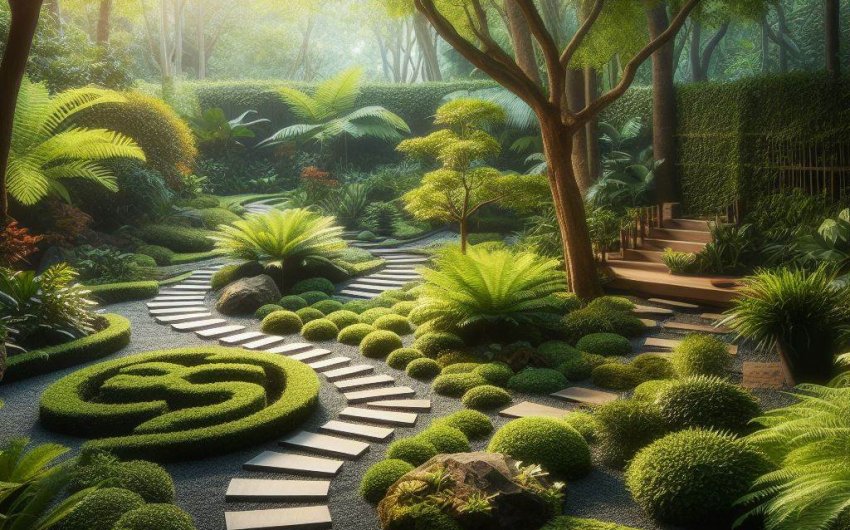
Crafting tranquil spaces: Shade garden design layout ideas often focus on embracing the unique challenges and opportunities presented by low-light conditions, prioritizing lush foliage textures, subtle color palettes, and thoughtful pathways to create serene and inviting outdoor retreats. Rather than seeing shade as a limitation, successful design transforms these areas into cool, verdant havens that offer a welcome respite from the sun, making them perfect for quiet contemplation or intimate gatherings. Thoughtful planning for shade garden design layout ideas truly brings these spaces to life.
What Makes a Shade Garden Different from a Sunny Garden?
Understanding what makes a shade garden fundamentally different from a sunny garden is the first step in unlocking its unique design potential and implementing effective shade garden design layout ideas. These differences go beyond just the amount of light and profoundly influence plant choices, design principles, and the overall atmosphere of the space. Embracing these distinctions allows you to transform a shaded area into a thriving, tranquil retreat.
Here are the key aspects that set a shade garden apart:
1. Light Availability and Quality
This is the most obvious and defining difference.
- Quantity: Sunny gardens receive 6+ hours of direct sunlight daily, whereas shade gardens receive significantly less.
- Full Shade: Less than 3 hours of direct sun per day, often dappled light or bright indirect light.
- Partial Shade/Dappled Shade: 3-6 hours of sun, typically morning sun or filtered light through tree canopy.
- Quality: The light in a shade garden is often softer, cooler, and more diffused. It changes throughout the day as the sun moves and tree leaves cast dancing shadows.
- Impact: This dictates plant selection. Sun-loving plants (like most vegetables and many flowers) require intense light for photosynthesis, while shade-loving plants have adapted to thrive in lower light.
2. Plant Palette and Emphasis
- Sunny Garden: Often emphasizes bright, bold, continuous flowers, showy blooms, and heat-loving foliage. Color is usually the star.
- Shade Garden: The plant palette shifts dramatically.
- Foliage Focus: With fewer long-blooming flowers, foliage texture, shape, and color become the primary design elements. Think variegated leaves, deep greens, chartreuse, silvery grays, and delicate fronds.
- Subtle Blooms: Flowers that do thrive in shade often have softer, more ethereal colors (whites, creams, blues, purples) and may bloom for shorter periods or in bursts.
- Form and Structure: The architectural qualities of plants like ferns, hostas, and hellebores contribute significantly.
- Impact: The shift means design focuses less on explosive floral color and more on the nuanced beauty of greenery.
3. Moisture and Soil Conditions
- Sunny Garden: Tends to dry out quickly, often requiring more frequent watering. Soil temperatures can fluctuate wildly.
- Shade Garden:
- Higher Moisture: Shaded areas generally retain soil moisture longer due to less evaporation.
- Drier Under Trees: However, shade created by mature trees can lead to very dry conditions as tree roots compete aggressively for water and nutrients.
- Soil Rich in Organic Matter: Natural shade gardens (like woodlands) often have soil rich in leaf mold and organic matter, providing a fertile, moisture-retentive, yet well-draining environment.
- Impact: Water management can be tricky – some shade is damp, some is bone dry. Soil structure and fertility become paramount.
4. Atmosphere and Ambiance
- Sunny Garden: Evokes feelings of energy, warmth, vibrancy, and exuberance. Often feels open and expansive.
- Shade Garden: Creates a distinctly different mood.
- Cool and Serene: Feels cooler, calmer, and more contemplative. It offers a welcome escape from summer heat.
- Intimate and Enclosed: Can feel more enclosed, mysterious, and intimate.
- Sensory Experience: The sound of rustling leaves, the soft drip of water, and subtle fragrances become more prominent.
- Impact: Design aims to enhance this sense of tranquility and respite.
5. Pests and Diseases
- Sunny Garden: Often battles heat stress, drought, and pests that prefer drier conditions.
- Shade Garden: Higher humidity and less air circulation can make shade gardens more susceptible to certain fungal diseases (e.g., powdery mildew) and pests that thrive in moist environments (e.g., slugs, snails).
- Impact: Requires attention to air circulation and plant spacing.
By understanding these fundamental distinctions, you can approach your shade garden design layout ideas not as a challenge, but as an exciting opportunity to craft a unique and enchanting part of your outdoor living space. It's about working with the shade, not against it.
What Are the Key Design Principles for Creating a Tranquil Shade Garden?
Creating a truly tranquil and inviting shade garden goes beyond simply picking plants that tolerate low light; it involves applying specific design principles that enhance the unique atmosphere of shaded spaces. The goal is to transform what some might see as a limitation into a verdant, serene oasis. Effective shade garden design layout ideas leverage these principles to maximize impact and create a sense of calm and beauty.
Here are the key design principles for crafting a tranquil shade garden:
Emphasize Foliage Texture, Shape, and Color:
- Principle: Since abundant, long-lasting blooms are rarer in shade, foliage becomes the star.
- Application: Create interest through a rich tapestry of leaf characteristics.
- Texture: Combine coarse textures (hostas, ferns like Ostrich fern) with fine textures (ferns like Maidenhair, Astilbe foliage, Heuchera).
- Shape: Use broad, bold leaves (hostas, Ligularia) next to delicate, dissected leaves (ferns, Astilbe, Bleeding Heart).
- Color: Beyond greens, incorporate variegated leaves (hostas, Brunnera), chartreuse or gold foliage (Hakonechloa, some Heuchera), deep burgundy (Heuchera), and silvery grays (Lamium, Brunnera). These colors truly glow in low light.
- Impact: Creates depth, visual interest, and a lush, verdant feel that is inherently calming.
Strategic Use of Subtle Color:
- Principle: Avoid overwhelming the space with too many bold, bright colors.
- Application: Focus on a harmonious, often cooler, color palette for blooms and complementary foliage.
- Whites, Creams, Blues, Purples: These colors stand out and "pop" beautifully in low light, appearing luminous. Think white Hellebores, blue Hostas, purple Astilbe.
- Limited Brights: If using brighter colors (like pink Astilbe or red Bleeding Heart), use them sparingly as accents to draw the eye.
- Impact: Contributes to the serene, ethereal quality of the shade garden, avoiding visual clutter.
Create Defined Pathways and Seating Areas:
- Principle: Invite exploration and provide places for rest.
- Application:
- Pathways: Use natural materials like stepping stones (slate, flagstone), gravel, or wood chips to create winding paths that lead through the garden, encouraging slow movement. Path edges can be softened by overhanging foliage.
- Seating: A small bench, a pair of chairs, or a rustic log seat tucked into a secluded nook creates a destination for quiet contemplation.
- Impact: Defines circulation, adds structure, and transforms the garden into an experience rather than just a view.
Incorporate Elements of Water:
- Principle: Water adds sound, reflection, and life.
- Application: A small water feature (a bubbling fountain, a bird bath, a miniature pond) introduces soothing sounds and reflective surfaces that play with the soft light.
- Impact: Enhances the tranquil atmosphere and attracts wildlife, adding another layer of sensory richness.
Utilize Hardscaping and Garden Art:
- Principle: Provide year-round structure and focal points.
- Application:
- Rocks and Boulders: Strategically placed rocks and boulders mimic a natural woodland setting.
- Log Edging/Driftwood: Adds rustic charm and defines beds.
- Garden Art: Subtle statues, carved stones, or wind chimes can add personality and focal points without being overwhelming.
- Impact: Adds architectural interest, defines spaces, and provides visual anchors, especially during seasons when plants are dormant.
Layer Planting for Depth and Interest:
- Principle: Create a naturalistic, multi-tiered planting scheme.
- Application: Use tall plants (ferns, Aralia) in the back, medium-height plants (Hostas, Heuchera, Astilbe) in the middle, and low-growing groundcovers (Lamium, Vinca, moss) in the front. This creates visual depth and mimics a forest understory.
- Impact: Gives the garden a lush, full, and mature appearance.
Consider Sensory Elements:
- Principle: Engage all the senses.
- Application: Plant fragrant shade-lovers (like Sweet Woodruff, Hosta 'Fragrant Bouquet', certain ferns like Autumn Fern which has a subtle resinous scent). Use materials that create pleasant sounds (wind chimes, rustling leaves).
- Impact: Enhances the immersive, tranquil experience.
By weaving these design principles into your shade garden design layout ideas, you can transform a neglected corner into a peaceful and enchanting haven, a true "tranquil space" that delights the senses and offers a serene escape from the everyday.
What Are Some Effective Layout Ideas for Small Shade Gardens?
Even a small shaded area can be transformed into a charming and tranquil retreat with clever shade garden design layout ideas. When space is limited, every plant and hardscape element needs to work harder, focusing on maximizing visual interest, creating a sense of depth, and enhancing the intimate atmosphere of the low-light environment. The goal is to make a small space feel larger and more purposeful.
Here are some effective layout ideas for small shade gardens:
1. The Miniature Woodland Retreat
- Concept: Recreate the feeling of a cozy forest understory in a compact space.
- Layout:
- Focal Point: Start with a single, small, understory tree or large shrub that thrives in shade (e.g., Japanese maple, Fothergilla, small rhododendron). This creates a canopy and vertical interest.
- Layered Planting: Plant in layers beneath the small tree:
- Mid-level: A few medium-sized hostas with varied leaf colors (e.g., blue, green, variegated).
- Low-level: Delicate ferns (Maidenhair, Autumn fern), foamflower (Tiarella), or a spreading groundcover like Sweet Woodruff (Galium odoratum).
- Path/Step: A single winding stepping stone or two, perhaps leading to a small, hidden birdhouse or a smooth, sculptural rock, hints at a larger journey.
- Elements: Driftwood, moss-covered rocks, a small bird bath.
- Impact: Creates intimacy, lushness, and a sense of discovery in a small area.
2. The Textured Foliage Tapestry
- Concept: Focus entirely on the interplay of leaf shapes, sizes, and colors to create dynamic visual interest without relying on many flowers.
- Layout:
- Defined Edge: Use a simple, clean edge (e.g., metal edging, neatly trimmed brick) to define the small garden bed.
- Bold Back/Midground: Place plants with large, bold leaves (e.g., 'Sum and Substance' Hosta, Ligularia 'The Rocket' if enough moisture) towards the back or center.
- Fine Texture Contrast: Interweave plants with delicate, feathery, or dissected foliage (e.g., various ferns like Japanese Painted Fern, Ostrich Fern, Astilbe).
- Color Pop: Integrate foliage with contrasting colors – chartreuse (Hakonechloa), deep burgundy (Heuchera 'Palace Purple'), silvery (Brunnera 'Jack Frost').
- Elements: A small, simple, dark-colored container with a single, striking shade plant (e.g., a variegated hosta) can add a vertical accent.
- Impact: Visually rich and captivating, showing that green is never "just green."
3. The Vertical Green Wall/Container Garden
- Concept: Maximize planting space by going vertical or using strategically placed containers. Ideal for very tiny, enclosed shaded spaces like patios or balconies.
- Layout:
- Vertical Element: Install a vertical garden system or a series of hanging baskets/wall-mounted planters on a shaded wall or fence.
- Container Groupings: Arrange various sizes of pots with shade-loving plants directly on the ground. Use odd numbers (3 or 5) and vary heights for visual interest.
- Plant Choices: Fill with small ferns, impatiens, coleus, small hostas, lamium, ivy, or heuchera.
- Elements: Attractive pots (ceramic pots for shade plants), perhaps a small, trickling water feature at the base of the wall.
- Impact: Creates an illusion of more space and brings lush greenery up to eye level.
4. The Luminous Corner Accent
- Concept: Focus on plants that "glow" in the shade, using light-colored foliage or white blooms to brighten a dark corner.
- Layout:
- Brightening Plants: Plant a mix of plants with white flowers (e.g., white Hellebores, white Impatiens, white Astilbe) or light-colored/variegated foliage (e.g., Hosta 'Guacamole', 'Patriot', some Caladiums).
- Path/Edging: Use light-colored gravel or white pavers for a small path or edging to enhance the luminous effect.
- Elements: A strategically placed garden lantern or low-voltage path light to illuminate the space after dark. A small, reflective gazing ball.
- Impact: Makes a dark corner feel brighter, more open, and inviting.
5. The Simple Serenity Spot
- Concept: Minimalist design for maximum calm, focusing on a few well-chosen elements.
- Layout:
- Clean Lines: A rectangular or circular bed with a clear edge.
- Focal Plant: One or two medium-sized, striking shade plants (e.g., a large, textured Hosta, a single bold fern).
- Groundcover: A simple, uniform groundcover (e.g., pachysandra, vinca minor, Sweet Woodruff) to fill the rest of the space.
- Small Accent: A single, artful stone or a simple, small bench.
- Elements: A smooth, flat stone or a small garden bench for shady spots.
- Impact: Emphasizes tranquility, reduces visual clutter, and provides a clear area for rest and contemplation.
By adapting these shade garden design layout ideas to your specific small space, you can create a beautiful and functional area that thrives in the low light, offering a cool and peaceful escape right at home.
What Are Effective Layout Ideas for Large Shade Gardens?
Designing a large shade garden presents wonderful opportunities to create immersive, multi-layered landscapes that feel like natural woodlands, offering deep tranquility and diverse visual interest. Unlike small spaces where every inch counts for density, large areas allow for sweeping views, meandering pathways, and distinct "rooms" within the garden. Effective shade garden design layout ideas for larger spaces focus on grander gestures and a more expansive interpretation of serenity.
Here are some effective layout ideas for large shade gardens:
1. The Meandering Woodland Path
- Concept: Create a journey through the shade, with a primary path guiding visitors past various planting zones and focal points.
- Layout:
- Main Path: Design a broad, gently curving pathway (gravel, wood chips, flagstone) that invites exploration. It should be wide enough for two people to walk comfortably side-by-side.
- Secondary Paths: Branch off the main path with narrower, more intimate paths leading to secluded nooks or hidden features.
- Layered Planting: Utilize the depth by planting tall, shade-tolerant trees (e.g., deciduous Oaks, Maples, Beeches if existing, or new understory trees like Serviceberry, Dogwood) as the upper canopy. Below, use a mix of large shrubs (hydrangeas, rhododendrons, azaleas) and then sweeping drifts of perennials (Hostas, ferns, Astilbe, Lenten Rose) along the path edges.
- Openings: Create small clearings or "rooms" along the path with a bench or a grove of trees to break up the continuous planting.
- Elements: Large boulders, rustic benches, a dry stream bed, a distant statuary glimpsed through foliage.
- Impact: Creates a sense of immersion, discovery, and quiet adventure, ideal for extended walks.
2. The Multi-Roomed Garden of Intimacy
- Concept: Divide the large shade garden into several distinct "rooms" or zones, each with its own character and purpose, connected by paths or open gateways.
- Layout:
- Defining "Walls": Use tall, dense shade-tolerant shrubs (e.g., yew, hemlock, certain rhododendrons) or groups of trees to create natural dividers. Low walls or trellises (with shade-loving vines like climbing hydrangeas) can also define spaces.
- Distinct Themes: Each "room" can have a different focus:
- A "Contemplation Room": A small, quiet space with a single bench, simple planting, and perhaps a bubbling fountain.
- A "Foliage Room": A space showcasing a diverse collection of hostas and ferns.
- A "Water Garden Room": Centered around a larger pond or stream.
- An "Activity Room": A more open space for a picnic table or quiet gathering.
- Elements: Gateways (arbors, open archways), varied seating, focal points within each room.
- Impact: Creates a sense of journey and intimate spaces within a larger landscape, preventing it from feeling overwhelming or undifferentiated.
3. The Naturalistic Drifts and Sweeps
- Concept: Mimic the natural patterns of a forest floor, planting large, flowing drifts of single plant species for maximum impact and a sense of effortless abundance.
- Layout:
- Mass Planting: Instead of individual specimens, plant large, organic-shaped masses of the same plant. For example, a wide sweep of blue hostas, followed by a flowing wave of Astilbe, transitioning into a carpet of Sweet Woodruff.
- Repeated Elements: Repeat certain plant groupings or a particular foliage color throughout the design to create cohesion and rhythm.
- Understory Trees: Incorporate groups of understory trees or large shrubs (e.g., three Dogwoods, a cluster of Oakleaf Hydrangeas) to create layers and vertical accents.
- Elements: Very few hardscape elements beyond paths. Focus on natural transitions and forms.
- Impact: Evokes a serene, untouched, and lush woodland aesthetic, requiring less precise placement and emphasizing the power of repetition.
4. The Formal or Semi-Formal Shade Garden
- Concept: Even in shade, you can introduce structure and formality, using symmetrical planting, clipped hedges, and defined geometric shapes.
- Layout:
- Symmetry: Use mirror-image planting on either side of a central path or feature.
- Formal Edging: Employ neatly trimmed boxwood (if shade-tolerant variety) or low hedging plants (like Dwarf Japanese Holly) to define geometric beds.
- Focal Point: A central fountain, a formal statue, or an elegant bench.
- Plant Choices: Select shade plants with good form that can tolerate some clipping (e.g., certain yews, hostas planted in symmetrical patterns).
- Elements: Sculpted topiary (if small and shade-tolerant), classic stone planters, urns.
- Impact: Creates an elegant, structured, and sophisticated atmosphere, proving that shade gardens aren't just wild.
5. The Water Feature Hub
- Concept: Design the entire large shade garden around a significant water feature, such as a large pond, a meandering stream, or a dramatic waterfall.
- Layout:
- Central Water Feature: The water is the main attraction, influencing all surrounding paths and planting.
- Riparian Planting: Plant moisture-loving shade plants (e.g., astilbe, ligularia, ferns, iris) along the banks of the water feature.
- Viewing Areas: Create multiple vantage points, benches, or small patios around the water to enjoy its sight and sound.
- Bridges/Stepping Stones: Integrate bridges or stepping stones to cross the water, adding an element of interaction.
- Elements: Aquatic plants, large rocks, statuary positioned to interact with the water.
- Impact: Maximizes the calming and sensory experience of water, creating a cool and refreshing haven.
By adapting these shade garden design layout ideas to your expansive area, you can craft a stunning and richly textured landscape that harnesses the unique beauty of low light, offering a truly tranquil and engaging outdoor experience.
What Are the Best Plants for Enhancing Shade Garden Layouts?
Choosing the right plants is fundamental to successfully implementing any shade garden design layout ideas, as they are the living elements that define the space's character, texture, and color. For a tranquil shade garden, the emphasis shifts from sun-loving flowers to a rich tapestry of foliage, subtle blooms, and varied forms that thrive in lower light conditions. Selecting appropriate plants enhances the desired ambiance and ensures a thriving, low-maintenance haven.
Here are some of the best plants for enhancing shade garden layouts:
1. Foliage Favorites (The Stars of the Shade Garden)
These plants offer diverse textures, shapes, and colors, providing year-round interest.
- Hostas (Hosta species and cultivars):
- Why they're great: The quintessential shade plant. Unbeatable variety in leaf size (miniature to giant), shape (heart-shaped, lance-like), texture (smooth, ribbed, seersucker), and color (deep green, blue, chartreuse, variegated with white or yellow). Some are even fragrant.
- Enhances Layout: Create drifts, define edges, use as bold focal points, or fill in large areas.
- Care: Consistently moist, well-draining soil. Watch for slugs and snails.
- Ferns (Various genera):
- Why they're great: Provide an elegant, feathery, and often architectural contrast to bolder foliage. Many offer seasonal color.
- Key Varieties:
- Japanese Painted Fern (Athyrium niponicum 'Pictum'): Silvery-gray-green fronds with burgundy accents.
- Autumn Fern (Dryopteris erythrosora): New fronds emerge coppery-red, maturing to dark green.
- Ostrich Fern (Matteuccia struthiopteris): Tall, upright, bold texture, spreads by rhizomes.
- Maidenhair Fern (Adiantum pedatum): Delicate, airy texture.
- Enhances Layout: Soften edges, fill in gaps, provide fine texture.
- Care: Consistent moisture, rich soil.
- Heuchera (Coral Bells):
- Why they're great: Incredible range of foliage colors (lime green, chartreuse, caramel, deep purple, black, silver, variegated) and ruffled textures. Small, airy flowers are a bonus.
- Enhances Layout: Front of borders, mass plantings for sweeps of color, container accents.
- Care: Well-drained soil is crucial, especially in winter.
- Brunnera (Brunnera macrophylla) (Siberian Bugloss):
- Why they're great: Large, heart-shaped leaves, often variegated with silver (e.g., 'Jack Frost', 'Silver Heart'), which illuminate dark areas. Delicate blue, forget-me-not-like flowers in spring.
- Enhances Layout: Brighten dark spots, create pools of luminous foliage.
- Care: Consistently moist soil.
2. Flowering Beauties (Adding Subtle Color)
These plants provide lovely blooms that stand out beautifully in low light.
- Hellebores (Helleborus species) (Lenten Rose/Christmas Rose):
- Why they're great: Bloom in late winter to early spring, often through snow! Flowers in shades of white, pink, purple, green, often speckled. Evergreen foliage provides winter interest.
- Enhances Layout: Provide early season color, evergreen structure.
- Care: Well-drained soil, tolerate dry shade once established.
- Astilbe (Astilbe species):
- Why they're great: Feathery plumes of flowers in white, pink, red, and purple in summer. Attractive, fern-like foliage.
- Enhances Layout: Provide vertical accents, summer color bursts.
- Care: Require consistently moist soil; do not tolerate dry conditions.
- Impatiens (Impatiens walleriana) / New Guinea Impatiens:
- Why they're great: Offer continuous, vibrant color (white, pink, red, orange, purple) even in deep shade. Ideal for annual displays.
- Enhances Layout: Brighten dark areas with reliable color, great for containers.
- Care: Need consistent moisture. Susceptible to downy mildew (for I. walleriana), so look for resistant varieties or New Guinea Impatiens.
- Bleeding Heart (Dicentra spectabilis):
- Why they're great: Heart-shaped pink or white flowers in spring. Delicate, fern-like foliage.
- Enhances Layout: Add early spring charm and unique flower form.
- Care: Moist, well-drained soil. Often goes dormant in summer heat.
- Hydrangeas (Certain species):
- Why they're great: Some varieties, especially Oakleaf Hydrangea (Hydrangea quercifolia) and Smooth Hydrangea (Hydrangea arborescens 'Annabelle' series), thrive in partial shade, offering large, showy blooms.
- Enhances Layout: Provide significant seasonal structure and large flower clusters.
- Care: Moist, well-drained soil.
3. Groundcovers and Edging Plants
These fill in the spaces, suppress weeds, and create a lush carpet.
- Sweet Woodruff (Galium odoratum):
- Why they're great: Spreading groundcover with delicate white flowers in spring and a lovely vanilla-hay scent when crushed or dried.
- Enhances Layout: Creates a soft, uniform carpet.
- Lamium (Dead Nettle):
- Why they're great: Fast-spreading groundcover with variegated foliage (often silver) and small purple, pink, or white flowers.
- Enhances Layout: Brightens dark spots, provides quick coverage.
- Pachysandra (Pachysandra terminalis):
- Why they're great: Evergreen, dense groundcover providing year-round green.
- Enhances Layout: Creates a uniform, low-maintenance base.
4. Shrubs and Small Trees (Adding Structure and Height)
These provide the backbone of the garden.
- Rhododendrons and Azaleas:
- Why they're great: Evergreen foliage (for many) and spectacular spring flowers in a huge range of colors. Prefer acidic soil.
- Enhances Layout: Provide evergreen structure, mid-level height, and dramatic spring blooms.
- Care: Require specific acidic soil conditions.
- Japanese Maples (Acer palmatum cultivars):
- Why they're great: Offer exquisite foliage (colors, shapes, textures), graceful form, and often stunning fall color. Many varieties thrive in partial shade.
- Enhances Layout: Excellent focal points, add delicate texture and seasonal interest.
- Care: Protect from strong winds and intense afternoon sun. You can find small Japanese maple trees for shade from specialized nurseries.
By thoughtfully combining these plants, considering their specific needs and how their forms, textures, and colors interact, you can effectively enhance any of your chosen shade garden design layout ideas, transforming your low-light areas into truly vibrant and tranquil spaces.