
Bold Statements: Transform Your Yard with Landscaping Using Boulders
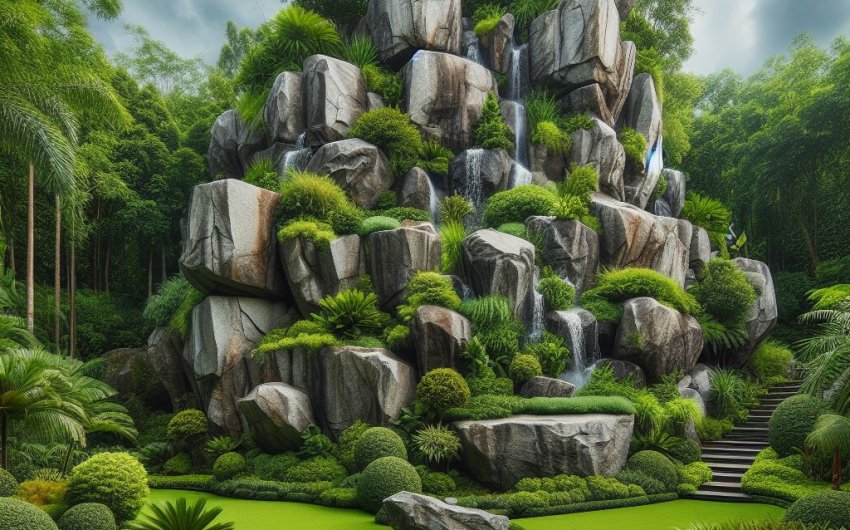
Bold statements: Transform your yard with landscaping using boulders by strategically placing these magnificent natural elements to create dramatic focal points, define spaces, provide structural integrity, and introduce a timeless, rugged beauty that elevates the entire outdoor aesthetic. Boulders, ranging from small accent stones to massive, awe-inspiring rocks, offer unparalleled versatility in garden design, allowing you to mimic natural rock formations or establish unique, sculptural statements. Thoughtful incorporation of landscaping using boulders truly gives a yard character and definition.
Why Choose Boulders as a Landscaping Feature?
Choosing boulders as a landscaping feature is a powerful design decision that brings a unique blend of timeless beauty, structural integrity, and low-maintenance appeal to any outdoor space. While they represent a significant investment in effort and resources, their impact is unparalleled, allowing you to truly transform your yard with landscaping using boulders. Understanding these compelling reasons highlights why they are so valued in high-impact garden design.
Here’s why boulders are an excellent choice for landscaping:
- Timeless Natural Beauty and Authenticity:
- Organic Appeal: Boulders are natural elements, shaped by geological forces over millennia. Their weathered surfaces, unique textures, and inherent variations in color and form bring an undeniable authenticity and connection to nature.
- Instant Maturity: Unlike plants that take years to grow, a boulder instantly adds a sense of age, permanence, and establishment to a landscape, making a newly designed space feel mature and grounded.
- Versatility: They complement virtually any garden style, from rustic and woodland to modern and minimalist, blending seamlessly or providing a striking contrast.
- Dramatic Focal Points and Visual Impact:
- Eye-Catching: A well-placed boulder, especially a larger one, instantly becomes a commanding focal point, drawing the eye and anchoring a specific area of the garden.
- Sculptural Elements: Their natural forms can be surprisingly sculptural, adding an artistic dimension to the landscape without the need for manufactured art.
- Scale and Presence: They provide a sense of scale and presence that few other landscaping elements can match, making a bold statement.
- Structural and Functional Benefits:
- Retaining Walls and Terracing: Boulders are excellent for building dry-stacked retaining walls, creating terraced garden beds on slopes, or stabilizing embankments. Their weight and natural interlocking shapes provide robust support.
- Erosion Control: Strategically placed boulders can slow down water flow and prevent soil erosion, especially in dry creek beds or on sloped areas.
- Defining Spaces: They can naturally define garden beds, separate different areas of the yard, or edge pathways, creating clear boundaries with an organic feel.
- Steps and Seating: Larger, flatter boulders can be incorporated as natural steps on a sloped path or even serve as rustic, permanent seating.
- Low Maintenance and Durability:
- Permanent Feature: Boulders are permanent. Unlike plants that need watering, pruning, or annual replacement, once a boulder is placed, it requires virtually no maintenance.
- Weather-Resistant: They withstand all extreme weather conditions – sun, rain, snow, and ice – without degrading, fading, or losing their aesthetic appeal.
- No Pests: They don't attract pests or diseases, unlike organic materials.
- Microclimates and Plant Integration:
- Heat Absorption: Boulders absorb and radiate heat, creating microclimates that can benefit certain plants.
- Planting Pockets: They can create natural pockets for planting, especially for alpine or rock garden plants that thrive in crevices.
- Contrast for Foliage: Their solid, unmoving presence provides a perfect backdrop for the soft textures and vibrant colors of surrounding plants, making both elements stand out.
While the logistics of moving and placing boulders require careful planning and often heavy equipment, the long-term benefits in terms of beauty, structure, and minimal upkeep make them an incredibly valuable and impactful choice for anyone looking to make bold statements and truly transform your yard with landscaping using boulders.
What Are the Different Types and Sizes of Boulders for Landscaping?
To truly transform your yard with landscaping using boulders, it's crucial to understand the diverse types and sizes available, as these characteristics dictate their aesthetic impact, functional applications, and ease of installation. Boulders are not just "rocks"; they come in a fascinating array of geological compositions, colors, textures, and dimensions, each offering unique possibilities for your landscaping using boulders project.
Here's a breakdown of the different types and sizes of boulders:
1. Types of Boulders (Based on Geological Composition/Color/Texture)
The specific type of boulder available to you will largely depend on your local geology, as quarries and rock yards primarily source from nearby formations.
- Granite Boulders:
- Appearance: Often light to dark gray, sometimes with specks of black, white, pink, or red. Can have a crystalline, often rugged or slightly rounded texture depending on weathering.
- Aesthetic: Classic, strong, formal, and versatile. Blends well with many modern or traditional designs.
- Basalt Boulders:
- Appearance: Typically dark gray to black. Very dense, often smooth from volcanic weathering, or fractured with sharp edges.
- Aesthetic: Modern, dramatic, creates strong contrast. Excellent for contemporary designs or water features.
- Sandstone Boulders:
- Appearance: Earth tones dominate: browns, tans, reds, yellows, and creams. Often has a layered or stratified appearance. Can be somewhat softer and more porous than granite.
- Aesthetic: Warm, natural, rustic. Excellent for mimicking desert or arid landscapes.
- Limestone Boulders:
- Appearance: Typically lighter in color: whites, grays, creams, or light browns. Can be very textured, pitted, or show fossil inclusions.
- Aesthetic: Luminous, often used in cottage gardens or to create a brighter, more open feel. Can react with acidic rain, potentially impacting soil pH.
- River Boulders (Large River Rock):
- Appearance: Naturally smooth and rounded, shaped by water. Colors are often a mix of grays, browns, tans, and reds, depending on the riverbed.
- Aesthetic: Organic, naturalistic, serene. Ideal for dry creek beds, pond edges, or woodland gardens. These are essentially very large river rocks.
- Moss Rock:
- Appearance: Any type of rock (often granite or sandstone) that has natural moss or lichen growing on its surface, giving it an aged, verdant look.
- Aesthetic: Instantly adds a sense of maturity, enchantment, and natural establishment. Highly prized for woodland or Asian-inspired gardens.
2. Sizes of Boulders
Boulders are typically categorized by weight or approximate diameter/length, ranging from manageable one-person lifts to multi-ton giants.
- Accent Boulders (1-man, 2-man, 3-man):
- Size: Generally between 50-500 lbs (23-227 kg). Can be moved by one to three strong individuals with the right tools (rock carts, pry bars). Approximately 1 foot to 2.5 feet (30-75 cm) in diameter.
- Uses: Small focal points, garden bed accents, defining edges of pathways, within small dry creek beds, in perennial borders.
- Consideration: Most popular for DIY projects.
- Feature Boulders (Small Equipment):
- Size: 500 lbs to 2,000 lbs (227-907 kg) – a "pallet-sized" boulder. Requires heavy-duty equipment like a skid steer, small excavator, or front-end loader to move and place. Approximately 2.5 feet to 4 feet (75-120 cm) in diameter.
- Uses: Prominent focal points in larger garden beds, low retaining walls, around ponds or water features, anchoring dry creek beds.
- Consideration: Requires professional equipment and expertise for placement.
- Specimen Boulders (Heavy Equipment):
- Size: Over 2,000 lbs (907 kg) up to several tons. Requires large excavators, cranes, or specialized boulder-moving equipment. Approximately 4 feet (120 cm) or more in diameter.
- Uses: Grand focal points, large retaining walls, massive natural rock outcroppings, sculptural statements in expansive landscapes.
- Consideration: Always requires professional landscaping contractors with specialized heavy equipment. Significant cost for both boulder and installation.
Tips for Choosing Sizes:
- Scale: Always select boulders that are proportionate to the scale of your landscape. A tiny boulder will look lost in a large yard; a massive boulder will overwhelm a small garden.
- Odd Numbers: Boulders often look most natural when placed in groups of odd numbers (3, 5, 7) or as single, striking specimens.
- Variety: Mixing sizes (e.g., one large specimen boulder with a few smaller accent boulders around its base) creates a more natural and dynamic look, mimicking natural rock formations.
By carefully considering the type and size of boulders, you can ensure they perfectly fit your design vision, effectively allowing you to make bold statements and truly transform your yard with landscaping using boulders.
How Can Boulders Be Used to Create Stunning Focal Points?
Landscaping using boulders truly shines when these natural giants are employed to create stunning focal points, instantly drawing the eye and anchoring the entire garden design. A strategically placed boulder, whether as a solitary sculptural piece or part of a larger composition, can dramatically transform your yard with landscaping using boulders, adding a timeless and impactful element that exudes strength and natural beauty. The key is thoughtful placement and integration into the surrounding environment.
Here’s how boulders can be used to create stunning focal points:
- The Solitary Sentinel:
- Concept: Use a single, magnificent boulder as a standalone focal point.
- Application: Choose a boulder with an interesting shape, unique texture, or beautiful color. Place it prominently in an open area, at the bend of a path, or at the end of a sightline from a window or patio. Bury 1/3 to 1/2 of the boulder to make it look like it emerged naturally from the ground.
- Surrounding Elements: Plant it with contrasting, yet complementary, low-growing plants that don't obscure its form (e.g., creeping sedum, ornamental grasses, low-spreading evergreens).
- Impact: Creates a powerful, minimalist statement, offering a sense of permanence and grandeur.
- Boulder Groupings (Natural Outcroppings):
- Concept: Arrange multiple boulders of varying sizes and shapes to mimic a natural rock outcrop found in nature.
- Application: Use an odd number of boulders (3, 5, or more) with a dominant largest boulder. Place them partially buried, clustered together but with irregular spacing, as if they've been there for centuries. Vary the amount each is buried to enhance the natural look.
- Surrounding Elements: Integrate native plants, ferns, ornamental grasses, or alpine plants within the crevices and around the base of the grouping. A small dry creek bed can flow past them.
- Impact: Creates a more complex and naturalistic focal point, inviting exploration and closer inspection. You can find large and medium landscaping boulders to create these groupings.
- Boulders in Water Features:
- Concept: Integrate boulders directly into ponds, waterfalls, or bubbling rock features.
- Application:
- Waterfalls: Stack larger, flatter boulders to create a natural-looking waterfall cascade, ensuring proper water flow.
- Pond Edging: Place boulders partially submerged around the edge of a pond to create a natural transition from water to land.
- Bubbling Rock: Drill a hole through a boulder and run water up through it, creating a natural-looking bubbling fountain.
- Impact: Creates a dynamic focal point that combines the solidity of rock with the tranquility and sound of moving water.
- Boulders as Gateway Markers:
- Concept: Use a pair or small grouping of boulders to mark an entrance to a path, a garden room, or a property boundary.
- Application: Place equally sized or complementary boulders on either side of a path opening or a garden gate.
- Impact: Creates a clear sense of arrival and transition, adding an element of grandiosity to an entrance.
- Boulder with Companion Planting:
- Concept: Use a boulder as a backdrop or anchor for a specific planting arrangement, drawing attention to both the rock and the plants.
- Application: Plant a climbing vine (e.g., climbing hydrangea for shade, clematis for sun) to grow partially over a boulder. Or use a boulder as a striking backdrop for a cluster of contrasting plants like vibrant hostas or delicate ferns.
- Impact: Enhances both the boulder and the plants, creating a harmonious and layered focal point.
- Illuminated Boulders:
- Concept: Use landscape lighting to highlight the texture, form, and presence of boulders at night.
- Application: Install small landscape spotlights to cast light up or across a boulder, emphasizing its unique features and creating dramatic shadows.
- Impact: Extends the visual interest of the focal point into the evening hours, adding depth and a mystical ambiance to the garden.
When creating focal points, remember that less is often more. A few well-placed boulders will have a much stronger impact than many scattered rocks. Proper placement and partial burying are essential to make them look like they belong there, ensuring your landscaping using boulders truly makes bold statements and transforms your yard into a work of natural art.
How Can Boulders Be Used for Structural and Functional Landscaping?
Beyond their aesthetic appeal, landscaping using boulders offers immense structural and functional benefits, allowing you to tackle practical challenges in your yard while simultaneously enhancing its beauty. From stabilizing slopes to defining garden spaces, boulders provide durable, long-lasting solutions that can dramatically transform your yard with landscaping using boulders, blending utility with the timeless charm of natural stone. These applications are about building a resilient and beautiful landscape.
Here’s how boulders can be used for structural and functional landscaping:
- Retaining Walls and Terracing:
- Function: Boulders are excellent for building dry-stacked retaining walls (without mortar) to manage slopes, prevent soil erosion, and create level planting areas (terraces).
- Application:
- Start with a strong, level base.
- Carefully stack boulders, interlocking them tightly without mortar. Use smaller rocks and gravel in the voids for stability.
- Ensure a slight backward lean (batter) into the slope for stability.
- Larger, flatter boulders are generally easier to stack.
- Impact: Provides robust, natural-looking support for sloped landscapes, preventing soil runoff and creating valuable new planting space. This is a bold and natural way to manage grade changes.
- Erosion Control and Dry Creek Beds:
- Function: Guide and slow down the flow of stormwater runoff, preventing soil erosion and directing water to desired areas (e.g., rain gardens, drainage systems).
- Application:
- Excavate a shallow, meandering trench in areas prone to runoff.
- Line with heavy-duty landscape fabric or a pond liner (for high flow).
- Place larger, more angular boulders along the "banks" and at turns to create eddies and slow water.
- Fill the main channel with a mix of river rocks and smaller cobbles to create a natural streambed.
- Impact: An incredibly effective and beautiful way to manage stormwater, preventing costly erosion and adding a dramatic natural feature.
- Defining Garden Beds and Borders:
- Function: Create clear, permanent, and organic boundaries for garden beds, separating them from lawns, pathways, or other landscape elements.
- Application:
- Place a continuous line or spaced grouping of medium to large boulders (e.g., 6-12 inches diameter) along the edge of a garden bed.
- Partially bury them to make them look integrated into the landscape.
- Impact: Provides a strong, natural edge that keeps soil and mulch in place, prevents grass encroachment, and adds significant visual weight and texture.
- Natural Steps and Walkway Edging:
- Function: Create stable, aesthetically pleasing steps on sloped pathways or define the edges of naturalistic walkways.
- Application:
- For steps: Use large, flat-topped boulders, partially burying them for stability, ensuring a level tread.
- For edging: Place a continuous or staggered row of medium to large boulders along the sides of a gravel or decomposed granite path.
- Impact: Offers durable, safe, and natural-looking transitions in elevation and defines pedestrian routes with a rustic charm.
- Microclimates and Windbreaks:
- Function: Large boulders can slightly modify the immediate environment around them.
- Application:
- In sunny areas, large boulders can cast small pockets of shade, benefiting smaller, sun-sensitive plants.
- They absorb heat during the day and release it at night, creating slightly warmer microclimates beneficial for certain plants in cooler regions.
- A cluster of large boulders can act as a natural windbreak for smaller plants planted behind them.
- Impact: Helps create diverse growing conditions within your garden.
- Protecting Plants/Structures:
- Function: Act as a natural barrier.
- Application: Place boulders around delicate plants to protect them from foot traffic, mowers, or vehicle tires. Use them to divert traffic or define parking areas subtly.
- Impact: Practical protection with a natural aesthetic.
The functional applications of landscaping using boulders are as impactful as their aesthetic ones. By leveraging their inherent strength and natural forms, you can create a yard that is not only strikingly beautiful but also structurally sound, resilient, and highly functional, allowing you to make bold statements that stand the test of time.
What Are Important Considerations Before Installing Boulders in Your Yard?
Before you embark on your journey to transform your yard with landscaping using boulders, there are several critical considerations you must address. Boulders are heavy, permanent, and often require specialized equipment, making careful planning and safety paramount. Overlooking these important steps can lead to costly mistakes, injury, or an unsatisfactory outcome for your landscaping using boulders project.
Here are the important considerations before installing boulders:
- Safety First (Always!):
- Weight: Boulders are extremely heavy. Even a "one-man" boulder is often 50-100 lbs. Larger boulders require specialized equipment.
- Lifting: Never attempt to lift boulders that are too heavy for you. Use proper lifting techniques and tools (rock bars, slings, rock carts) to prevent injury.
- Professional Help: For any boulder over 200-300 lbs, or if you're unsure, hire a professional landscaping contractor with the right equipment (skid steers, excavators, cranes) and experience. They have the expertise to move and place large boulders safely and effectively.
- Children/Pets: Ensure the area is clear of children and pets during installation.
- Permits and Utilities:
- Call 811 (Dig Safely): Before any digging, even for partially burying boulders, always call 811 (or your local utility locate service) a few days in advance. Utility lines (gas, water, electric, cable) can be buried just beneath the surface. Hitting one can be incredibly dangerous and costly.
- Local Regulations: Check with your local municipality for any zoning laws, setbacks, or permits required for large landscaping features, especially if you're building retaining walls or altering drainage patterns.
- Boulder Selection (Type, Size, Quantity):
- Aesthetic Goals: Choose a boulder type (granite, sandstone, river rock) whose color and texture complement your home's architecture and existing landscape elements.
- Scale: Select boulder sizes that are proportionate to your yard's overall scale and the specific area you're decorating. A good rule of thumb is to use 1/3 larger boulders, 1/3 medium, and 1/3 smaller to create a natural look if grouping.
- Quantity: Estimate how many you need. It's often better to start with slightly fewer and add more later if needed.
- Source: Purchase from a reputable quarry or landscape supply yard. Visit in person to hand-select individual boulders if possible.
- Placement and Design:
- Plan on Paper First: Draw out your design, marking boulder locations. Consider how they will look from different vantage points (house, patio, street).
- Sunlight/Shadows: How will boulders interact with sun and shadow throughout the day and year?
- "Bury" Them: To make boulders look natural, always bury 1/3 to 1/2 of their mass into the ground. This anchors them and makes them appear as if they've always been there.
- Orientation: Look for the boulder's most interesting face or "best side." Think about its orientation (vertical, horizontal, angled).
- Integration with Plants: Plan for plants that will complement and soften the boulders. Consider planting plants that spill over them, or those that thrive in the microclimates boulders create.
- Drainage: Consider how boulders will affect water flow. Can they be integrated into a dry creek bed or help manage runoff?
- Access and Logistics:
- Delivery: Can a large truck deliver the boulders to your property?
- Movement: How will you get the boulders from the delivery point to their final location? Will you need a bobcat, a small excavator, or strong friends and pry bars? Ensure enough clearance for equipment.
- Soil Preparation: Will you need to compact the soil where the boulder sits? Will you need to excavate for burying?
- Budget:
- Cost of Boulders: Prices vary significantly by type, size, and weight.
- Delivery Fees: Can be substantial due to weight.
- Installation Costs: If hiring professionals, this will be the largest component of your budget.
- Tools: Factor in rental costs for equipment or purchase of heavy-duty tools.
By meticulously addressing these crucial considerations, you ensure a safe, efficient, and successful project, truly allowing you to make bold statements and transform your yard with landscaping using boulders into a stunning and harmonious outdoor space.