
Nature's Palette: Crafting Your Dream Rock Yard Design
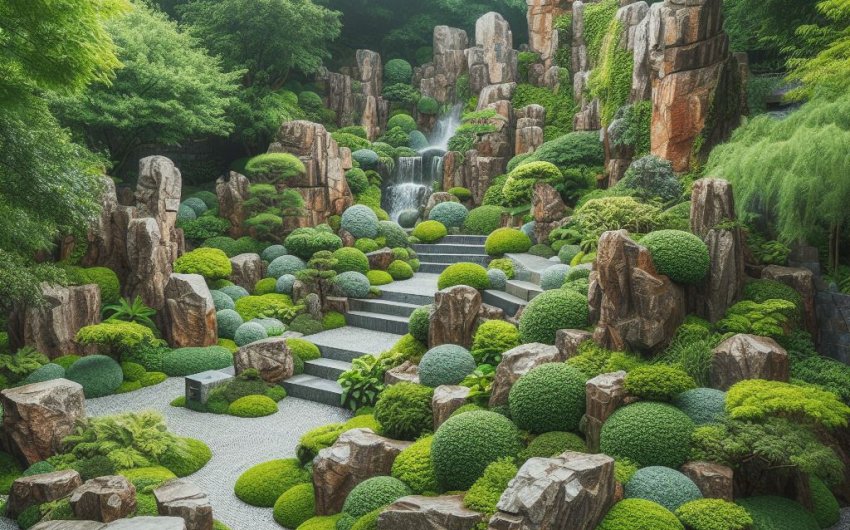
Nature's palette: Crafting your dream rock yard design involves artfully integrating various stones, from gravel to boulders, with drought-tolerant plants, to create stunning, low-maintenance, and ecologically friendly landscapes that mimic natural arid or alpine environments. Beyond mere aesthetics, a well-executed rock yard design provides excellent drainage, suppresses weeds, and conserves water, transforming challenging or neglected spaces into visually striking and sustainable outdoor sanctuaries. Thoughtful planning for rock yard design truly unlocks its full potential.
Why Choose a Rock Yard Design for Your Landscape?
Choosing a rock yard design for your landscape is a growing trend, moving beyond traditional lawns and lush gardens to embrace a more sustainable, low-maintenance, and naturally aesthetic approach. This design style, which artfully integrates various types of stone with drought-tolerant plants, offers a wealth of benefits that can truly help you craft your dream rock yard design, turning what might seem like a barren space into a captivating outdoor oasis.
Here’s why a rock yard design is an excellent choice:
- Low Water Usage (Drought-Tolerant):
- Sustainability: This is one of the most compelling reasons. Rock yards are often designed around xeriscaping principles, utilizing drought-tolerant and native plants that require minimal irrigation once established.
- Water Conservation: Reduces the need for constant watering compared to traditional lawns or water-intensive garden beds, saving a significant amount of water (and money on your water bill).
- Ideal for Arid Climates: Perfect for regions experiencing drought or with naturally arid conditions.
- Minimal Maintenance:
- Reduced Labor: Say goodbye to constant mowing, fertilizing, and extensive weeding! Once established, a rock yard requires significantly less upkeep.
- Weed Suppression: Properly installed rock mulches (with landscape fabric underneath) effectively suppress weed growth by blocking sunlight.
- No Seasonal Chores: Rocks don't need pruning, deadheading, or annual replanting like many flowers.
- Excellent Drainage and Erosion Control:
- Permeable Surfaces: Rock surfaces (gravel, small pebbles) allow rainwater to penetrate the soil, minimizing runoff and improving groundwater recharge.
- Slope Management: Rocks and boulders are incredibly effective for stabilizing slopes, preventing soil erosion, and creating natural-looking terraces.
- Water Flow: Dry creek beds made of river rock can beautifully manage stormwater runoff.
- Year-Round Beauty and Visual Interest:
- Timeless Aesthetic: Rocks and boulders are permanent, unchanging elements that provide year-round structure and visual appeal, even when plants are dormant.
- Textural Variety: The interplay of smooth river rock, jagged gravel, and massive boulders creates rich textural contrast.
- Diverse Plant Palette: Drought-tolerant plants, succulents, ornamental grasses, and alpine plants offer unique forms, colors, and subtle blooms that thrive in these conditions.
- Mimics Nature: A well-designed rock yard can evoke the beauty of desert landscapes, alpine meadows, or Japanese gardens, bringing a piece of nature's palette to your home.
- Durability and Longevity:
- Permanent Feature: Rocks don't decompose, fade, or blow away like organic mulches. Once installed, they last for decades.
- Weather-Resistant: They withstand all types of weather, from intense sun to heavy snow, without degradation.
- Pest Resistance:
- Unlike organic mulches which can harbor pests like termites or slugs, rock mulches do not attract these creatures.
- Fire-Wise Landscaping:
- In areas prone to wildfires, a rock yard with strategic placement of non-flammable materials (rocks, inorganic mulch) and drought-tolerant, low-growing plants can act as a natural firebreak, protecting your home.
By embracing a rock yard design, you're creating a landscape that is not only visually stunning and uniquely adapted to various environmental conditions but also highly sustainable and incredibly easy to maintain. This thoughtful approach allows you to truly craft your dream rock yard design, bringing a natural palette to your outdoor living space.
What Are the Key Design Principles for a Successful Rock Yard?
Crafting a successful rock yard design requires more than simply scattering stones; it involves applying specific design principles that enhance the natural beauty of the materials and create a cohesive, harmonious, and captivating landscape. Whether aiming for a minimalist zen garden or a rugged desert oasis, adherence to these principles is essential for nature's palette to truly shine. These guidelines help to ensure your rock yard design feels authentic and visually appealing.
Here are the key design principles for a successful rock yard:
- Embrace Naturalism and Authenticity:
- Principle: Rocks should look like they belong, as if they've been there for ages or emerged naturally from the earth.
- Application:
- Bury Boulders: Always bury 1/3 to 1/2 of large boulders into the ground. This anchors them visually and physically, making them appear integrated, not just placed on top.
- Group Naturally: Arrange boulders and rocks in odd-numbered clusters (3, 5, 7) or as single, striking specimens. Mimic natural rock outcroppings, avoiding uniform spacing.
- Use Local Materials: Where possible, choose rock types native to your region. This makes the design feel more authentic and reduces transportation costs.
- Impact: Creates a sense of permanence, age, and belonging.
- Prioritize Texture, Form, and Contrast:
- Principle: Since flowers might be seasonal or subtle, the interplay of textures and forms becomes paramount.
- Application:
- Variety of Rocks: Combine different sizes and textures of rock: large, smooth river boulders with jagged flagstone, or fine decomposed granite with medium gravel.
- Plant Contrast: Pair the solid, unmoving form and hard texture of rocks with the soft, flowing textures of ornamental grasses, the spiky forms of succulents, or the delicate foliage of alpine plants.
- Impact: Adds depth, visual interest, and a dynamic quality to the landscape.
- Define Spaces and Create Flow:
- Principle: Rocks can be used to delineate areas, guide the eye, and create a sense of movement.
- Application:
- Dry Creek Beds: Design a winding dry creek bed using river rock to simulate water flow, guiding the eye through the garden.
- Borders/Edging: Use larger rocks or boulders to clearly define garden beds, pathways, or different zones within the yard.
- Pathways: Create paths with gravel or stepping stones, using larger rocks to frame their edges or mark transitions.
- Impact: Adds structure, improves circulation, and creates a sense of journey and discovery.
- Embrace Simplicity and Restraint (Especially for Zen/Modern Styles):
- Principle: Sometimes, less is more. The power of a single, perfectly placed rock can be immense.
- Application: Avoid overcrowding with too many different elements. Allow negative space (unplanted areas of gravel or rock) to create a sense of calm and highlight key features.
- Impact: Creates a minimalist, serene, and sophisticated aesthetic.
- Consider Scale and Proportion:
- Principle: All elements (rocks, plants, pathways) should be in proportion to each other and to the overall size of your yard.
- Application: A tiny pebble garden might look lost in a vast backyard, while a massive boulder could overwhelm a small patio. Use larger rocks for expansive areas and smaller, more refined stones for intimate spaces.
- Impact: Ensures the design feels balanced and harmonious.
- Integrate Water (Even Dry Water):
- Principle: The sight and sound of water are inherently tranquil. Rocks are naturally associated with water.
- Application:
- Dry Creek Beds: As mentioned, these mimic flowing water.
- Water Features: Incorporate bubbling rocks, small fountains, or ponds edged with river rock.
- Impact: Enhances the sense of calm and vitality in the garden.
- Plant Wisely (Drought-Tolerant and Appropriate):
- Principle: Select plants that thrive in rocky, well-drained conditions and complement the chosen rock aesthetic.
- Application: Focus on succulents, cacti, ornamental grasses, alpine plants, and native drought-tolerant shrubs. Group plants with similar water needs together.
- Impact: Provides living elements that soften the hardscape, add seasonal interest, and contribute to the ecological function of the rock yard.
By adhering to these fundamental design principles, you can move beyond simply accumulating stones and truly craft your dream rock yard design, using nature's palette to create a stunning, sustainable, and harmonious outdoor space.
What Are Some Popular Rock Yard Design Styles?
When envisioning your dream rock yard design, understanding the different popular styles can help you define your aesthetic goals and create a cohesive, impactful landscape. From serene Zen gardens to rugged desert oases, each style of rock yard design uses nature's palette of stones and plants in distinct ways to evoke a particular mood and achieve specific functions. These styles provide excellent starting points for transforming your outdoor space.
Here are some popular rock yard design styles:
- Japanese Zen Garden (Karesansui):
- Concept: Highly minimalist and contemplative, designed to create a dry landscape representing natural scenery, often mountains (rocks) and water (raked gravel).
- Key Elements:
- Rocks: Carefully selected, sculptural boulders as symbolic mountains or islands. Often placed in odd-numbered groupings.
- Gravel/Sand: Extensive areas of finely raked white or light-colored gravel or sand, representing water, calm, or emptiness.
- Plants: Very sparse and carefully placed, often moss, a single pruned pine tree, or small, meticulously shaped shrubs.
- Hardscaping: Simple stone lanterns, stepping stones.
- Aesthetic: Extremely peaceful, serene, encourages meditation. Focuses on balance, asymmetry, and negative space.
- Maintenance: Requires meticulous raking of gravel and precise plant care.
- Desert / Xeriscape Rock Garden:
- Concept: Mimics the beauty and resilience of arid landscapes, focusing on extreme drought tolerance and dramatic plant forms.
- Key Elements:
- Rocks: Abundant use of varied rock types and sizes, from large boulders as focal points to gravel or decomposed granite as groundcover. Often uses local stone (e.g., sandstone, granite).
- Plants: Cacti, succulents (agave, yucca, sedum), drought-tolerant ornamental grasses, native shrubs, and wildflowers. Plants with striking forms or colors.
- Colors: Earthy tones dominate, often with pops of color from resilient blooms.
- Aesthetic: Rugged, textural, dramatic, resilient, low-water.
- Maintenance: Very low water once established; minimal pruning.
- Alpine / Rockery Garden:
- Concept: Designed to recreate the look and feel of a mountain or high-altitude landscape, using smaller, often diminutive plants that thrive in rocky, well-drained conditions.
- Key Elements:
- Rocks: Smaller to medium-sized boulders and plenty of gravel, creating crevices and planting pockets. Often features ledges and miniature cliffs.
- Plants: Specialized alpine plants (e.g., Dianthus, Saxifraga, tiny sedums, creeping thymes), dwarf conifers, small bulbs. Plants are often low-growing and hug the ground.
- Soil: Extremely well-drained, gritty soil.
- Aesthetic: Intricate, charming, delicate yet hardy.
- Maintenance: Requires precise plant selection and excellent drainage.
- Naturalistic / Woodland Rock Garden:
- Concept: Blends rocks seamlessly into a more informal, lush, and natural environment, often under existing trees or in shaded areas.
- Key Elements:
- Rocks: Rounded river rocks, moss rock, or weathered boulders that appear to have been there forever. Often partially buried and integrated with the landscape.
- Plants: Shade-loving perennials (ferns, hostas, hellebores), native woodland plants, groundcovers (Sweet Woodruff, Epimedium).
- Mulch: Often uses organic mulch (leaf litter, pine needles) mixed with rock.
- Aesthetic: Serene, soft, organic, feels ancient and established.
- Maintenance: Generally low, focuses on creating a harmonious ecosystem.
- Contemporary / Modern Rock Garden:
- Concept: Uses rocks in a more stylized, clean, and often minimalist way, emphasizing strong lines, repetition, and sculptural forms.
- Key Elements:
- Rocks: Often uses uniform-colored gravel (e.g., black basalt, white quartz) for large, clean areas. Bold, sculptural boulders are used as striking focal points.
- Plants: Sparse planting of architectural plants (e.g., columnar cacti, strong upright grasses, agaves) or neat groupings of a single plant type.
- Hardscaping: Often features geometric pathways, clean edges, and strong structural elements.
- Aesthetic: Sleek, artistic, refined, often dramatic.
- Maintenance: Very low.
Each of these rock yard design styles provides a distinct aesthetic and functional outcome, allowing you to choose the perfect nature's palette to create your ideal garden oasis, whether you're drawn to serene minimalism, rugged resilience, or intricate naturalism.
What Are the Best Plants for a Rock Yard Design?
The plants you choose are just as crucial as the stones themselves when crafting your dream rock yard design. To truly bring nature's palette to life, you need species that not only thrive in the often gritty, well-drained conditions of a rock garden but also visually complement the hardscape elements. Focusing on drought-tolerant, low-maintenance, and texturally interesting rock yard design plants ensures a harmonious and sustainable landscape.
Here are some of the best plants for various rock yard design styles:
1. Succulents and Cacti (Ideal for Desert/Xeriscape Rock Gardens)
These plants are champions of drought tolerance and offer incredible form and texture.
- Agave (Agave species): Bold, architectural rosettes of stiff leaves. Sizes vary greatly from small to massive.
- Yucca (Yucca species): Spiky, sword-like leaves, often with tall flower spikes.
- Sedum (Stonecrop): Many varieties, from groundcover types (e.g., Sedum spurium) that spill over rocks to upright, larger ones (e.g., 'Autumn Joy'). Excellent for color and texture.
- Echeveria, Sempervivum (Hens and Chicks): Form beautiful, intricate rosettes, perfect for tucking into rock crevices or small pockets.
- Cactus (Various species): Barrel cacti, prickly pears, or smaller columnar types add authentic desert feel and dramatic form.
- Care: Require extremely well-drained soil, full sun (mostly), and very infrequent watering once established.
2. Ornamental Grasses (Versatile for Many Styles)
Grasses add movement, soft texture, and year-round interest.
- Blue Fescue (Festuca glauca): Low-growing, clumping grass with striking blue-gray foliage, providing a cool color contrast to rocks.
- Mexican Feather Grass (Stipa tenuissima): Fine-textured, airy plumes that sway gracefully in the breeze.
- Little Bluestem (Schizachyrium scoparium): Upright, native grass with blue-green foliage that turns coppery in fall.
- Care: Most prefer full sun and well-drained soil; many are drought-tolerant.
- Enhances Design: Softens hard edges of rocks, adds dynamic movement, provides winter interest. You can often find drought tolerant ornamental grasses from specialized nurseries.
3. Alpine and Creeping Plants (Perfect for Rockeries/Crannies)
These tiny treasures are designed to thrive in rocky, well-drained spots.
- Creeping Thyme (Thymus serpyllum): Low-growing, fragrant groundcover that spills over rocks and tolerates foot traffic. Tiny flowers in spring/summer.
- Dianthus (Pinks): Low-mounding plants with grassy foliage and fragrant pink, red, or white flowers.
- Aubrieta (False Rockcress): Forms a dense mat of evergreen foliage covered in purple, pink, or blue flowers in spring.
- Saxifraga: Rosette-forming plants with delicate flowers, ideal for rock crevices.
- Care: Require extremely sharp drainage, often prefer full sun but some tolerate partial shade.
- Enhances Design: Softens rocks, adds delicate flowers and foliage.
4. Drought-Tolerant Perennials and Shrubs (Filling Larger Spaces)
These provide the bulk of the planting in larger rock yards.
- Lavender (Lavandula species): Fragrant, silvery foliage and purple flowers. Needs full sun and excellent drainage.
- Rosemary (Rosmarinus officinalis): Woody herb with aromatic foliage, can be upright or creeping.
- Coneflower (Echinacea species): Classic daisy-like flowers in various colors, very tough and pollinator-friendly.
- Yarrow (Achillea species): Flat-topped flower clusters and fern-like foliage, highly drought-tolerant.
- Penstemon (Beard Tongue): Spikes of tubular flowers in a range of colors, attracts hummingbirds.
- Manzanita (Arctostaphylos species): Native shrubs (for suitable climates) with beautiful bark and evergreen foliage, excellent for structure.
- Care: Varies by species, but generally prefer full sun and well-drained conditions.
5. Low-Growing Conifers (Evergreen Structure)
Dwarf conifers add year-round structure and texture.
- Dwarf Mugo Pine (Pinus mugo 'Mughus'): Dense, mounding form provides evergreen texture.
- Juniper (Juniperus species, creeping varieties): Ground-hugging varieties that spill over rocks (e.g., 'Blue Star', 'Blue Pacific').
- Care: Prefer full sun and good drainage; very low maintenance.
- Enhances Design: Provides consistent texture, winter interest, and subtle color.
Tips for Planting in a Rock Yard:
- Soil Amendment: Ensure the planting holes for all plants have extremely well-drained, gritty soil, even if your underlying soil is good. Mix in plenty of cactus and succulent soil mix for potted specimens.
- Watering During Establishment: Even drought-tolerant plants need regular watering during their first year to establish their root systems.
- Mulch: Use inorganic mulch (gravel, decomposed granite) around plants to suppress weeds and conserve moisture.
- Group by Water Needs: Plant species with similar water requirements together to simplify irrigation.
By carefully selecting from this diverse nature's palette of plants, you can populate your rock yard design with species that will not only survive but truly thrive, adding vibrant life and enhancing the natural beauty of your stone landscape for years to come.
What Are Important Considerations Before Starting a Rock Yard Project?
Before diving headfirst into crafting your dream rock yard design, several crucial considerations need to be carefully addressed. A rock yard is a significant and often permanent landscape feature, and thorough planning is essential to ensure safety, functionality, and long-term satisfaction. Overlooking these steps can lead to costly mistakes, injury, or a less-than-ideal rock yard design.
Here are the important considerations before starting a rock yard project:
- Safety First (Especially with Boulders):
- Weight of Rocks: Even "small" boulders are incredibly heavy. Do not attempt to lift or move rocks beyond your physical capacity.
- Professional Help: For any boulders over 150-200 lbs, hire a professional landscaping contractor with the proper heavy equipment (skid steers, excavators) and experience. Attempting to move large rocks yourself can result in serious injury or property damage.
- Tools: If handling smaller rocks, use appropriate tools like rock carts, pry bars, and heavy-duty gloves.
- Clear Area: Keep the work area clear of children, pets, and bystanders.
- Permits and Utilities:
- Call 811 (Dig Safely): Before any digging for burying boulders or preparing dry creek beds, always call 811 (or your local utility locate service) a few days in advance. Hitting buried utility lines (gas, water, electric, cable) is extremely dangerous and costly.
- Local Regulations: Check with your local municipality for any zoning laws, setbacks, or permits required for significant landscaping alterations, especially if you're building retaining walls or altering drainage patterns.
- Site Assessment and Planning:
- Sunlight: Accurately assess the amount of direct sunlight different areas of your yard receive throughout the day and across seasons. This is critical for plant selection.
- Drainage: Observe how water currently flows and drains in your yard. A rock yard can greatly improve drainage, but you need to know existing patterns.
- Slope/Grade: Identify any existing slopes. Rocks and boulders are excellent for managing grade changes.
- Soil Type: While you'll be amending, knowing your existing soil type (clay, sand, loam) helps in planning base preparation.
- Draw a Plan: Create a detailed design plan on paper, including boulder placement, pathways, planting areas, and any water features. Consider how the design will look from various vantage points (house, patio, street).
- Rock Selection (Type, Size, Quantity):
- Aesthetic Goals: Choose rock types (granite, sandstone, river rock, moss rock) whose color, texture, and form complement your home's architecture and the desired style (Zen, desert, alpine).
- Source: Visit local quarries or landscape supply yards in person to hand-select individual boulders if possible. The actual rocks often look different than photos.
- Quantity: Accurately estimate the amount of gravel, pebbles, and boulders you'll need. It's often better to buy slightly more than you think, as matching later can be difficult.
- Plant Selection:
- Drought Tolerance: Prioritize drought-tolerant and native plants suited to your climate and the specific light conditions of your rock garden.
- Complementary Textures: Choose plants that contrast beautifully with the hard lines and textures of the rocks.
- Water Needs: Group plants with similar water requirements together (hydrozoning) to make irrigation efficient.
- Budgeting:
- Cost of Materials: Rocks can be expensive, especially large boulders. Factor in the cost of different rock types, gravel, landscape fabric, and plants.
- Delivery Fees: These can be substantial due to the weight of the materials.
- Equipment Rental: If doing it yourself, budget for renting heavy-duty equipment.
- Labor Costs: If hiring professionals for design, installation, or heavy lifting, this will be a significant part of your budget.
- Installation Techniques:
- Weed Barrier: Plan to use a high-quality landscape fabric underneath gravel and rocks to effectively suppress weeds.
- Edging: Consider physical edging materials (metal, plastic, stone) to contain gravel and prevent it from migrating into other areas.
- "Burying" Boulders: Remember the rule: bury 1/3 to 1/2 of boulders for a natural, stable look.
- Drainage: Ensure proper grading for any dry creek beds or areas where water will flow.
By diligently considering all these factors, you ensure a safe, efficient, and aesthetically pleasing project, allowing you to truly unlock nature's palette and craft your dream rock yard design that will provide lasting beauty and enjoyment.