
Majestic Miniscape: Creating a Rockery Garden Wonderland
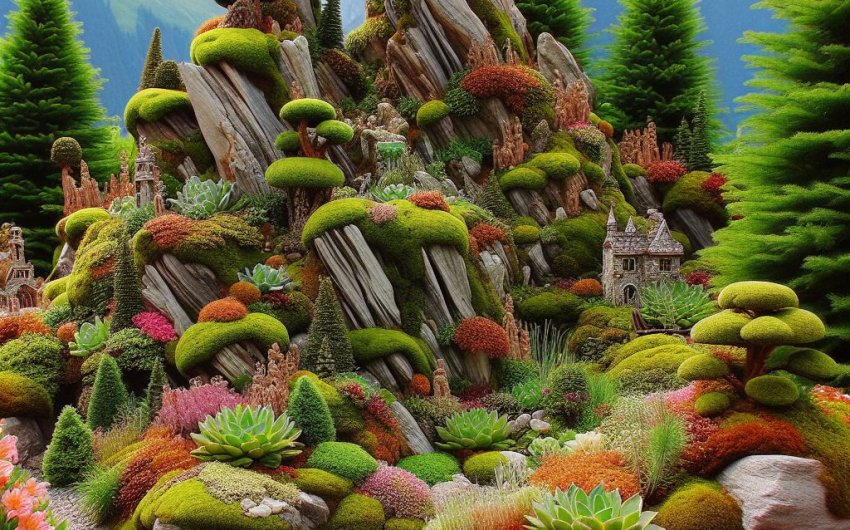
Majestic miniscape: Creating a rockery garden wonderland involves artfully arranging rocks and stones to mimic natural alpine or mountainous landscapes, then planting specialized, often diminutive plants that thrive in exceptionally well-drained, gritty conditions. This unique gardening style embraces the rugged beauty of stone and the delicate charm of alpine flora, transforming challenging sloped or arid areas into captivating, low-maintenance displays. A well-designed rockery garden wonderland is a testament to nature's intricate beauty, even in miniature form.
What Exactly is a Rockery Garden?
To truly appreciate how to create a rockery garden wonderland, it's important to first understand what this specialized type of garden entails. A rockery, often synonymous with a rock garden or alpine garden, is a distinct landscaping feature that artfully integrates rocks and stones with a specific selection of plants to mimic natural mountainous or rocky environments. It's about bringing a majestic miniscape to your own backyard.
More Than Just Rocks
A rockery garden is far more than just a pile of rocks with a few plants thrown in. It's a carefully crafted ecosystem designed to replicate the unique conditions found in alpine regions, rocky outcrops, or arid zones. The key characteristics that define a rockery include:
- Dominance of Rocks and Stones: Rocks are the structural backbone and the primary design element. They dictate the topography, create planting pockets, and provide a sense of scale and permanence. The size and type of rocks chosen (e.g., weathered granite, layered sandstone) are crucial for authenticity.
- Specialized Plant Palette: Rockeries are home to specific types of plants, predominantly:
- Alpine Plants: Naturally grow in high-altitude, rocky environments. They are typically small, slow-growing, compact, and extremely hardy.
- Drought-Tolerant Plants: Many rock gardens also feature succulents, cacti, and other plants adapted to dry, well-drained conditions.
- Dwarf Conifers: Miniature conifers add evergreen structure and texture.
- Bulbs: Small, early-flowering bulbs like crocus or miniature daffodils add seasonal color.
- Exceptional Drainage: This is a non-negotiable requirement. Plants suited for rockeries, especially alpines, cannot tolerate "wet feet" or heavy, soggy soil. The entire design prioritizes rapid water percolation.
- Gritty, Lean Soil: The soil mix for a rockery is typically very gritty, with a high proportion of sand, gravel, or grit, and relatively low in rich organic matter. This sparse, free-draining environment discourages vigorous weed growth and replicates the lean conditions where alpine plants thrive.
- Mimics Natural Landscapes: A well-designed rockery aims to look like a miniature mountain slope, a rocky outcrop, or a dry streambed, evoking a sense of rugged natural beauty and tranquility.
- Sun Exposure: While some rockeries can be in partial shade, many traditional alpine plants thrive in full sun, reflecting their native open, exposed habitats.
Why Create a Rockery Garden?
People choose to create a rockery garden wonderland for several compelling reasons:
- Low Maintenance: Once established, rock gardens require minimal watering (for drought-tolerant plants), weeding (due to lean, gritty soil and dense planting), and no mowing.
- Unique Aesthetic: They offer a distinctive, rugged, and often serene beauty that stands apart from traditional perennial borders. The intricate interplay of rock, plant texture, and subtle color is captivating.
- Solving Problem Areas: Rockeries are ideal for sloped yards, dry areas, or spots with poor, rocky soil where other plants struggle. They turn a challenge into an asset.
- Plant Collecting: They provide a specialized environment for collectors of alpine and miniature plants.
- Water Conservation: Many rock gardens utilize xeriscape principles, significantly reducing water usage.
In essence, a rockery garden is a carefully constructed landscape that celebrates the enduring beauty of stone and the delicate resilience of specialized plants, creating a stunning majestic miniscape in your own garden space.
What Are the Key Design Principles for a Rockery Garden?
Crafting a truly majestic rockery garden wonderland requires adherence to specific design principles that guide the placement of rocks and plants, ensuring a naturalistic, harmonious, and visually captivating landscape. These principles are crucial for transforming a simple collection of stones and plants into a cohesive and breathtaking rockery garden design, evoking the rugged beauty of mountain environments. Thoughtful application of these guidelines is key to success.
Here are the key design principles for a successful rockery garden:
Naturalism and Authenticity (The Most Important Principle):
- Mimic Nature: The ultimate goal is for the rockery to look like a natural outcrop or a section of a mountain landscape, not just a pile of rocks.
- Bury Rocks Deeply: Always bury at least 1/3 to 1/2 of each rock into the ground. This anchors them physically and visually, making them appear as if they've always been there, emerging from the earth. Rocks merely perched on the surface look artificial.
- Single Type of Rock (Ideally): Use only one type of rock throughout the rockery (e.g., all limestone, all granite, all sandstone). Mixing different geological types often looks unnatural.
- Consistent Orientation: Position rocks so their natural stratification (layers or grain) runs in the same direction, mimicking how they would appear in a natural formation. If rocks have a "face," orient them for maximum visual impact.
- Impact: Creates a sense of permanence, age, and belonging, making the garden feel authentic.
Scale and Proportion:
- Principle: The size of the rocks and plants should be in harmony with each other and with the overall size of the rockery and the surrounding garden.
- Application: Use larger, more substantial rocks as the structural backbone and main focal points. Smaller rocks can be used for infill, crevices, and finer details. Plants should generally be diminutive or slow-growing to complement the rocks, not overwhelm them.
- Impact: Ensures the design feels balanced and cohesive, preventing elements from looking lost or out of place.
Create Strong Vertical and Horizontal Elements:
- Principle: Rocks aren't just for texture; they create topography.
- Application: Use large boulders to form peaks or ridges (vertical accents). Create ledges, terraces, or steps (horizontal planes) with flatter stones. This adds visual interest and creates diverse planting pockets.
- Impact: Mimics mountainous terrain, provides visual drama, and offers varied microclimates for plants.
Emphasize Texture and Contrast:
- Principle: The interplay of hard, rugged stone with soft, delicate foliage is a hallmark of rock garden beauty.
- Application:
- Rock Texture: Choose rocks with interesting surfaces (smooth river stone, craggy granite, layered sandstone).
- Plant Texture: Pair the solidity of rocks with fine-textured ornamental grasses, fuzzy succulents, or delicate ferns.
- Foliage Color: Utilize plants with blue-gray, silver, or variegated foliage to create stunning contrasts against the rock.
- Impact: Adds depth, dynamism, and year-round visual appeal.
Define Pathways and Circulation (If Applicable):
- Principle: Guide the viewer's eye and allow access for maintenance and enjoyment.
- Application: Create winding paths using gravel, stepping stones, or carefully placed flat rock slabs. Ensure paths are in scale with the rockery.
- Impact: Invites exploration and creates a sense of journey within the miniscape.
Create Planting Pockets and Crevices:
- Principle: Design spaces within the rock formation specifically for plants to thrive.
- Application: Arrange rocks to form natural "pockets" or "crevices." Fill these with your custom gritty soil mix. Ensure the planting pockets are large enough for root development and drain exceptionally well.
- Impact: Provides ideal growing conditions for alpine and succulent plants, allowing them to root deeply and remain dry.
Consider Light and Water Flow:
- Principle: Plan for how sun will hit the rockery and how water will drain.
- Application: Most rockeries need full sun for traditional alpine plants. Design for rapid drainage away from the base of plants. If building on a slope, rocks can help slow erosion and channel water.
- Impact: Ensures optimal conditions for the specialized plants.
By diligently applying these design principles, you can move beyond simply building a rock garden and truly create a rockery garden wonderland, a beautiful and authentic majestic miniscape that captures the essence of mountain beauty in your own backyard.
What is the Ideal Site Selection and Preparation for a Rockery Garden?
The success of your rockery garden wonderland hinges significantly on careful site selection and meticulous preparation, as these steps lay the foundation for optimal plant growth and the long-term integrity of your design. Choosing the right location and properly preparing the soil and drainage system are crucial for creating a thriving environment for your rockery garden design and the specialized plants it will host. Overlooking these initial steps can lead to constant struggles and disappointment.
Here's a step-by-step guide to ideal site selection and preparation for a rockery garden:
Step 1: Site Selection (Choosing the Right Location)
- Sunlight (Most Critical):
- Requirement: Most traditional alpine and succulent rock garden plants require full sun (at least 6-8 hours of direct sunlight per day). This mimics their natural exposed, high-altitude habitats.
- Consideration: If your chosen spot gets partial shade (3-6 hours), you'll need to select plants specifically adapted to those conditions. Deep shade is generally unsuitable for a traditional rockery.
- Observation: Observe your chosen area throughout the day and across seasons to accurately determine sunlight exposure.
- Drainage:
- Requirement: The site must have excellent natural drainage, or you'll need to aggressively amend to achieve it. Rock garden plants cannot tolerate "wet feet."
- Test: Dig a small hole (1 foot deep, 1 foot wide), fill it with water, and see how long it takes to drain. If it takes more than 2-3 hours, you have poor drainage.
- Consideration: Sloped areas are naturally advantageous for drainage and mimicking alpine terrain. Flat areas require more significant mounding and drainage amendments.
- Proximity to Other Features:
- Visual Integration: How will the rockery blend with your existing house, patio, or other garden beds?
- Access: Ensure you have enough space around the rockery for access, both for installation and future maintenance.
- Tree Roots: Avoid areas with heavy root competition from large trees, as this can make digging difficult and deplete soil moisture and nutrients.
- Aesthetic Value:
- Choose a spot where the rockery can be viewed and appreciated, whether from a window, a patio, or a garden path.
Step 2: Site Preparation (Building the Foundation)
This is where you create the perfect environment for your rockery garden wonderland.
- Clear the Area:
- Remove all weeds, grass, debris, and any unwanted plants. Be thorough, as weeds can quickly become a problem in a gritty rock garden.
- Tip: For persistent weeds, consider solarization in the summer months prior to construction, or use a non-residual herbicide if you're not strictly organic.
- Establish Grade and Mounding (Crucial for Drainage):
- For Flat Sites: If your site is flat, you must create mounds or berms to ensure superior drainage. Pile up a good, well-draining base material (e.g., coarse gravel, crushed stone, rubble) to a height of 1-2 feet or more, creating undulating contours. This elevates the planting area and allows water to run off.
- For Sloped Sites: Leverage the existing slope. You may still need to add material to create naturalistic undulations and planting terraces.
- Install a Weed Barrier (Optional but Recommended):
- Purpose: Lay down a layer of heavy-duty landscape fabric over the prepared ground, especially under areas where you'll have large areas of gravel or rock mulch.
- Benefits: This prevents weeds from growing up through the rocks. It's often debated, as it can sometimes impede air/water exchange, but in a well-drained rockery, it's generally beneficial for weed control.
- Create the Rockery Base:
- Layering (if building up): If you've created mounds, layer your materials. The very bottom can be coarse rubble (broken concrete, bricks for drainage). On top of that, add a thick layer (6-12 inches) of coarse gravel or crushed stone. This provides exceptional drainage.
- Placement of Large Rocks: This is the time to start placing your largest, structural rocks. Remember to bury them at least 1/3 to 1/2 deep into the base material. Use heavy equipment if necessary. Ensure they are stable and appear natural, following your design plan.
- Prepare the Soil Mix (The Gritty Blend):
- Recipe: The soil for rockery plants needs to be exceptionally well-drained and gritty. A good general mix is:
- 1 part high-quality topsoil or potting mix (minimal organic matter)
- 1 part coarse sand or grit (e.g., decomposed granite, chicken grit)
- 1 part small gravel (e.g., pea gravel) or pumice/perlite
- Mixing: Thoroughly mix these ingredients in a wheelbarrow or on a tarp.
- Recipe: The soil for rockery plants needs to be exceptionally well-drained and gritty. A good general mix is:
- Fill Planting Pockets:
- Once your main rocks are in place, fill the created planting pockets and crevices with your custom gritty soil mix. Ensure the mix is well-distributed around the rocks and fills all voids. This ensures your chosen rockery garden plants have the perfect environment.
By diligently following these steps, you'll create a robust and ideal foundation for your majestic miniscape, ensuring that your rockery garden wonderland not only looks stunning but also provides the perfect environment for your specialized plants to thrive.
What Are the Best Plants for a Rockery Garden Wonderland?
To truly create a rockery garden wonderland, selecting the right plants is paramount. These specialized, often diminutive species are perfectly adapted to the lean, gritty, and well-drained conditions of a rockery, offering intricate beauty, unique textures, and bursts of vibrant color that complement the ruggedness of the stone. Focusing on hardy full sun perennials and those suited for specific rock garden conditions ensures a thriving majestic miniscape.
Here are some of the best plants for a rockery garden wonderland:
1. Creeping and Mat-Forming Plants (Groundcovers that spill over rocks)
These plants soften the edges of rocks, fill in gaps, and create a lush carpet.
- Creeping Thyme (Thymus serpyllum and other creeping varieties):
- Why it's great: Forms a dense, fragrant mat of tiny leaves that spills beautifully over rocks. Produces small purple, pink, or white flowers in summer. Tolerates foot traffic.
- Light/Soil: Full sun, very well-drained, lean soil.
- Enhances Design: Softens hard edges, fragrant, great for stepping stones.
- Sedum (Groundcover Stonecrop, e.g., Sedum spurium, Sedum album):
- Why it's great: Succulent foliage provides year-round texture and often vibrant fall color. Spreads to form a dense mat.
- Light/Soil: Full sun, extremely well-drained soil.
- Enhances Design: Adds succulent texture, color, and fills crevices.
- Aubrieta (False Rockcress):
- Why it's great: Forms a dense, evergreen mat of foliage that becomes covered in masses of purple, blue, or pink flowers in early spring.
- Light/Soil: Full sun, well-drained soil.
- Enhances Design: Provides a carpet of early spring color.
- Dianthus (Pinks, e.g., Dianthus deltoides, D. gratianopolitanus):
- Why it's great: Low-mounding plants with grassy blue-green foliage and fragrant pink, red, or white fringed flowers.
- Light/Soil: Full sun, well-drained, slightly alkaline soil.
- Enhances Design: Adds delicate texture and charming flowers.
2. Rosette-Forming and Clumping Plants (For Pockets and Definition)
These create distinct forms that stand out against the rocks.
- Sempervivum (Hens and Chicks) and Echeveria:
- Why they're great: Form beautiful, intricate rosettes of succulent leaves. Extremely drought-tolerant and ideal for tucking into rock crevices and small pockets.
- Light/Soil: Full sun, extremely well-drained soil.
- Enhances Design: Adds unique architectural form and texture. You can find many Sempervivum varieties for easy rock garden planting.
- Saxifraga (Saxifraga species):
- Why it's great: Diverse genus, many form tight rosettes or cushions of foliage with delicate flowers on short stems. Perfect for miniature settings.
- Light/Soil: Full sun to partial shade, well-drained, gritty soil.
- Enhances Design: Adds intricate detail and early spring blooms.
- Lewisia (Lewisia cotyledon):
- Why it's great: Forms evergreen rosettes with cheerful, bright pink, orange, yellow, or white flowers on short stems in spring.
- Light/Soil: Partial shade to full sun, excellent drainage.
- Enhances Design: Provides a pop of luminous color.
- Alpine Phlox (Phlox subulata):
- Why it's great: Forms a low, spreading mat covered in a profusion of white, pink, or purple flowers in spring.
- Light/Soil: Full sun, well-drained soil.
- Enhances Design: Creates a vibrant carpet of spring flowers.
3. Dwarf Conifers (Year-Round Structure and Form)
These provide evergreen interest, vertical accents, and textural contrast.
- Dwarf Mugo Pine (Pinus mugo 'Mughus'):
- Why it's great: Dense, mounding form with short, stiff needles. Adds evergreen texture and a sense of permanence.
- Light/Soil: Full sun, well-drained soil.
- Enhances Design: Provides year-round structure and anchor points.
- Creeping Juniper (Juniperus horizontalis cultivars):
- Why it's great: Ground-hugging varieties that spill beautifully over rocks, offering blue-green or green evergreen foliage.
- Light/Soil: Full sun, well-drained soil.
- Enhances Design: Softens large rocks, provides evergreen coverage.
- Dwarf Spruce (Picea species, dwarf cultivars):
- Why it's great: Miniature versions of larger evergreens, adding a delicate upright or mounding form.
- Light/Soil: Full sun to partial shade, well-drained soil.
- Enhances Design: Provides evergreen focal points and winter interest.
4. Ornamental Grasses (Movement and Softness)
These add a crucial element of movement and contrast to the rigidness of the rocks.
- Blue Fescue (Festuca glauca):
- Why it's great: Low-growing, clumping grass with striking blue-gray foliage, providing a cool color contrast.
- Light/Soil: Full sun, well-drained soil.
- Enhances Design: Softens rock edges, adds fine texture.
- Mexican Feather Grass (Stipa tenuissima):
- Why it's great: Fine-textured, airy plumes that sway gracefully in the breeze, creating a sense of movement.
- Light/Soil: Full sun, well-drained soil.
- Enhances Design: Adds delicate texture and dynamic movement.
5. Small Bulbs (Early Spring Color)
These provide ephemeral bursts of color.
- Crocus (Crocus species):
- Why it's great: Emerge very early in spring with cups of white, yellow, purple flowers.
- Light/Soil: Full sun, well-drained soil.
- Enhances Design: Provides cheerful early color.
- Miniature Daffodils (Narcissus species, dwarf varieties):
- Why it's great: Small-scale versions of classic daffodils, perfect for tucking between rocks.
- Light/Soil: Full sun, well-rained soil.
By thoughtfully selecting and artfully placing these specialized rockery garden plants, you can create a vibrant, intricate, and low-maintenance majestic miniscape. These shade plants that thrive year after year will fill your rockery garden wonderland with continuous perennial pleasures, truly enhancing the natural beauty beyond sunlight.