
From Scraps to Soil Gold: Unlocking the Magic of Fruit and Vegetable Waste!
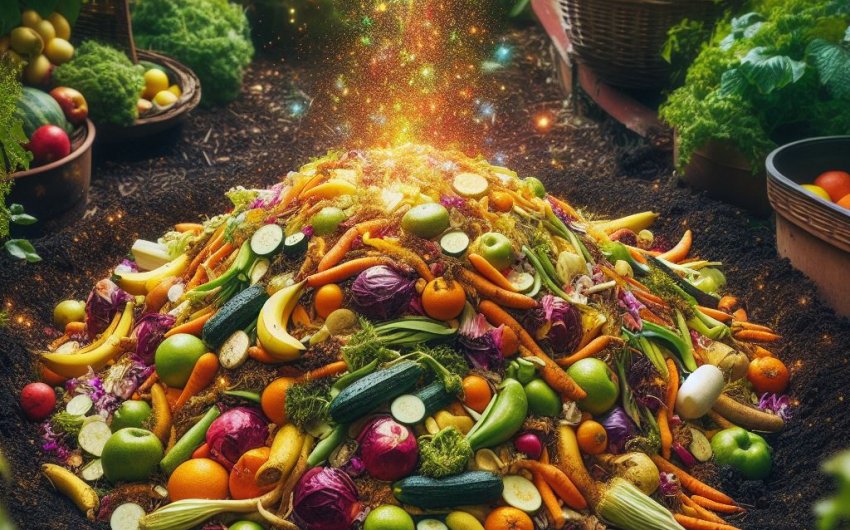
Ever wonder what happens to all those banana peels, apple cores, and veggie trimmings after you're done cooking? For many, they simply go into the trash. But what if we told you those humble scraps are actually soil gold in disguise? That's right! Your kitchen waste, especially fruit and vegetable waste, holds incredible power to enrich your garden, reduce landfill waste, and even save you money. Welcome to the magical world of composting and soil enrichment – a simple yet profound way to turn your scraps into a gardener's treasure.
Why Is Fruit and Vegetable Waste So Valuable?
It might seem like trash, but every fruit peel and vegetable stalk carries amazing potential for your garden and the planet.
What's Wrong with Throwing Food Scraps Away?
When we toss fruit and vegetable scraps into the regular garbage, they end up in landfills. This causes several problems:
- Greenhouse gases: As organic matter breaks down in landfills without oxygen, it creates methane. Methane is a very powerful greenhouse gas, much stronger than carbon dioxide, and it plays a big part in climate change.
- Wasted nutrients: Food scraps are full of valuable nutrients that plants need to grow. When they go to a landfill, these nutrients are lost forever.
- Full landfills: Landfills are filling up fast. Reducing food waste helps save precious landfill space.
- Missed opportunity: It's a missed chance to create rich, healthy soil for your garden for free!
What Nutrients Do Fruit and Vegetable Scraps Contain?
Fruit and vegetable scraps are packed with what your plants crave:
- Nitrogen (N): Essential for leafy green growth. Think of banana peels, coffee grounds, and many leafy green scraps.
- Phosphorus (P): Important for root development, flowering, and fruiting. Found in things like apple cores and citrus peels.
- Potassium (K): Helps with overall plant health, disease resistance, and fruit quality. Banana peels are a great source of potassium.
- Micronutrients: Besides the big three (N-P-K), scraps also provide tiny but important amounts of other minerals like calcium, magnesium, and sulfur, which are vital for plant health.
How Does This Help My Garden?
Turning your fruit and vegetable waste into usable material for your garden creates what gardeners call "black gold" or compost.
- Improves soil structure: Compost makes heavy clay soils looser and helps sandy soils hold more water and nutrients.
- Feeds plants naturally: It slowly releases nutrients over time, providing a steady food source for your plants.
- Boosts beneficial microbes: Compost is teeming with good bacteria and fungi that help plants absorb nutrients and fight off diseases.
- Enhances water retention: Soil with compost can hold more water, meaning you might need to water less often.
- Reduces waste: You feel good knowing you're doing something positive for the environment.
The Magic of Composting: Your Journey to Soil Gold
Composting is the process of breaking down organic materials into a dark, crumbly, nutrient-rich soil amendment. Your fruit and vegetable scraps are perfect for this!
What is a Compost Pile (or Bin)?
A compost pile (or bin) is simply a collection of organic materials that you allow to decompose. Think of it as a natural recycling center for your garden.
- Outdoor Bins: These can be simple DIY structures made from wire mesh, pallets, or store-bought compost bins designed for outdoor use. A popular choice is a tumbling compost bin, which makes turning the compost easy.
- Worm Composting (Vermicomposting): This uses special composting worms (like red wigglers) to break down food scraps in a contained worm bin. It's great for smaller spaces or if you want to compost indoors. You can get a good worm composting bin to start.
- Trench Composting/Burying: A very simple method where you dig a trench or hole in your garden and bury your scraps directly.
What Can I Put in My Compost?
For fruit and vegetable waste, almost anything goes!
- Yes, please! (Green Materials):
- Fruit peels and cores (apples, bananas, oranges, berries, melon rinds)
- Vegetable scraps (carrot tops, potato peels, lettuce, broccoli stems, corn cobs)
- Coffee grounds and filters
- Tea bags (remove staples)
- Spent cut flowers (no disease)
- Also good (Brown Materials):
- Dead leaves
- Straw
- Shredded newspaper (black ink only)
- Small twigs
- Cardboard (torn into small pieces, no glossy parts)
- What NOT to put in compost (especially for home gardens):
- Meat, bones, dairy products, oily foods (attract pests, create odors)
- Pet waste (can contain harmful pathogens)
- Diseased plants (can spread disease)
- Weeds with seeds (can spread weeds)
- Chemically treated wood
How Does Composting Work? The "Greens" and "Browns" Balance
Composting relies on a good mix of "greens" and "browns."
- Greens (Nitrogen-rich): These are usually wet, fresh materials. Fruit and vegetable scraps are mostly greens. They provide the nitrogen that helps microorganisms grow and break down the pile quickly.
- Browns (Carbon-rich): These are dry, woody materials. Think dead leaves, straw, wood chips. They provide carbon, which is the "energy" source for the microbes, and also help create air pockets in the pile.
- The balance: Aim for a ratio of about \(2\) parts browns to \(1\) part greens by volume. Too many greens can make the pile soggy and smelly. Too many browns will make it decompose very slowly. Don't stress too much about exact measurements; just try to have a good mix.
What Else Does Compost Need?
- Water: Your compost pile needs to be moist, like a wrung-out sponge. If it's too dry, decomposition slows down. If it's too wet, it gets smelly and lacks oxygen.
- Air: Microbes need oxygen to do their job. Turning your compost pile regularly (every \(1\)-\(2\) weeks) helps introduce air. Tumbling compost bins make this very easy.
- Time: Composting takes time. Depending on the size of your pile, the balance of materials, and how often you turn it, it can take anywhere from a few weeks to several months to get finished compost.
Simple Ways to Use Fruit and Vegetable Scraps in Your Garden (Beyond Composting!)
Even if you don't have a full compost setup, you can still put your fruit and vegetable waste to good use directly in your garden.
1. Burying Scraps (Trench Composting)
This is one of the easiest ways to get nutrients directly into your garden beds.
- How it works: Dig a trench or a hole (about \(8\) to \(12\) inches deep) between rows of plants or where you plan to plant in the future. Bury your fruit and vegetable scraps directly in the hole and cover them with soil.
- Benefits: The scraps break down right where the plants can use the nutrients. It's a simple, low-effort way to compost.
- Considerations: Don't bury too close to young plant roots. Avoid burying large amounts in one spot, which could attract pests. Scatter scraps or move your burial spots around.
2. Using Specific Scraps as Fertilizer Boosts
Some scraps are particularly rich in certain nutrients and can be used directly.
- Banana Peels: These are fantastic for potassium, which promotes strong root growth, flowering, and fruiting.
- Method 1: Chop up banana peels and bury them directly around the base of potassium-loving plants (like tomatoes, peppers, roses).
- Method 2: Make "banana peel tea" by soaking chopped peels in water for a few days. Strain and use the water to fertilize.
- Coffee Grounds: Rich in nitrogen and trace minerals. They also slightly acidify the soil, which is great for acid-loving plants like blueberries, azaleas, and hydrangeas.
- Method: Sprinkle used coffee grounds directly around plants or lightly mix them into the topsoil. Do not put down thick layers, as they can compact and repel water. You can find useful coffee grounds for gardens.
- Eggshells: Great source of calcium, which helps prevent blossom end rot in tomatoes and peppers.
- Method: Rinse and dry eggshells. Crush them into very small pieces (a coffee grinder works well). Sprinkle around plants. They break down slowly.
- Vegetable Scraps in Seed Starting: While not a "fertilizer" directly, finely chopped veggie scraps (like lettuce leaves) can be mixed into potting soil for seedlings to provide a gentle, slow-release nutrient boost.
3. Creating "Compost Tea" with Food Scraps
Compost tea is a liquid fertilizer made by steeping compost (or directly, some food scraps) in water.
- How to make:
- For a simple fruit/veg scrap tea: Put chopped fruit and vegetable scraps (e.g., banana peels, leafy greens) in a bucket with water.
- Let it sit for a few days to a week, stirring occasionally. It will get smelly!
- Strain out the solids and dilute the liquid (e.g., \(1\) part tea to \(10\) parts water) before using it to water your plants.
- Benefits: Provides a quick, liquid nutrient boost directly to the roots.
- Caution: Can smell strong. Use diluted.
4. Attracting Worms Directly
- Burying scraps: Burying food scraps directly in your garden beds encourages earthworms to come and break them down. Earthworms are fantastic for soil health – they aerate the soil and create nutrient-rich castings.
Troubleshooting and Best Practices for Using Scraps
Making the most of your fruit and vegetable waste is easy, but a few tips can help avoid common issues.
How Do I Prevent Pests and Odors?
- Bury deeply: If burying scraps directly, ensure they are covered by at least \(6\)-\(8\) inches of soil to deter animals and reduce odors.
- Balance "greens" and "browns" in compost: Too many "greens" (wet food scraps) in your compost pile can make it wet and smelly. Add more "browns" (leaves, straw, shredded paper) to balance it out.
- Chop scraps smaller: Smaller pieces break down faster, reducing the time they might sit around and potentially attract pests.
- Avoid problem foods: Do not put meat, bones, dairy, or oily foods in your compost or directly in the garden (unless in a very secure, contained system like a dedicated digester bin), as they will attract pests.
- Turn your compost: Regular turning of your compost pile helps keep it aerated, which prevents anaerobic (stinky) decomposition and speeds up the process.
What About Acidity and Soil pH?
- Citrus peels: While generally fine in compost, large amounts of citrus peels can temporarily lower the pH (make it more acidic) of your compost. Over time, the composting process neutralizes this. If you have a lot of citrus, add extra brown materials.
- Coffee grounds: As mentioned, coffee grounds can slightly acidify soil. This is good for acid-loving plants, but use in moderation for others if your soil is already acidic.
- Eggshells: These will actually help to raise the pH slightly (make it more alkaline) over a very long time, as they are calcium carbonate.
Can I Use Cooked Food Scraps?
- Compost pile: Generally, small amounts of plain cooked fruit and vegetable scraps (e.g., steamed broccoli, boiled potatoes) are fine in a well-managed compost pile.
- Direct burying: It's best to stick to raw scraps for direct burying, as cooked scraps might attract pests more readily.
- Avoid: Definitely avoid cooked scraps with oils, fats, meat, or dairy.
How Does the Size of Scraps Matter?
- Smaller is faster: The smaller you chop or tear your fruit and vegetable scraps, the faster they will break down. This is true for both composting and direct burying. You can chop them with a knife, use a food processor for very fine pieces, or even invest in a small kitchen compost bin like a food scrap collector with lid that can go directly into your larger compost system.
Beyond the Garden: Other Uses for Fruit and Vegetable Waste
The magic of fruit and vegetable waste extends beyond just garden benefits!
1. Making Vegetable Broth
- Save your scraps: Keep onion skins, carrot peels, celery ends, mushroom stems, and herb stalks in a bag in your freezer.
- Make broth: Once you have a good collection, simmer them in water for an hour or two to make a flavorful homemade vegetable broth. Strain out the solids, and you have a nutritious base for soups, stews, or cooking grains. This is a great way to use up scraps that might not break down well in direct garden use, like onion skins.
2. Creating Natural Dyes
- Colorful fun: Many fruit and vegetable scraps can be used to make beautiful natural dyes for fabrics or even Easter eggs!
- Onion skins: Yellows to oranges
- Red cabbage: Blues to purples
- Avocado pits and skins: Pinks
- Spinach: Pale greens
- Beetroot: Pinks and reds
- It's a fun and creative way to reduce waste.
3. Food for Pets (with caution!)
- Specific scraps: Some fruit and vegetable scraps can be safe and healthy treats for pets, but research is key.
- Dogs: Small pieces of carrot, apple (no seeds), banana, or cooked sweet potato are often fine. Avoid: Onions, garlic, grapes, raisins, avocado pits/skins, chocolate, anything with seeds or pits that contain cyanide.
- Chickens/Rabbits/Pigs: Many garden scraps are excellent feed for these animals. Again, know what's safe and what's not for each animal.
- Always check: Never feed pets food scraps without confirming they are safe for that specific animal.
4. Regrowing Scraps
- Kitchen counter gardening: Many vegetable scraps can be regrown into new plants or at least provide fresh greens!
- Lettuce/Celery/Bok Choy: Place the root end in a shallow dish of water. New leaves will sprout.
- Green Onions/Leeks: Place the white root end in water; they will regrow quickly.
- Potatoes/Sweet Potatoes: Can be sprouted and planted.
- This is a fun way to get a little extra harvest from your scraps.
The journey from kitchen scraps to thriving garden is truly magical. By embracing the principles of composting and direct soil enrichment with your fruit and vegetable waste, you're not just reducing your household waste; you're actively participating in a sustainable cycle that nurtures your plants, enriches your soil, and benefits the environment. So next time you're about to toss that banana peel, remember: you're holding a piece of soil gold!